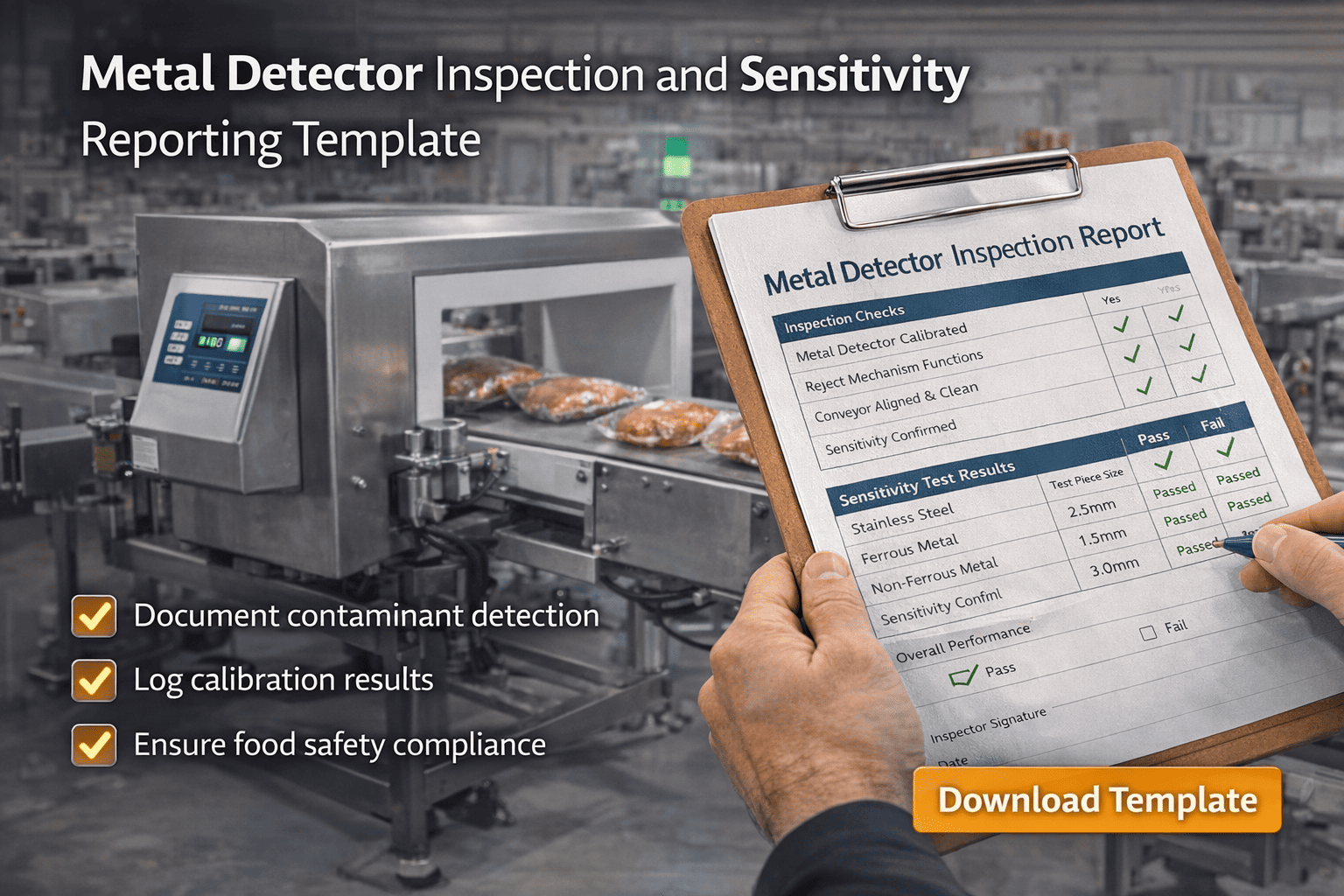
A food processing plant in Ohio ran the same centrifugal transfer pump for 847 days without a single documented inspection. When the pump failed catastrophically during peak production, spraying 2,400 gallons of tomato concentrate across the facility, the maintenance manager opened the equipment file. It was empty. No baseline readings. No trend data. No service history. The insurance adjuster asked one question: "Where's your process pump inspection report?" There wasn't one. The claim was denied. Total loss: $340,000 in equipment damage, product contamination, and cleanup—plus the audit finding that followed. Documentation isn't paperwork. It's protection.
Inspection Reports
Process Pump Inspection and Flow Reporting Template for Plants
Document every reading. Track every trend. Protect every asset with structured inspection reports.
Reduction in Repeat Failures
Faster Mean Time to Repair
Audit Documentation Compliance
$127K
average
Annual Savings from Trending
Why Inspection Reports Matter More Than Inspections
An inspection without documentation is an inspection that never happened—at least from a compliance, legal, and continuous improvement perspective. The act of checking a pump takes five minutes. The value comes from what you do with that information over weeks, months, and years.
Structured inspection reports transform isolated observations into actionable intelligence. When you document that bearing temperature increased from 145°F to 158°F over three weeks, you've identified a trend. When you note that seal flush pressure dropped 8 PSI since last month, you've caught a developing problem. Without standardized reporting, these signals disappear into the noise of daily operations—until they become failures.
23 days
Average lead time between first detectable warning sign and pump failure. Structured inspection reports capture these signals—giving maintenance teams three weeks to plan repairs instead of three hours to react to breakdowns.
Essential Elements of a Process Pump Inspection Report
An effective pump inspection report captures more than just "pass/fail" checkboxes. It documents the specific conditions that enable trend analysis, root cause investigation, and compliance demonstration:
01
Equipment Identification
Asset ID/Tag Number
Equipment Description
Location/Area
Manufacturer/Model
Serial Number
Installation Date
Why it matters: Links inspection data to specific assets for historical tracking and warranty documentation.
02
Inspection Context
Date and Time
Inspector Name/ID
Inspection Type (Daily/Weekly/Monthly)
Operating Conditions
Product Being Pumped
Run Hours at Inspection
Why it matters: Provides context for readings—a temperature reading during startup differs from steady-state operation.
03
Operating Parameters
Suction Pressure (PSI)
Discharge Pressure (PSI)
Differential Pressure
Flow Rate (GPM)
Motor Amperage
Operating Speed (RPM)
Why it matters: Quantitative data enables trend analysis and early detection of performance degradation.
04
Condition Indicators
Bearing Temperature (°F)
Motor Temperature (°F)
Vibration Level (in/s or mm/s)
Noise Assessment
Seal Condition/Leakage
Oil Level/Condition
Why it matters: Condition indicators reveal developing problems before they affect performance or cause failure.
05
Visual Observations
Leak Evidence (Location/Severity)
Corrosion/Damage
Guard/Safety Condition
Cleanliness/Contamination
Connection Integrity
Photo Documentation
Why it matters: Visual documentation captures conditions that numbers can't—and photos provide undeniable evidence for audits.
06
Findings & Actions
Abnormalities Found
Severity Classification
Immediate Actions Taken
Work Orders Generated
Follow-up Required
Sign-off/Verification
Why it matters: Closes the loop between inspection and action—ensuring findings drive corrective measures.
Flow Performance Reporting: Beyond Basic Inspection
Process pumps exist to move product. Flow performance reporting captures how well they're doing that job—and when performance starts to degrade:
Actual vs. Design Flow Rate
Compare current flow to pump curve specifications. Flow below 90% of design at normal operating conditions indicates wear or system issues.
Action Trigger: <85% of design flow → Schedule inspection
Specific Energy Consumption
Calculate kWh per 1,000 gallons pumped. Rising specific energy means declining efficiency—you're paying more to move less product.
Action Trigger: >15% increase from baseline → Investigate cause
Pressure-Flow Relationship
Plot operating point against pump curve. Shifts indicate internal wear, system changes, or operating outside optimal range.
Action Trigger: Operating point outside 80-110% BEP → Adjust system
Flow Consistency/Variability
Track flow stability over production runs. Excessive variation indicates air entrainment, cavitation, or control issues.
Action Trigger: >10% flow variation → Check suction conditions
Transform Inspection Data Into Actionable Intelligence
Oxmaint automatically captures inspection readings, calculates trends, and alerts you when parameters exceed thresholds—turning routine inspections into predictive maintenance.
Complete Pump Inspection Report Template
Use this comprehensive template structure for documenting process pump inspections in food and beverage facilities:
Section A: Equipment & Inspection Information
Asset ID:
________________
Location:
________________
Pump Type:
________________
Manufacturer:
________________
Date/Time:
________________
Inspector:
________________
Run Hours:
________________
Product:
________________
Section B: Operating Parameters
Suction Pressure
_____ PSI
_____ PSI
_____ to _____ PSI
☐ OK ☐ Alert
Discharge Pressure
_____ PSI
_____ PSI
_____ to _____ PSI
☐ OK ☐ Alert
Flow Rate
_____ GPM
_____ GPM
_____ to _____ GPM
☐ OK ☐ Alert
Motor Amperage
_____ Amps
_____ Amps
_____ to _____ Amps
☐ OK ☐ Alert
Bearing Temp (DE)
_____ °F
_____ °F
Max _____ °F
☐ OK ☐ Alert
Bearing Temp (NDE)
_____ °F
_____ °F
Max _____ °F
☐ OK ☐ Alert
Vibration Level
_____ in/s
_____ in/s
Max _____ in/s
☐ OK ☐ Alert
Section C: Visual & Condition Assessment
Seal Condition:
☐ No Leak ☐ Weeping ☐ Dripping ☐ Flowing
Oil Level:
☐ Full ☐ Low ☐ Overfilled ☐ N/A
Oil Condition:
☐ Clear ☐ Dark ☐ Milky ☐ Contaminated
Coupling Guard:
☐ Secure ☐ Loose ☐ Missing ☐ Damaged
Foundation/Mounting:
☐ Tight ☐ Loose ☐ Cracked ☐ Shifted
Unusual Noise:
☐ None ☐ Cavitation ☐ Bearing ☐ Coupling
Connections:
☐ Tight ☐ Seeping ☐ Leaking ☐ Corroded
Cleanliness:
☐ Clean ☐ Dusty ☐ Product Buildup ☐ Contaminated
Section D: Findings & Corrective Actions
Abnormalities Observed:
_________________________________________________________________
Immediate Actions Taken:
_________________________________________________________________
Work Order(s) Generated:
☐ Yes WO#: _____________ ☐ No ☐ N/A
Follow-up Required:
☐ Yes By: _____________ ☐ No
Section E: Sign-Off
Inspector Signature: ___________________
Date: ___________
Supervisor Review: ___________________
Date: ___________
Trending & Analysis: Turning Reports Into Predictions
Individual inspection reports capture snapshots. Trend analysis reveals the movie. Here's how to use accumulated inspection data to predict and prevent failures:
Temperature Trending
Plot bearing and motor temperatures over time. A gradual upward trend (even within "acceptable" range) indicates developing lubrication issues or bearing wear.
Rule of thumb: Temperature increase of 15°F or more from baseline warrants investigation—even if still below alarm threshold.
Vibration Trending
Track vibration velocity over time. Sudden increases indicate acute problems; gradual increases indicate progressive wear. Both patterns predict future failure.
Rule of thumb: Any doubling of vibration level from baseline requires root cause investigation within 7 days.
Power Consumption Trending
Monitor amp draw at consistent operating conditions. Rising amperage with stable flow indicates internal wear or mechanical binding. Falling amperage may indicate slip or air entrainment.
Rule of thumb: Amperage change of ±10% from baseline at same operating point signals internal condition change.
Flow/Pressure Trending
Track the relationship between flow and differential pressure. Declining flow at same pressure indicates internal wear. Same flow at higher amperage indicates efficiency loss.
Rule of thumb: Schedule maintenance when efficiency drops below 85% of design or flow drops below 90% of baseline.
Compliance Documentation Requirements
In food and beverage manufacturing, pump inspection reports serve dual purposes: maintenance optimization and regulatory compliance. Here's what auditors expect:
⚠️
Documentation Risk: FDA, SQF, and BRC auditors specifically look for documented preventive maintenance programs on product-contact equipment. Missing or incomplete pump inspection records can result in findings under FSMA Preventive Controls, SQF Element 11.2.9, and BRC Clause 4.7.
What Auditors Verify
✓ Documented inspection schedule exists
✓ Inspections completed as scheduled
✓ Findings recorded with specifics
✓ Corrective actions documented
✓ Follow-up verification completed
✓ Records retained per requirements
Record Retention Requirements
• FDA/FSMA: Minimum 2 years
• SQF: 2 years minimum
• BRC: 3 audit cycles
• Best Practice: Life of equipment + 3 years
• Digital backup recommended
• Timestamped records preferred
Implementing an Inspection Reporting Program
Moving from ad-hoc documentation to structured inspection reporting requires systematic implementation:
1
Establish Baselines
Document baseline readings for every pump when operating normally: temperatures, pressures, flow rates, vibration levels, amperage. These baselines become your reference points for all future comparisons. Without baselines, you can't identify trends.
2
Define Thresholds & Alerts
Set specific alert thresholds based on manufacturer recommendations and baseline data. Define what temperature increase triggers investigation, what vibration level requires action, what pressure drop demands attention. Vague thresholds produce vague responses.
3
Standardize Report Format
Use consistent report templates across all pumps and all inspectors. Standardization enables comparison, trending, and training. When everyone captures the same data the same way, the data becomes useful.
4
Train Inspectors on "Why"
Operators who understand why each measurement matters capture better data. Train inspectors on what they're looking for, what abnormal looks like, and what happens when problems go undetected. Context creates competence.
5
Close the Loop on Findings
Every inspection finding needs defined follow-up: investigate, schedule maintenance, create work order, or document as acceptable variation. Track findings to closure. Inspection programs that don't drive action don't drive improvement.
Real Results: Inspection Reporting ROI
A regional dairy cooperative implemented structured pump inspection reporting across 34 process pumps using Oxmaint. Here's what changed:
67%
Reduction in Repeat Failures
From 12/year to 4/year
41%
Faster Mean Time to Repair
4.2 hours → 2.5 hours average
100%
Audit Documentation Score
Zero findings on equipment maintenance
$127K
Annual Savings
Avoided downtime + reduced repairs
"We caught a bearing problem on our main CIP return pump when temperatures increased 12°F over two weeks—still within 'normal' range but clearly trending up. Scheduled replacement during planned downtime instead of emergency repair during production. That one save paid for the entire system."
— Maintenance Supervisor, Regional Dairy Cooperative
Frequently Asked Questions
What should be included in a process pump inspection report?
A comprehensive process pump inspection report should include equipment identification, inspection date/time/inspector, operating parameters (pressures, flow, amperage), condition indicators (temperatures, vibration, seal condition), visual observations, findings, and corrective actions taken or required. The report should also document baseline comparisons and any work orders generated.
Sign up to access digital templates with all required fields.
How long should pump inspection reports be retained?
Retention requirements vary by regulation: FDA/FSMA requires minimum 2 years, SQF requires 2 years minimum, BRC requires 3 audit cycles. Best practice is to retain records for the life of the equipment plus 3 years. Digital CMMS systems like Oxmaint provide unlimited retention with instant retrieval—eliminating storage concerns and ensuring audit readiness.
How do you establish baseline measurements for pump inspection reports?
Establish baselines by documenting all key parameters when pumps are operating normally under typical conditions: pressures, temperatures, flow rates, vibration levels, and amperage. Take multiple readings over several days to account for normal variation. Record operating conditions (product type, ambient temperature) that affect readings. Update baselines after major maintenance or when operating conditions change permanently.
What triggers should generate work orders from inspection findings?
Work orders should be automatically generated when: readings exceed defined thresholds, trends show consistent degradation toward limits, visual inspection finds abnormalities (leaks, damage, contamination), or safety issues are identified. Define specific triggers for each parameter—such as temperature increase of 20°F above baseline or vibration exceeding 0.3 in/s. Oxmaint automates work order generation based on configurable rules.
Can operators perform pump inspections, or should technicians handle all documentation?
Operators should perform and document routine daily inspections—they're closest to the equipment and notice changes first. Detailed weekly or monthly inspections often benefit from technician involvement for measurements requiring specialized tools (vibration analyzers, thermal cameras). The key is consistent training so all inspectors capture the same data the same way.
Book a demo to see how Oxmaint supports both operator and technician inspection workflows.
Every Inspection Tells a Story. Make Sure Yours Gets Documented.
Oxmaint transforms pump inspection data into trend analysis, threshold alerts, and audit-ready documentation—turning routine inspections into predictive maintenance that prevents failures before they happen.