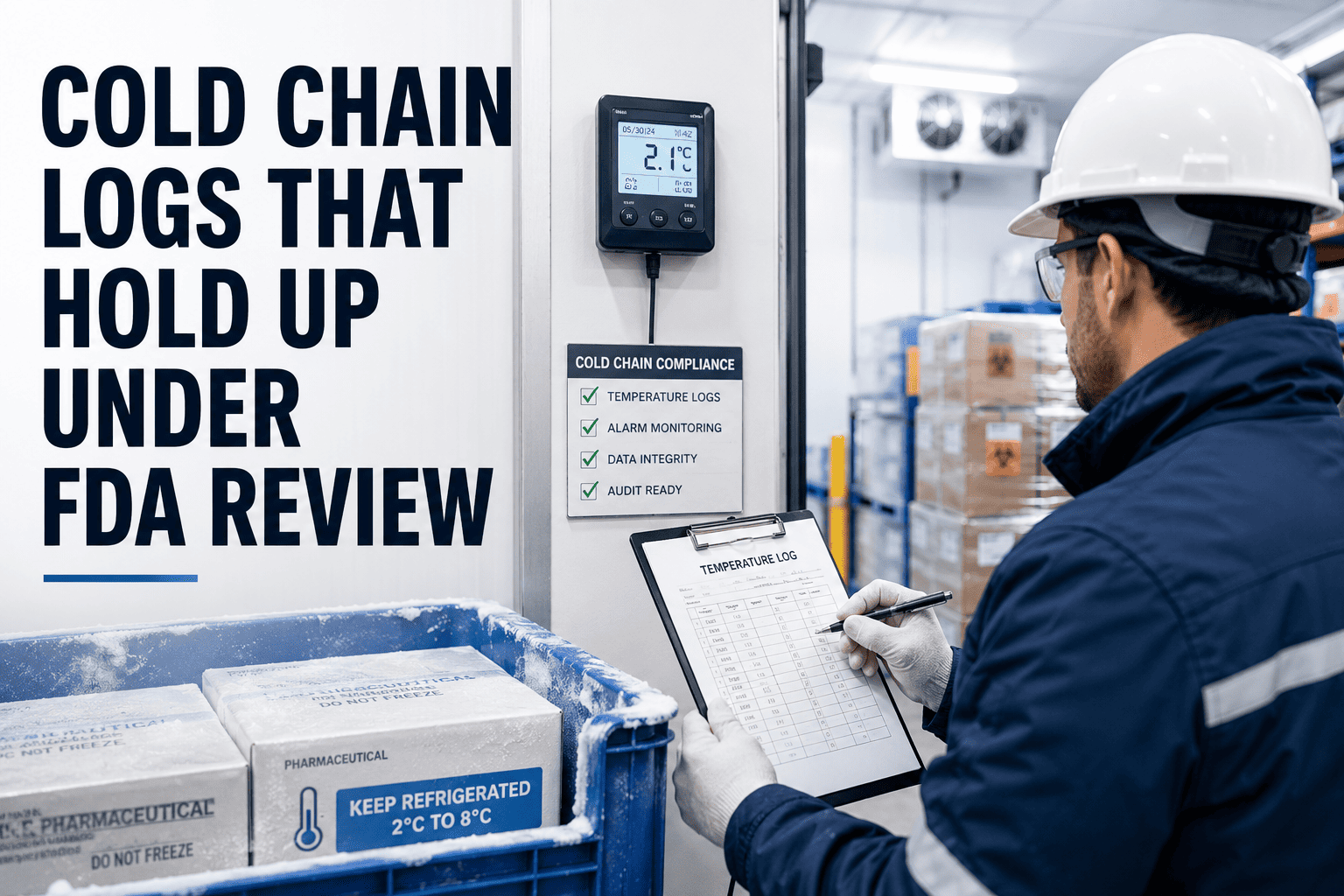
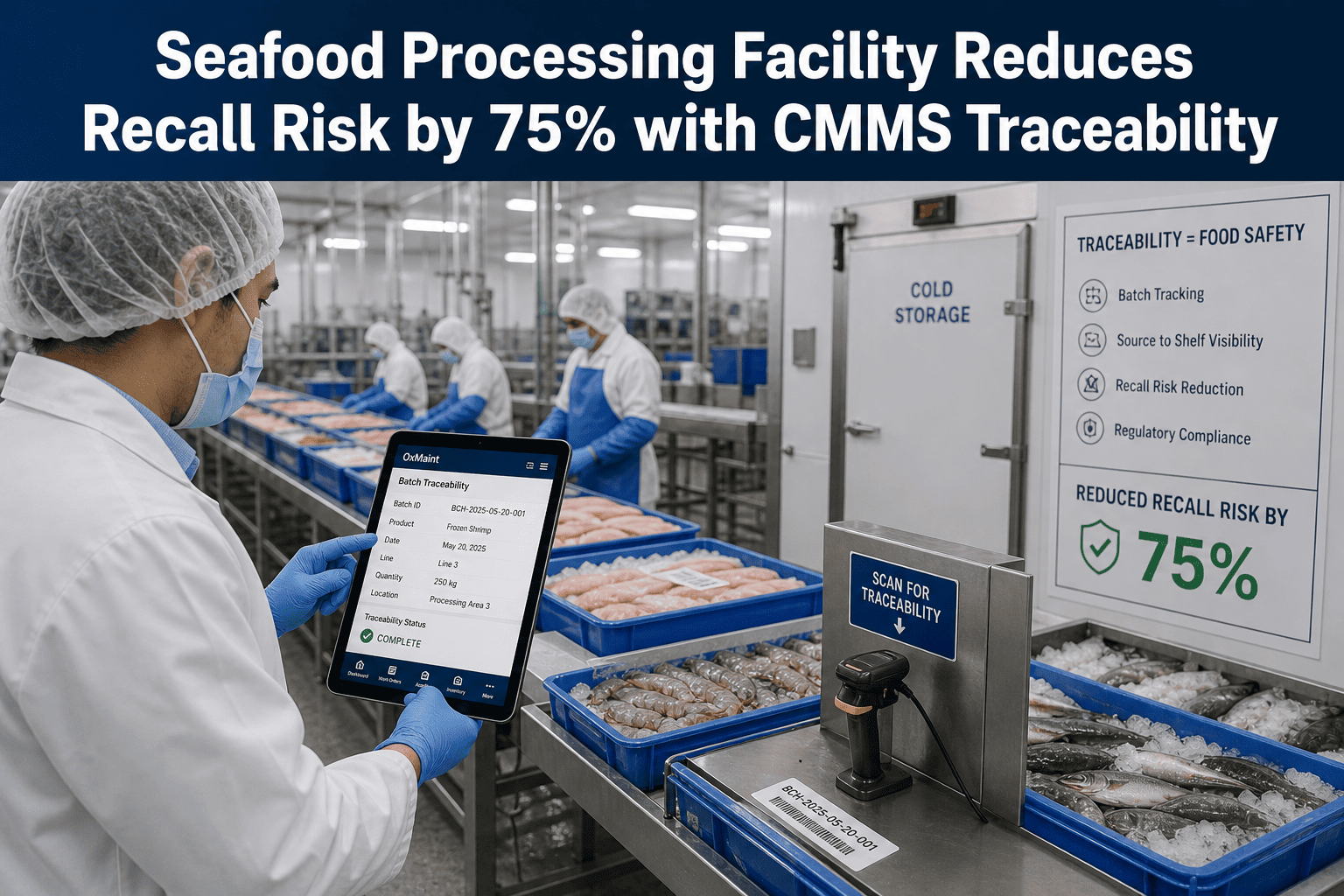
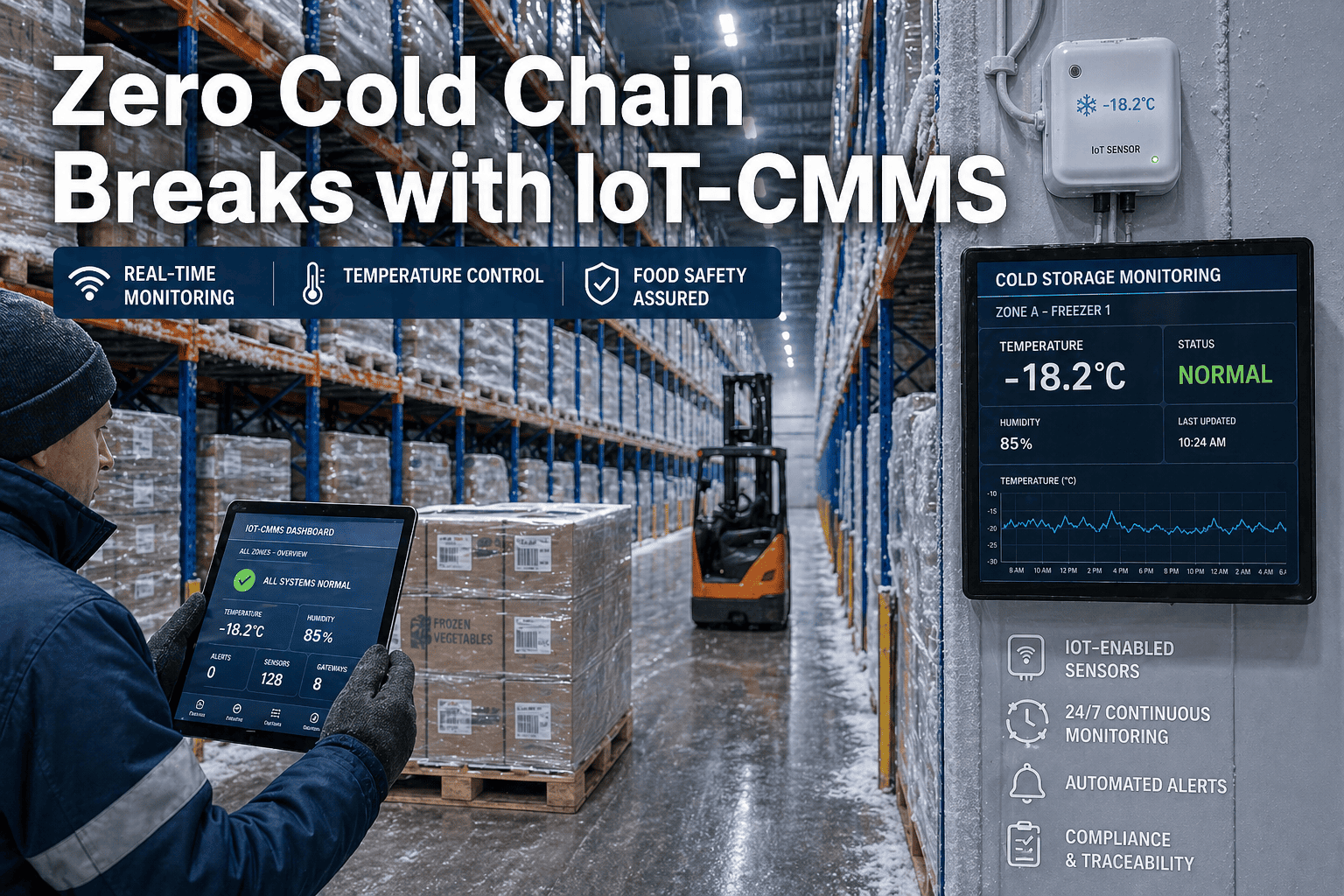
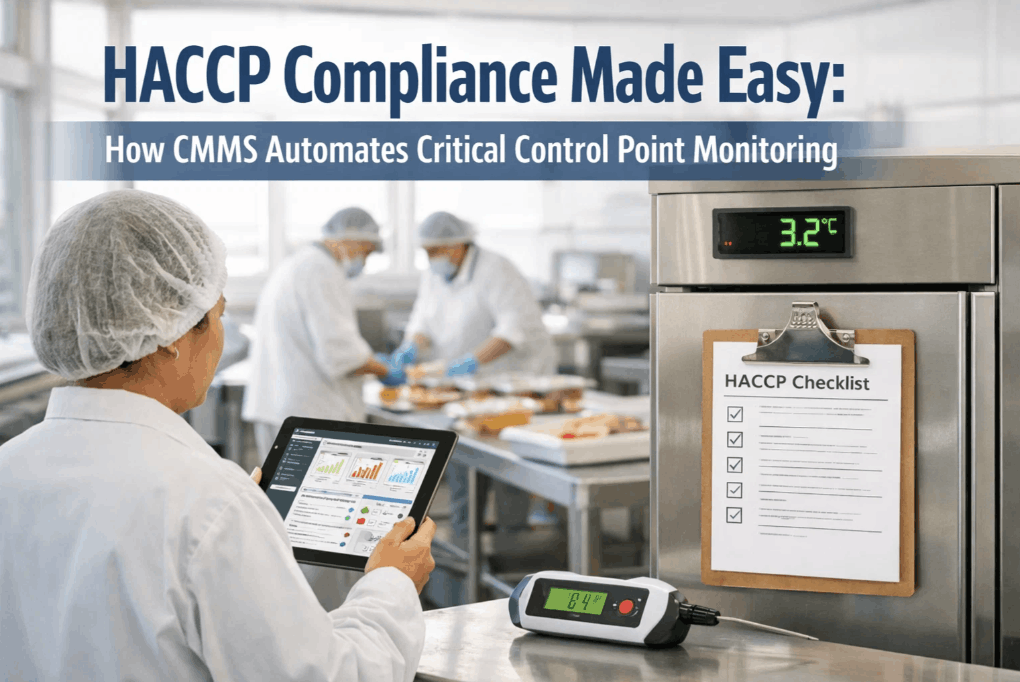
Seafood processing plants operate in an environment where Listeria monocytogenes is not an abstract risk — it is a persistent operational reality. The same cold, wet, hard-to-reach surfaces that preserve seafood quality create the exact conditions in which Listeria thrives, survives cleaning cycles, and establishes harborage points that standard sanitation does not reach. Ice machines, brine chillers, floor drains, conveyor undercarriage, and refrigerated seawater systems are the highest-risk harborage environments in any seafood plant — and every one of them requires structured preventive maintenance to prevent the physical degradation that turns a cleanable surface into an uncleanable one. FDA FSMA requires systematic controls, environmental monitoring, and documented corrective actions for Listeria risk management. A CMMS gives seafood plant operations teams the scheduling, documentation, and evidence infrastructure to meet those requirements without relying on memory, spreadsheets, or reactive cleaning responses. Start a free trial to register your seafood plant equipment in Oxmaint, or book a demo to map your cold chain and sanitation infrastructure with our team.
Identify which seafood plant assets carry the highest Listeria harborage risk in your facility — in one 30-minute session.
Deaths from the 2024 Boar's Head Listeria outbreak — the largest US Listeria event since 2011 — demonstrating the life-safety stakes of inadequate environmental control
4°C
Listeria monocytogenes growth temperature minimum — survives and multiplies in refrigerated seafood environments that appear visually clean
4.8x
Higher cost of reactive vs planned maintenance — every deferred ice machine or RSW PM generates compounding risk
FSMA 2026
FDA FSMA enforcement continues expanding — preventive control requirements for Listeria risk management are non-negotiable for seafood processors
The Listeria Harborage Problem in Seafood Plants
Listeria harborage in seafood processing environments is fundamentally a maintenance problem. Every crack in a conveyor frame, corroded floor drain grate, worn gasket on a brine chiller door, or scale buildup inside an ice machine evaporator is a micro-environment where Listeria establishes biofilm that standard sanitation cycles cannot penetrate. The pathogen does not appear from nowhere — it exploits physical degradation. FDA FSMA Preventive Controls rules require seafood processors to implement systematic environmental monitoring programs with documented corrective actions when positives occur. But monitoring alone does not prevent harborage development. Only a structured PM program that keeps surfaces cleanable, seals intact, drains clear, and cold chain equipment operating within specification can address the root cause that environmental monitoring reveals. Start a free trial to build your seafood plant Listeria harborage prevention program in Oxmaint.
Listeria grows at refrigeration temperatures, forms biofilms in as little as 24 hours on rough or pitted surfaces, and survives sanitizers that do not achieve full surface contact. Every deferred maintenance event that degrades a food-contact surface is a Listeria harborage site in development.
6 High-Risk Equipment Categories in Seafood Plant Maintenance
01
Flake and Tube Ice Machines
PM: Weekly sanitization cycle + monthly descale + quarterly full service
Ice machines are among the highest Listeria harborage risk assets in seafood plants. Evaporator scale buildup, water distribution system biofilm, and ice contact surface pitting create conditions where Listeria survives and contaminates the ice that directly contacts product. Documentation of sanitization cycles is FDA-audit evidence.
02
Brine Chiller Systems
PM: Daily brine concentration check + weekly seal inspection + monthly heat exchanger service
Brine concentration must be maintained within validated ranges for both antimicrobial efficacy and product quality. Seal degradation on brine system doors and piping connections creates harborage points and brine dilution pathways. Heat exchanger fouling reduces chilling efficiency and creates internal biofilm environments.
03
Refrigerated Seawater (RSW) Systems
PM: Daily temperature verification + weekly filter cleaning + monthly tank inspection
RSW systems for vessel-side whole-fish chilling require temperature maintenance within validated ranges and regular tank inspection for biofilm accumulation. Shore-side RSW systems at processing plants must be included in environmental monitoring zone mapping and regular sanitization schedules.
04
Processing Conveyors and Frames
PM: Daily sanitation check + weekly belt and frame inspection + monthly bearing service
Conveyor belt wear, cracked frames, and inaccessible hollow structural sections are the most common physical Listeria harborage sites identified in FDA warning letters for seafood processors. Belt replacement intervals, frame inspection records, and bearing lubrication history are all audit-retrievable maintenance documents.
05
Floor Drains and Drainage Infrastructure
PM: Daily drain cleaning + weekly grate and drain body inspection + monthly descale
Floor drains are Zone 2 and Zone 3 Listeria environmental monitoring targets in most seafood HACCP programs. Drain grate corrosion, trap degradation, and inadequate drain body cleaning create persistent harborage. Drain PM records are among the first documents FDA environmental monitoring inspections request.
06
Cold Storage and Walk-In Cooler Systems
PM: Daily temperature log + weekly door gasket inspection + monthly condenser service
Walk-in cooler door gaskets, condenser units, and floor drain systems within cold storage are frequently positive Listeria environmental monitoring zones. Gasket degradation creates inaccessible harborage. Condenser PM ensures temperature consistency. All records support FDA cold chain verification requirements.
4 Pain Points That Create Listeria and Compliance Risk in Seafood Plants
Ice Machine Sanitization Not Documented
Many seafood plants rely on operator memory or verbal sanitation schedules for ice machines. When FDA requests ice machine sanitization records during an environmental monitoring inspection following a Listeria positive, the absence of records escalates the finding to a FSMA preventive controls violation regardless of whether the machine was actually cleaned.
Environmental Monitoring Without Corrective Action Tracking
Environmental monitoring programs that log positives without structured corrective action workflows create regulatory exposure. FSMA requires documented corrective actions when Listeria environmental positives occur. Without a CMMS to generate, assign, and verify corrective action completion, the corrective action often happens without the record that proves it happened.
Cold Chain Temperature Records Disconnected From HACCP
Brine chiller and RSW temperature logs maintained on paper or in separate refrigeration contractor spreadsheets cannot be quickly integrated into HACCP verification records when FDA inspectors request them. The documentation gap between refrigeration performance and HACCP compliance is where enforcement actions originate in seafood facilities.
Physical Surface Degradation Not Caught Between Deep Cleans
Conveyor belt wear, cracked equipment frames, and floor drain grate corrosion develop progressively between scheduled deep cleaning events. Without structured interim inspection work orders, physical harborage sites accumulate undetected until an environmental positive forces a reactive investigation. Plants with preventive infrastructure find these issues first — start a free trial to build that infrastructure.
How Oxmaint Manages Seafood Plant Maintenance and Listeria Prevention
Ice Machine Management
Sanitization and Descale Schedule Documentation
Register every ice machine as an asset with weekly sanitization work orders and monthly descaling tasks. Completion records capture employee ID, sanitizer concentration, and timestamp — creating the FDA-retrievable documentation chain that demonstrates proactive Listeria control for all ice contact with product.
Environmental Monitoring
Listeria Swab Route Scheduling and Result Logging
Structure environmental monitoring as recurring work orders with zone maps, sample point lists, and result entry fields. Positive results auto-trigger corrective action work orders with investigation requirements and enhanced monitoring schedules — fully documented for FDA FSMA preventive controls compliance.
Cold Chain Compliance
Brine Chiller and RSW HACCP Record Integration
Link brine chiller temperature and concentration monitoring to recurring HACCP CCP work orders. RSW system temperature logs are generated as timestamped work order completions tied to the refrigeration asset record — integrating cold chain performance directly into HACCP verification documentation.
Surface Integrity
Conveyor, Drain, and Gasket Inspection Scheduling
Schedule periodic conveyor belt, floor drain, and cold storage door gasket inspections as recurring work orders with pass/fail condition fields and photo documentation. Physical harborage site development is identified between deep cleans — creating intervention records that FDA inspectors expect to see when environmental positives are investigated.
Corrective Action Workflow
Structured Response to Environmental Positives
When environmental monitoring positives occur, generate a structured corrective action work order in Oxmaint covering immediate sanitation response, root cause investigation, surface condition assessment, and enhanced monitoring schedule. This is the documented corrective action chain FDA FSMA Preventive Controls rules require.
Generate date-range compliance packages covering ice machine sanitization records, environmental monitoring history, corrective action logs, cold chain temperature records, and equipment PM completion rates — in the time it takes an FDA inspector to ask. No manual compilation, no missing records.
Reactive vs Planned: Seafood Plant Maintenance and Listeria Control
Risk Area
Reactive / Undocumented Approach
CMMS-Driven Approach (Oxmaint)
Ice Machine Sanitization
Verbal schedule — no records when FDA requests documentation
Timestamped digital sanitization records per machine — FDA-retrievable instantly
Environmental Monitoring Positives
Reactive cleaning without structured corrective action documentation
Auto-triggered corrective action work order with investigation, response, and enhanced monitoring
Brine Chiller Temperature
Paper log — separate from HACCP records, gaps during shift changes
CCP work order completion linked to HACCP verification record — no gaps
Floor Drain Inspection
Inspected only during deep cleans — harborage develops between events
Weekly inspection work orders with condition photos — harborage caught early
Conveyor Belt Condition
Replaced when visible wear forces shutdown — FDA finds harborage in inspection
Condition-based inspection intervals with replacement triggered before harborage develops
FDA Audit Preparation
2–4 days compiling records across binders, contractor emails, and spreadsheets
Single-click compliance package covering all required records for any date range
ROI of Structured Seafood Plant PM and Listeria Prevention
4.8x
Emergency repair cost vs planned maintenance
Every reactive ice machine or brine chiller failure costs substantially more than scheduled service intervals
Recall Risk
Eliminated when harborage prevention documentation is complete
The 2024 Boar's Head Listeria outbreak resulted in 200,000+ lb recall and permanent plant closure — a documented environmental control failure
30 days
Time to complete environmental monitoring documentation coverage
Seafood plants on Oxmaint report full Listeria control documentation deployment within the first month
<5 min
Time to generate FDA audit documentation package
Replacing the multi-day manual record compilation process with a single-click compliance report
The commercial consequence of a Listeria outbreak in a seafood plant is not measured in a single recall — it is measured in customer loss, regulatory standing changes, insurance cost escalation, and in the most severe cases, permanent facility closure. The investment in structured PM and environmental monitoring documentation infrastructure is the most cost-effective Listeria risk management decision any seafood plant operations team can make — start a free trial to build that infrastructure in Oxmaint, or book a demo and we will map your Listeria harborage risk points against the Oxmaint framework.
Frequently Asked Questions
What FDA regulatory requirements apply to Listeria control in seafood processing plants?
FDA FSMA Preventive Controls for Human Food (21 CFR Part 117) requires seafood processors to implement environmental monitoring programs for Listeria in Ready-to-Eat food production areas and document corrective actions when environmental positives occur. The FDA Listeria guidance for RTE processors recommends sanitation controls for equipment, drains, floors, and cold processing areas, with documented verification activities. Seafood HACCP regulations under 21 CFR Part 123 require HACCP plans for significant food safety hazards — Listeria is a required analysis for cold-smoked, cold-processed, and any RTE seafood product. Start a free trial to build your Listeria compliance documentation in Oxmaint.
Which seafood plant equipment poses the highest Listeria harborage risk?
FDA warning letters and environmental monitoring programs consistently identify the highest Listeria harborage risk equipment as: flake and tube ice machines (evaporator scale, water distribution biofilm), floor drains and drainage infrastructure (Zone 2 and 3 monitoring targets), processing conveyor frames and hollow structural sections, cold storage door gaskets and condensate drain systems, and brine chiller seal interfaces. Physical degradation in any of these systems — cracks, pitting, corrosion, worn gaskets — creates the micro-environments where Listeria biofilm establishes in conditions that standard cleaning cycles cannot penetrate.
How should seafood processors document corrective actions following Listeria environmental positives?
FSMA Preventive Controls rules require corrective action documentation that covers: the nature of the positive finding (zone, location, organism if speciated), the immediate sanitation response (sanitizer type, concentration, contact time), the root cause investigation (physical condition assessment of the positive site and adjacent areas), the corrective measures taken (surface repair, gasket replacement, drain descaling), and the enhanced monitoring schedule applied following the positive. All of these elements should be captured as a structured corrective action record in a CMMS with timestamps, responsible parties, and verification sign-off — creating the complete corrective action file FDA expects to review.
Can Oxmaint manage both seafood HACCP compliance records and environmental monitoring in the same system?
Yes. Oxmaint manages HACCP CCP monitoring tasks, sanitation records, environmental monitoring schedules, and corrective action workflows within a single platform. Brine chiller temperature CCP logs, ice machine sanitization records, Listeria swab route schedules, and environmental positive corrective action work orders are all managed in the same system and reportable as a unified compliance package. This eliminates the common seafood plant situation where HACCP records, sanitation logs, and environmental monitoring data exist in separate binders that no one can quickly integrate during an FDA inspection.
Seafood Plant Listeria Control
Stop Allowing Physical Degradation to Create Listeria Harborage You Cannot Document Your Way Out Of
Oxmaint gives seafood processing plants the ice machine sanitization records, environmental monitoring workflows, brine chiller HACCP documentation, and corrective action tracking to address Listeria risk at its source — and prove it to FDA auditors when they arrive.
Ice machine and brine chiller PM documentation on every service cycle
Listeria environmental monitoring with auto-triggered corrective action workflows
FDA audit package ready in under 5 minutes for any date range
Used by operations teams managing 10,000+ assets. Works across multi-site portfolios. Live in days, not months.