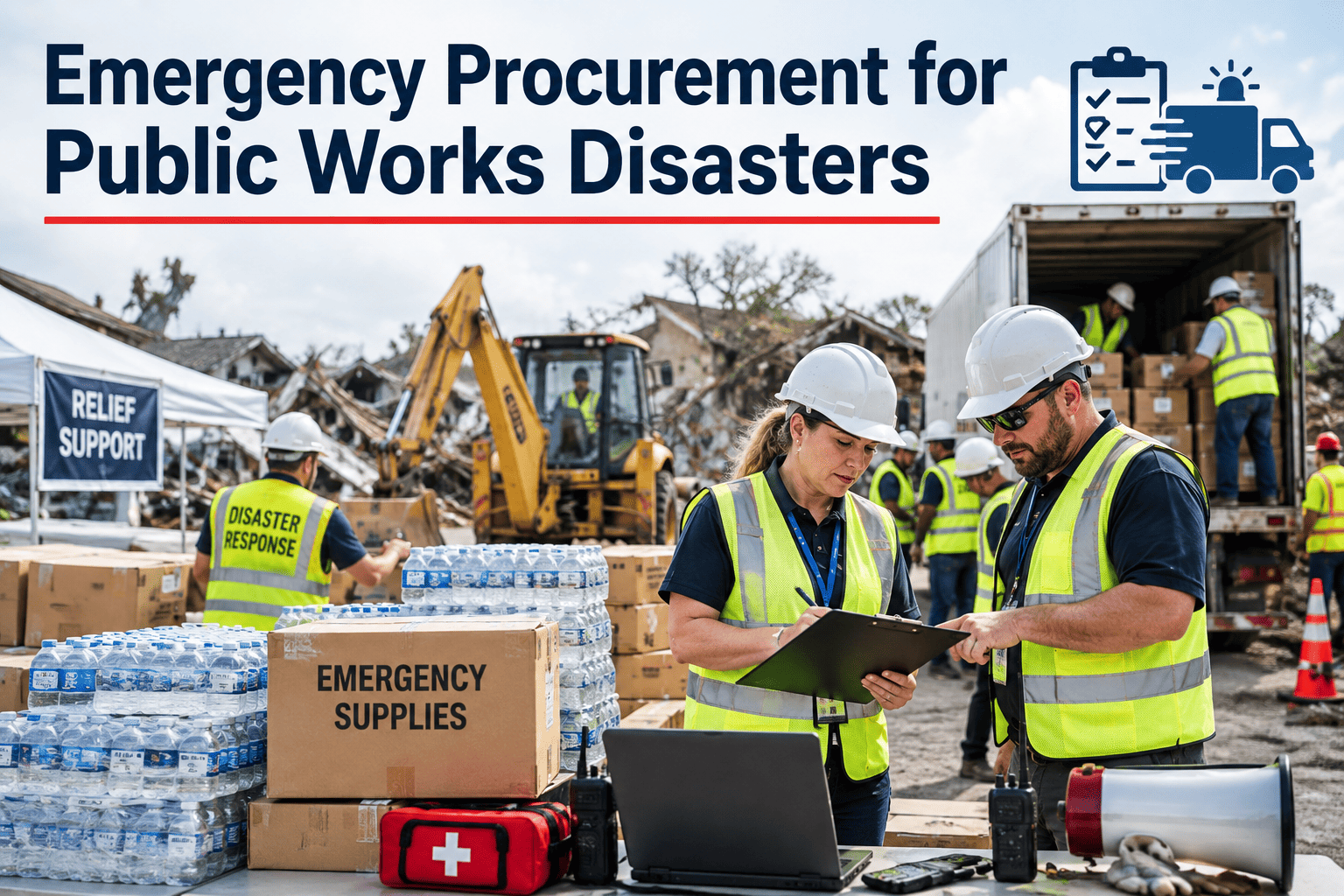
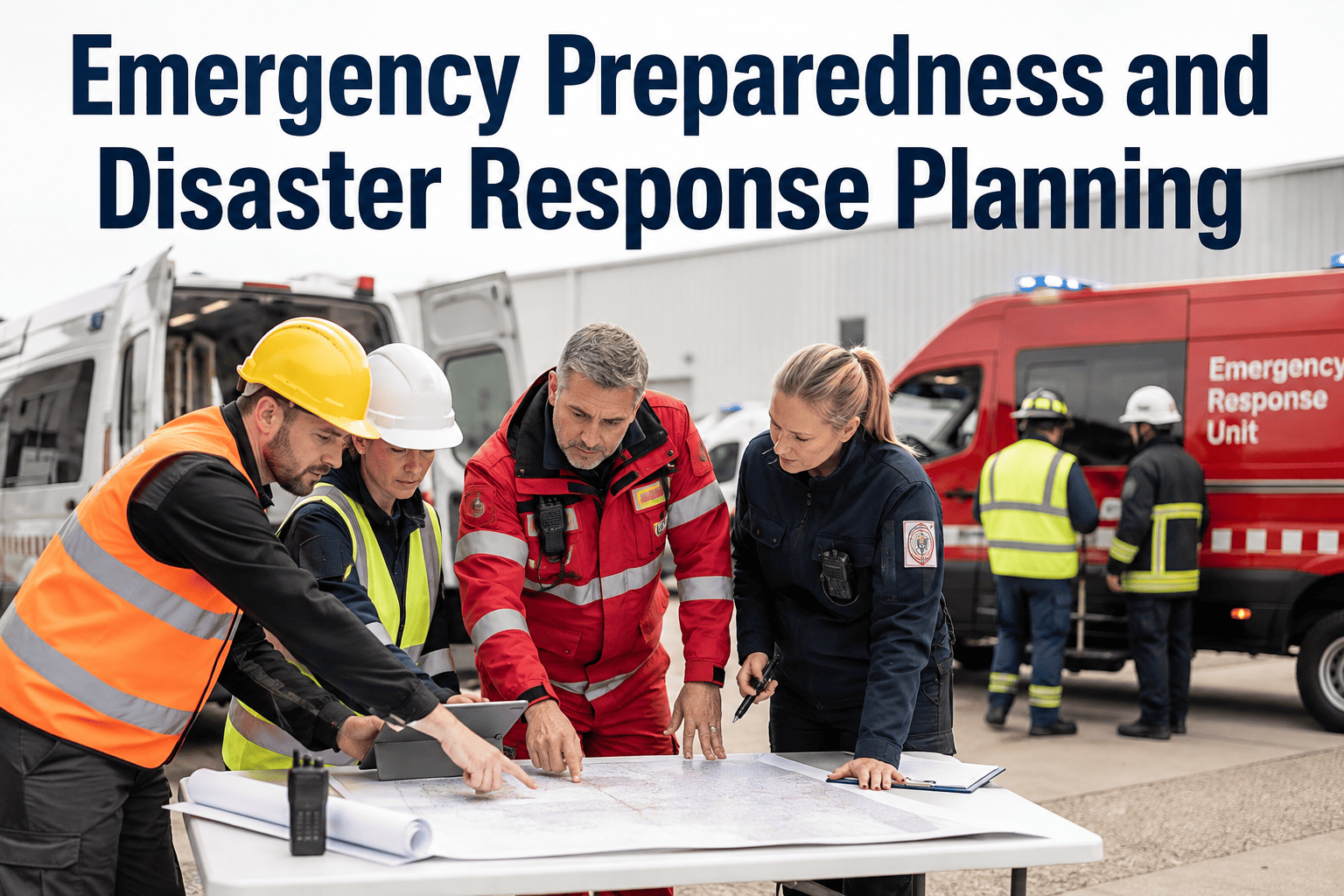
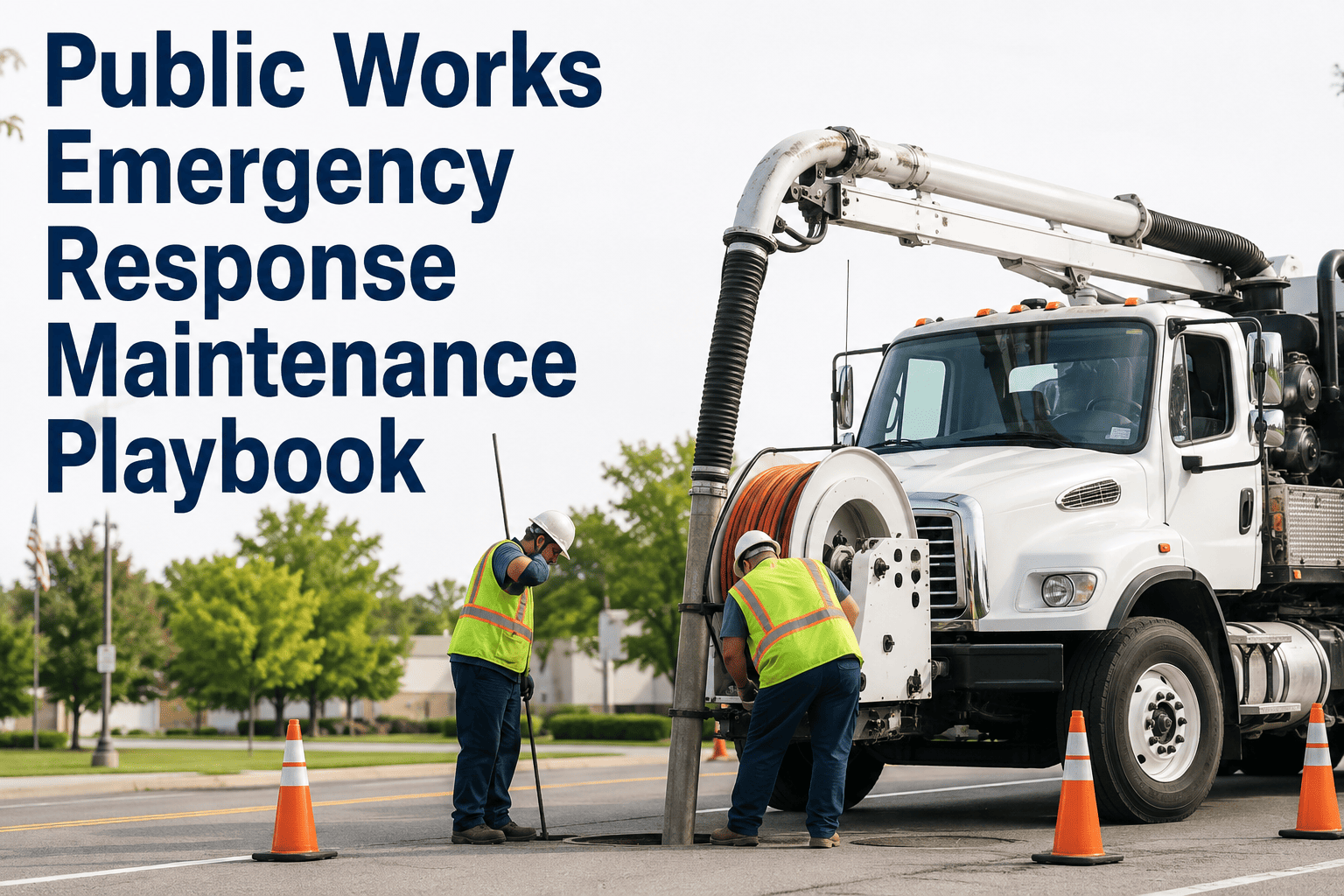
A major storm hits, flooding 12 square blocks and knocking out power to 3,400 homes. The Emergency Operations Center (EOC) is activated, but the whiteboard maps are already outdated. Calls flood in: "Where are the sandbags?" "Which roads are impassable?" "When will the power be back?" Meanwhile, the public works director is trying to coordinate three separate crews using radio and paper logs, unaware that a critical pump station is five minutes from failure because the telemetry system is on a different network. This is disaster response in the dark.
AI-assisted logistics platforms are changing this reality. By integrating real-time data from IoT sensors, fleet GPS, weather models, and citizen reports, modern EOCs can now predict resource needs before they become critical. Instead of reacting to calls, AI algorithms route crews to the most impactful repair sites, optimize sandbag distribution routes based on rising floodwaters, and provide a common operating picture that keeps every agency on the same page. This isn't science fiction; it's the new standard for resilient public safety operations. Start Free Trial.
Smart Disaster Response
AI-Assisted Emergency Logistics & Response
Optimize resource allocation, routing, and situational awareness with AI-driven platforms for public agencies
Traditional disaster response relies on human intuition and manual coordination. While experienced commanders are invaluable, they cannot process thousands of data points simultaneously. During a crisis, information overload leads to decision paralysis or suboptimal resource allocation. Sending a generator to a site that already has power while a hospital goes dark is a logistical failure driven by information gaps.
Anatomy of a Smart Response
How AI transforms data into life-saving decisions
AI Trigger
Predictive Hazard Modeling
T-Minus 24 Hours
Pre-positioning Assets
AI analyzes weather models and historical flood data to recommend staging areas for pumps and rescue boats.
T-Zero (Event Start)
Automated Dispatch
Sensors detect water levels; system auto-dispatches nearest available crews and notifies residents via app.
T-Plus 4 Hours
Dynamic Re-routing
AI identifies blocked roads from Waze/Google data and re-routes emergency vehicles in real-time.
T-Plus 24 Hours
Recovery Prioritization
Damage assessment data prioritizes cleanup based on critical infrastructure dependencies (hospitals, power, water).
Total Operational Benefit
Resilience
Faster response + optimized resources = lives and property saved
AI doesn't replace the incident commander; it empowers them. By automating routine logistics—like tracking fuel levels in generators or calculating drive times—AI frees up human decision-makers to focus on strategy and life-safety priorities. It turns a chaotic flood of information into a structured stream of actionable intelligence.
Core Capabilities of AI-Driven Logistics Platforms
Modern emergency logistics platforms integrate disparate data sources into a single pane of glass. This capabilities architecture ensures that public works, police, fire, and utility teams operate as a unified force rather than siloed entities.
AI Logistics Platform Capabilities
Essential features for modern emergency management
01
Predictive Resource Allocation
Algorithms forecast demand for sandbags, water, and shelters based on evolving incident data.
Forecasting
02
Dynamic Route Optimization
Real-time navigation that accounts for road closures, debris, and traffic congestion.
Routing
03
Automated Asset Tracking
IoT-enabled tracking of fleet vehicles, generators, and high-value equipment.
Asset Visibility
04
Volunteer Management
Digital check-in, skill matching, and assignment for spontaneous volunteers.
Personnel
05
Situational Dashboards
Unified map view combining weather, traffic, infrastructure status, and team locations.
Command & Control
⚙
Interagency Interoperability
Data sharing protocols that allow fire, police, and public works to see the same data.
Collaboration
From Reactive Chaos to Proactive Control
The transition to AI-assisted logistics is a fundamental shift in operational philosophy. Instead of waiting for a situation report to be radioed in, typed up, and walked to the commander's desk, the data flows instantly. This speed allows for proactive measures—like evacuating a neighborhood *before* the levy breaks because sensor data predicts an overflow in 30 minutes. Schedule a demo to see how real-time data transforms emergency response.
Traditional vs. AI-Assisted Response
Operational Metric
Traditional / Manual
Basic Digitization
AI-Assisted Platform
Situation Updates
Hourly/Daily briefings
Static digital maps
Real-time live feeds
Resource Routing
Fixed routes based on memory
GPS navigation
Dynamic, hazard-aware routing
Decision Support
Gut feeling & experience
Spreadsheet analysis
Predictive modeling & suggestions
Interagency Comms
Radio silos
Email & text chains
Unified collaborative workspace
Damage Assessment
Paper forms, weeks later
Mobile forms
Drone/Satellite AI analysis
35%Faster incident resolution
50%Less administrative overhead
100%Audit-ready documentation
Equip Your Agency for the Next Crisis
See how Oxmaint integrates AI logistics, asset tracking, and maintenance management into a single platform for resilient public operations.
While the primary goal of emergency response is saving lives, the fiscal impact of efficiency cannot be ignored. AI-driven logistics reduce fuel consumption, minimize overtime through better scheduling, prevent equipment loss, and substantiate FEMA reimbursement claims with precise data trails. For a mid-sized city, the efficiency gains can pay for the platform within a single major event.
Automated documentation ensures max eligible recovery
85% Recovery
98% Recovery
$50,000+ (Recovered)
Total Event Savings & Recovery
$100,000+
Per major event, plus intangible benefits of faster service restoration
Building the AI Roadmap: Data to Deployment
Adopting AI-assisted logistics is a journey. It begins with digitizing assets and ends with a fully predictive command center. The key is to start by building a clean data foundation—inventorying assets, defining workflows, and integrating existing sensor feeds.
Implementation Roadmap
Steps to AI-driven emergency readiness
01
Data Digitization
Catalog all fleet, equipment, and personnel data into the central platform.
02
Integration
Connect GPS feeds, weather APIs, and sensor networks (SCADA/IoT).
03
Baseline AI
Enable routing optimization and automated alerts for critical thresholds.
04
Training
Train EOC staff and field crews on digital tools and mobile apps.
05
Advanced Analytics
Activate predictive modeling for resource demand and hazard impact.
06
Continuous Optimization
Post-incident analysis feeds back into the model to improve future response.
Expert Perspective: Why AI is Essential
"
The speed of modern disasters—wildfires, flash floods, cyberattacks—has outpaced human cognitive processing speed. We can no longer rely on sticky notes and radio chatter. AI provides the 'operational brakes' that allow commanders to slow down the chaos, see the big picture, and make decisions based on probability and data, not just adrenaline. It's not about robots taking over; it's about giving our first responders the intelligence they need to stay safe and save lives.
— Emergency Management Technology Director
Force Multiplier
AI acts as a digital force multiplier, allowing smaller teams to manage larger incidents by automating routine coordination tasks.
Data Fusion
The ability to ingest weather, traffic, and sensor data simultaneously provides a level of situational awareness previously impossible.
Accountability
Digital logs create an indisputable record of actions taken, resources used, and timelines met—crucial for post-event analysis and funding.
Agencies that adopt AI-assisted logistics aren't just buying software; they are investing in community resilience. They are building a capacity to respond faster, recover sooner, and rebuild smarter. Schedule a consultation to modernizing your emergency operations.
Transform Your Emergency Response
Join forward-thinking agencies using Oxmaint to integrate AI logistics, asset management, and real-time situational awareness. Be ready when the next crisis strikes.
AI routing algorithms ingest real-time traffic data (like Waze/Google Maps), road closure reports from field crews, and flood sensor data to calculate the safest and fastest paths. Unlike standard GPS, it accounts for vehicle size (e.g., fire trucks), hazard avoidance, and prioritization of emergency assets over civilian traffic. It can dynamically reroute units mid-transit if conditions change, ensuring crews don't drive into flooded streets or gridlock.
Is cloud-based software safe for emergency operations?
Yes, modern cloud platforms (SaaS) are often more resilient than on-premise servers which can be damaged by the disaster itself (flood, power loss). Cloud providers offer geo-redundancy, meaning data is backed up across multiple physical locations. Additionally, they provide mobile access, allowing EOCs to be established anywhere with an internet connection, rather than being tethered to a physical building. Security protocols like encryption and MFA protect sensitive operational data.
Can this integrate with our existing CAD (Computer Aided Dispatch) system?
Most modern AI logistics platforms offer API integrations. While CAD systems focus on taking 911 calls and initial dispatch, logistics platforms like Oxmaint handle the extended lifecycle of the event—resource tracking, maintenance support for deployed assets, and long-term recovery logistics. Integrating the two provides a complete picture: CAD handles the "alert," while the logistics platform handles the "sustainment" and "response" logistics.
Does AI replace the Incident Commander?
No. AI is a decision-support tool. It processes data to provide recommendations and situational awareness, but the Incident Commander (IC) retains authority. AI might suggest "Deploy 500 sandbags to Sector A based on flood models," but the IC makes the final call based on strategic priorities and human nuance. AI removes the "fog of war" caused by lack of information, allowing the IC to make better, faster decisions.
What is the learning curve for these systems?
User experience is critical in emergency software. Modern platforms prioritize intuitive interfaces similar to consumer apps. Field crews typically need minimal training to use mobile apps for status updates and navigation. EOC staff require more in-depth training on dashboards and analytics. A phased rollout (as outlined in the roadmap) ensures teams build proficiency during blue-sky days so they are ready when gray-sky days arrive.