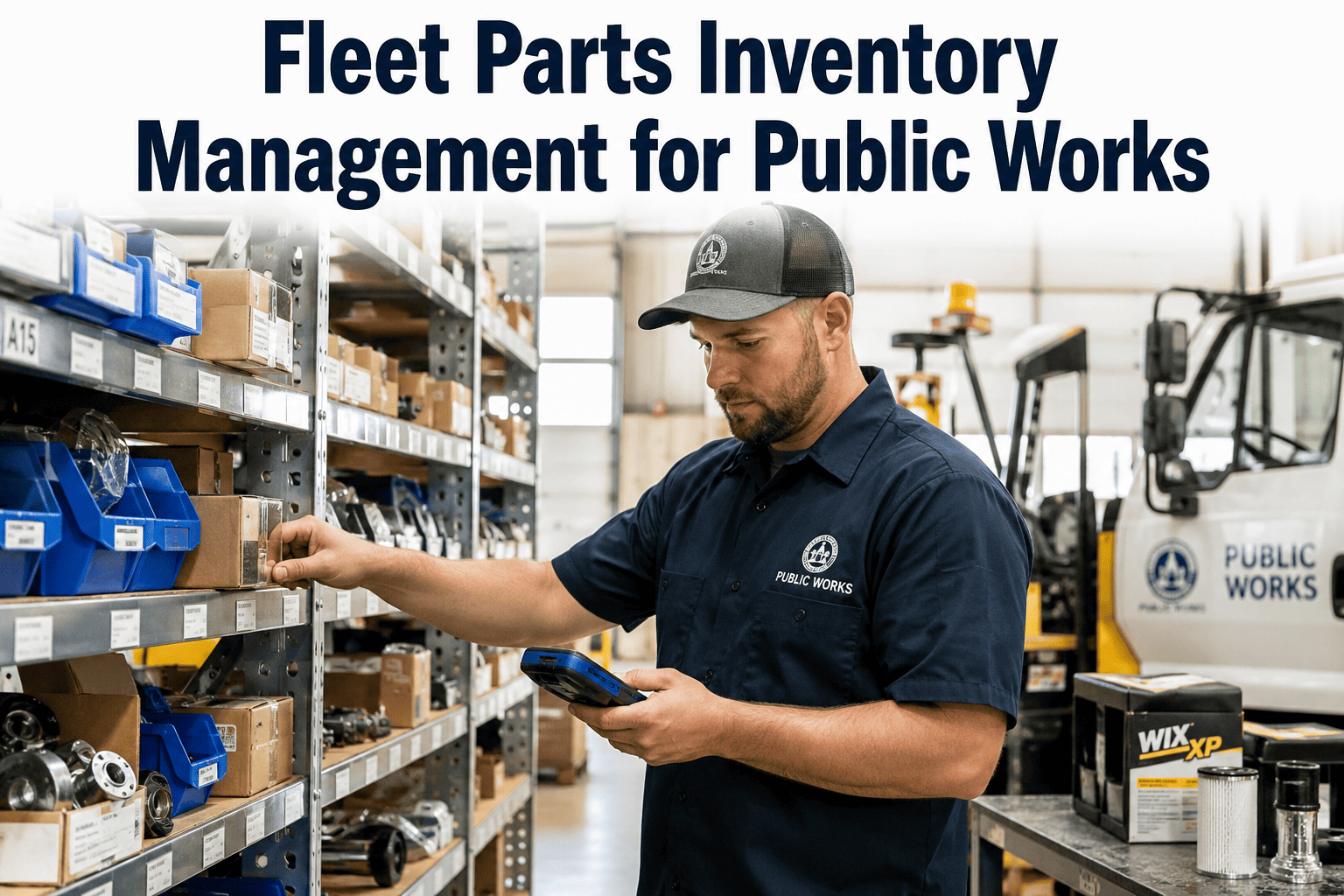
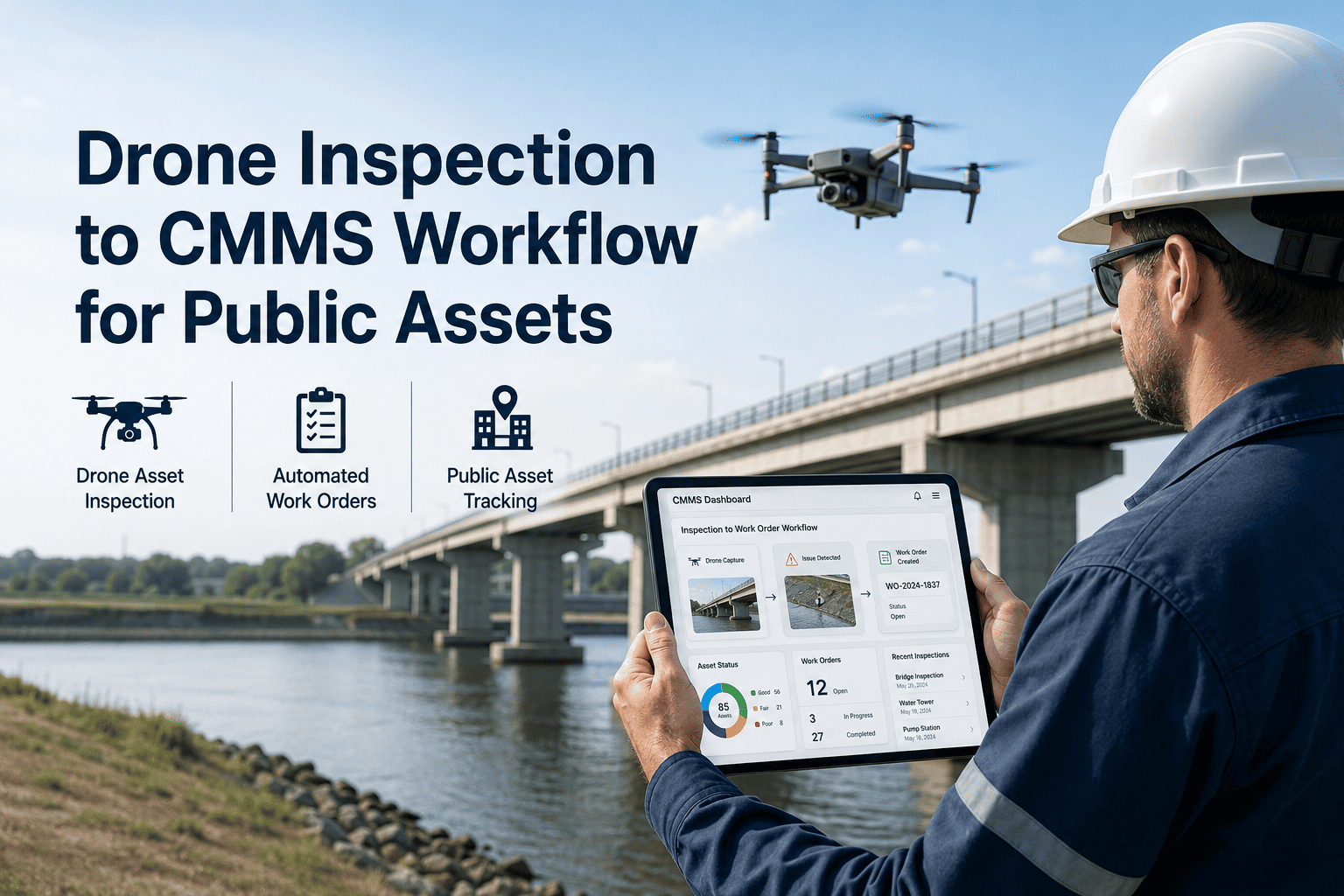
Every minute your bridge inspection team spends waiting for parts or fillingout requisition forms is a minute not spent ensuring public safety. In bridge maintenance, downtime isn't just an operational inefficiency—it's a liability risk. When a critical component like a rocker bearing or expansion joint needs replacement, a delayed part can mean extended lane closures, increased traffic congestion, and compromised structural integrity. Yet, many public works departments still rely on paper-based request forms and manual inventory checks, creating bottlenecks that can delay repairs bydays or even weeks.
This guide outlines a digital demand parts workflow specifically designed for bridge inspection teams. By streamlining the request-to-fulfillment process, agencies can reduce administrative overhead, improve inventory accuracy, and ensure that critical repair materials are available exactly when needed. Start your free trial today.
Why Your Current Parts Process Is Failing
Traditional parts requisition in public works is often a maze of paper forms, emails, and phone calls. An inspector identifies a worn bearing, writes a note, drives back to the yard, fills out a form, and hands it to a supervisor. The supervisor approves it (eventually), hands it to purchasing, who then checks inventory or places an order. This linear, manual process is prone to errors—wrong part numbers, lost forms, and lack of visibility into order status. Meanwhile, the bridge repair is on hold.
Modernizing this workflow means empowering inspectors to request parts directly from the job site using mobile devices. By integrating parts requests into the inspection workflow, you eliminate data entry errors, speed up approvals, and ensure the right parts are waiting when the repair crew arrives. Teams struggling with these delays can connect with workflow specialists to streamline their operations.
The Digital Parts Workflow Framework
A successful demand parts workflow integrates inventory management, mobile access, and automated approvals. It transforms a disjointed, multi-step paper process into a seamless digital experience. This framework is proven to reduce administrative time by 50% and parts wait time by 40%.
Common Bridge Components: A Digital Catalog
A key challenge in bridge maintenance is the specificity of parts. "A bearing" isn't enough information. Digital catalogs allow inspectors to select from standardized lists of components specific to bridge types, ensuring the correct specification is ordered every time.
By standardizing part descriptions and linking them to approved vendors, agencies reduce the risk of ordering incorrect materials. This is especially critical for specialized items like expansion joint seals where dimensions must be exact. Teams looking to implement a digital parts catalog can schedule a consultation to discuss inventory setup.
Expert Review: The Case for Digital Parts Management
"The biggest delay in bridge repair often isn't the work itself—it's getting the right materials to the site. Moving from paper requisitions to a mobile-integrated parts workflow eliminates the 'black hole' of procurement. Inspectors know instantly if a part is in stock, and purchasing gets clear, photo-verified requests. It connects the field to the warehouse in real-time."
Your 30-Day Implementation Roadmap
Implementing a digital parts workflow is a low-risk, high-reward initiative. Most agencies can transition from paper to digital requests within a few weeks, starting with high-volume consumables and critical spares.
Conclusion: Efficiency Equals Safety
In bridge maintenance, efficiency isn't just about saving money—it's about maximizing the time your team spends maintaining critical infrastructure. Every hour wasted chasing parts or filling out forms is an hour not spent inspecting or repairing a bridge. By digitizing the demand parts workflow, public works departments can reclaim thousands of hours of productivity, reduce the risk of stockouts for critical components, and ensure that repairs happen faster. The technology to streamline this process exists and is proven. The only question is how much longer you can afford to rely on paper.