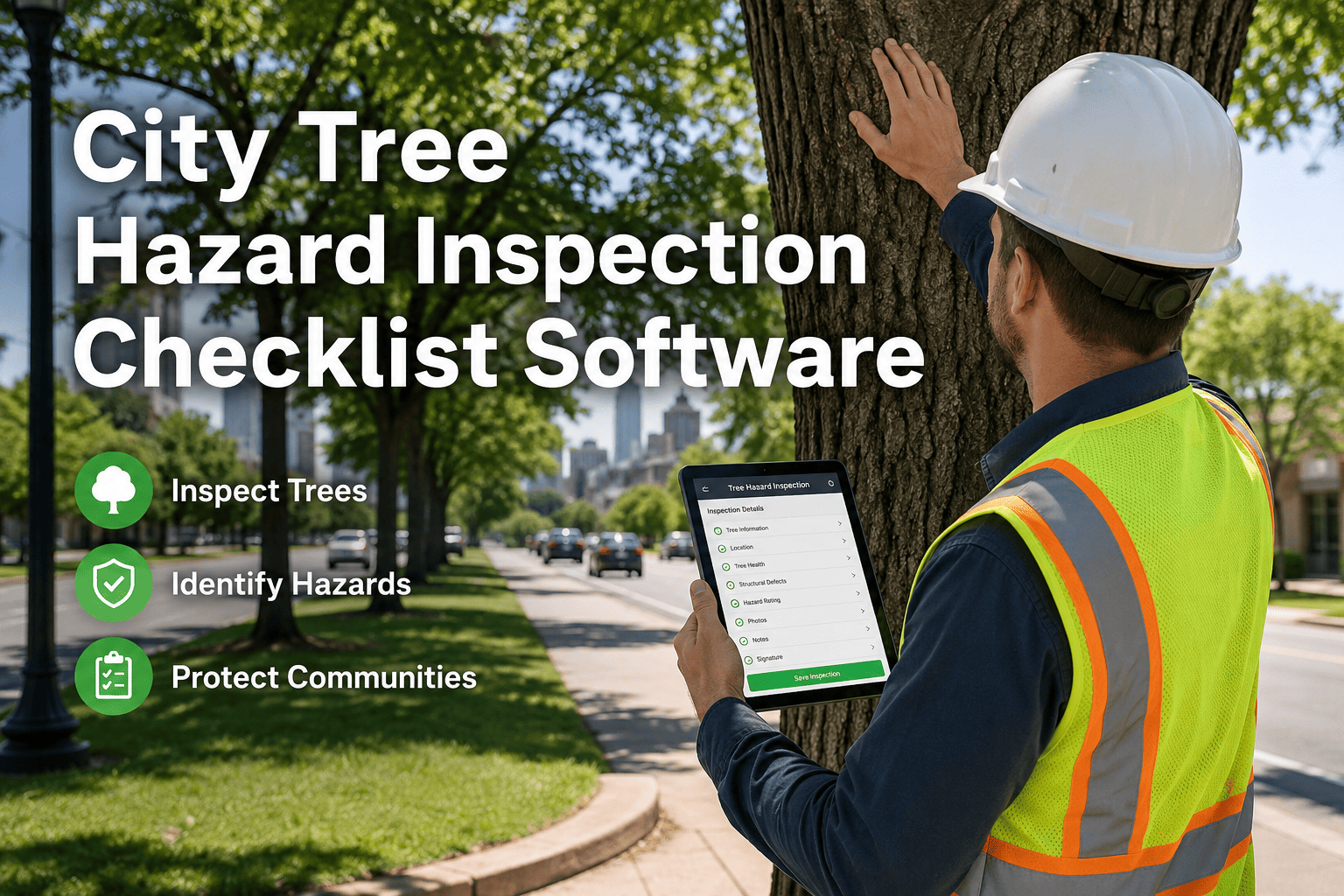
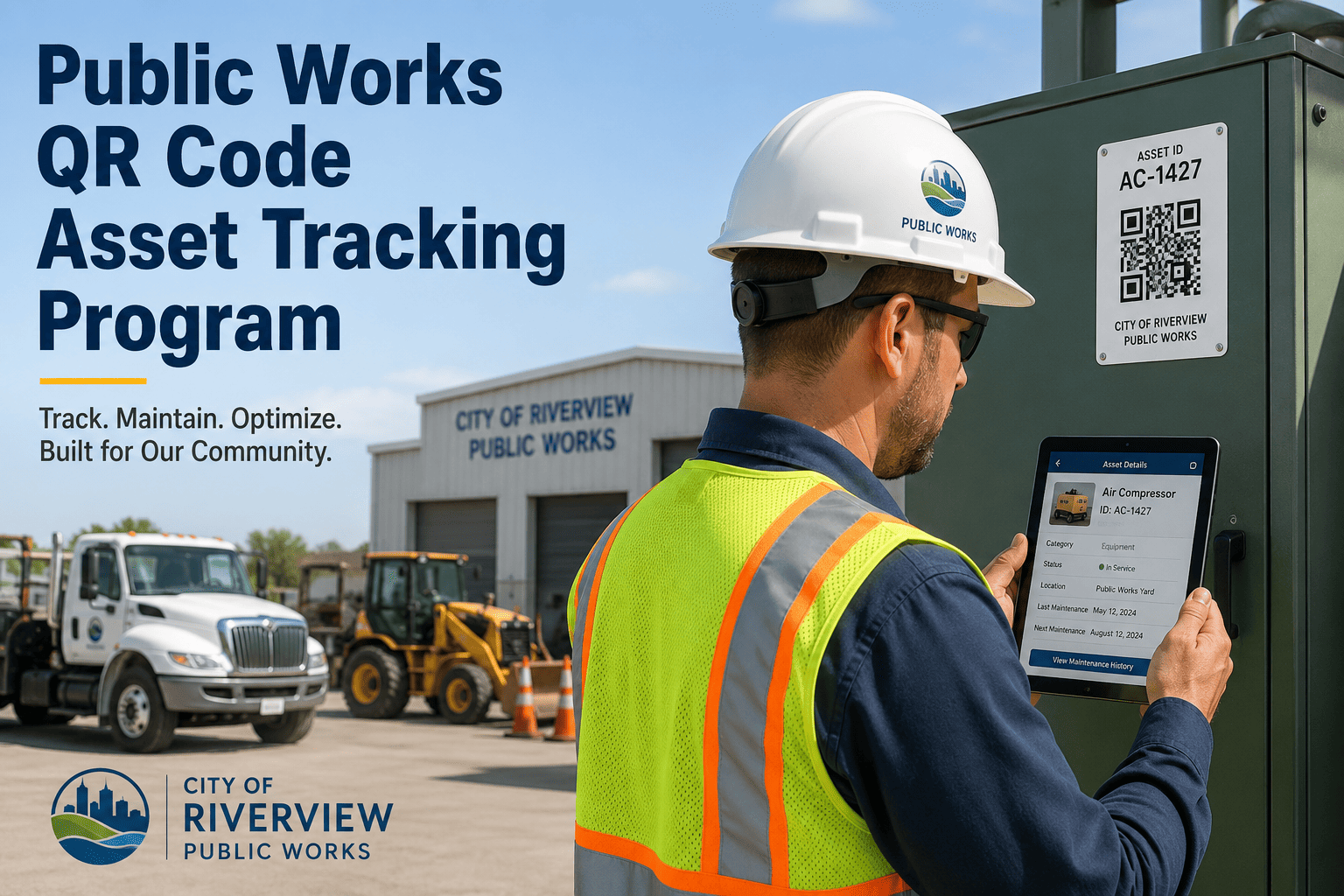
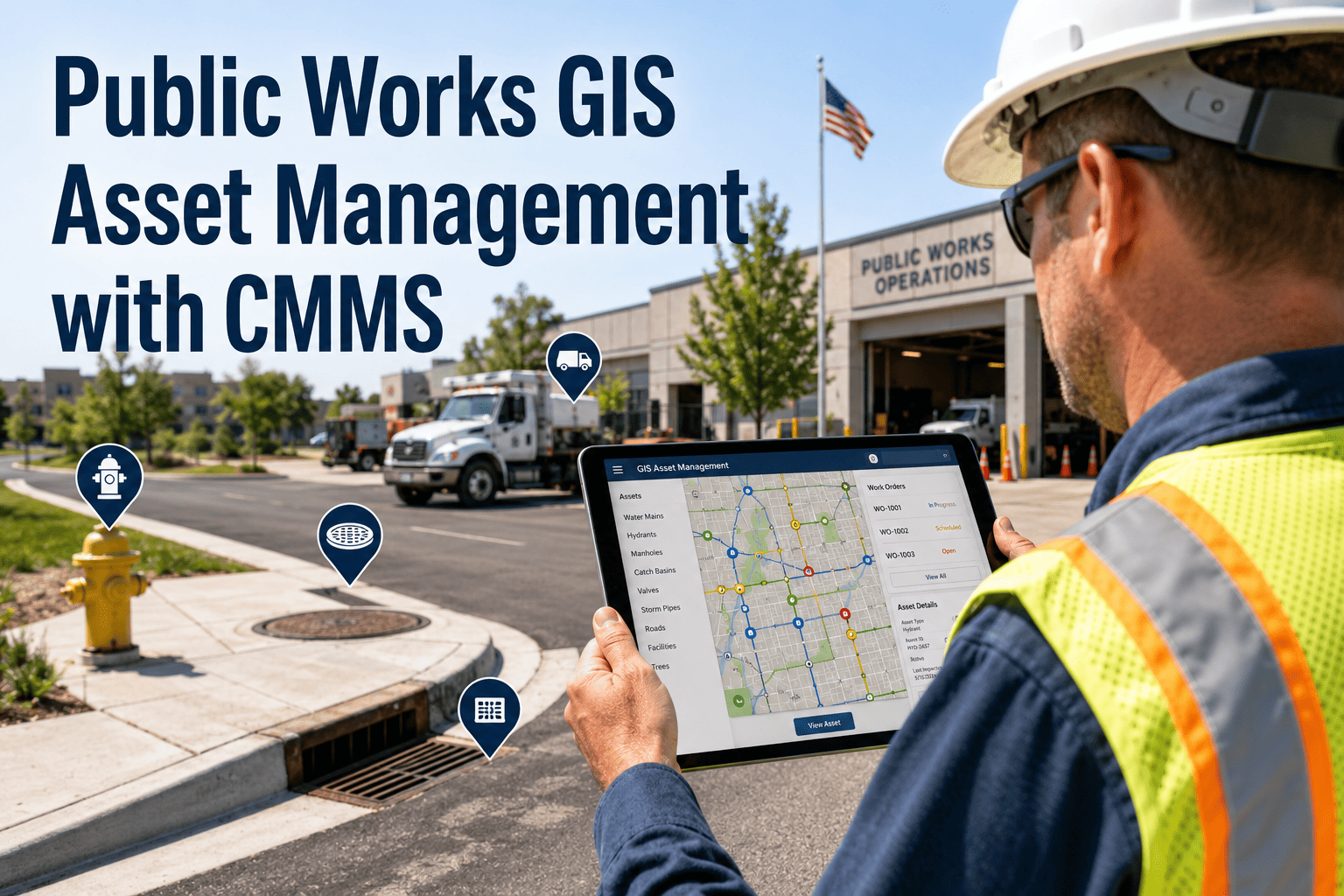
Urban trees are a public asset — but without documented inspection cycles, they become a liability that courts have consistently ruled falls on the municipality. A single failure event involving a city-maintained tree has resulted in verdicts exceeding $1.8 million in U.S. courts, and the primary defence that protects cities is a timestamped, photographed inspection record showing due diligence. OxMaint's mobile CMMS platform equips urban forestry teams with digital checklists aligned to ISA TRAQ and ANSI A300 Part 9 standards, converting paper-based rounds into audit-ready asset histories that hold up under legal scrutiny. Whether your team manages 2,000 street trees or 50,000, this checklist covers every inspection zone your arborists must document each cycle.
ISA Risk Rating Framework
LOW
Monitor annually — no immediate action
MODERATE
Schedule corrective work within 90 days
HIGH
Priority work order within 30 days
EXTREME
Immediate removal or barricade required
Why Documentation Is Non-Negotiable
$1.8M
Court verdict in a single U.S. tree failure case
100K+
Forestry service requests NYC Parks handles annually
3 Zones
ISA TRAQ inspects: roots, trunk, crown
Annual
Minimum inspection frequency for park and street trees
Zone A
Root Collar & Base Assessment
Root collar visibility is the first question in every ISA TRAQ Level 2 form. A buried root collar conceals where structural decay most commonly begins, and its absence from an inspection record is a red flag during legal review.
Root collar visible and accessible
Confirm root collar is not buried by soil, mulch, or pavement. Document with ground-level photo. Buried collars prevent structural decay detection.
Standard: ISA TRAQ Level 2 · Record: Asset photo log
Stem girdling roots present
Inspect for roots circling the base that compress the trunk — a leading cause of structural failure in street trees. Flag for root collar excavation if suspected.
Standard: ANSI A300 Part 9 · Record: Defect observation form
Root zone soil conditions
Check for soil compaction, pavement coverage exceeding one-third of root zone, or excavation damage near the drip line. Score per ISA rating scale 1–5.
Standard: ISA TRAQ · Record: Site condition scoring sheet
Basal decay or fungal conks
Inspect for fungal fruiting bodies, soft wood, cracks, or hollow sounds at the base. Conks at the base indicate advanced internal decay and often require immediate action.
Standard: ISA TRAQ · Trigger: High-priority work order
Infrastructure damage from roots
Note pavement heaving, curb displacement, or utility conflicts caused by root growth. Document with geo-tagged photo for public works coordination.
Standard: Municipal code compliance · Record: Infrastructure conflict log
Previous wound or repair sites at base
Check condition of prior pruning cuts, cabling attachment points, or filled cavities at the base. Wound wood condition indicates structural integrity status.
Record: Asset history log · Role: Certified Arborist
Zone B
Trunk & Structural Integrity
The trunk is the primary load-bearing structure of the tree. Cracks, cavities, included bark, and co-dominant stems are the defect indicators most strongly correlated with sudden failure, particularly during storm events.
Cracks — vertical, horizontal, or shear
Photograph all crack orientations. Shear cracks indicate previous or ongoing failure. Longitudinal cracks at branch unions are a critical defect indicator under ISA guidance.
Standard: ISA TRAQ Level 2 · Trigger: Work order within 30 days if High
Trunk cavities and decay pockets
Probe cavities with a mallet for hollow sound. Measure cavity dimensions as a ratio of trunk diameter. Cavities exceeding one-third of trunk diameter are high-risk indicators.
Standard: ANSI A300 Part 9 · Record: Decay assessment form
Co-dominant stems with included bark
Identify co-dominant leaders with bark included in the union — a leading structural weakness. Document location, height, and diameter of each stem for cabling assessment.
Standard: ISA TRAQ · Record: Structural defect log
Trunk lean — direction and degree
Note lean direction relative to targets. Sudden lean change indicates root failure. Measure degrees of lean and compare with asset history records from prior inspections.
Record: Asset comparison log · Role: Urban Forester
Bark abnormalities and cankers
Inspect bark for cankers, swelling, resinous bleeding, or sloughing. These are entry points for wood-decay pathogens. Document species-specific context in asset record.
Standard: ISA BMP · Record: Health observation log
Existing cable, brace, or hardware condition
Inspect installed cables and braces for embedment in bark, fraying, or corrosion. Embedded hardware indicates the tree has grown around a structural support — re-assess load rating.
Standard: ANSI A300 Part 3 · Record: Support system inspection form
OxMaint for Urban Forestry
Turn Field Inspections into Defensible Asset Records
Each checklist item above maps to a timestamped, geo-tagged digital record in OxMaint. Findings instantly become work orders. No paper trails. No rekeying. Full audit history per tree asset.
Zone C
Crown, Branches & Canopy
The crown is where most failure events originate in terms of visible warning signs. Dead branches, hanging limbs, and asymmetric canopy loading create the conditions that cause sudden partial or whole-tree failure.
Dead or hanging branches (widow-makers)
Identify dead branches over pathways, roads, or structures. Dead branches retained in canopy — known as widow-makers — are among the most frequently cited hazard conditions in municipal inspections.
Standard: ISA TRAQ · Trigger: Immediate work order if over target
Broken or cracked branches still attached
Hanging branches that have partially failed but remain attached — called lion-tailing or storm debris — should be flagged with target area and approximate size for priority queuing.
Standard: ISA BMP · Record: Crown defect log
Crown dieback — percentage and distribution
Estimate percentage of crown showing dieback. Uniform dieback may indicate systemic issues. Localised dieback concentrated on one side often signals root or trunk problems on that aspect.
Standard: ANSI A300 · Record: Crown health assessment form
Utility line conflicts
Note branches within or growing into utility clearance zones. Coordinate with utility provider protocols — document conflict type, phase line proximity, and recommended action for interagency work order.
Record: Utility conflict form · Role: Urban Forester / Utility Liaison
Pest and disease signs — crown level
Document visible signs of emerald ash borer, Dutch elm disease, oak wilt, or other species-specific pathogens. Early detection at crown level prevents population-scale loss in the urban forest.
Record: Pest and disease observation log · Role: Urban Forester
Crown clearance from structures and signs
Verify sight line clearance at intersections, signal visibility, and structural clearance from buildings. Poor crown clearance is cited in traffic safety incidents and creates legal exposure separate from tree failure liability.
Standard: Municipal traffic safety codes · Record: Clearance survey log
Zone D
Site Conditions
Soil compaction and drainage issues
Note standing water, hardpan, or compaction from vehicle encroachment
Proximity of construction activity
Flag trees within excavation or heavy equipment zones — root damage is not immediately visible
Vandalism or physical damage to bark
Document girdling damage, weed whip scarring, or vehicle strikes with photos
Signage and lighting attachment damage
Check for fasteners, wire attachments, or sign hardware embedded in trunk
Mulch volcano condition at base
Excessive mulch piled against trunk traps moisture and promotes crown rot at the collar
Zone E
Target Assessment
Pedestrian target zone — occupancy
Sidewalks, bus stops, benches — rate occupancy frequency: rare, occasional, frequent, or constant
Vehicle target zone — traffic volume
Roadways, parking, bike lanes — document average daily traffic class for risk rating calculation
Structure target zone — occupancy status
Note occupied vs unoccupied buildings — occupied structures significantly elevate consequence score
Utility infrastructure in failure zone
Power lines, transformers, gas mains — identify and notify utility owner if failure zone overlaps
Final risk rating — Low / Moderate / High / Extreme
Apply ISA dual-matrix combining likelihood of failure and consequence to set work order priority
Performance Metrics
Urban Forestry KPIs Worth Tracking
Field Professionals on Urban Tree Risk
What Urban Forestry Teams Say About Digital Inspections
The single biggest liability gap I see in municipal forestry programs is the lack of defensible inspection records. If you cannot show a court the date, the photo, and the risk rating you assigned — you have no defence. Digital checklists that auto-timestamp and geo-tag each tree asset are the only way to close that gap at scale.
Certified Arborist & ISA TRAQ Qualified
Urban Forest Risk Management Consultant, Western U.S.
We inspected 6,400 street trees in one season after switching to a mobile CMMS. Paper rounds would have taken three times as long and the work orders still would have been sitting in an inbox. Having findings automatically convert to prioritised work orders changed how our crews responded — High-rated trees were actioned the same week they were flagged.
Urban Forestry Manager
Mid-size U.S. City Public Works Department
Many cities inspect at Level 1 for routine cycles and only escalate to Level 2 TRAQ assessments when a defect is flagged. That tiered approach works — but only if the Level 1 record is thorough enough to justify the escalation decision. A missed item at Level 1 is not just a data gap, it becomes a liability in litigation.
Director of Public Works
Municipal Government, Great Lakes Region
OxMaint Workflow
How OxMaint Handles a Tree Inspection Cycle
1
Assets Pre-loaded
Each tree in your inventory has a unique asset ID, species, location, and full inspection history accessible from the field app.
2
Inspector Assigned
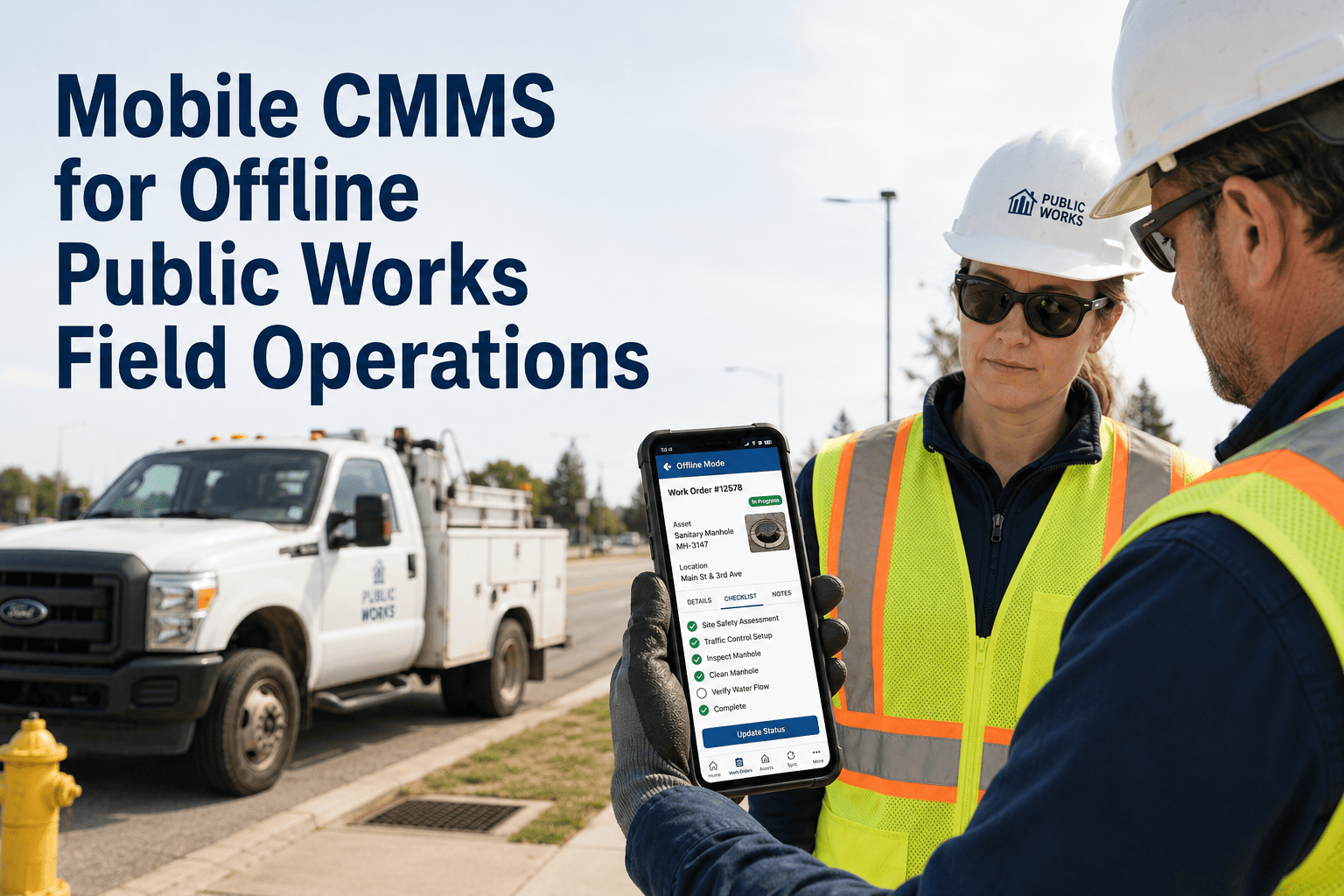
Named arborist or technician receives the inspection route on their mobile device — offline-capable for areas with poor signal.
3
Photo + Risk Rating
Inspector completes each zone item with a photo. Risk rating is selected — the form enforces ISA categories so ratings remain consistent across the team.
4
Auto Work Order
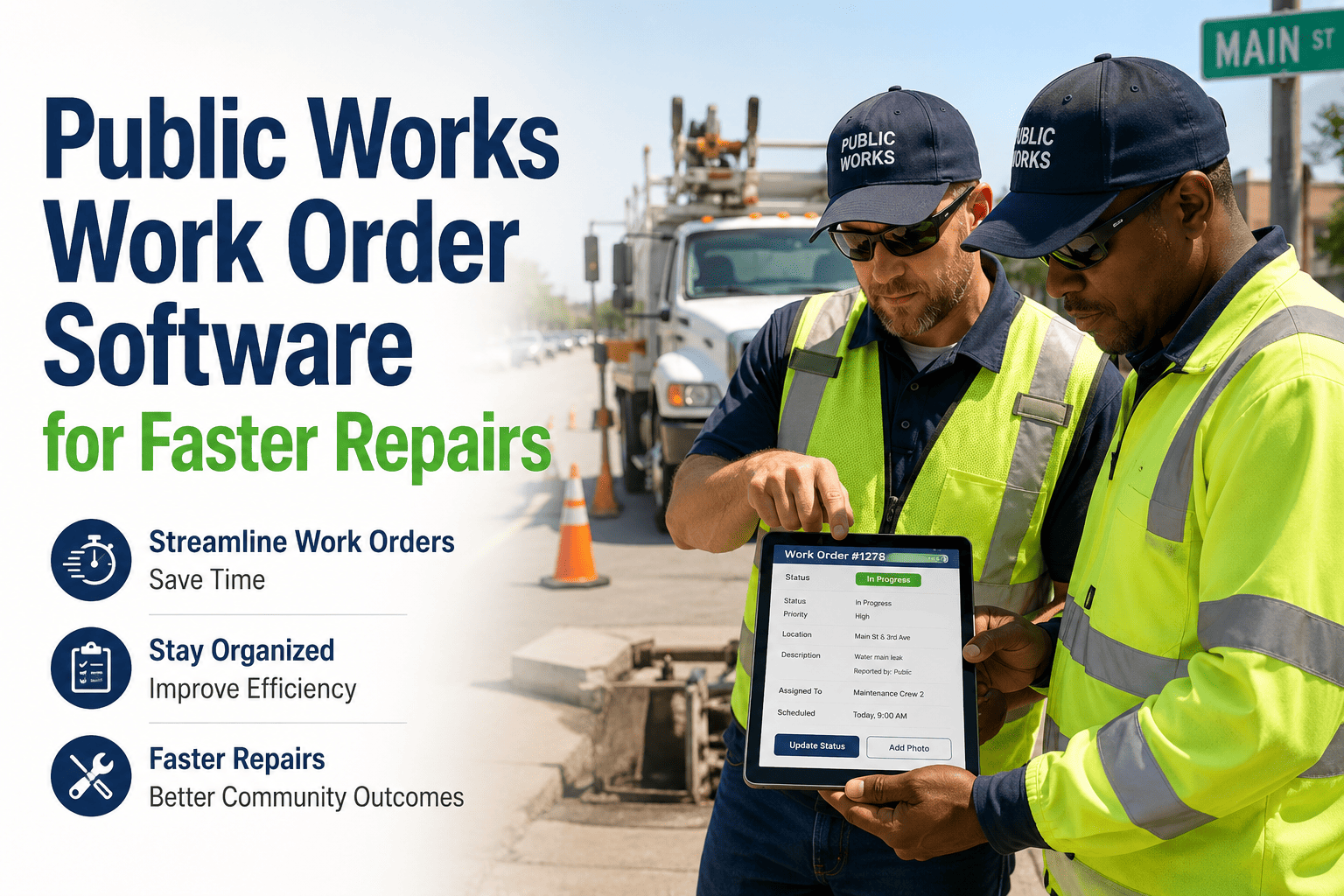
High and Extreme ratings auto-generate prioritised work orders, assigned to the correct crew with geo-location and full defect context.
5
Audit-Ready Report
Every inspection creates a timestamped, signed record in the tree's asset history — ready for legal review, council reporting, or grant documentation.
FAQs
Questions Urban Forestry Managers Ask
How often should city trees be inspected for hazards?
Street and park trees should undergo at minimum a Level 1 visual inspection annually — this is the standard cited by ISA best management practices and adopted by most U.S. municipalities with formal urban forestry programs. High-occupancy target zones such as busy pedestrian corridors may warrant semi-annual inspections. After storm events, a priority triage round should be completed within 48 hours.
OxMaint schedules inspection cycles automatically by risk rating and zone, so high-priority trees are never missed between cycles.
What is the legal standard for municipal tree inspection documentation?
Courts in the U.S. have consistently held that municipalities have a duty to inspect trees in their care periodically, and that documented inspection and documentation of follow-up action are the primary defence against liability claims. The inspection record must show the date, the inspector's identity, the defects observed, the risk rating applied, and the corrective action taken. Paper records that cannot demonstrate this chain of evidence have failed to protect municipalities in litigation.
Book a demo to see how OxMaint creates court-defensible records for every tree asset.
What is the difference between ISA Level 1 and Level 2 tree risk assessments?
A Level 1 assessment is a rapid visual screening — typically a walk or drive-by — conducted from a fixed perspective to identify obvious structural defects and flag trees requiring closer examination. A Level 2 assessment is a 360-degree ground-based inspection of all three zones (roots, trunk, crown) using the ISA TRAQ methodology, producing a formal risk rating of Low, Moderate, High, or Extreme. Most city forestry programs use Level 1 for annual cycle screening and escalate to Level 2 when a defect is flagged.
OxMaint supports both levels with configurable checklist templates for each.
Can OxMaint handle large urban tree inventories across multiple districts?
Yes — OxMaint is designed for multi-site, multi-crew operations and has been used by public works departments managing tens of thousands of assets across geographic zones. Each tree is a unique asset with its own inspection history, photos, work orders, and risk rating trend over time. District managers can view compliance dashboards for their zones while the urban forestry director has a city-wide view of inspection completion and outstanding High or Extreme risk items.
Book a demo to see the multi-district dashboard in action.
Every Uninspected Tree Is a Liability Waiting to Happen
See Tree Hazard Inspections Running in OxMaint
From ISA-aligned checklists to automatic work orders and audit-ready asset records — OxMaint gives your urban forestry team everything needed to inspect faster, document properly, and defend every decision.