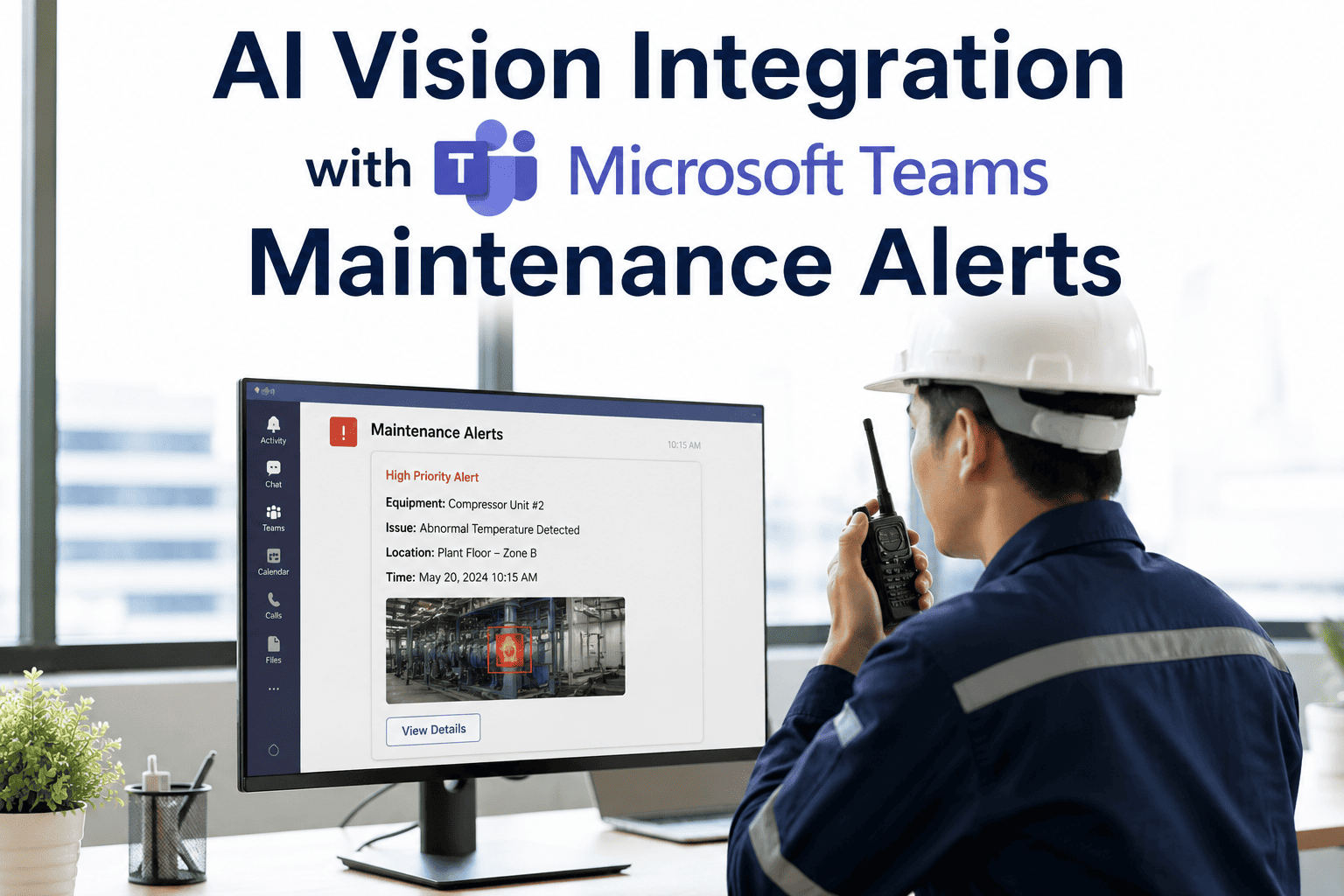
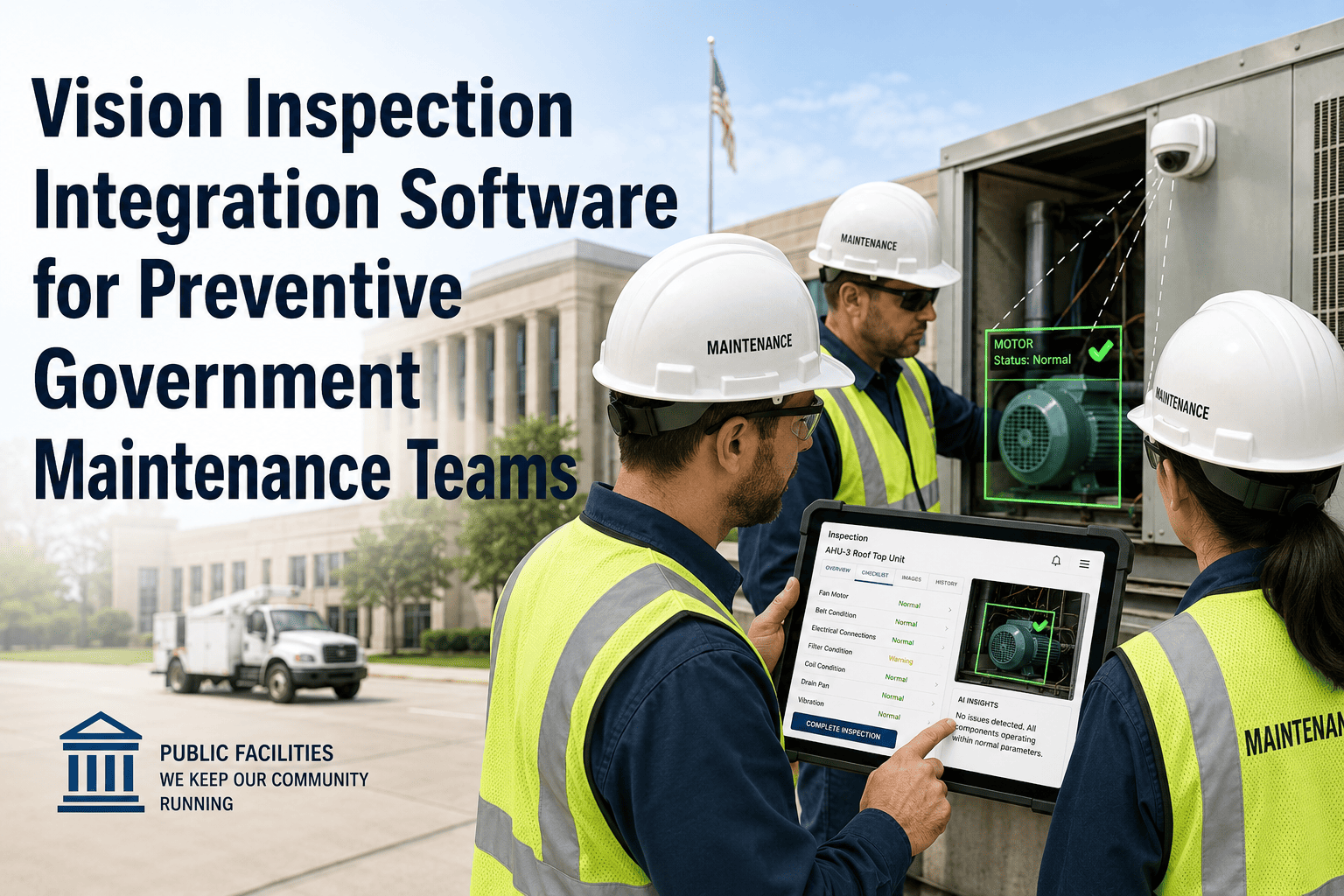
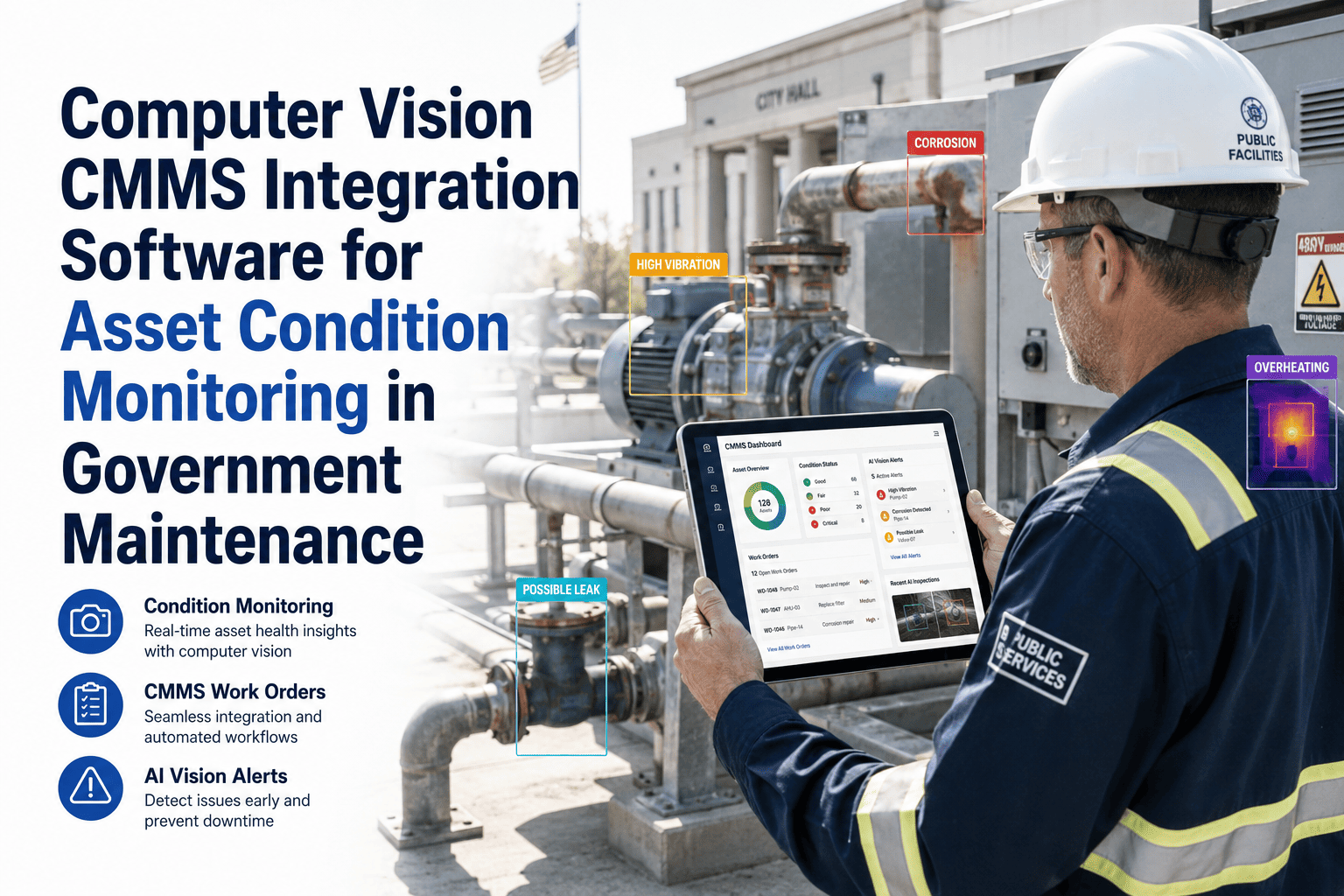
A fault that develops on a piece of equipment doesn't wait for someone to check a dashboard. By the time a cloud-routed alert reaches a dispatcher, several minutes can pass — long enough for a minor fault to become a forced shutdown. Edge cameras change that timeline by detecting and classifying the fault on the device itself, at the asset, before any network round trip is involved. Sign in to OxMaint to route edge camera fault alerts straight into dispatch, with the asset, severity, and location already attached. Book a demo to see a fault alert reach a technician's queue in seconds, not minutes.
The Latency Problem
Cloud-Routed Alerts vs. Edge-Detected Alerts
Cloud-Dependent Path
Image captured
Uploaded to server
Queued for analysis
Processed in cloud
Alert returned
150-200ms+ network latency, longer under load
Edge-Detected Path
Image captured & analyzed on-device
Fault classified locally
Alert dispatched instantly
Sub-200ms total, no round trip required
Published industrial edge-AI studies report fault-detection response times consistently under 150ms on edge hardware, against 150-200ms or more for cloud-routed inspection at the same task. Sign in to connect your edge cameras to OxMaint dispatch.
A Fault Detected at the Edge Is Only Useful If It Reaches a Technician Fast
OxMaint takes the fault classification your edge cameras already produce and turns it into a dispatched, assigned work order automatically.
Inside an Alert
What an Edge Camera Fault Alert Actually Carries
01
Fault Classification
What the on-device model identified — a thermal hotspot, a vibration anomaly, a visible leak or crack — assigned a confidence score at the point of detection.
02
Asset & Location Reference
The specific machine, line, or zone tied to the camera, so dispatch never has to ask "which one?"
04
Evidence Frame
The captured image or short clip attached to the alert, giving the responding technician visual context before they even arrive.
Dispatch Reference
How Fault Type Determines Dispatch Speed
| Fault Signal |
Typical Cause |
Dispatch Action |
Response Window |
| Thermal hotspot |
Overheating motor, bearing, or electrical connection |
Immediate technician dispatch |
Minutes |
| Vibration anomaly |
Misalignment, imbalance, early bearing wear |
Priority work order, same shift |
Within shift |
| Visible leak or fluid pooling |
Seal failure, hydraulic line damage |
Immediate dispatch + containment alert |
Minutes |
| Surface crack or corrosion |
Material fatigue, environmental exposure |
Scheduled inspection work order |
Next planned cycle |
Routing rules shown are typical starting configurations. Book a demo to map your fault types to dispatch priorities.
Expert Review
A Practitioner's Perspective
"
The shift to edge processing changed what's actually achievable in maintenance dispatch. We used to measure alert-to-technician time in minutes because everything had to round-trip through a server. Now the detection happens on the camera itself, and the only delay left is how well your dispatch system handles the handoff. Most plants still lose that gained speed because the alert lands in an inbox instead of a work order — that integration gap is where the real value is sitting unclaimed.
Frequently Asked
Questions Maintenance Teams Ask About Edge Alert Integration
Does OxMaint require a specific brand of edge camera or AI hardware?
OxMaint accepts structured fault alerts from edge AI devices over standard protocols, so it works alongside the camera and inference hardware your team already has in place rather than requiring a hardware swap.
Sign in to connect your existing edge devices.
What happens if the network is down when an edge camera detects a fault?
Because classification happens on the device itself, the fault is still detected and logged locally during an outage. Alerts queue and sync to dispatch the moment connectivity returns, so nothing is silently lost.
Book a demo to see offline-to-online alert handling.
Can we control which fault types trigger an immediate dispatch versus a logged ticket?
Yes. Severity and fault-type rules are fully configurable, so critical signals like overheating or fluid leaks dispatch immediately while lower-severity signals queue into routine maintenance.
Sign in to configure your dispatch rules.
How does dispatch know which technician to assign for a given fault?
Assignment rules combine fault type, asset location, and technician skill or zone coverage, so the alert routes to whoever is positioned and qualified to respond rather than going to a general queue.
Book a demo to see assignment logic for your team.
Close the Gap Between Edge Detection and Technician Response
OxMaint connects your edge camera fault alerts directly to dispatch, so the speed your hardware already gained at the point of detection isn't lost at the handoff.