Emergency Response Asset Preparedness: Checklist for Parks Departments
By Alastair Cook on December 14, 2025
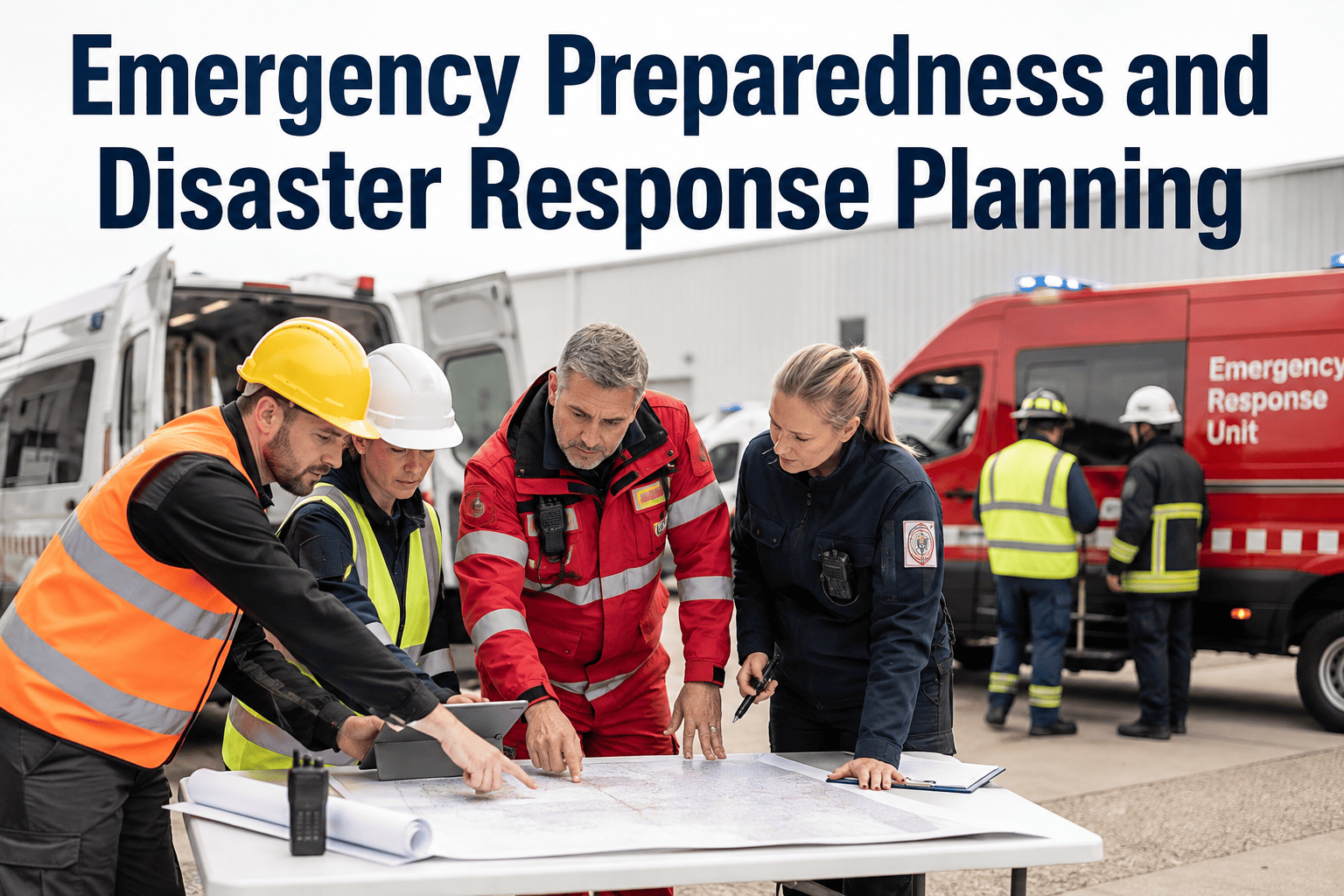
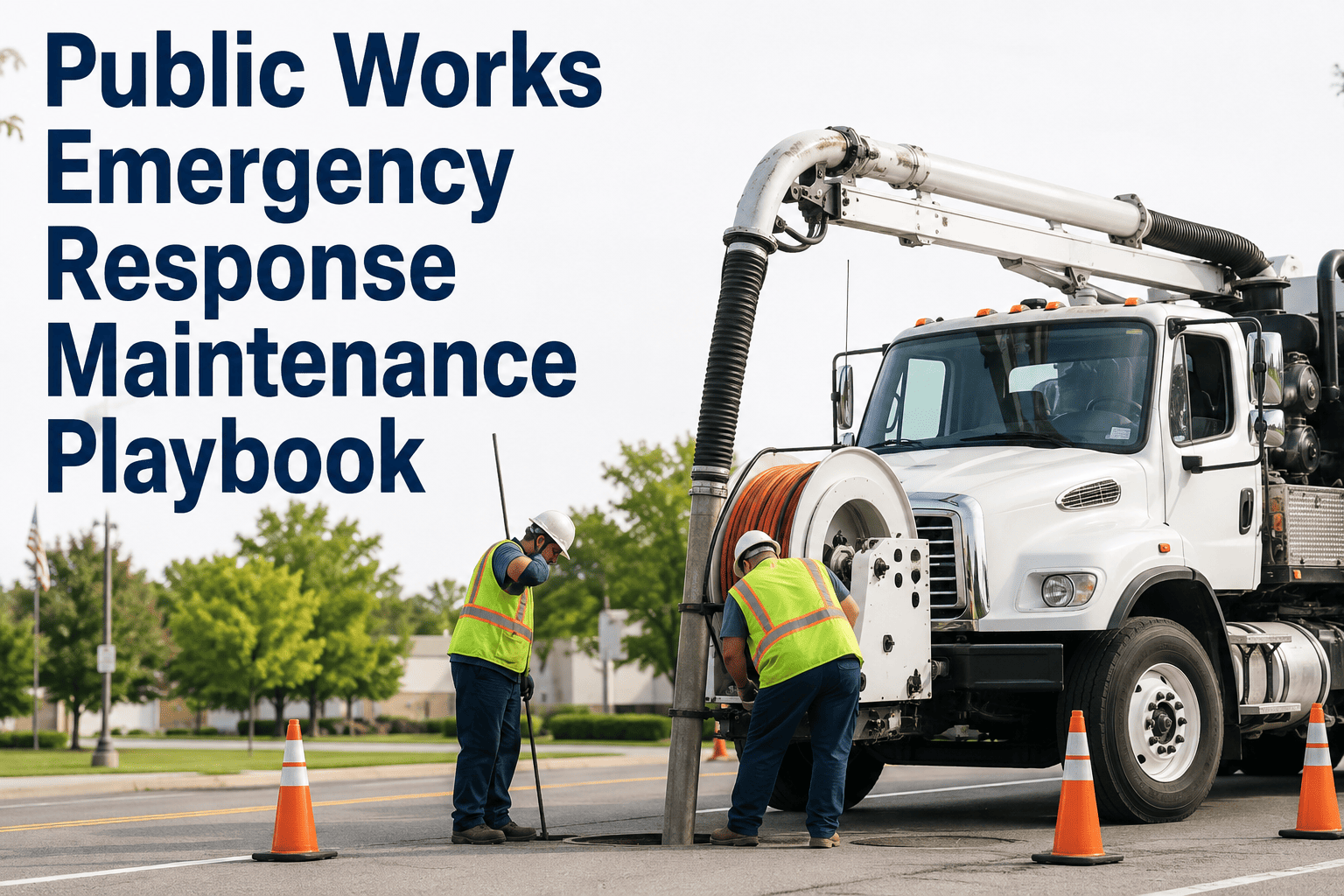
When a tornado warning sends hundreds of park visitors scrambling for shelter, the pavilion you're directing them to better be structurally sound. When flash floods inundate your parks, drainage equipment needs to work immediately. When heat waves create emergency cooling center demand, your facility generators can't fail. Yet many parks departments discover critical equipment vulnerabilities only during emergencies—when failures endanger public safety and expose municipalities to devastating liability.
This guide provides parks and recreation directors with comprehensive emergency preparedness checklists covering critical assets, predictive maintenance strategies, and standard operating procedures that ensure facilities remain operational when communities need them most. Departments ready to implement emergency-focused asset management can start building their parks emergency preparedness system today.
Why Parks Assets Become Critical During Emergencies
Parks infrastructure transitions from "nice to have" to "life-saving essential" within hours when emergencies activate. Understanding this dual-purpose role drives different maintenance priorities than typical parks operations.
Parks Facilities Emergency Activation Scenarios
Emergency Shelters
Activated During: Hurricanes, floods, tornadoes, wildfires, building evacuations
Critical Systems: Backup generators, HVAC, restrooms, water systems, lighting
Capacity: Shelters often house 200-1,000+ residents for 3-7 days
Failure Impact: Shelter closures force vulnerable populations into unsafe conditions
Cooling/Warming Centers
Activated During: Heat waves, power outages, winter storms
Critical Systems: Climate control equipment, backup power, water fountains
Capacity: Centers serve 50-300 people daily during extreme weather
Critical Systems: Parking lot lighting, vehicle access, storage facilities
Capacity: Sites distribute food, water, medical supplies to thousands
Failure Impact: Distribution delays, public safety risks, community access issues
Don't wait for emergencies to expose parks infrastructure vulnerabilities. Implement systematic inspections and predictive maintenance ensuring facilities ready for immediate emergency activation.
Critical Parks Assets Emergency Preparedness Checklist
Emergency preparedness requires different inspection priorities than routine parks maintenance. This checklist focuses on assets critical to life-safety functions during disasters.
Inspection: Daily during high-use, Weekly comprehensive
Predictive Maintenance for Parks Emergency Assets
Moving from reactive repairs to predictive monitoring ensures critical equipment operational when emergencies strike. IoT sensors and condition monitoring identify problems weeks before failures occur.
High-Impact Predictive Maintenance Strategies
1
Generator Performance Monitoring
Install IoT sensors tracking battery voltage, fuel levels, runtime hours, and automatic start test results. Alerts trigger when any parameter indicates developing problems—preventing shelter generator failures during activations.
ROI: Single prevented generator failure during emergency justifies entire sensor investment
2
HVAC System Health Tracking
Monitor cooling/heating system temperatures, energy consumption, and air quality in facilities designated as emergency shelters or cooling centers. AI algorithms predict compressor failures 48-72 hours early, enabling proactive repairs before heat emergencies.
ROI: Prevents cooling center closures costing $10K-50K+ in alternative arrangements
3
Water System Pressure Monitoring
Continuous monitoring of water pressure, flow rates, and pump operation in restrooms and drinking fountains. Automatic alerts when pressure drops or pumps show degraded performance—critical for shelters requiring functional sanitation for hundreds of occupants.
ROI: Avoids emergency closures and expensive after-hours plumbing repairs
4
Vehicle Fleet Telematics
Track battery health, engine diagnostics, and maintenance schedules on emergency response vehicles (trucks, UTVs, equipment haulers). Prevents vehicles being unavailable during emergency deployments due to dead batteries or missed oil changes.
ROI: Ensures fleet availability when disaster response requires immediate deployment
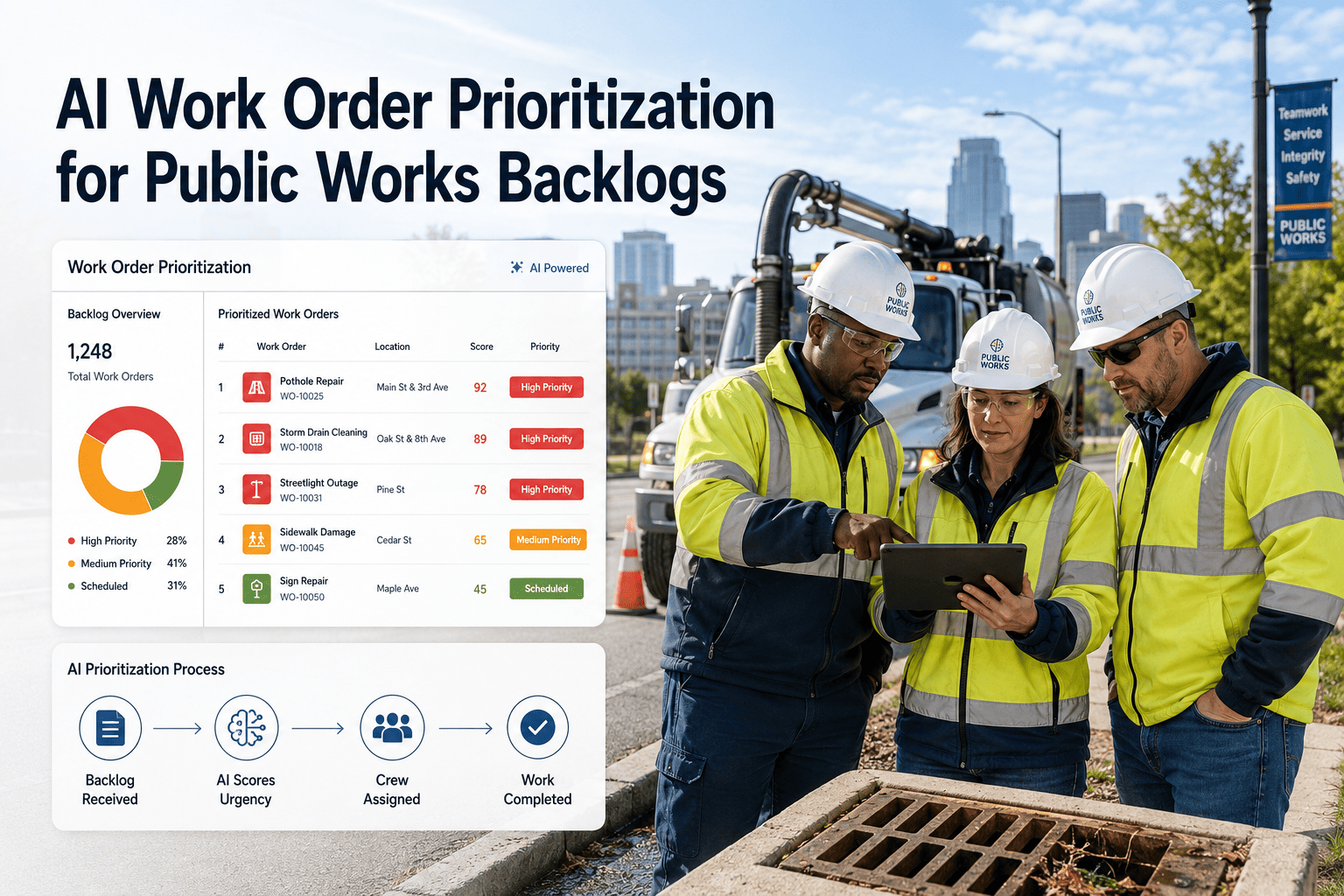
AI risk scoring prioritizes based on emergency activation likelihood and public safety impact
→
3
CMMS auto-generates work order with OEM procedures, required parts, crew assignment
→
4
Mobile notifications reach supervisors, emergency managers, facilities teams instantly
→
5
Field crews complete repairs with mobile app documentation creating compliance logs
>
See predictive maintenance for parks emergency assets in action. Book a demo showing how IoT monitoring prevents equipment failures at critical moments.
Documented SOPs ensure consistent execution when emergencies create time pressure and stress. These procedures integrate with CMMS platforms guiding crews through proper activation sequences.
Pre-Event (72-Hour Window)
Hurricane/Storm Preparation Protocol
✓ Activate all backup generators, verify 90%+ fuel capacity, test transfer switches
Trusted by parks departments managing emergency-designated facilities nationwide
Compliance & Documentation Requirements
Parks facilities activated for emergency purposes face oversight from FEMA, OSHA, ADA compliance officers, and state emergency management agencies. Automated digital logging creates audit-ready documentation without manual compilation.
FEMA Disaster Documentation
Pre-disaster condition documentation with photos and timestamps
Preventive maintenance records proving systematic care
Storm damage assessments with GPS coordinates
Repair cost tracking for reimbursement applications
→ Generate compliance reports demonstrating audit readiness for FEMA, OSHA, ADA
→ Present system capabilities to emergency management leadership and city council
→ Document ROI from prevented failures and improved emergency preparedness
→ Expand monitoring to secondary facilities based on Phase 1 success
Milestone: Emergency readiness verified through testing, compliance confirmed, expansion planned
Conclusion: From Recreation to Life-Safety Infrastructure
Parks and recreation facilities cannot maintain separate maintenance approaches for "normal operations" versus "emergency activation." The transition happens too quickly during disasters, with zero tolerance for discovering critical equipment failures when shelters activate or cooling centers open. Communities deserve parks infrastructure maintained with verified emergency readiness—where every generator, HVAC system, and water pump has documented operational status before crisis situations demand their immediate function.
Modern predictive maintenance eliminates the gap between recreation-focused asset management and emergency preparedness requirements. Real-time monitoring catches problems weeks early. Automated inspections create FEMA-eligible documentation. Risk scoring prioritizes resources toward facilities most likely to serve emergency functions. Digital SOPs guide crews through proper activation sequences under stress.
The departments making this transition report 100% emergency facility readiness, complete FEMA reimbursement eligibility, and measurable cost savings—not through larger budgets, but through intelligent systems that verify preparedness rather than hoping equipment works during emergencies. Your community's emergency response plan depends on parks facilities performing life-safety functions. The technology to ensure that readiness exists today. For a personalized parks emergency preparedness assessment, request a consultation from specialists who understand municipal parks operations.
Frequently Asked Questions
How often should parks facilities designated as emergency shelters undergo inspections?
Emergency shelter facilities require more frequent inspection than standard park assets. Backup generators need monthly operational testing under load conditions plus quarterly comprehensive servicing. HVAC systems warrant monthly performance checks with filter replacements every 1-3 months depending on usage. Water and sanitation systems need weekly functionality verification. Structural components (roofs, doors, emergency exits) require quarterly detailed inspections with annual engineering assessments. IoT sensors provide continuous monitoring between these physical inspections, alerting staff immediately when equipment shows signs of degradation rather than waiting for next scheduled check.
What IoT sensors deliver highest ROI for parks emergency preparedness?
Generator monitoring sensors ($300-500 per unit) provide immediate ROI by tracking fuel levels, battery voltage, and auto-start test results—ensuring backup power availability when shelters activate. HVAC temperature/performance sensors ($200-400) prevent cooling center closures during heat emergencies by identifying failing compressors 48-72 hours early. Water pressure monitoring ($150-300) detects plumbing failures before they render restroom facilities unusable for shelter populations. Combined, these sensors typically cost $2K-5K per facility while preventing single emergency equipment failures that would cost $10K-50K+ in alternative arrangements or emergency repairs. Explore sensor options for your emergency facilities.
How do mobile inspections improve FEMA reimbursement success rates?
FEMA requires municipalities prove pre-disaster infrastructure was properly maintained to qualify for reimbursement—denying claims when documentation shows neglect. Mobile inspection apps create GPS-verified, timestamped photo documentation showing equipment condition before disasters strike. During recovery, the same apps capture damage assessments with photos, coordinates, and repair details satisfying FEMA's strict documentation requirements. Parks departments using mobile inspections report 95-100% FEMA reimbursement approval rates versus 60-70% for manual paper-based documentation systems. This difference represents hundreds of thousands in recovered disaster expenses for mid-sized departments.
Can predictive maintenance prevent all equipment failures during emergency activations?
Predictive systems dramatically reduce but cannot eliminate 100% of failures—sudden catastrophic events (lightning strikes, power surges, operator errors) still occur. However, comprehensive IoT monitoring prevents 70-85% of equipment failures that would otherwise occur with reactive maintenance approaches. More importantly, predictive systems provide advance warning of developing problems, allowing repairs during normal operations rather than discovering failures when shelters activate with hundreds of occupants. Parks departments report that even when occasional failures occur, knowing immediately via automated alerts enables faster response than discovering problems through shelter manager complaints hours after activation.
What compliance requirements apply to parks facilities used as emergency shelters?
Emergency shelter facilities must meet ADA accessibility standards (accessible entrances, restrooms, sleeping areas, communication systems), OSHA safety requirements (emergency exits, fire suppression, electrical safety), state building codes for occupancy capacity, and FEMA documentation standards for disaster reimbursement eligibility. Many departments don't realize these heightened requirements apply once facilities are designated for emergency use—standard parks maintenance doesn't satisfy emergency shelter compliance. CMMS platforms like Oxmaint include shelter-specific inspection checklists ensuring all requirements addressed, with automated documentation proving compliance during audits.