When a major municipality experienced a severe blizzard, the city's public works department deployed its entire snow removal fleet—only to have four primary snowplows suffer catastrophic hydraulic failures within the first six hours. The resulting delays in clearing emergency routes led to trapped ambulances and millions in economic disruption. The post-incident investigation revealed that hydraulic fluid degradation had been occurring for months, but because the vehicles were serviced on a strict calendar basis rather than condition, the warning signs were missed. The fluid analysis reports were sitting in a filing cabinet, and the operator's daily vehicle inspection reports (DVIRs) were paper-based and rarely reviewed unless a check engine light came on. The data existed to prevent this failure, but the systems were disconnected. This isn't an edge case; it is the systemic consequence of maintaining mission-critical government assets with fragmented, outdated methods.
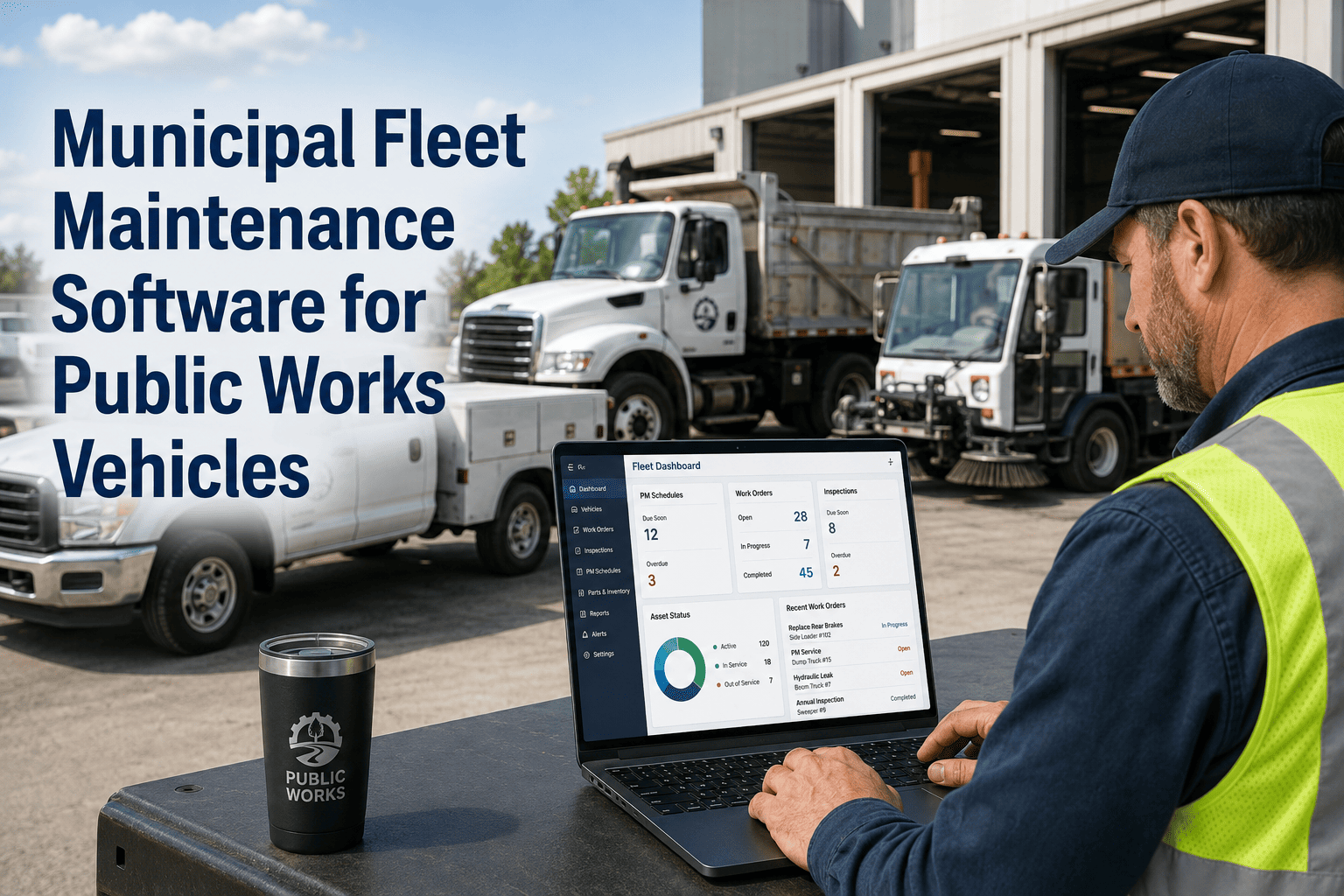
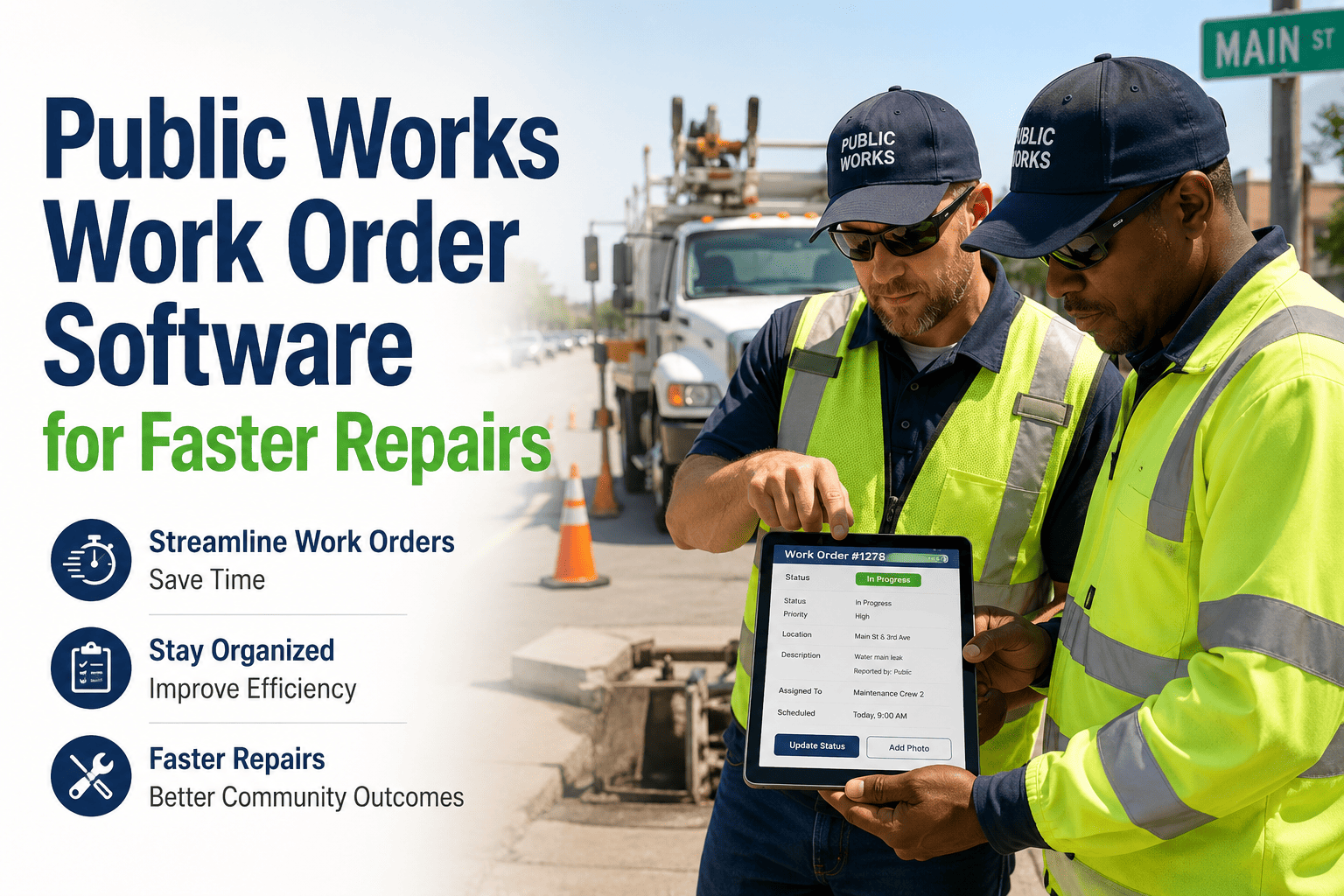
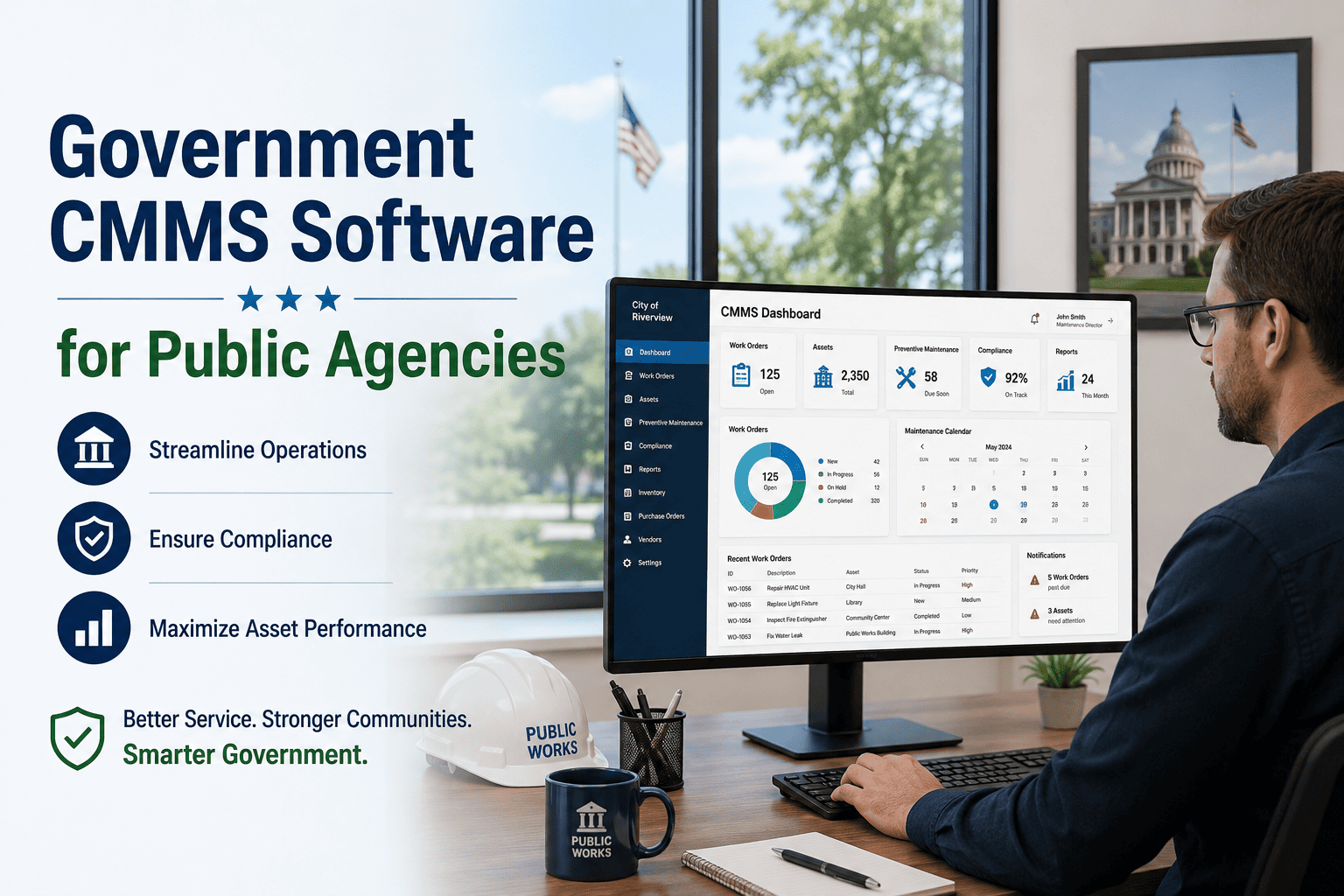
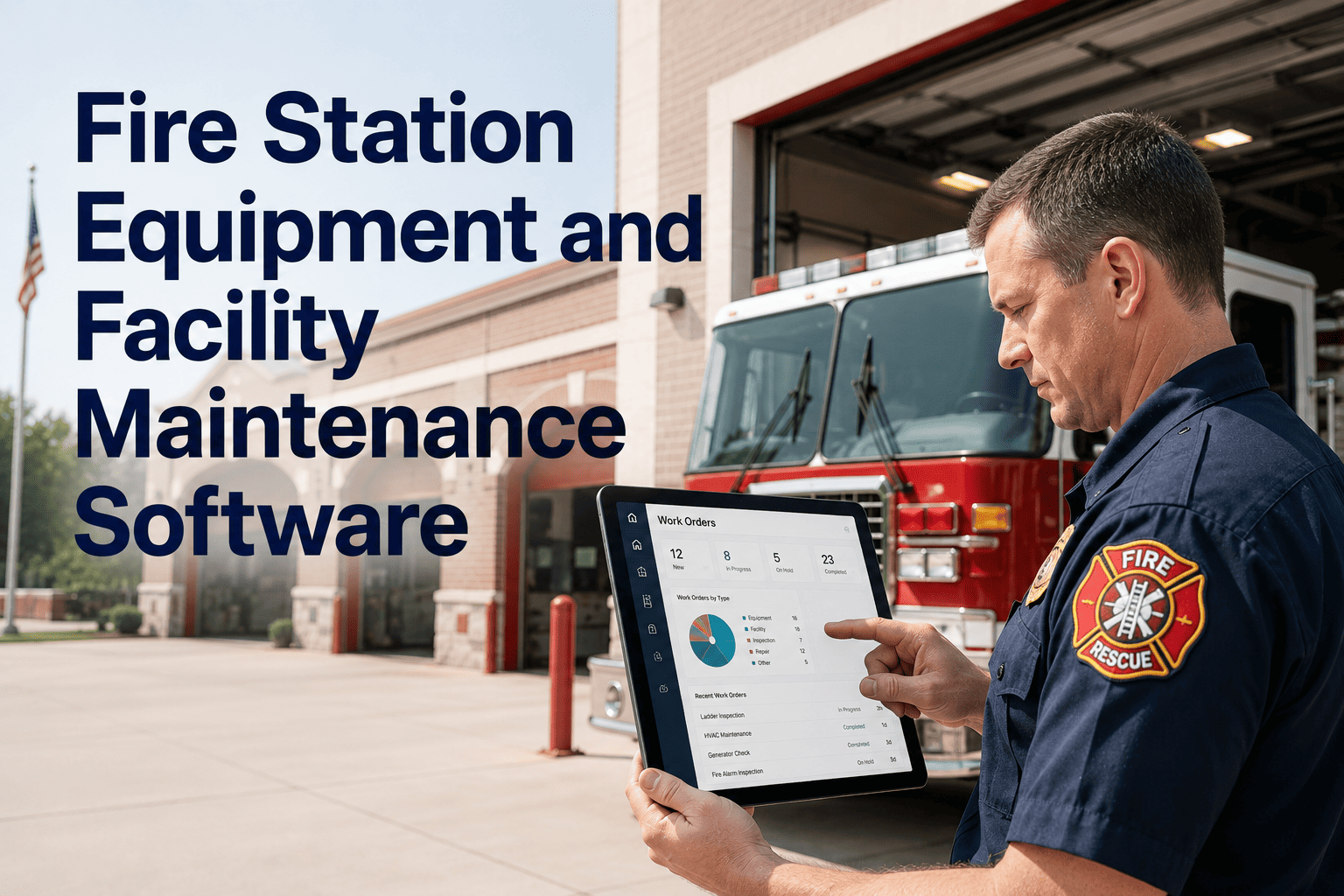
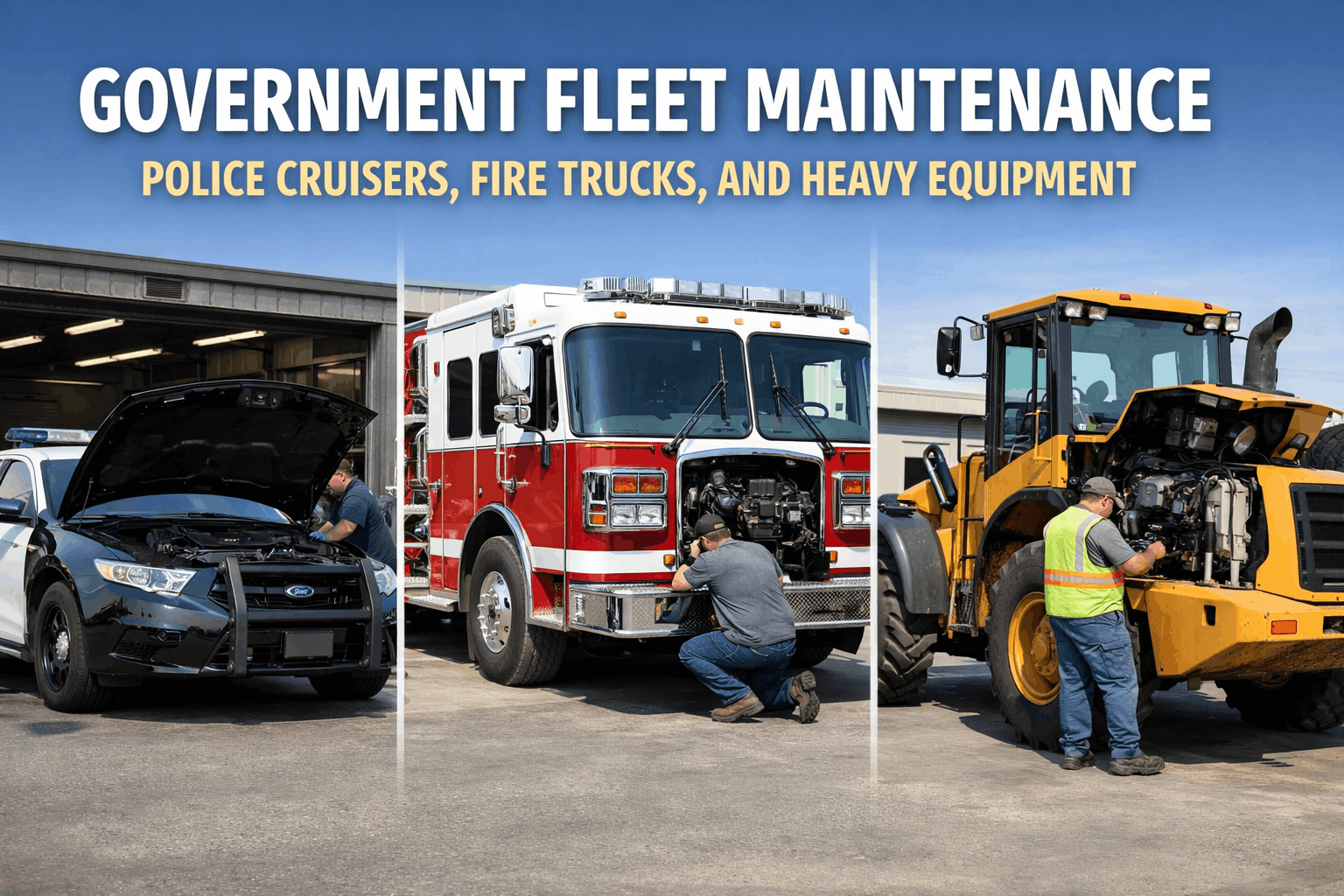
Government fleets span police cruisers, fire trucks, snowplows, refuse vehicles, and heavy construction equipment. Digital fleet maintenance ensures readiness, reduces downtime, and extends vehicle lifecycles by unifying telematics, engine diagnostics, fluid analysis, and operator apps into a single intelligence layer. Instead of scheduling maintenance purely by mileage or calendar days, a modern government vehicle CMMS schedules it by actual asset health and utilization. Oxmaint sits at the center of this municipal fleet management architecture, converting engine fault codes and predictive analytics into prioritized work orders that garage mechanics execute with full context. Talk to our team about building a fleet preventive maintenance platform that prevents breakdowns before they impact public safety.
Why Fleet Asset Management Is a Public Safety Imperative
Municipal fleets contain some of the most critical assets in public service. A failing brake system on a fire truck, a stalled police cruiser during a pursuit, or a broken refuse truck blocking city streets can severely impact community safety and sanitation. Traditional fleet management—where mechanics rely on manual paper logs or wait for a driver to report an issue—wastes taxpayer resources and compromises readiness. Modern government fleet maintenance flips this model by using real-time data from vehicle sensors to direct maintenance exactly where and when it's needed.
The platform architecture connects multiple streams—telematics devices tracking public works fleet locations, OBD-II sensors reading engine fault codes from police cruisers, and digital inspection apps used by refuse truck drivers—into a unified municipal fleet CMMS. This system correlates fault codes, predicts parts requirements, and auto-generates prioritized work orders in Oxmaint. The result is heavy equipment maintenance government operations can rely on. Book a demo to see the platform in action.
Fleet Maturity: From Reactive to Predictive
Most municipal fleet operations function somewhere between reactive repair and basic preventative maintenance. A unified municipal fleet CMMS represents a quantum leap in capability—moving from "fix what broke on shift" to "prevent what's wearing out." The maturity matrix below helps fleet directors assess their current state and chart a path toward predictive fleet asset management.
Implementation Roadmap: Transforming Fleet Operations
Digitizing government fleet maintenance is a phased transformation. Agencies that succeed start with a high-priority asset class (like police vehicle maintenance or fire truck maintenance), prove the return on investment, and then scale to refuse truck maintenance and heavy construction equipment. The following roadmap reflects best practices from successful municipal fleet deployments.
Fleet Performance Dashboard
Measuring the success of heavy equipment maintenance government programs requires tracking exact KPIs across the garage. From PM compliance on snowplow maintenance to total cost of ownership on refuse trucks, these metrics ensure taxpayer dollars are utilized efficiently. Schedule a demo to see live fleet dashboards.
Expert Perspective: Modernizing the Municipal Garage
For twenty years, our city garage operated on whiteboards, stacks of paper inspection forms, and sheer institutional memory. If our lead mechanic retired, half our fleet history walked out the door with him. When we finally transitioned to a government vehicle CMMS, it wasn't just about going paperless—it was about reclaiming control over our assets. Connecting telematics to our maintenance platform meant that a check engine light on a refuse truck immediately generated a work order, checked our parts inventory, and alerted the shop foreman before the driver even finished their route. We cut our roadside breakdowns in half in the first year alone. Proper fleet preventive maintenance is how you respect the taxpayer's investment.
The integration of telematics, digital inspections, and CMMS software represents the most significant operational upgrade for public works and municipal fleet management. Agencies that adopt a digital fleet asset management strategy today will operate safer, more reliable, and more cost-effective fleets for decades to come. Start your free trial and transition your garage into the modern era.