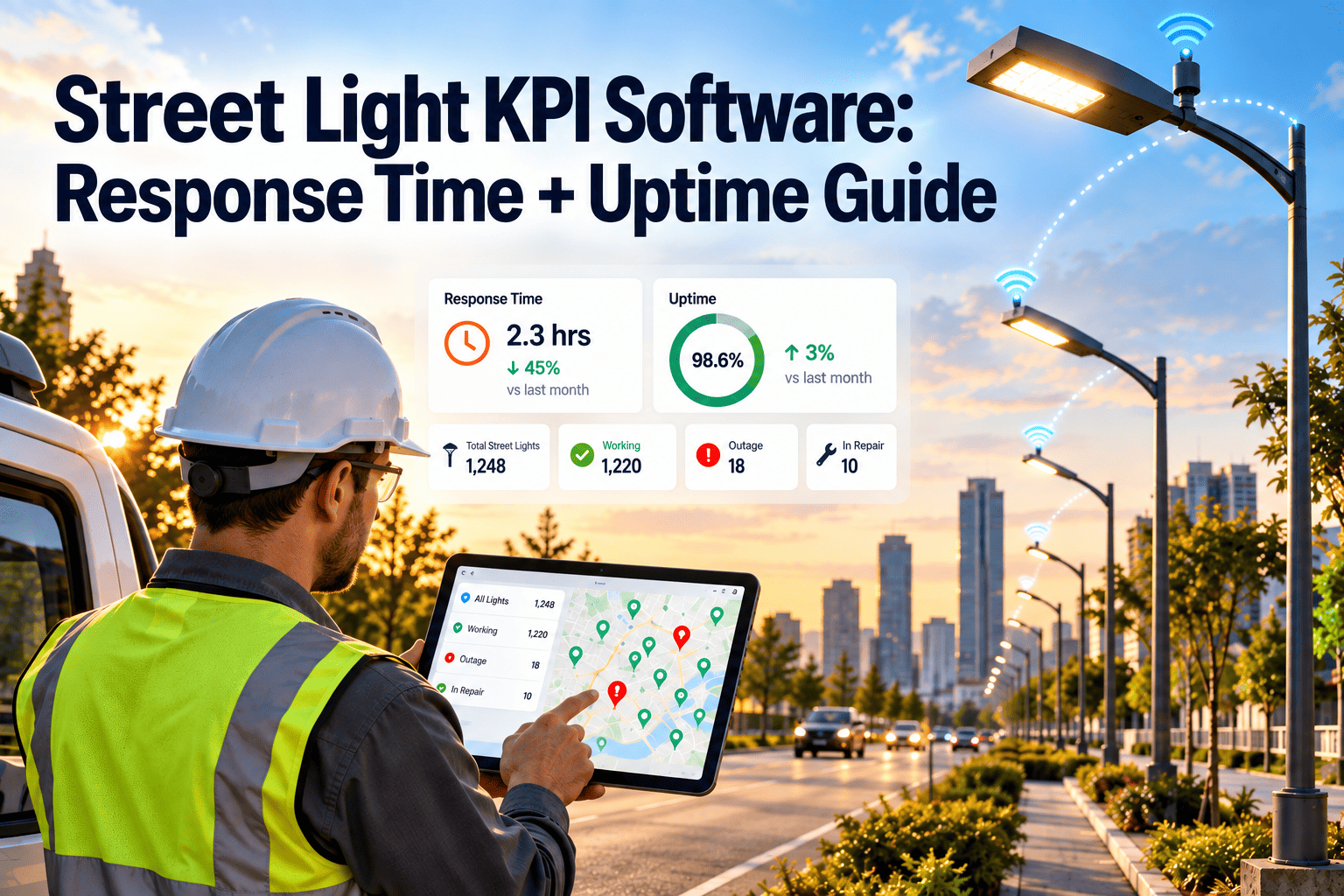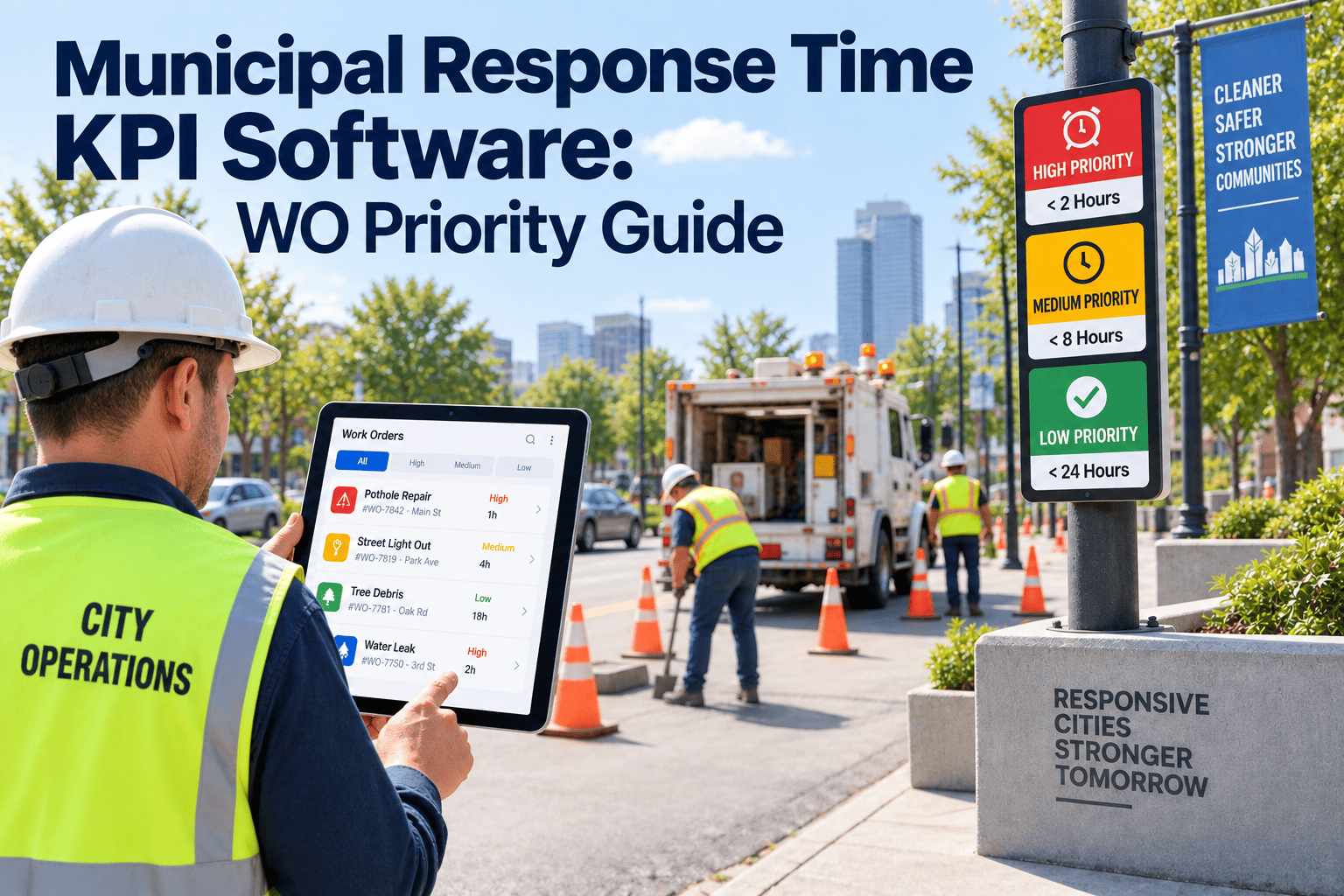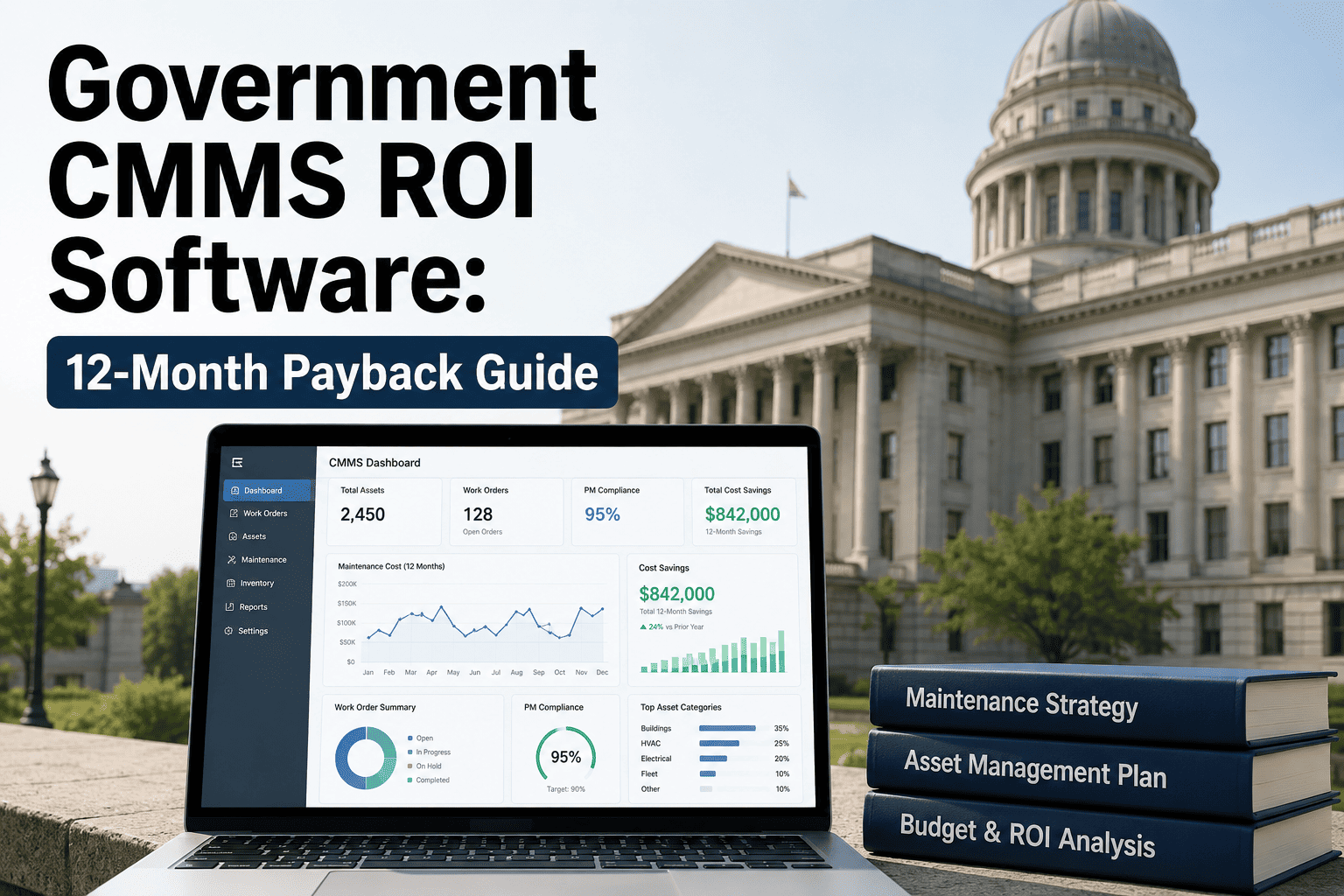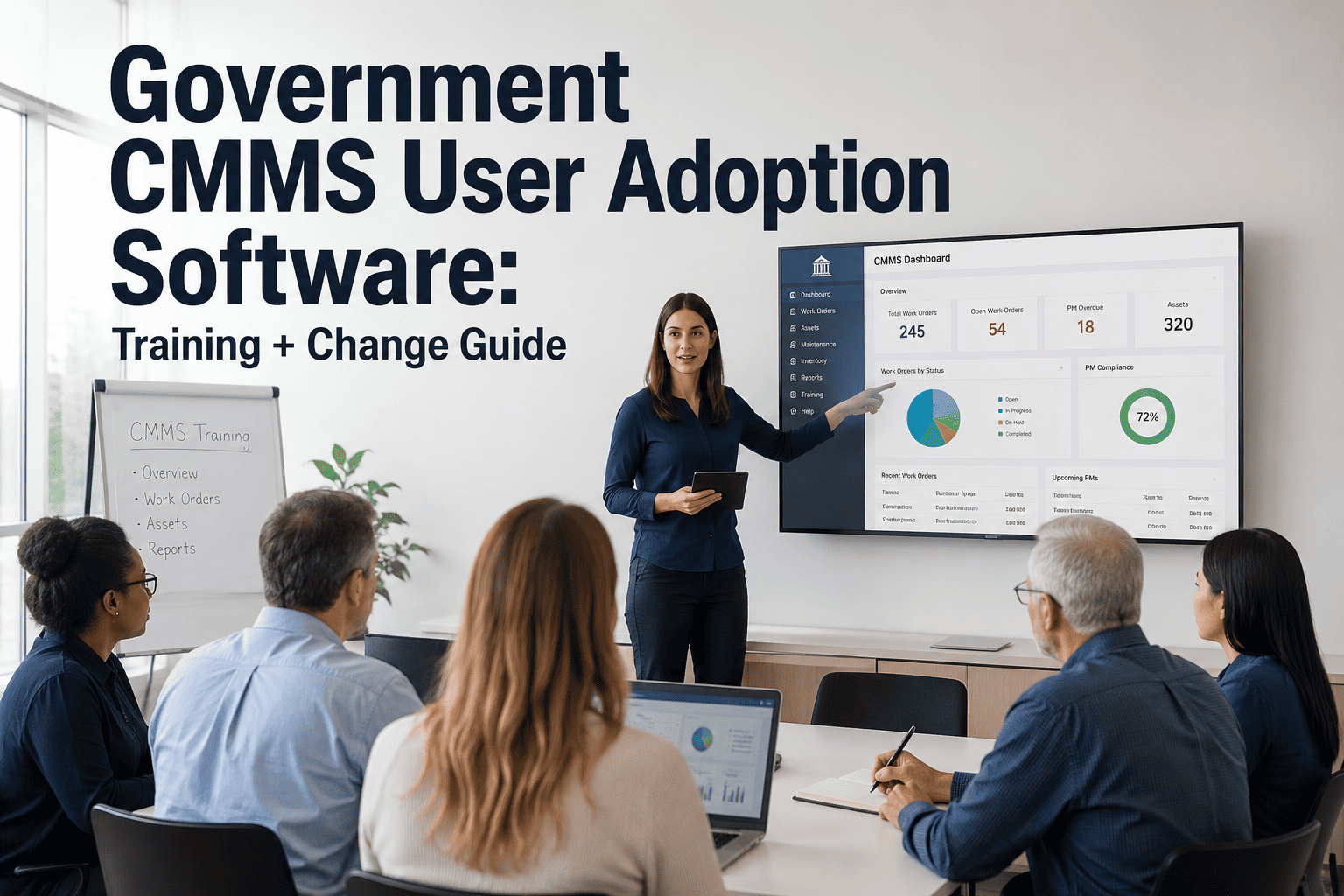
Every public agency makes an unwritten promise to the residents it serves: when a traffic signal fails, a lift station backs up, or a school boiler dies mid-winter, someone will respond — and they will respond faster for a safety hazard than for a burnt-out hallway light. Most government maintenance teams have never turned that promise into a measurable commitment. Work requests land in a shared inbox or a paper log with no priority tier attached, no response clock running, and no record proving the promise was kept when a council member or an auditor asks. A government WO SLA framework closes that gap by defining exactly how fast a Priority 1 safety issue, a Priority 2 operational issue, and a routine Priority 4 request must be acknowledged, dispatched, and resolved — then tracking every one of those minutes automatically. Book a demo to see how OxMaint enforces government WO SLA response times without manual tracking, or start free and build your first priority tier today.
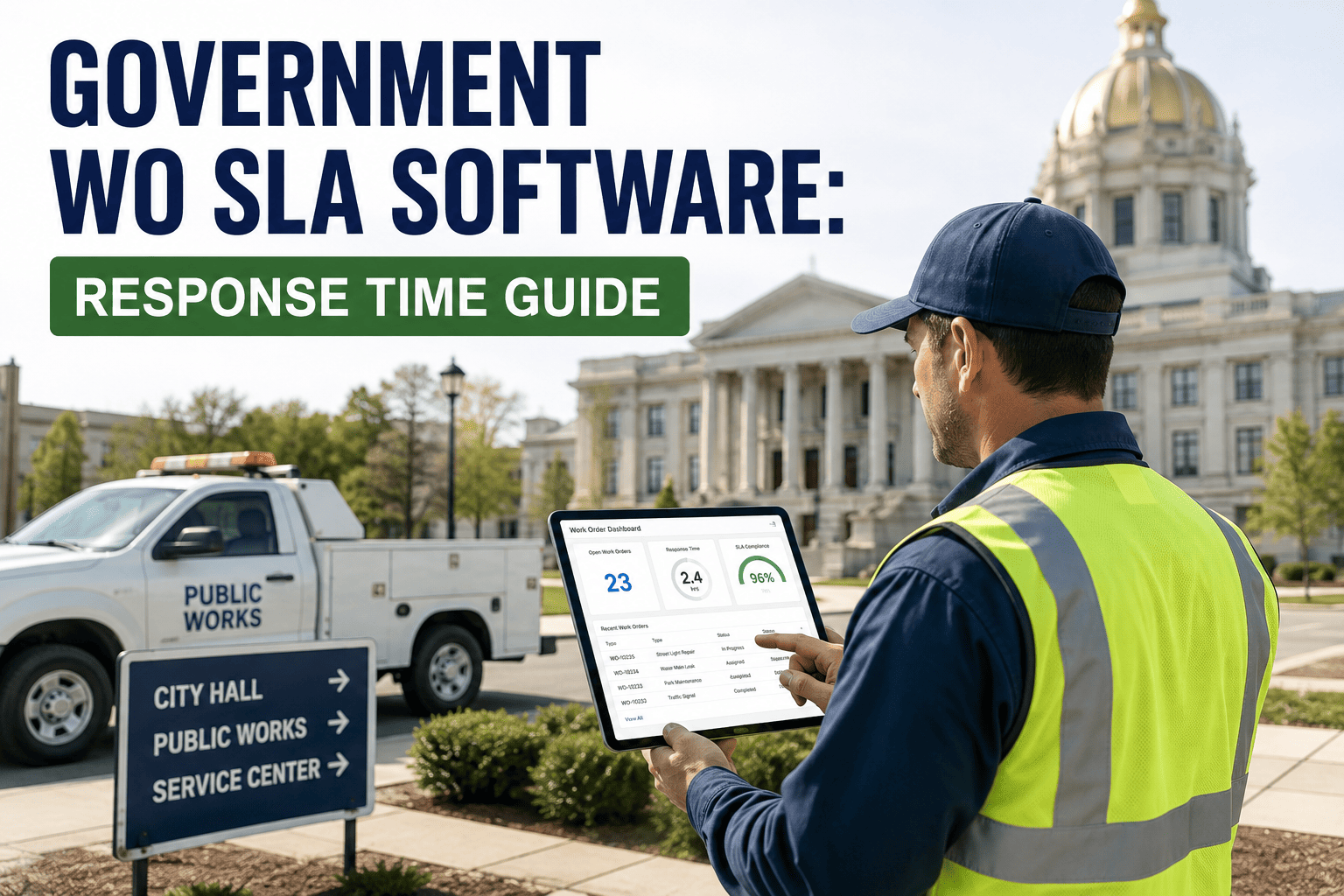
Government WO SLA Software: The Response Time Guide Every Agency Needs
How public works, facilities, and utilities departments define, enforce, and report on work order response time commitments — and why the agencies that write it down outperform the ones that don't.
Why Work Order SLAs Break Down Inside Government Agencies
Private facilities teams have run formal SLAs for decades because a missed response time shows up as a penalty clause in a vendor contract. Government maintenance departments rarely have that financial pressure, so the discipline never gets built — until a resident complaint, a grand jury report, or a compliance audit asks why a life-safety work order sat open for eleven days. The three patterns below account for most SLA breakdowns our team has seen across public works, facilities, and utilities departments.
No Written Priority Definitions
Requestors decide their own urgency. A "broken AC" in a server room and a "broken AC" in a break room arrive with the same label, so both wait in the same queue until a coordinator manually re-sorts them — if anyone has time to.
No Running Clock
Without a system timestamping every stage, "response time" is whatever the technician remembers when they close the ticket days later. There is no data to prove a target was met, and no alert fires before a target is missed.
No Escalation Path
When a Priority 1 work order goes unassigned because the usual technician is out, nothing routes it to a backup. It sits until someone happens to notice — usually a supervisor, usually too late for the SLA to matter.
The Government WO Priority SLA Matrix
A defensible government WO SLA policy starts with a small number of priority tiers, each with a plain-language definition a non-technical requestor can apply correctly, and a response and resolution target that leadership is actually willing to staff for. The matrix below reflects the tiering structure most public works and facilities departments converge on once they formalize an SLA programme.
| Priority Tier | Definition | Response Target | Resolution Target |
|---|---|---|---|
| P1 — Emergency | Immediate safety, life-safety system failure, or active service outage affecting the public | Under 1 hour | Same shift |
| P2 — Urgent | Significant operational impact, regulatory exposure, or a failure likely to escalate if left overnight | Within 24 hours | Within 3 business days |
| P3 — Minor | Localized disruption with an available workaround; no safety or compliance exposure | Within 3 business days | Within 1 week |
| P4 — Routine | Cosmetic, comfort, or scheduled improvement work with no operational urgency | Within 1 week | Within 30 days |
| PM — Preventive | Scheduled inspection or servicing tied to a maintenance calendar, not a reactive request | On calendar date | Within PM window |
Written Priority Tiers Are Only Half the Job. Enforcement Is the Other Half.
OxMaint applies your priority definitions to every work order automatically, starts the response clock the moment a request is logged, and escalates anything approaching a breach before it happens — so the SLA lives in the system, not in a policy document nobody reopens.
Building a Government WO SLA Programme in Four Steps
Agencies that succeed at SLA enforcement do not start by buying software — they start by agreeing internally on what "urgent" means. The sequence below is the order that produces a programme staff will actually follow, rather than a policy that gets ignored the first busy week.
Agree on Priority Definitions With Department Heads
Before any tool is configured, facilities, public works, and utilities leadership need to agree in writing on what qualifies as P1 versus P2 for their own asset types. A burst water main and a flickering hallway light cannot share a definition.
Set Response and Resolution Targets Per Tier
Each tier needs two numbers, not one: how fast a technician must acknowledge and arrive, and how fast the issue must actually be resolved. Agencies that only track resolution time miss the early warning signal that a request was never picked up.
Configure Automatic Priority Classification
Requestors should not be trusted to self-select urgency. The CMMS should classify incoming requests against the agreed definitions, or flag ambiguous ones for a coordinator to confirm within minutes, not days.
Turn On Escalation and Compliance Reporting
Every tier needs a named escalation path for when the primary technician is unavailable, and a monthly compliance report that shows leadership and council exactly how many SLA targets were met, missed, and why.
The Metrics a Government SLA Response Programme Should Report
An SLA policy without measurement is a promise nobody can verify. The metrics below are what most public sector maintenance directors bring to a council meeting or a compliance review, because each one answers a specific question an auditor or elected official is likely to ask.
Percentage of work orders that met both response and resolution targets, broken down by priority tier and department.
Average time between a work order being logged and a technician acknowledging or arriving, tracked per priority tier.
Category of why a target was missed — no technician available, parts delay, weather, or misclassified priority.
Number of open work orders per priority tier that have already exceeded, or are approaching, their SLA window.
Stop Reconstructing Response Times From Memory Before a Council Meeting.
OxMaint timestamps every stage of every work order automatically — logged, acknowledged, dispatched, on-site, resolved — so your SLA compliance report is a live query, not a week of spreadsheet reconstruction.
Expert Review
Government maintenance teams tend to think SLAs are a private-sector vendor concept that does not apply internally — until a resident's freedom of information request asks for every work order tied to a specific building over the past two years, along with how fast each one was resolved. At that point, a department either has the data or it does not. The agencies that get this right did not buy a better spreadsheet. They agreed on a small number of priority tiers everyone across public works, facilities, and utilities actually uses the same way, and they let the CMMS run the clock instead of a person. The technology is not the hard part. Getting department heads to agree on what counts as urgent, in writing, before the software is configured, is the part that determines whether the SLA programme survives its first budget cycle.
James Okonkwo, PE, BEMP, HBDP
Licensed Professional Engineer · Building Energy Modelling Professional (ASHRAE) · High Performance Building Design Professional (ASHRAE) · 18 years designing government and public sector maintenance and CMMS programmes
Frequently Asked Questions
What response time should a government agency set for a Priority 1 work order?
Most public works and facilities departments set a 1-hour response target for Priority 1 issues — active safety hazards, life-safety system failures, or service outages affecting the public. Resolution is typically expected the same shift. Book a demo to see tier configuration in OxMaint.
How many priority tiers should a government WO SLA policy have?
Four reactive tiers plus one preventive maintenance tier is the standard most agencies converge on. Fewer tiers blur meaningfully different urgency levels together; more than five tiers becomes too complex for requestors to apply consistently.
Who should be allowed to set the priority level on a work order?
Requestors should describe the problem, not assign the priority. A trained coordinator or an automated classification system should apply the agency's written definitions consistently, since self-selected urgency is the single biggest cause of SLA data that cannot be trusted.
How does a CMMS improve government WO SLA compliance?
A CMMS timestamps every stage of a work order automatically, applies priority classification consistently, alerts a coordinator before a target is breached, and produces compliance reports on demand instead of requiring manual reconstruction from logs. Start free to see automated SLA tracking on your own work orders.
What should a government SLA compliance report include for a council or audit review?
At minimum: compliance rate by priority tier, mean time to respond and resolve per tier, a breakdown of breach root causes, and current backlog age by tier. These four figures answer the questions most auditors and elected officials ask first.
A Response Time Promise Only Means Something if You Can Prove You Kept It.
OxMaint gives public works, facilities, and utilities departments the priority classification, automatic SLA clocks, escalation rules, and compliance reporting that turn a written policy into a programme your agency can actually defend at the next council meeting or audit.