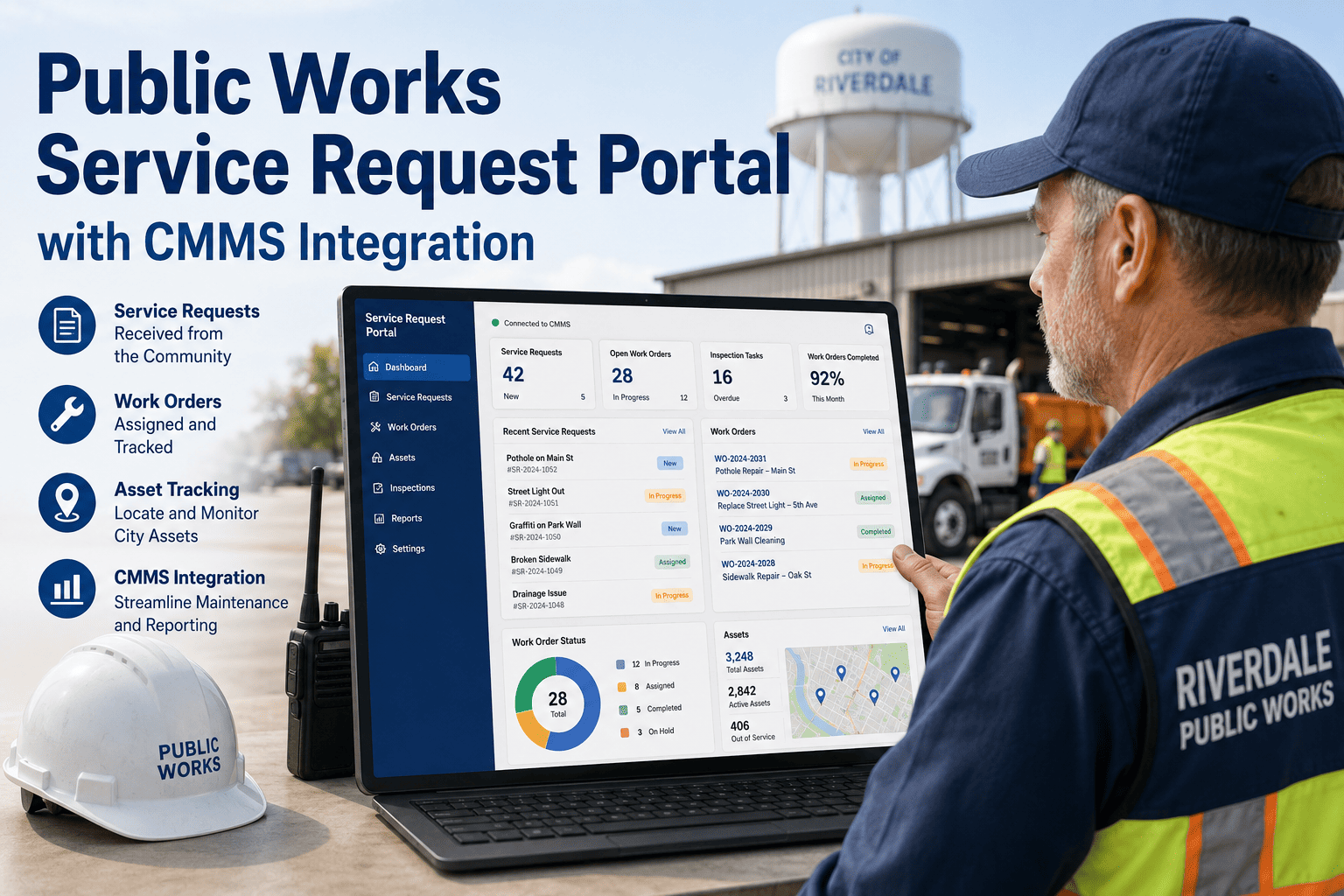
Every pothole reported, every water main break, and every late snowplow route tells residents something about how well their local government maintains what they depend on daily. A level of service framework translates that everyday maintenance work into standards people can actually feel — how quickly a pothole gets patched, how reliable water pressure stays, how clean a park looks after a storm. Public works departments that define these standards clearly can defend budget requests, prioritize competing repairs, and show elected officials exactly what additional funding buys. Without a documented framework, service decisions get made asset by asset with no consistent record of why one road got repaved before another. Oxmaint's asset management platform helps agencies track condition data against defined service targets so investment decisions are backed by evidence instead of guesswork.
Infrastructure Asset Management
Setting Levels of Service for Public Infrastructure
Connect maintenance work to what citizens actually experience, and give every capital request a measurable standard behind it.
C-
Average U.S. infrastructure grade, per ASCE report cards
2
Types of LOS every agency needs: technical and community
Annual
Recommended review cycle for service targets
1
Connected record of condition, cost, and service outcome
What a Level of Service Actually Means
Technical Level of Service
The internal, engineering-side targets your crews are measured against — pavement condition index scores, water pressure ranges, mean time to repair, or the percentage of preventive maintenance completed on schedule. These are leading indicators your team controls directly.
Community Level of Service
The outcomes residents notice without needing to understand the engineering behind them — smooth roads, clean parks, water that never runs discolored, streetlights that stay on. These are lagging indicators shaped by how well technical targets are met.
Both layers matter. Technical targets alone can look successful on a spreadsheet while residents still file complaints, and community satisfaction scores alone give crews no operational target to plan around.
How a Level of Service Connects to Investment Decisions
1
Condition data is collected across roads, water lines, facilities, and fleet assets
2
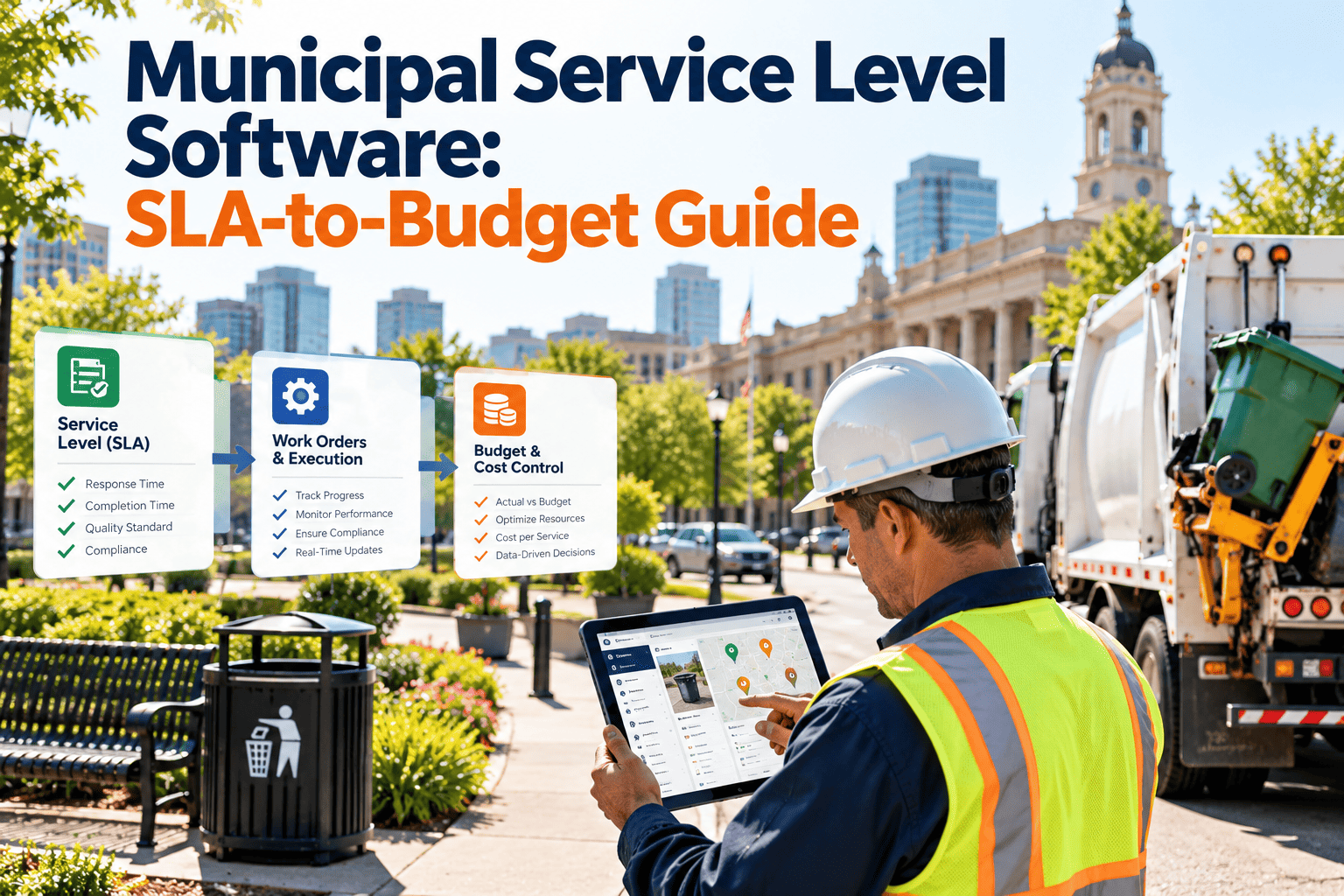
Current performance is compared against the defined service target for each asset class
3
Gaps between actual and target LOS are ranked by risk, cost, and citizen impact
4
Capital and maintenance budgets are allocated to close the highest-priority gaps first
Sample Level of Service Targets by Asset Type
Turn Data Into Defined Service Targets
Stop Managing Assets by Instinct
Oxmaint links inspection data, work orders, and asset condition histories so agencies can measure real performance against the level of service targets they set — and show residents and councils exactly where investment is going.
Building a Level of Service Framework in Four Steps
01
Inventory Core Services
List every service your agency delivers through infrastructure — road smoothness, water reliability, park upkeep — before assigning any metric.
02
Set Measurable Targets
Pair each service with a technical and a community metric that is specific, trackable, and tied to a number, not a vague intention.
03
Track Performance Continuously
Use inspection and work order data to monitor actual performance against targets throughout the year, not just before budget season.
04
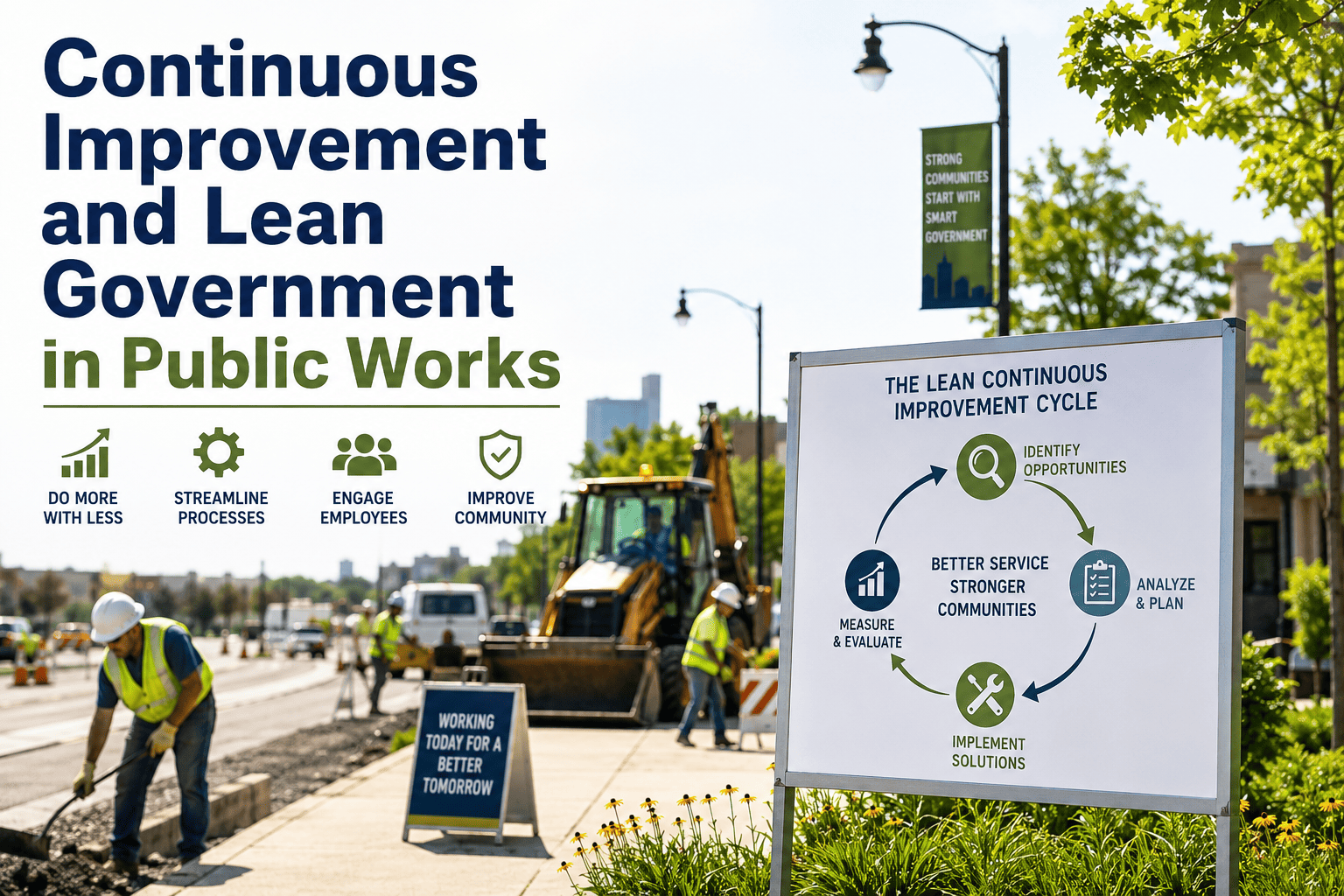
Review and Adjust Annually
Revisit targets as budgets, regulations, and asset conditions shift, and communicate any changes clearly to residents and councils.
What Level of Service Reporting Looks Like
Agencies that publish clear, measurable level of service targets tend to have an easier time defending budget requests because council members can see exactly what a funding gap costs in real terms — more potholes, slower response times, or shorter asset lifespans. Service levels also give maintenance teams a consistent standard to plan around instead of reacting to whichever complaint arrived most recently.
Infrastructure Asset Management Practice
Based on published municipal asset management guidance, 2024–2025
Frequently Asked Questions
What is the difference between a level of service and a performance metric?
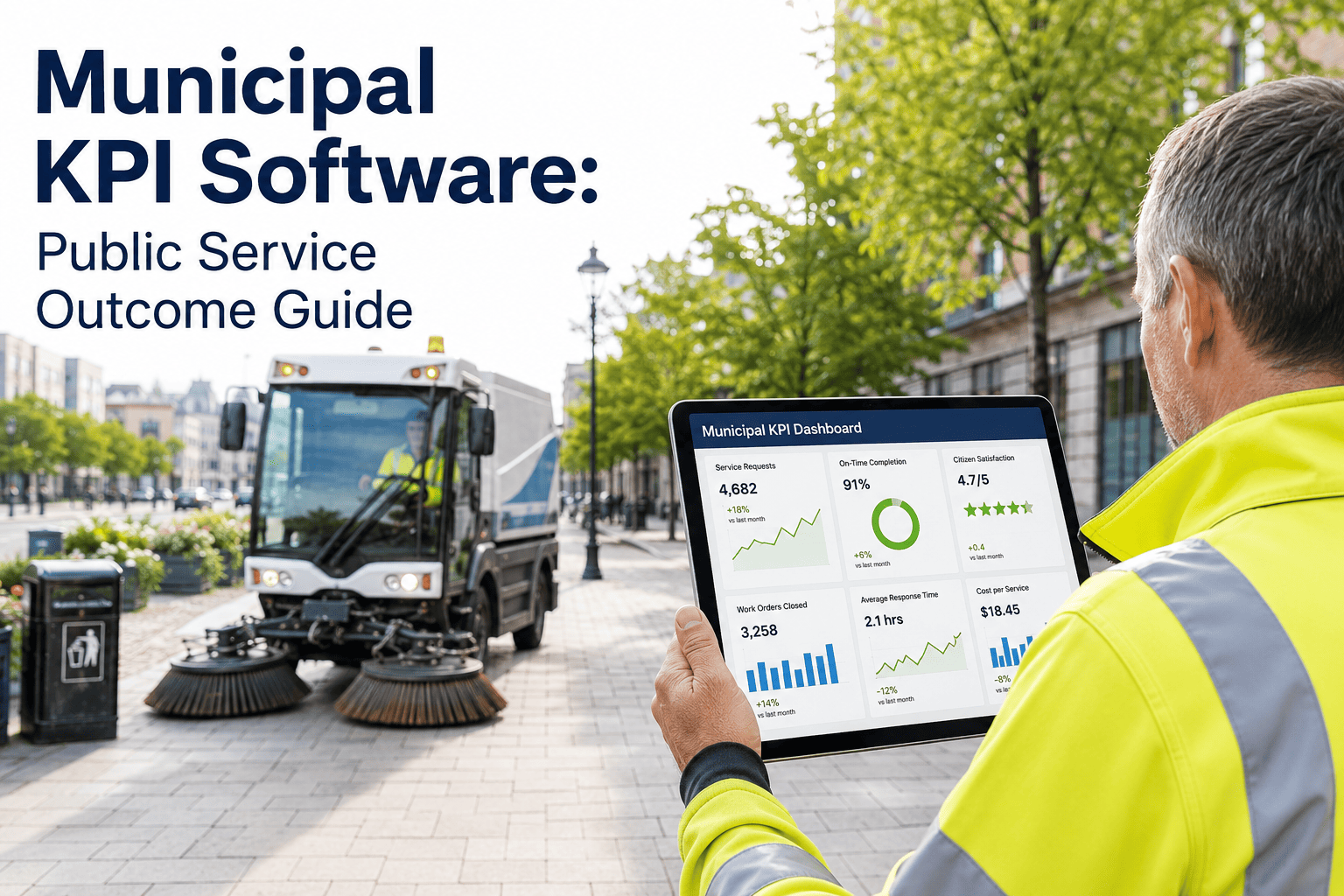
A level of service is the target standard an agency commits to, such as "roads maintained above a PCI of 70." A performance metric is the actual measured value tracked over time against that target. Metrics without a defined target rarely drive decisions.
How often should service level targets be reviewed?
Most agencies review targets annually, alongside budget planning, and revisit them sooner if asset conditions, funding, or regulations change significantly.
Book a demo to see how ongoing condition data supports that review cycle.
Do small municipalities need a formal LOS framework?
Yes. Smaller agencies often have tighter budgets and less room for error, which makes clear, measurable targets more useful, not less. A simple framework covering a handful of core services is far better than none at all.
Can level of service data be shared with residents and elected officials?
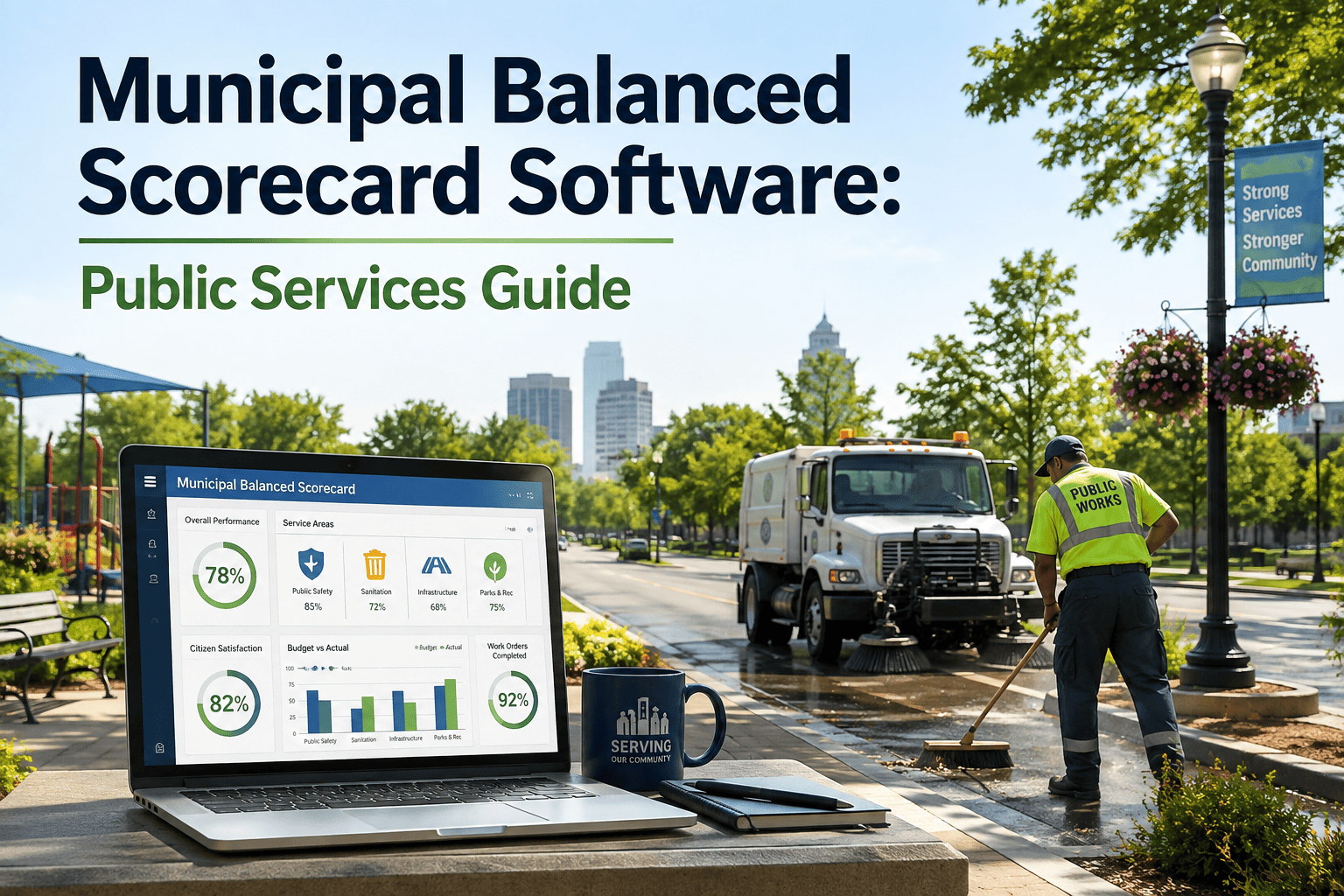
Yes, most agencies present LOS performance in annual reports, budget hearings, or public dashboards. Clear reporting builds trust because it shows residents exactly what current funding delivers and what additional investment would change.
How does Oxmaint help track level of service performance?
Oxmaint ties inspection results, work order histories, and asset condition records together so teams can measure real performance against defined targets in one place.
Start a free trial to explore the reporting tools firsthand.
Give Every Infrastructure Dollar a Measurable Standard
Oxmaint helps public agencies define service targets, track real performance against them, and show residents and councils exactly where maintenance dollars are working hardest.