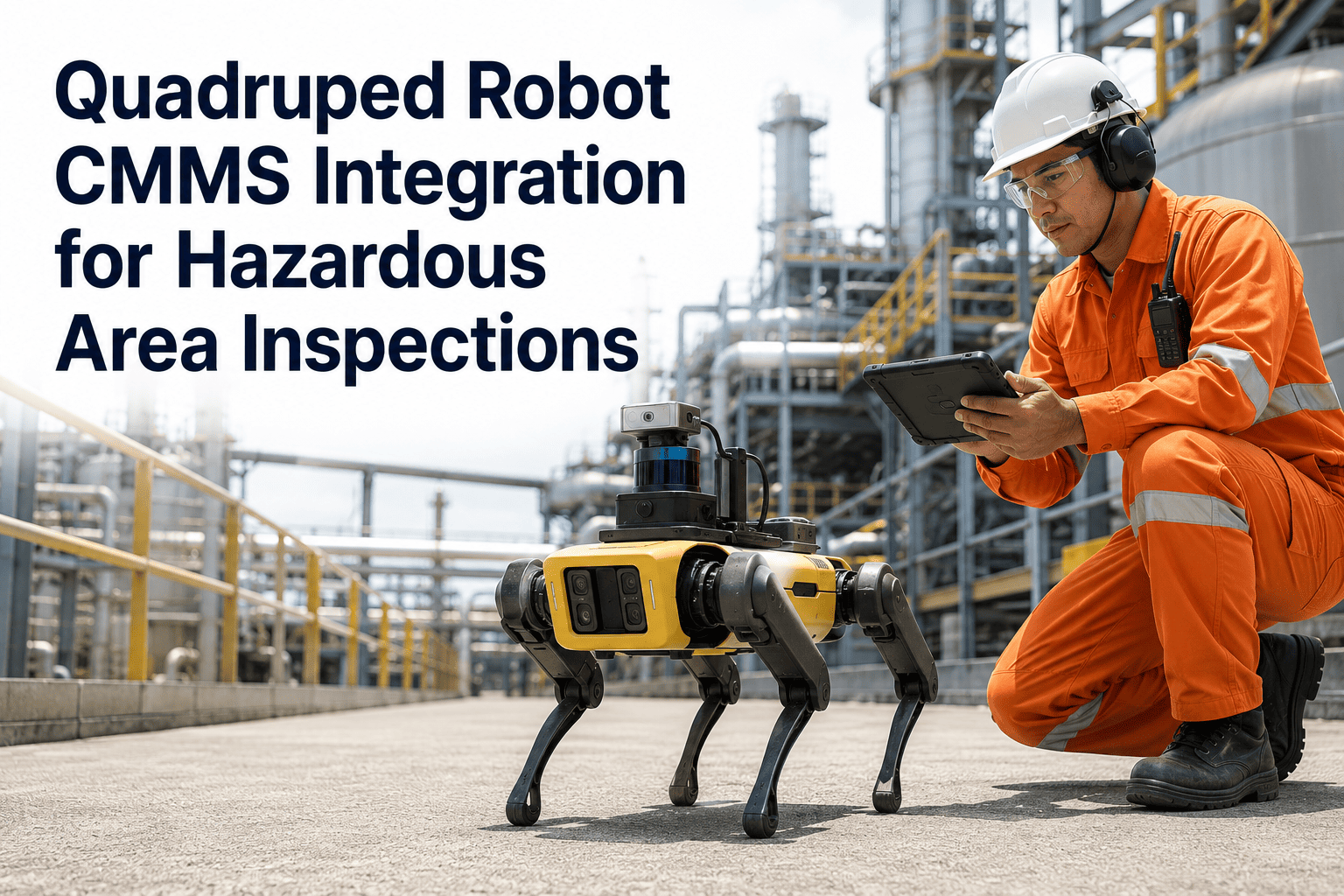
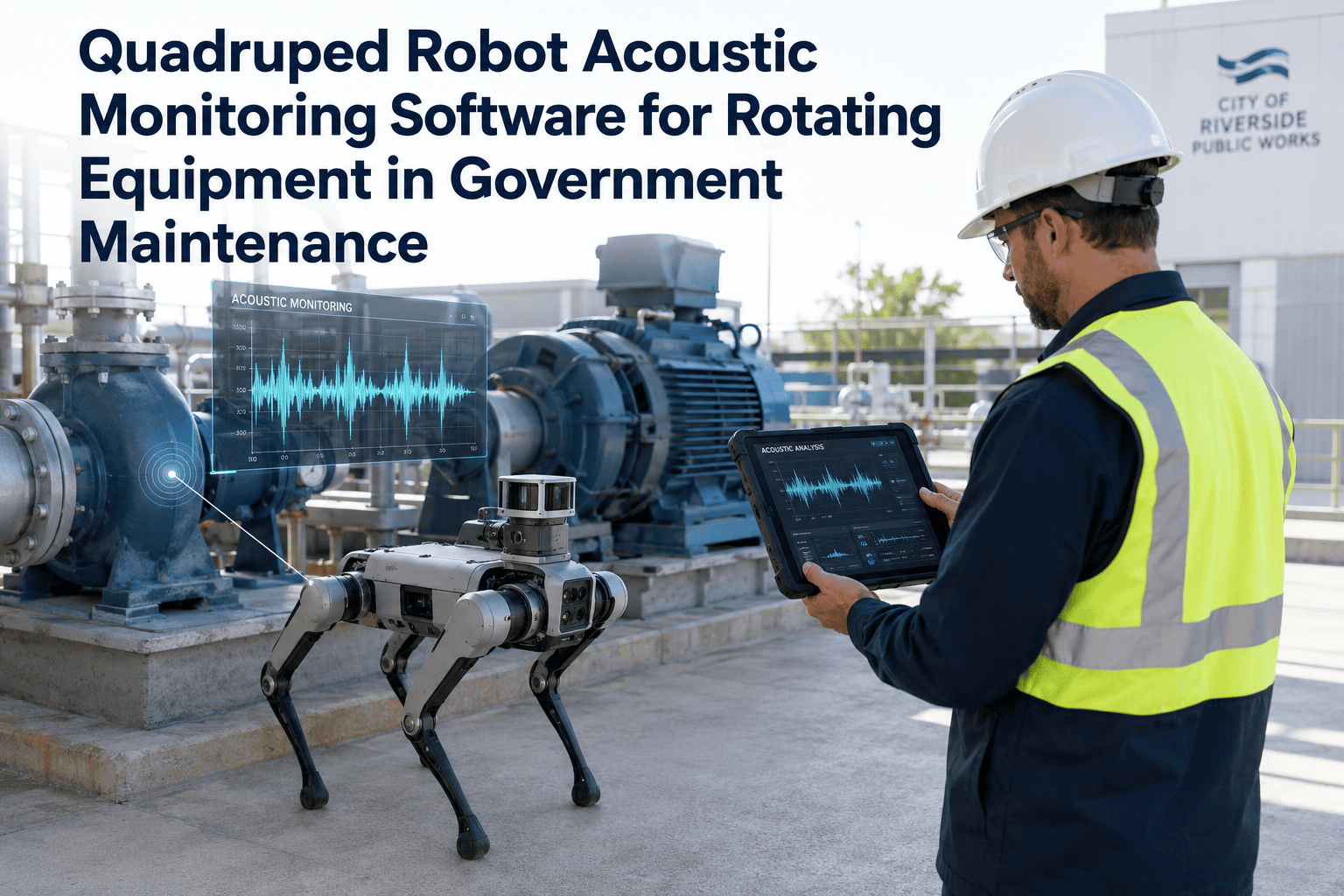
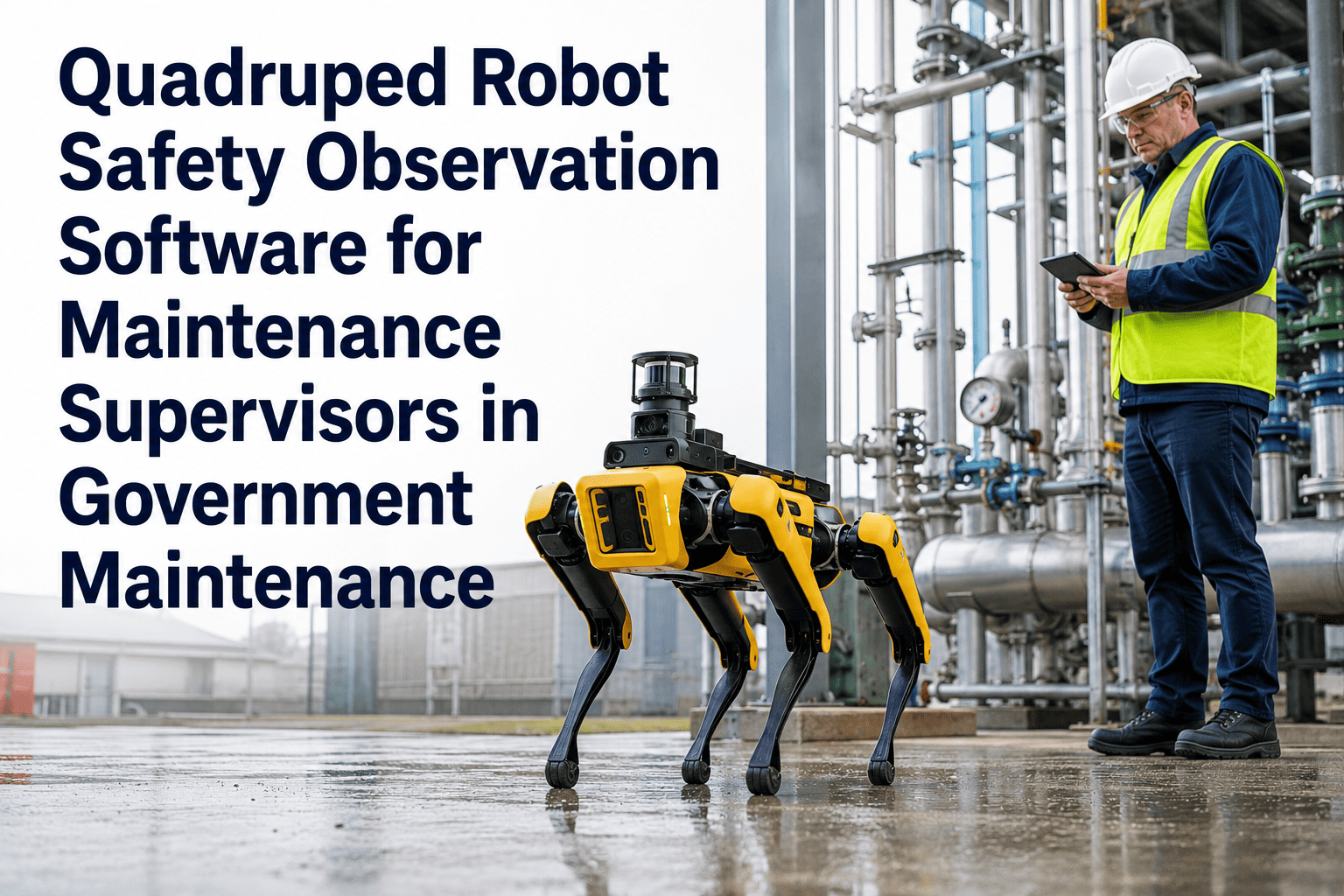
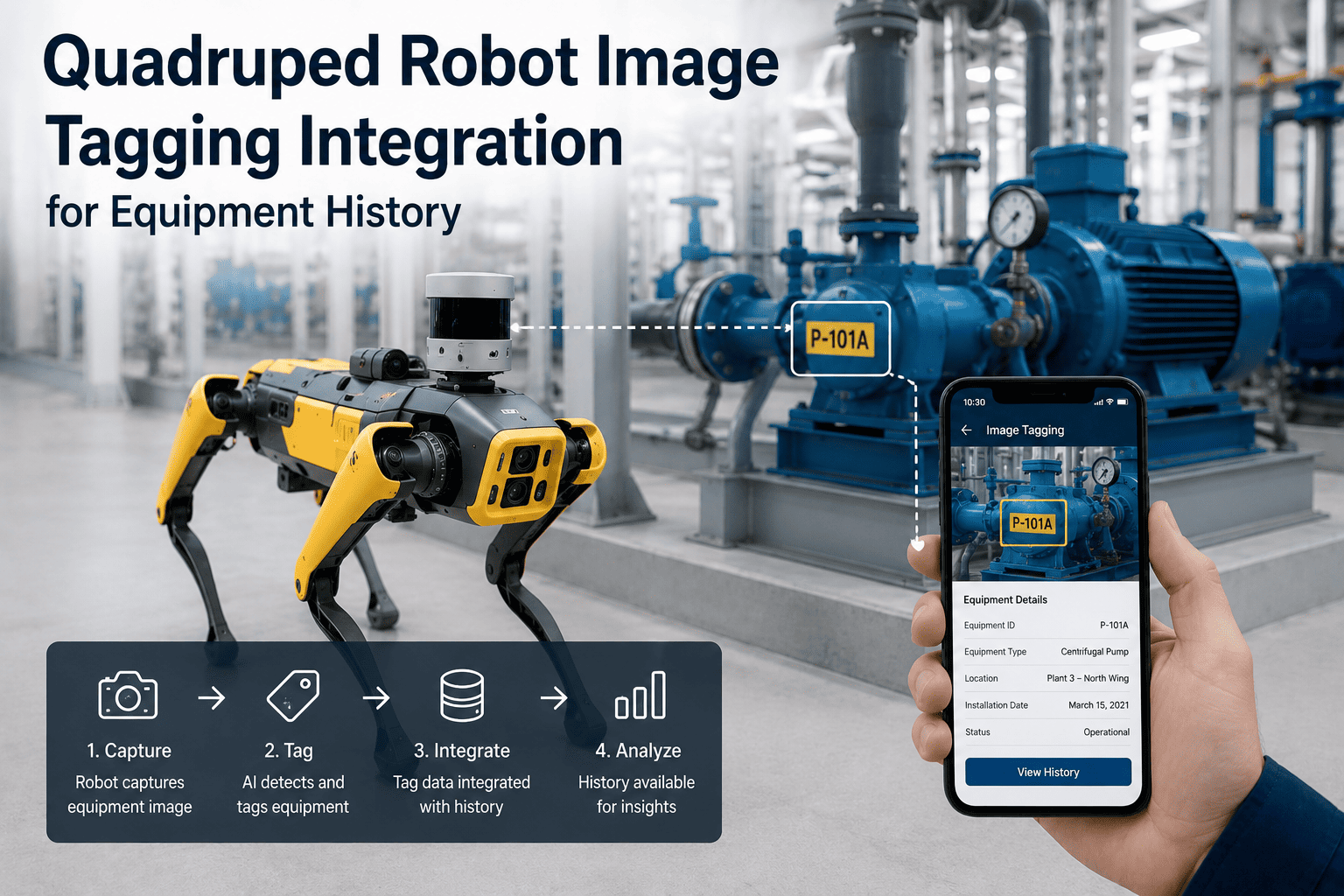
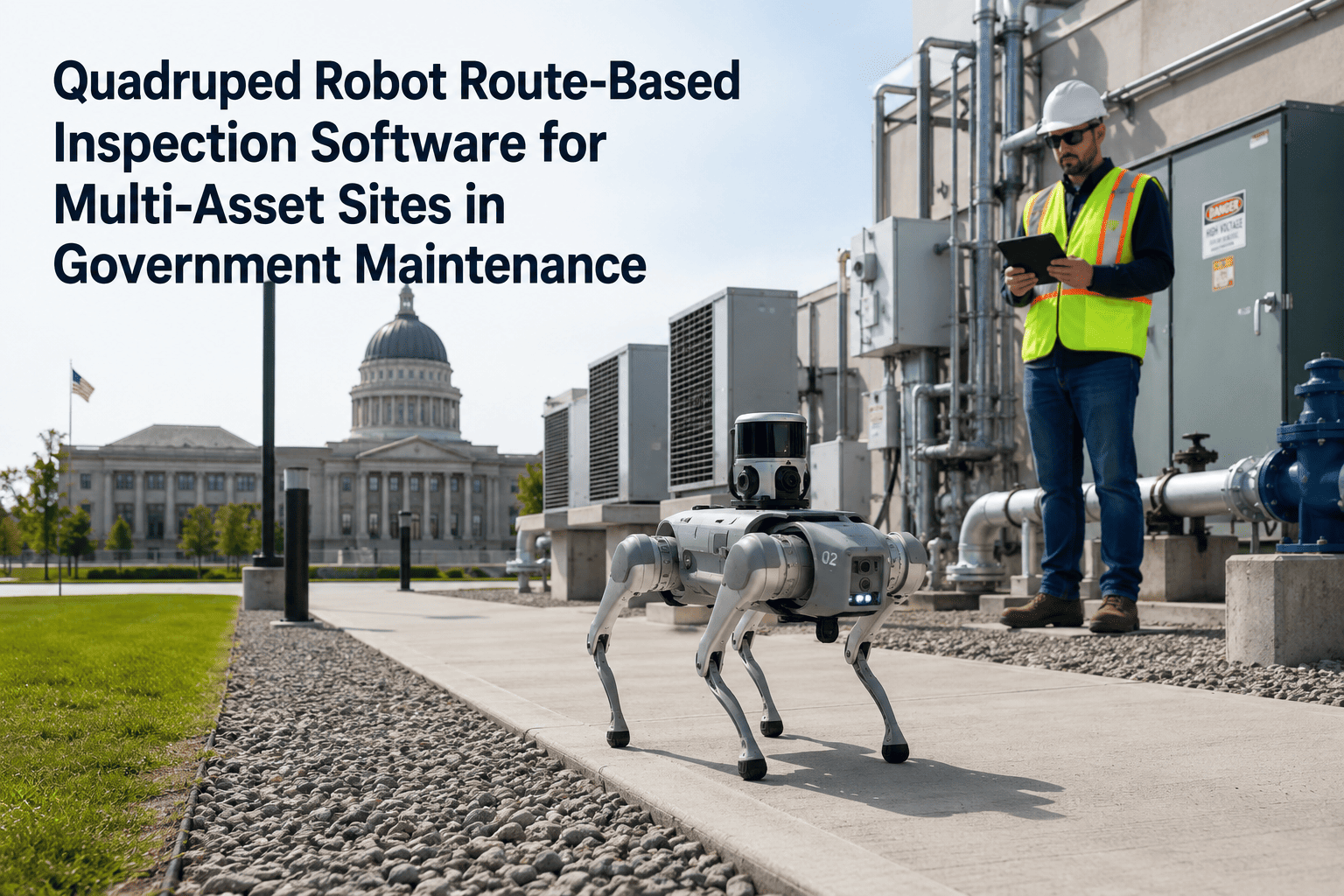
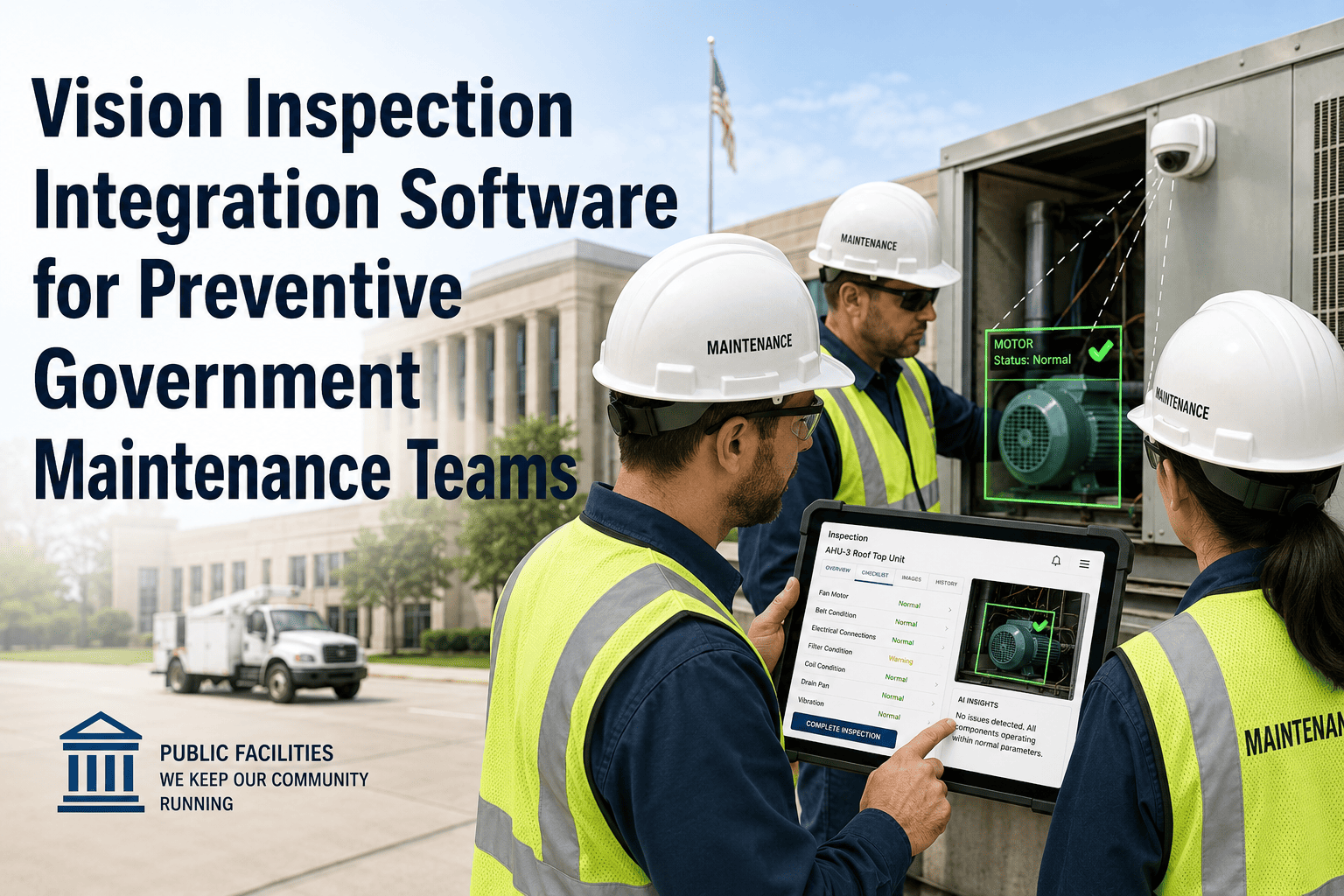
Hazardous area inspections in government facilities — confined utility vaults, chemical storage corridors, high-voltage switchgear rooms, and active pump stations — carry real risk when human technicians enter without adequate data. Quadruped robots now handle these environments routinely, but the maintenance value only materializes when their findings connect directly to a CMMS that can act on them. Government maintenance teams using Oxmaint report that connecting robot inspection findings to CMMS work orders cuts defect response time from days to hours, while creating the locked audit trail that public sector accountability standards require. Book a demo to see how Oxmaint handles hazardous area inspection workflows for government teams, or sign up free and import your current asset list to get started immediately.
Hazardous Areas Where Quadruped Robots Are Replacing Manual Inspection
High-Voltage Switchgear Rooms
Arc flash risk eliminated from scheduled checks
Confined Utility Vaults
Permit-required entry reduced by up to 80%
Chemical Storage Corridors
Continuous gas and leak monitoring without exposure
Active Pump Stations
Acoustic anomaly detection during live operations
Water Treatment Facilities
Chlorine environment inspection without PPE escalation
The Integration Gap: What Breaks Without CMMS Connection
| What the Robot Captures |
Without CMMS Integration |
With Oxmaint Integration |
| Thermal anomaly on pump motor |
PDF report emailed to supervisor, may be missed |
Work order auto-created, assigned, priority set |
| Gas sensor threshold exceeded |
Alert in robot app only, no maintenance record |
Safety work order triggered with evidence attached |
| Acoustic vibration spike on rotating equipment |
No link to maintenance history or PM schedule |
Linked to asset record, PM adjusted based on reading |
| Visual corrosion on pipe joint |
Photo in robot dashboard, not in CMMS |
Photo embedded in work order with location tag |
| Completed inspection patrol |
Separate log, not linked to compliance records |
Compliance record auto-closed with patrol timestamp |
See How Government Teams Close the Integration Gap
Oxmaint connects your quadruped robot data to work orders, asset records, and compliance logs in one step — no manual bridge, no missed findings.
What a Complete CMMS Integration Looks Like
Robot Patrol Completes
Quadruped executes hazardous area route, logging sensor readings and visual data per checkpoint without human entry.
Findings Classified by Severity
Each reading is scored against asset-specific thresholds — green, amber, or red — before any record is created in Oxmaint.
Work Orders Generated
Red and amber findings become prioritized work orders instantly, with inspection evidence and asset ID embedded — ready for technician dispatch.
PM Schedule Updated
Condition readings from the patrol inform upcoming preventive maintenance intervals, tightening PM frequency for deteriorating assets automatically.
Compliance Record Locked
The full patrol — findings, work orders, resolutions — is stored as an immutable compliance record available for government audit at any time.
Government Compliance Standards Supported
OSHA 1910.146
Confined space entry documentation and pre-entry inspection records maintained automatically for each hazardous vault patrol.
NFPA 70E
Arc flash inspection evidence stored with work orders, reducing human exposure documentation burden in energized equipment areas.
EPA RMP
Chemical storage inspection logs tied to asset records, supporting Risk Management Plan documentation for regulated facilities.
AWWA Standards
Water infrastructure inspection records formatted to support American Water Works Association audit and reporting requirements.
The regulatory pressure on government facilities to document hazardous area inspections without increasing human exposure is intense right now. Quadruped robots solve the exposure problem — but without a CMMS that captures and acts on what they find, you've replaced a compliance risk with a data management problem. The integration layer is what makes the investment defensible in front of any auditor.
— Government Facilities Safety Director, 18 years in public infrastructure compliance
Frequently Asked Questions
How does Oxmaint receive data from a quadruped robot it wasn't originally designed to integrate with?
Oxmaint accepts inspection data through REST API, CSV import, and webhook triggers, which means it can receive structured findings from any quadruped robot platform that exports data in standard formats — including Boston Dynamics Spot, Ghost Robotics, and ANYbotics systems. Most government teams complete the initial data feed configuration in under two days.
Book a demo to review how your specific robot platform connects.
Can robot inspection data trigger emergency work orders for critical safety findings?
Yes — Oxmaint supports configurable severity thresholds that generate high-priority or emergency work orders immediately when a robot reading exceeds a safety-critical limit, notifying the assigned team through the platform's built-in alert system. The full sensor reading and inspection evidence are embedded in the work order so the responding technician knows exactly what to expect before entering the hazardous area.
Sign up free to configure your first threshold alert.
How does the CMMS integration support audit requests from government oversight bodies?
Every robot patrol stored in Oxmaint carries a tamper-evident timestamp chain — from the moment the patrol begins to the moment each work order is closed — creating the kind of end-to-end traceability that government audit requests require. Reports can be exported on demand covering any time range, asset group, or inspection type, without manual assembly from multiple systems.
Does using quadruped robots reduce the number of required manual inspections for compliance purposes?
In many jurisdictions, documented robotic inspection records satisfy the same compliance obligations as manual inspection records — particularly when the robot's sensor suite meets the specification requirements for the relevant standard. Oxmaint's compliance record format includes robot model, sensor calibration date, and patrol route documentation to support this equivalency in regulatory submissions.
Talk to our team about compliance documentation templates for your specific regulatory environment.
Hazardous Area Inspections Need a CMMS That Completes the Loop
Oxmaint connects robot patrol findings to work orders, PM schedules, and compliance records — so every finding is acted on and every audit is ready without manual assembly.