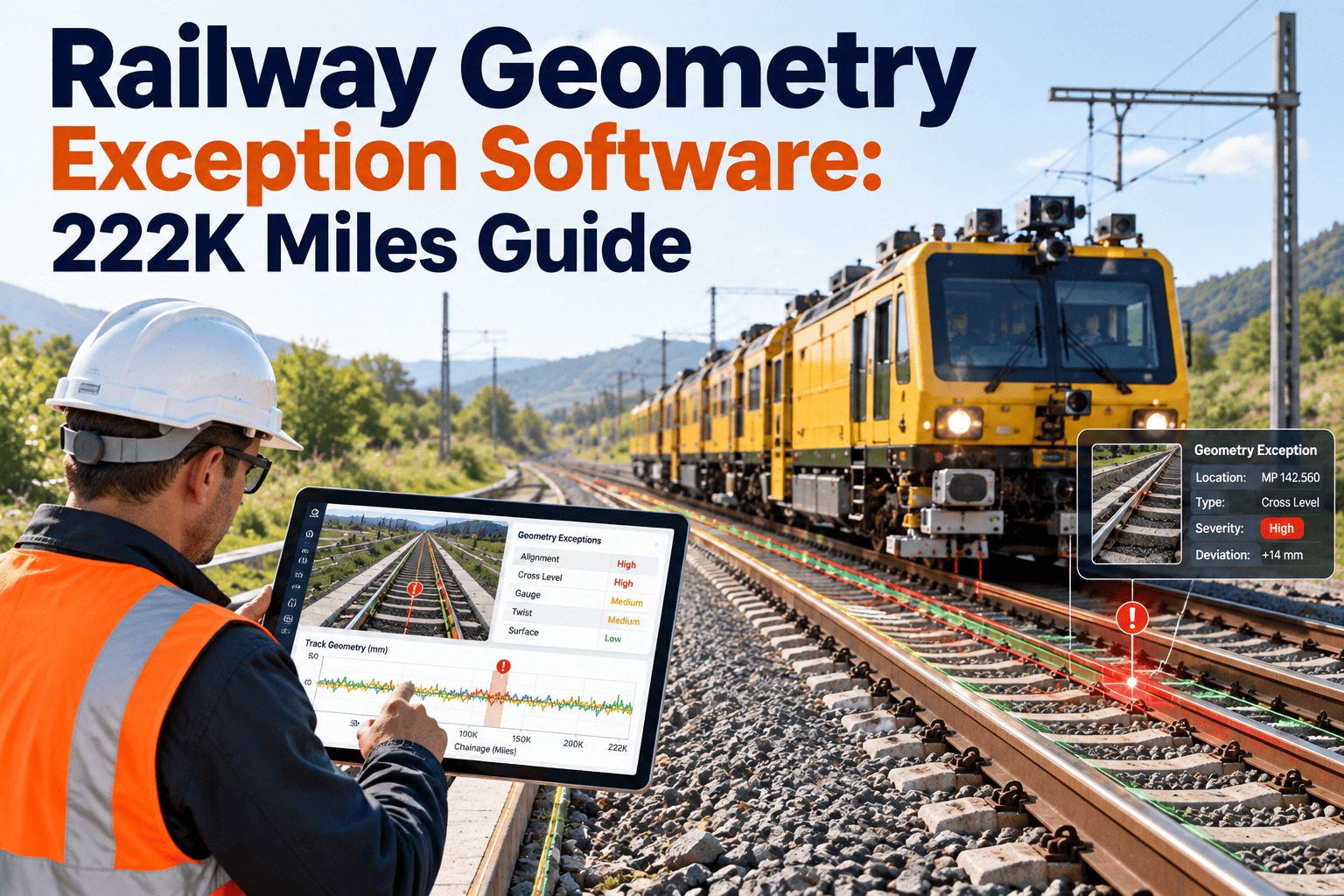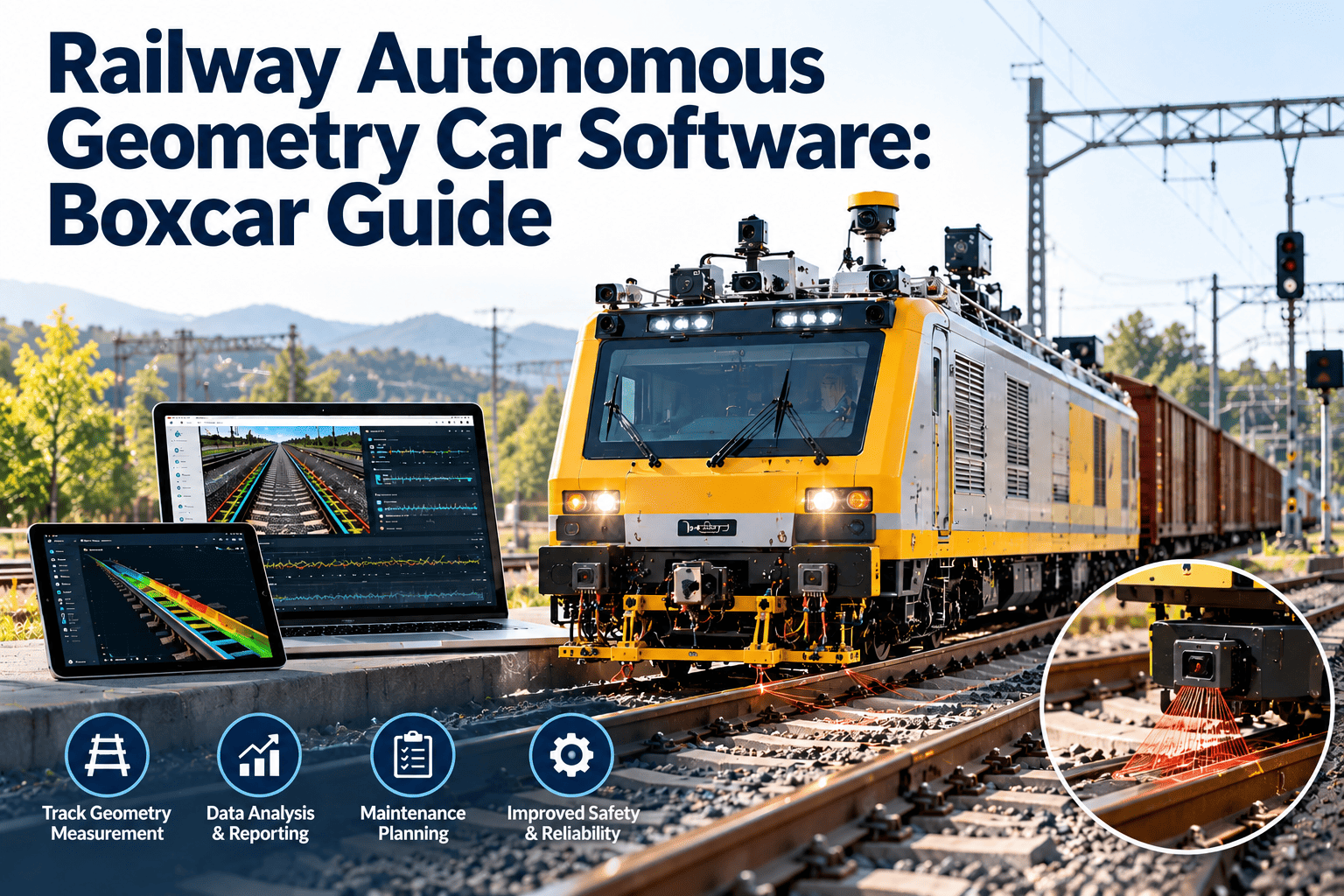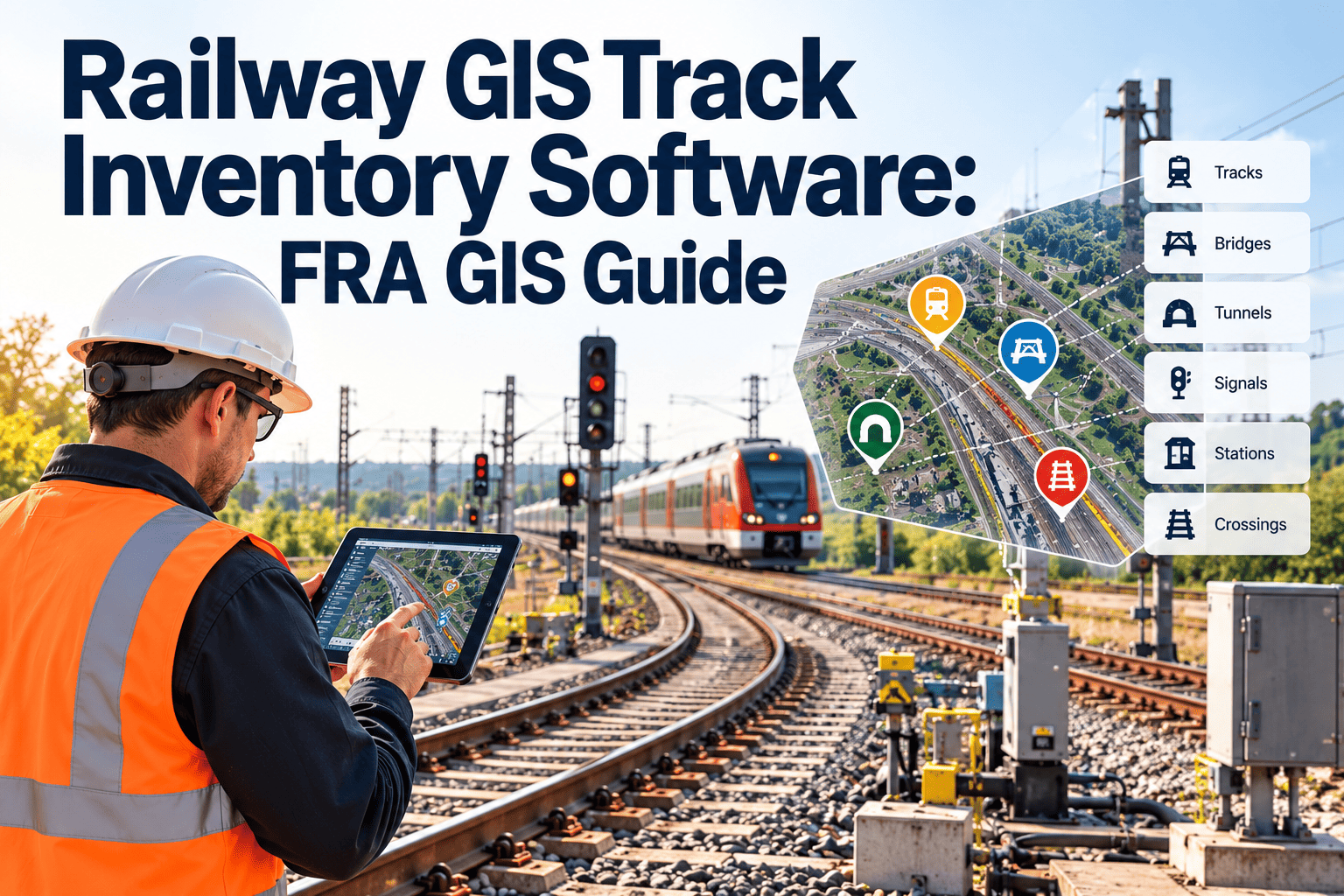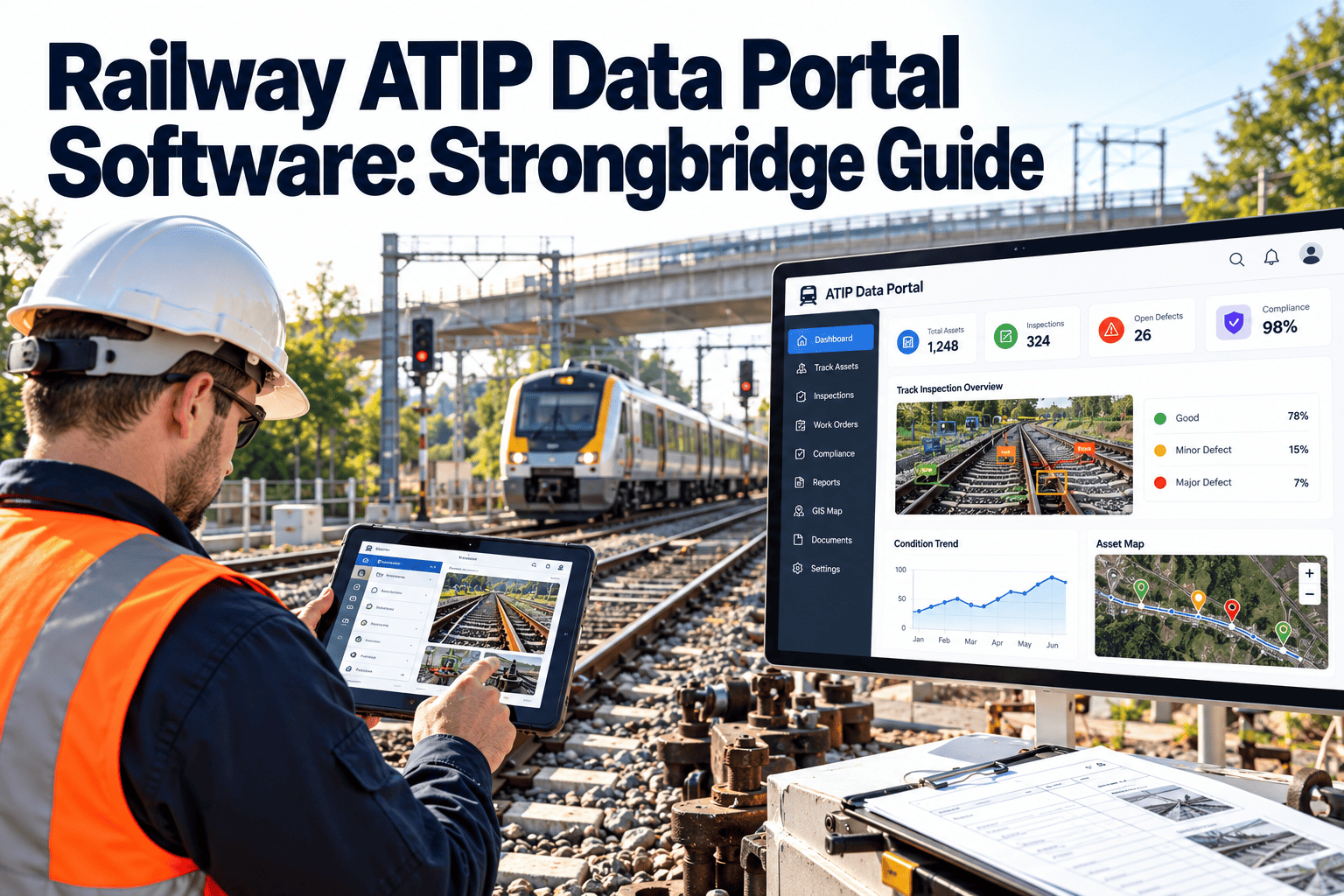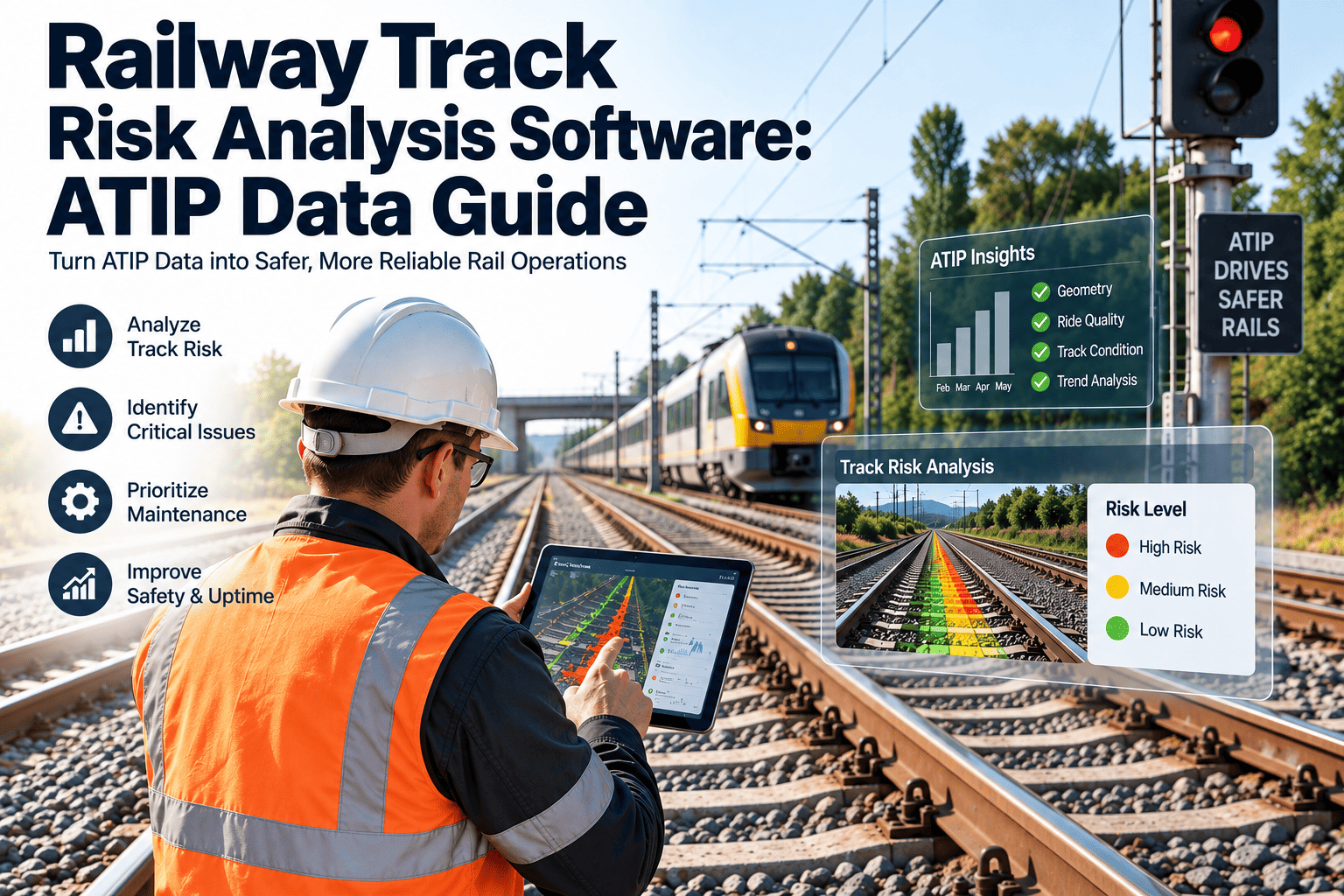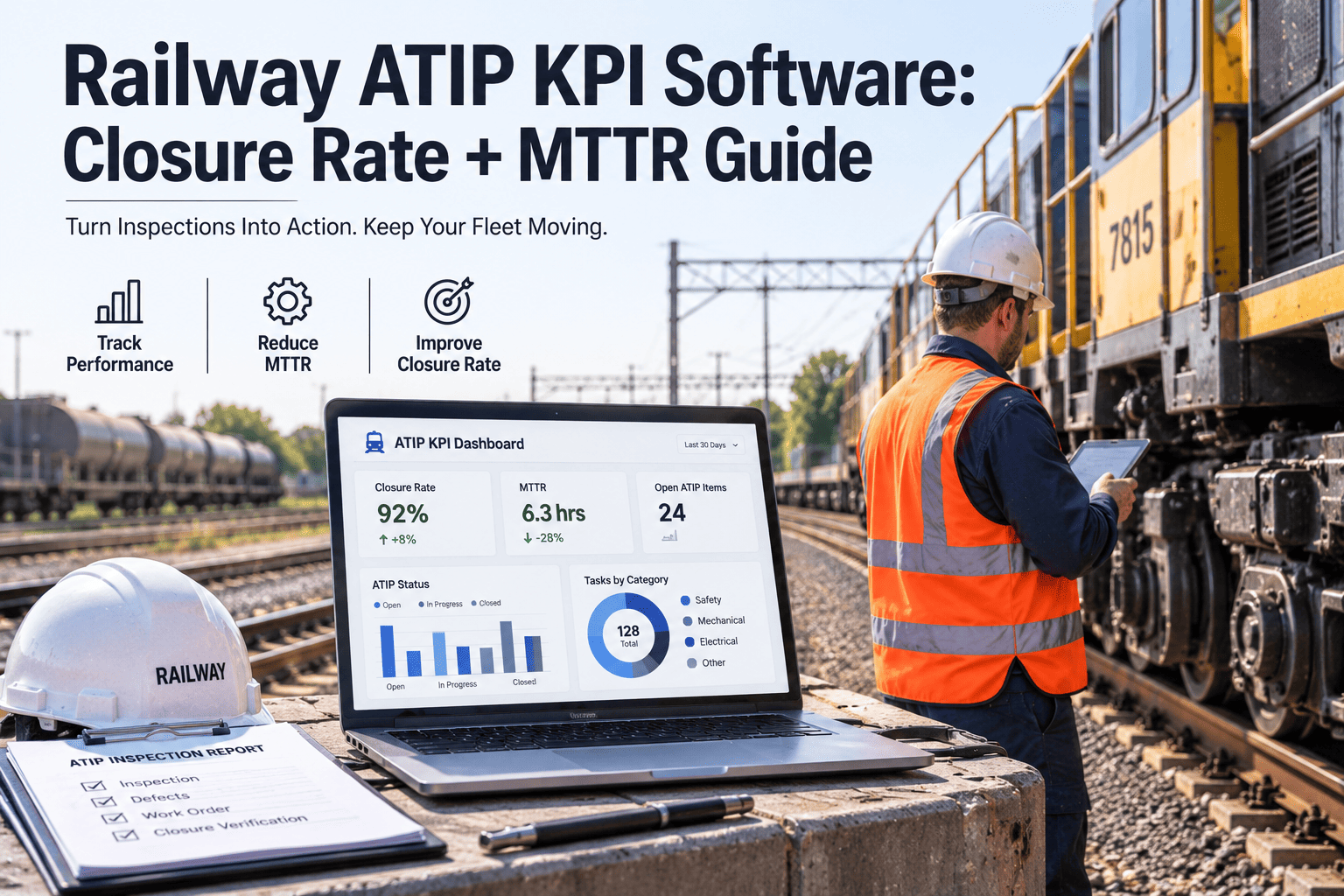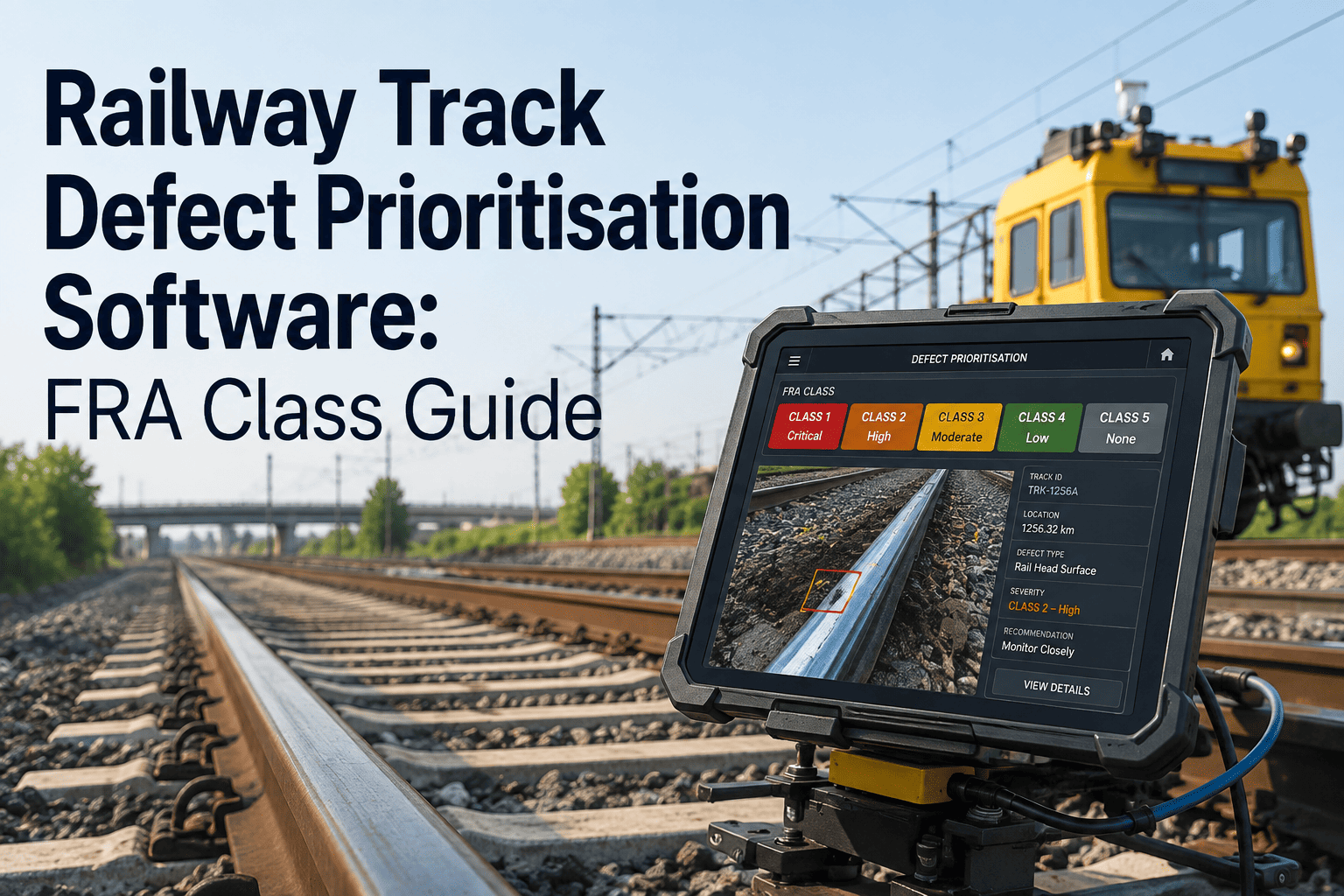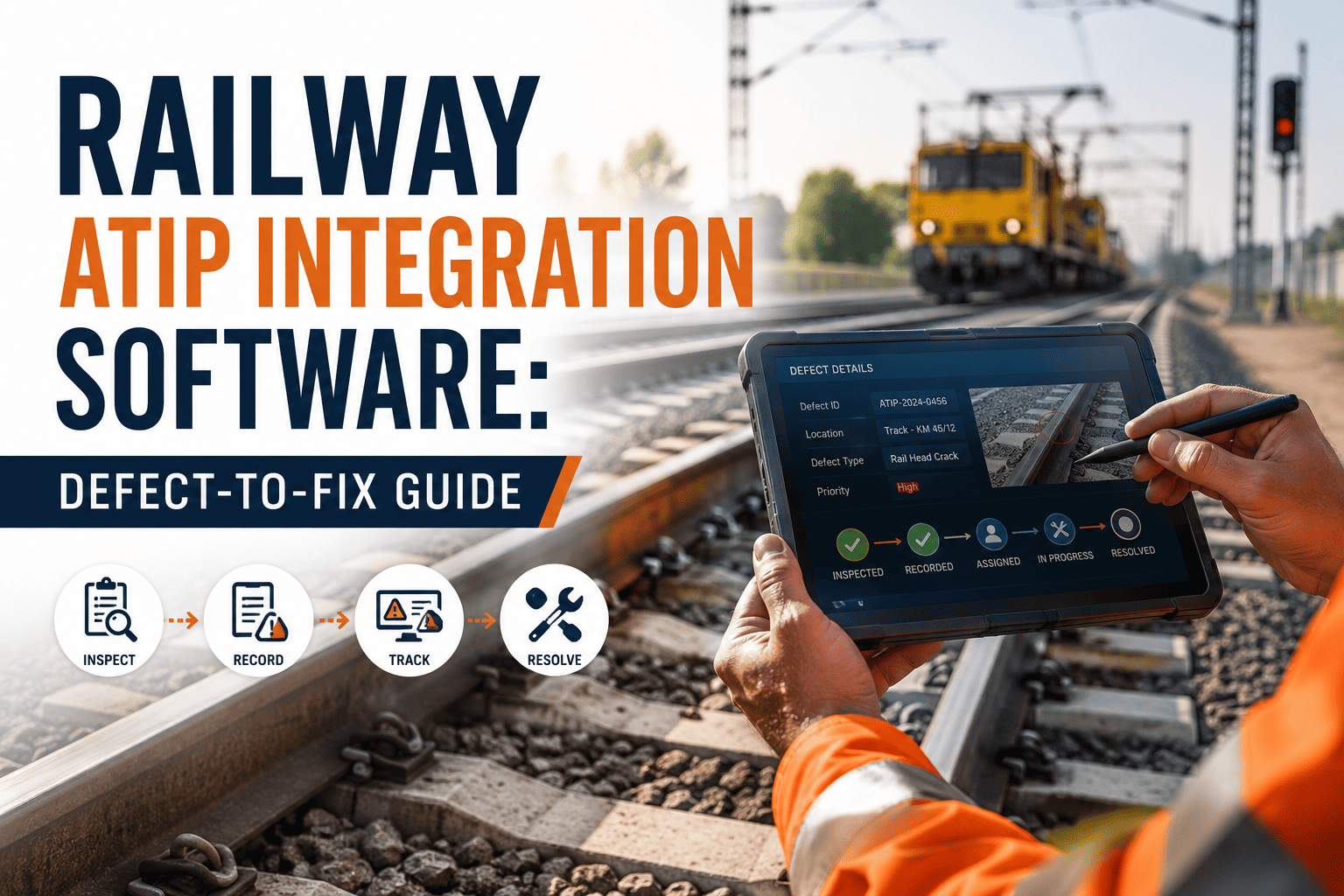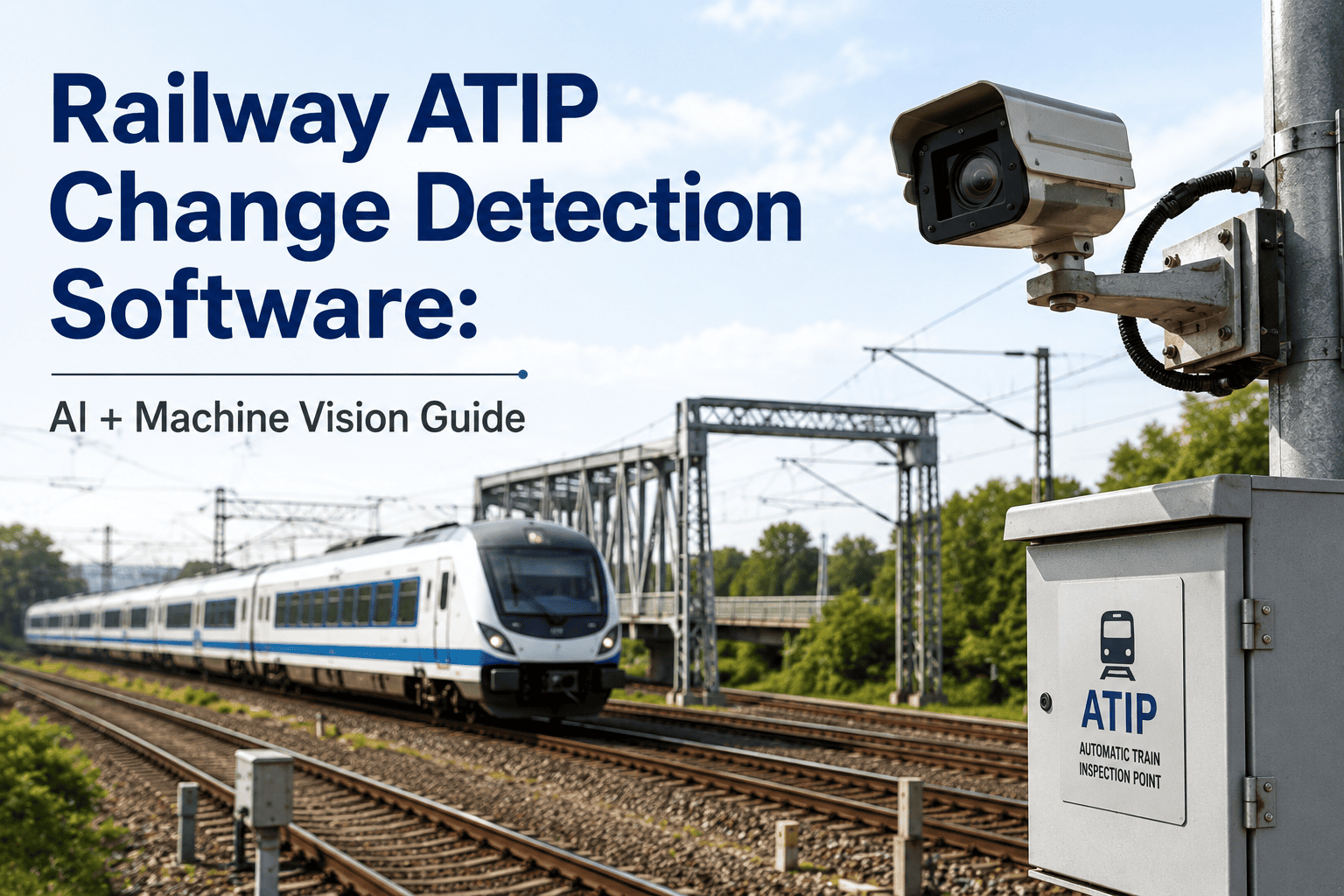
A ballast section that has quietly settled two centimeters since last inspection. A rail fastener that has gone missing between two scheduled track walks. A vegetation encroachment creeping toward the clearance envelope on a curve nobody has walked in eleven days. Automated Track Inspection Program discipline exists precisely because human track walkers, however experienced, cannot cover every mile of a network on a schedule tight enough to catch change while it is still cheap to fix. Machine vision, Lidar point clouds, and track geometry data acquired from instrumented vehicles now let a railroad compare this month's track condition against last month's, frame by frame and point by point, and flag exactly what changed instead of asking an inspector to remember what normal looked like. Sign in to OxMaint to connect ATIP change detection output directly into a CMMS work order queue.
Railway ATIP Change Detection Software: AI and Machine Vision
Automated Track Inspection Program methodology combines machine vision cameras, Lidar scanning, and track deviation system data to detect infrastructure change between inspection runs — surfacing defects that manual walking inspections miss between cycles.
The Three Data Sources Behind Modern ATIP Change Detection
FRA Engineering and Technology guidance treats automated track inspection as a layered discipline — no single sensor catches everything, so change detection systems fuse three data streams into one defect picture.
Walking Inspection vs AI Change Detection
Fuse Machine Vision, Lidar, and TDS Into One Work Order Queue
Most railroads already collect all three data streams but review them in separate systems. OxMaint brings the confirmed defects together in one queue so track maintenance crews stop cross-checking three reports before dispatching a single repair.
What a Railroad Needs to Run ATIP Change Detection
| Requirement | Specification | Notes | Status |
|---|---|---|---|
| Inspection vehicle or car | Track geometry car, hi-rail vehicle, or dedicated inspection consist | Most Class I and regional railroads already operate one | Often existing |
| Machine vision camera rig | High-speed line-scan cameras, minimum 2000 fps equivalent coverage at line speed | Retrofittable to existing inspection vehicles | New hardware required |
| Lidar scanning unit | Survey-grade Lidar with point density sufficient for clearance and ballast analysis | Frequently bundled with geometry car upgrades | New hardware required |
| Baseline run history | Minimum two prior runs over the same segment for change comparison | Required before change detection models produce reliable output | Builds over time |
| CMMS work order integration | API connection from change detection output to OxMaint work order engine | Converts confirmed defects into dispatched repairs automatically | OxMaint native |
Track walkers are still essential and no railroad I have worked with is trying to eliminate that role — what changes is what they are walking out to look at. Instead of covering every mile on a fixed schedule regardless of condition, a track walker responds to a change detection flag that says this specific joint bar shifted, or this ballast section settled two millimeters since the last run. That is a fundamentally different use of skilled labor. The railroads getting the most value from ATIP change detection are not the ones with the newest sensors, they are the ones that built a tight loop between the detection system and the work order system, so a flagged defect becomes a dispatched repair within the same shift instead of sitting in a report that gets reviewed the following week.
Frequently Asked Questions
Every Run. Every Point Cloud. Every Confirmed Defect Dispatched.
OxMaint connects machine vision, Lidar, and track deviation system output into one work order queue — so change detected on today's run becomes a dispatched repair before the next one begins.