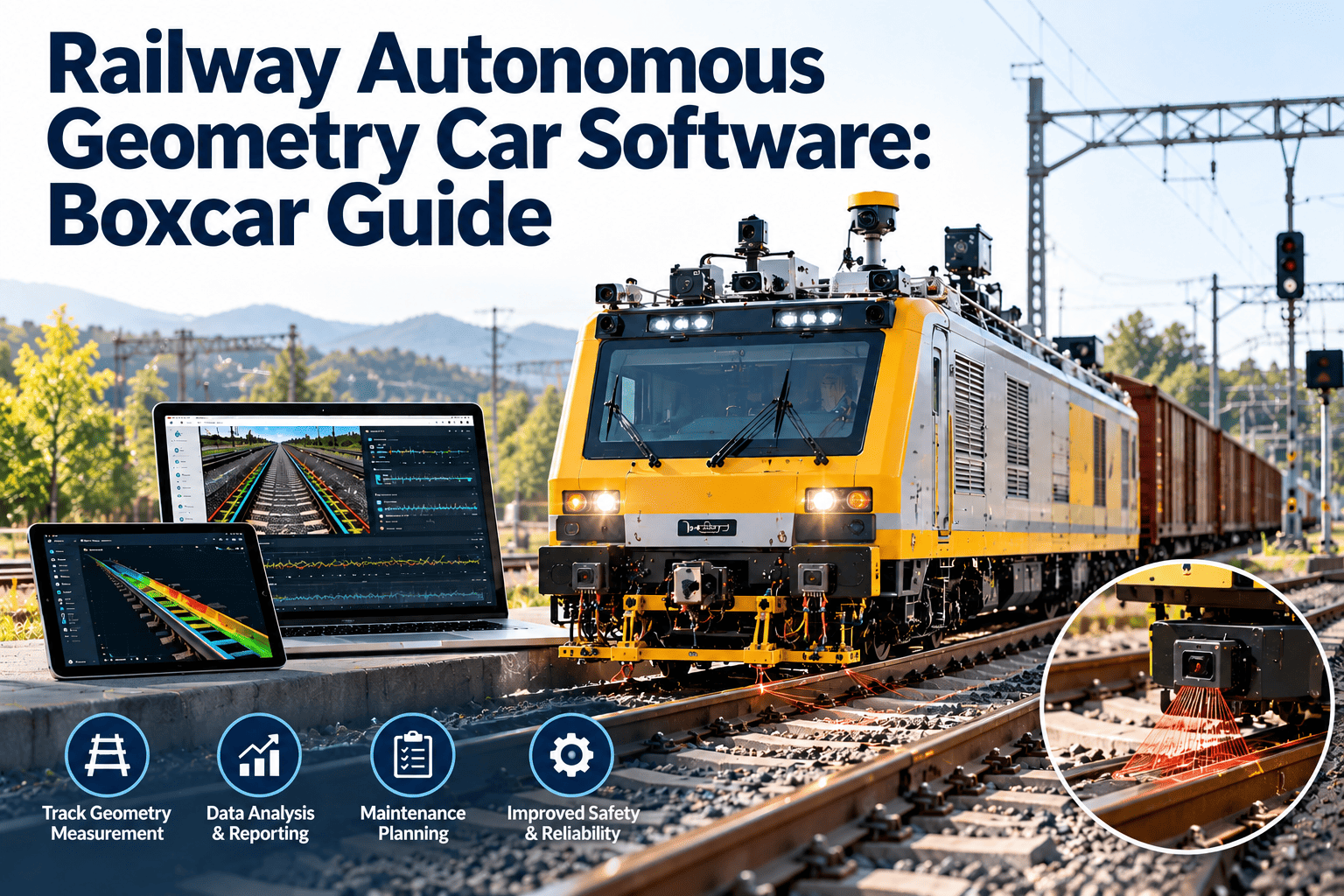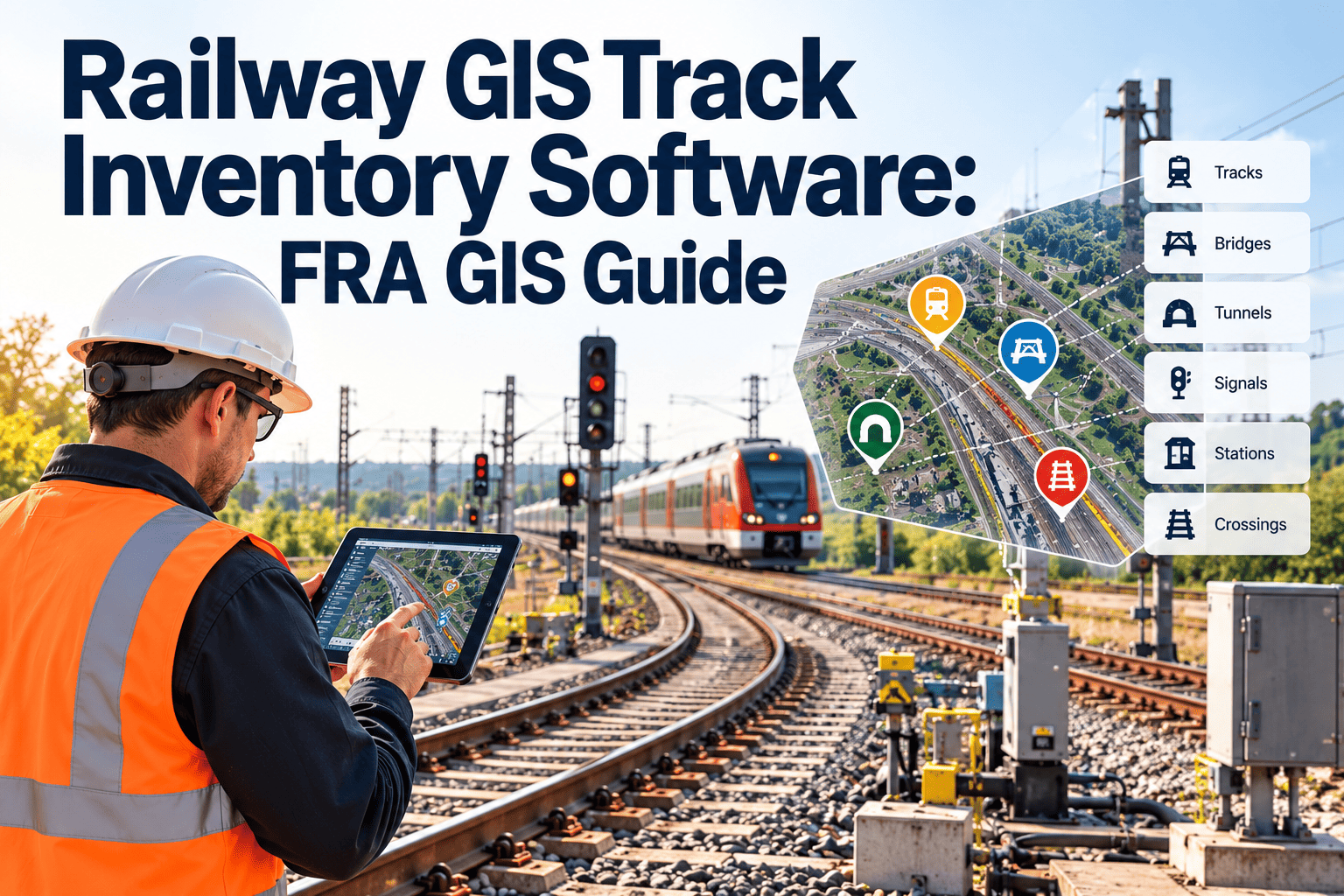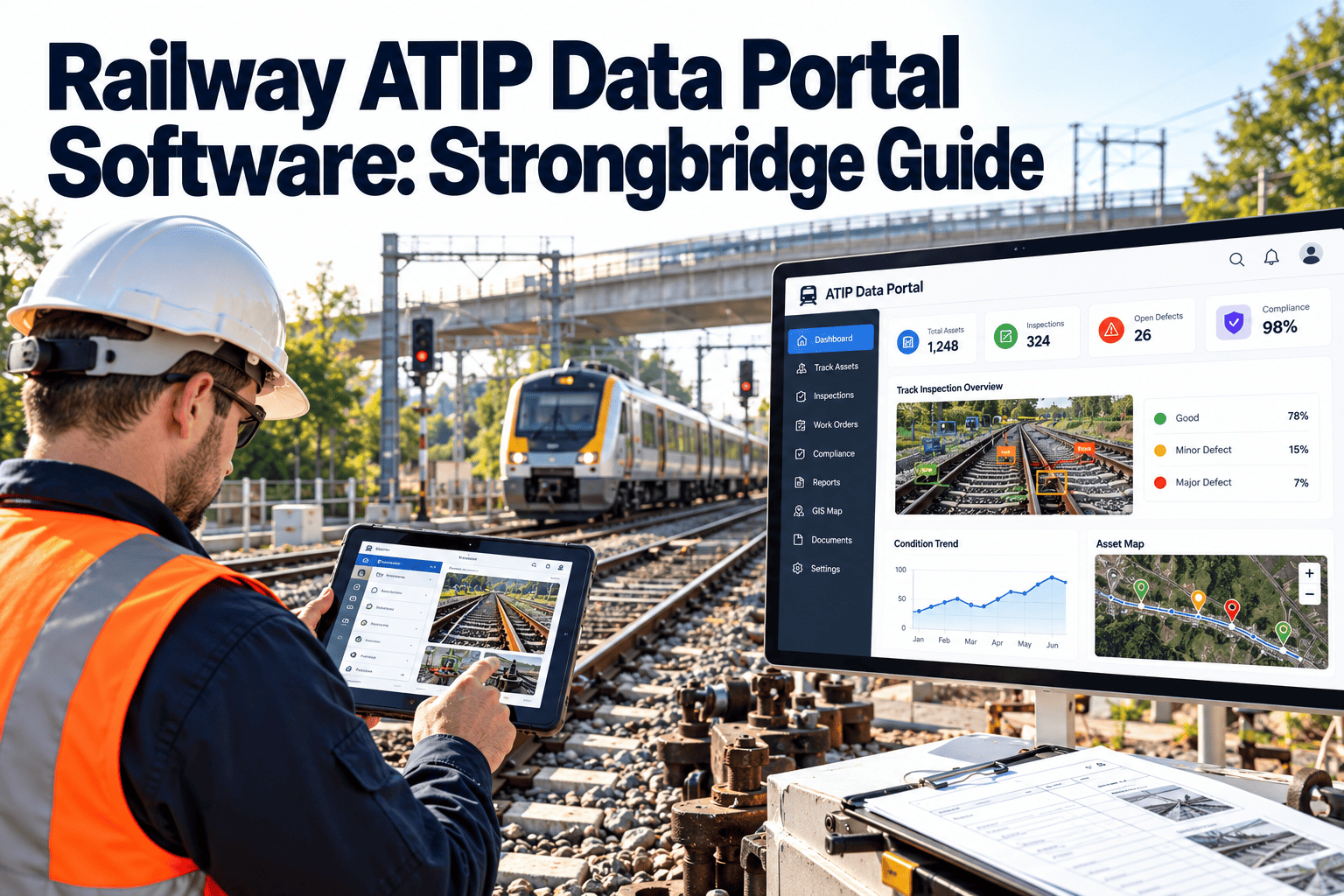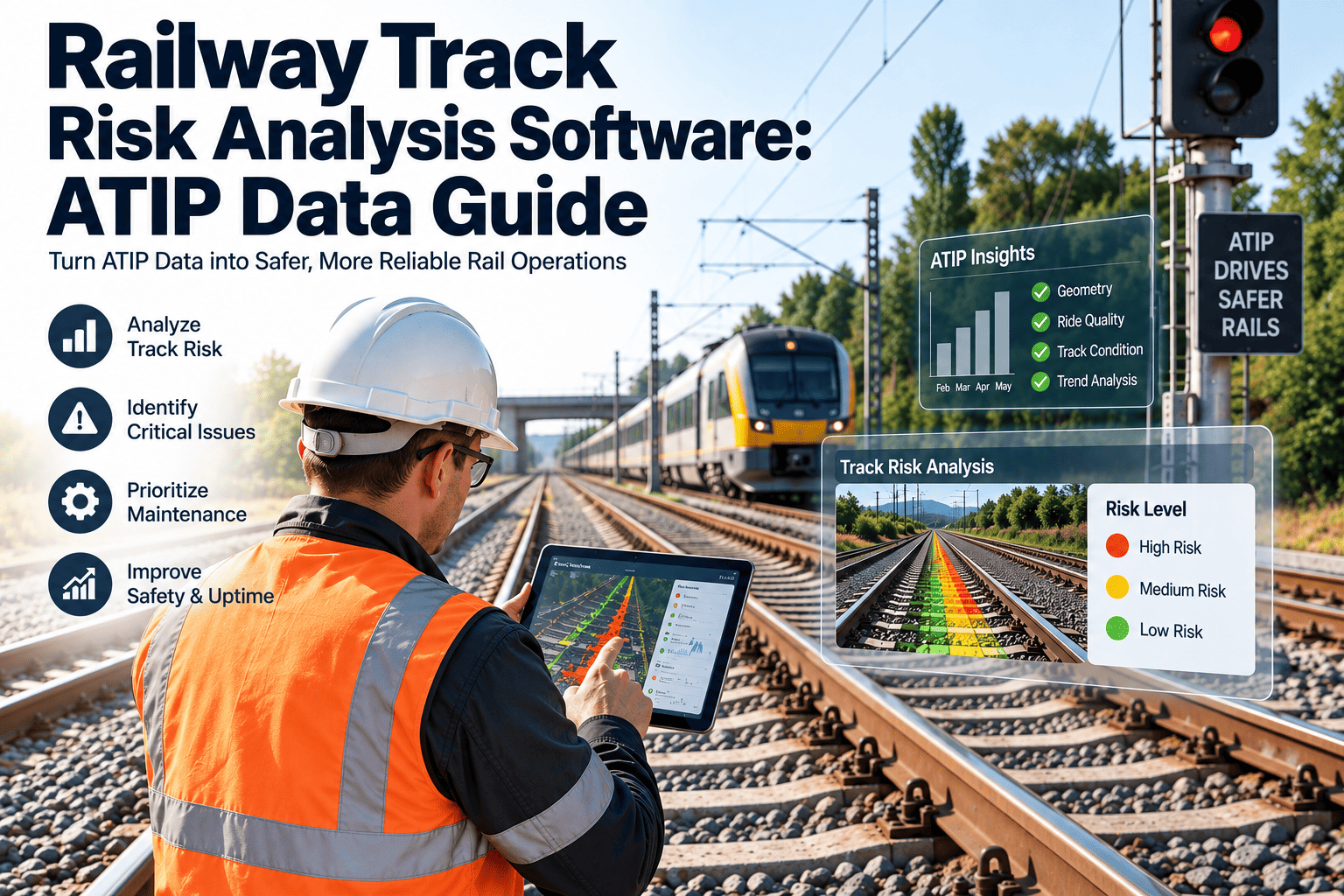
An automated track inspection car doesn't slow down for the exceptions it finds. It scans gage, crosslevel, warp, profile, and alignment at track speed and generates a report of every deviation from the Federal Track Safety Standards it passed over. The inspection itself is fast. What determines whether that speed actually improves safety is how quickly your railroad closes what the car found.
Railway ATIP KPI Software: Turning Track Exceptions Into Closed Work Orders
Automated track inspection generates exceptions faster than most maintenance-of-way teams can close them. Closure rate and MTTR are the two numbers that show whether your exception backlog is shrinking or growing.
What Automated Track Inspection Actually Measures
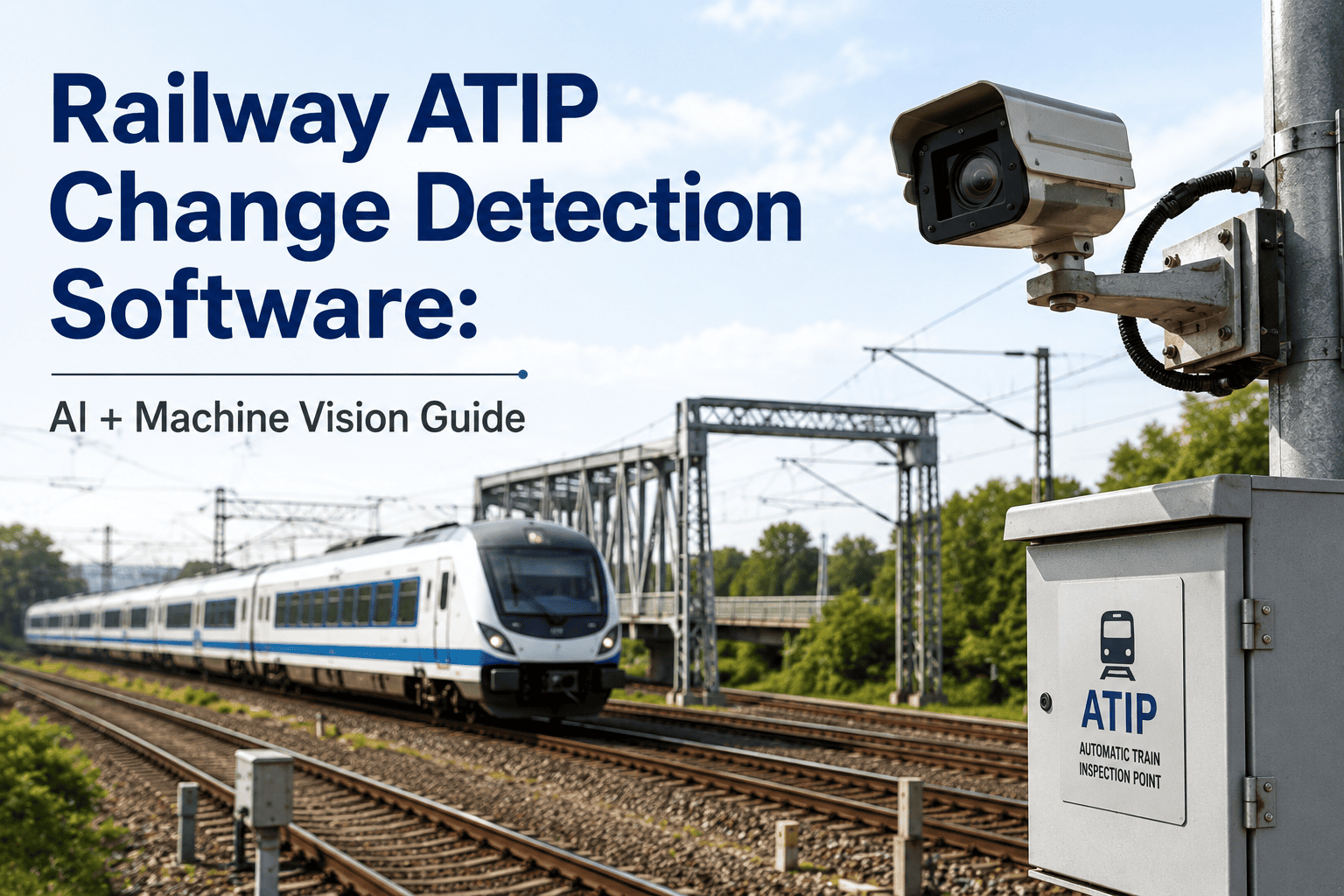
Automated track inspection combines geometry cars, onboard measurement systems, and machine-vision technology to survey rail infrastructure for deviations from Track Safety Standards under 49 CFR Part 213. The Federal Railroad Administration has run its own national Automated Track Inspection Program since 1974, using a fleet of survey vehicles to audit compliance across the general railroad system. Many Class I railroads run parallel internal automated inspection programs on the same principle, using their own geometry cars or contracted survey services to catch deviations between FRA audits.
Either way, the output is the same: an exception report tied to a specific milepost, defect type, and severity class. What happens after that report is generated is where track safety is actually won or lost.
Gage and Crosslevel
Deviations in rail spacing or elevation difference between rails that affect wheel-rail interaction and rollover risk at speed.
Warp and Twist
Rate of change in crosslevel over a short distance, a leading indicator for derailment risk on curves and transitions.
Profile and Alignment
Vertical and horizontal deviations from design geometry that affect ride quality and long-term structural fatigue.
Rail Defects
Internal and surface flaws identified through rail flaw detection, each carrying its own remedial action timeline under Part 213.
Why Not Every Exception Gets the Same Clock
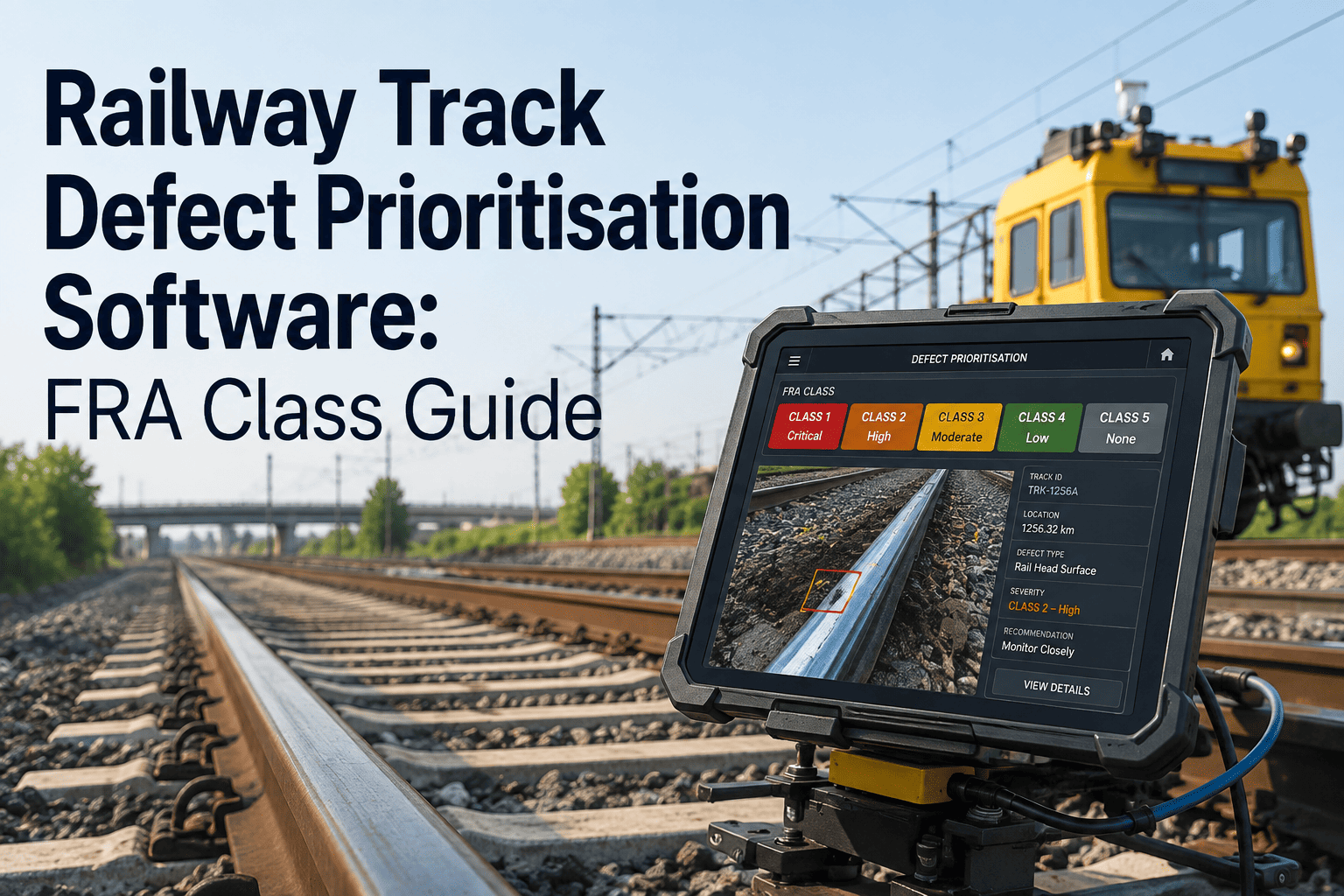
Part 213 doesn't treat every deviation the same way, and that variation is exactly why a spreadsheet-based tracking process struggles to keep up once exception volume climbs. Remedial action requirements scale with both the severity of the defect and the class of track it's found on.
This is a general framework, not a substitute for the specific defect tables in Part 213, which vary by track class and defect type. The point for exception management is structural: a system has to be able to tell the difference between these categories automatically, or every exception ends up competing for the same attention regardless of how urgent it actually is.
Why Exception Volume Outpaces Closure
A single survey run can generate hundreds of exceptions across a subdivision. Each one carries a remedial action requirement that varies by defect type and track class under Part 213 — some call for an immediate speed restriction, others allow a defined repair window measured in days.
Manual Dispatch to Crews
Exception reports are often distributed as spreadsheets or PDFs, requiring someone to manually assign each one to a track gang and track its status separately.
No Single Closure Record
Verification that a repair was completed and re-inspected often lives in a different system than the original exception, making it hard to prove closure during an audit.
Safety-Critical Items Buried in Volume
When hundreds of low-severity exceptions arrive alongside a handful of safety-critical ones, the urgent items can lose visibility in the backlog.
Monthly Review Prep Is Manual
Compiling closure rate and MTTR for internal safety review or an FRA compliance discussion often means someone manually reconciling multiple spreadsheets before the meeting.
See Your Exception Backlog as a Live Dashboard
Walk through how OxMaint turns a geometry car exception file into tracked, assigned, closable work orders.
From Detected Exception to Verified Closure
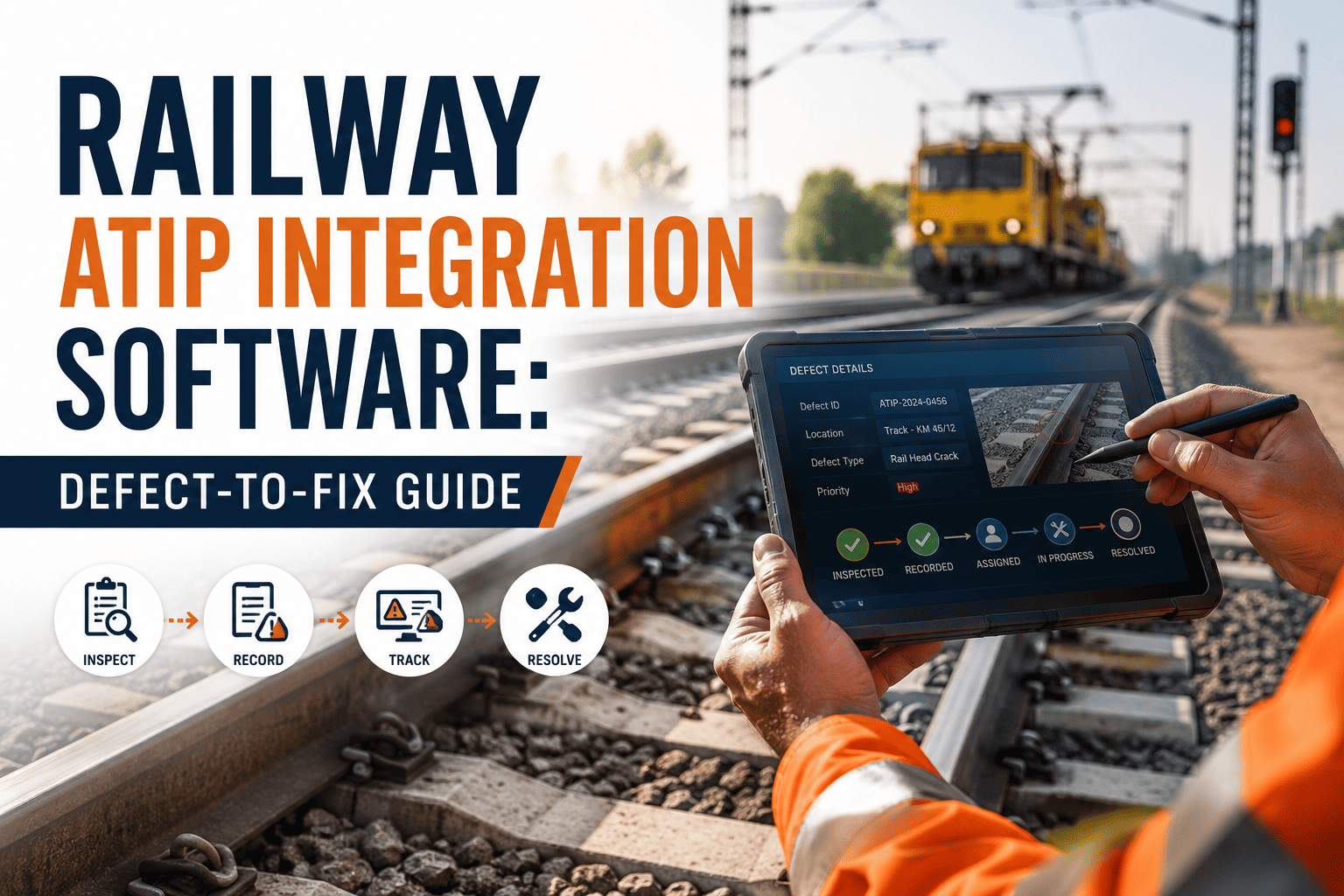
A well-run exception program treats every detected deviation as a work order with a defined lifecycle, not a line item on a report that gets filed and forgotten.
Detect
Geometry car or rail flaw detection survey identifies a deviation and logs it against a specific milepost and defect type.
Classify
The exception is matched to its Part 213 remedial action category, which sets whether a speed restriction is required immediately.
Assign
A work order routes automatically to the responsible track gang or subdivision, with the remedial deadline attached.
Remediate
The crew completes the repair and logs the work performed, materials used, and time spent against the original exception.
Verify and Close
A follow-up inspection confirms the defect is resolved before the exception is marked closed, preserving the full audit trail.
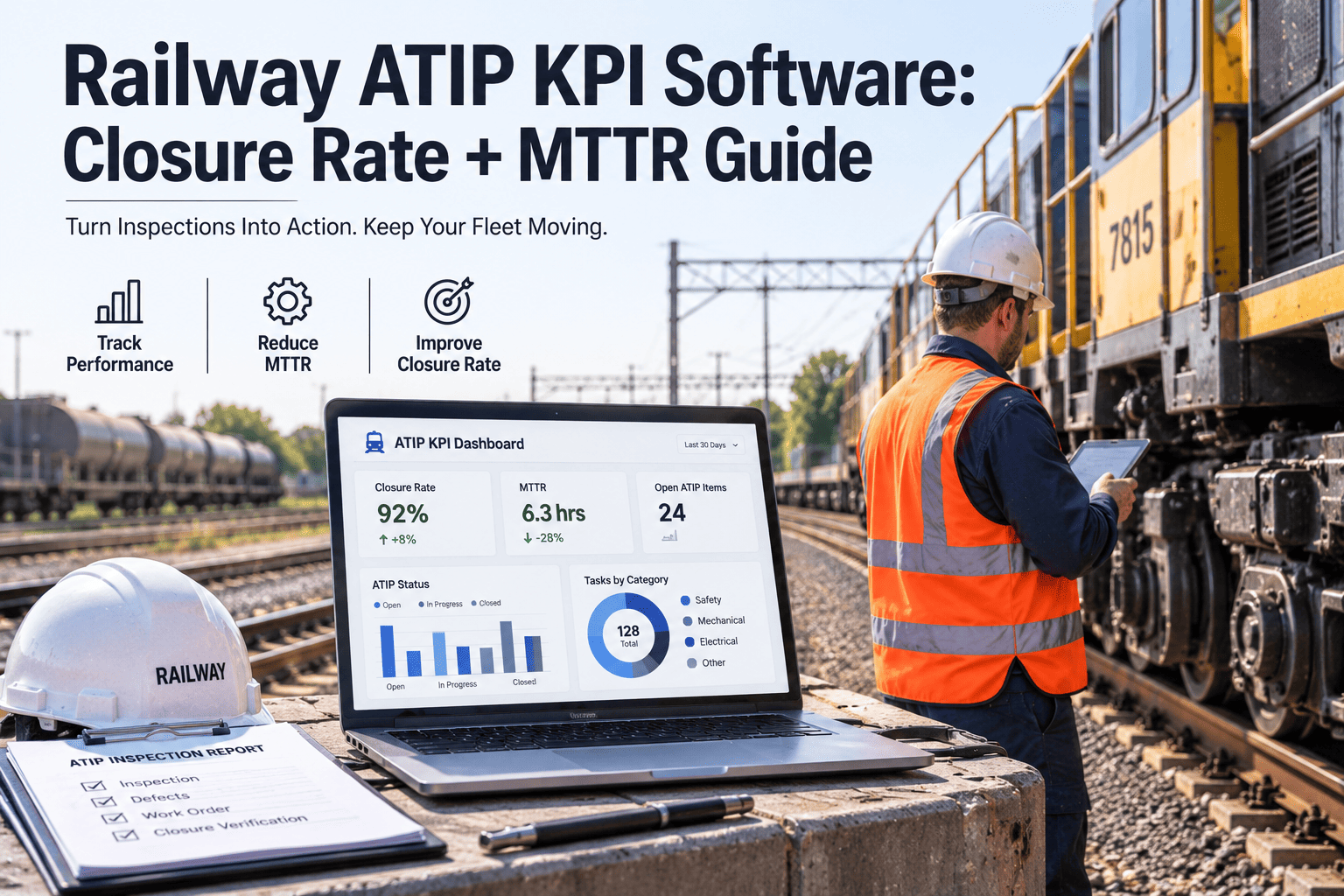
Closure Rate and MTTR: What They Actually Tell You
Two numbers matter most when evaluating whether a track exception program is keeping pace with what inspection technology finds.
| Metric | What It Measures | Why It Matters |
|---|---|---|
| Exception Closure Rate | Percentage of detected exceptions verified and closed within their required remedial window | Shows whether the backlog is shrinking or growing relative to survey volume |
| Mean Time to Repair (MTTR) | Average time from exception detection to verified closure | Flags whether resourcing, dispatch, or crew scheduling is the bottleneck |
| Safety-Critical Response Time | Time from detection to initial remedial action on exceptions requiring immediate speed restriction | Directly tied to derailment risk and the most heavily scrutinized figure in a safety review |
How OxMaint Supports Track Exception Management
OxMaint gives maintenance-of-way teams a single system to turn an inspection exception file into tracked work orders, from the moment a geometry car report lands to the moment a follow-up inspection confirms closure. Exceptions can be imported and automatically classified, assigned to the right gang, and flagged by severity so safety-critical items never get lost inside a larger batch of lower-priority findings.
Backlog Metrics Without the Manual Reconciliation
Closure rate and MTTR are calculated automatically from work order timestamps rather than reconstructed by hand before a monthly review, giving track safety leadership a live view of backlog health instead of a snapshot pulled together the night before a meeting.
Automated Exception Intake
Import geometry car and rail flaw detection reports directly into work orders, tagged with milepost, defect type, and severity class.
Severity-Based Routing
Safety-critical exceptions route with priority flags so track gangs and supervisors see them ahead of routine maintenance items.
Live Closure Rate and MTTR
Dashboards calculate closure rate and mean time to repair continuously, ready for internal review or FRA compliance discussions.
Verified Closure Trail
Each exception retains its full history — detection, assignment, remediation, and re-inspection — as a single auditable record.
Frequently Asked Questions
What counts as a track geometry exception?
A track geometry exception is any measured deviation in gage, crosslevel, warp, profile, or alignment that falls outside the allowable limits defined for the track's class under 49 CFR Part 213.
How is MTTR different from closure rate?
Closure rate shows what portion of exceptions get resolved within their required window, while MTTR shows how long resolution actually takes on average. A railroad can have a high closure rate with a slow MTTR if deadlines are wide, so both figures matter together.
Do all exceptions require an immediate speed restriction?
No. Remedial action requirements vary by defect type and severity class under Part 213. Some exceptions require an immediate operating restriction, while others allow a defined repair window measured in days before the deviation must be corrected.
Can this handle exceptions from both FRA and internal inspection runs?
Yes. Whether an exception originates from FRA's national survey program or a railroad's own internal automated inspection runs, it can be logged, classified, and tracked through the same closure workflow. See it with a guided demo.
How does this help with monthly safety reviews?
Since closure rate and MTTR are calculated continuously from work order data, teams can generate an accurate backlog report for a monthly review in minutes instead of reconciling spreadsheets from multiple subdivisions the day before.
Close Exceptions as Fast as You Find Them
Give your maintenance-of-way team one system to track every exception from detection to verified closure, with closure rate and MTTR visible in real time.
Free 14-day trial · No credit card