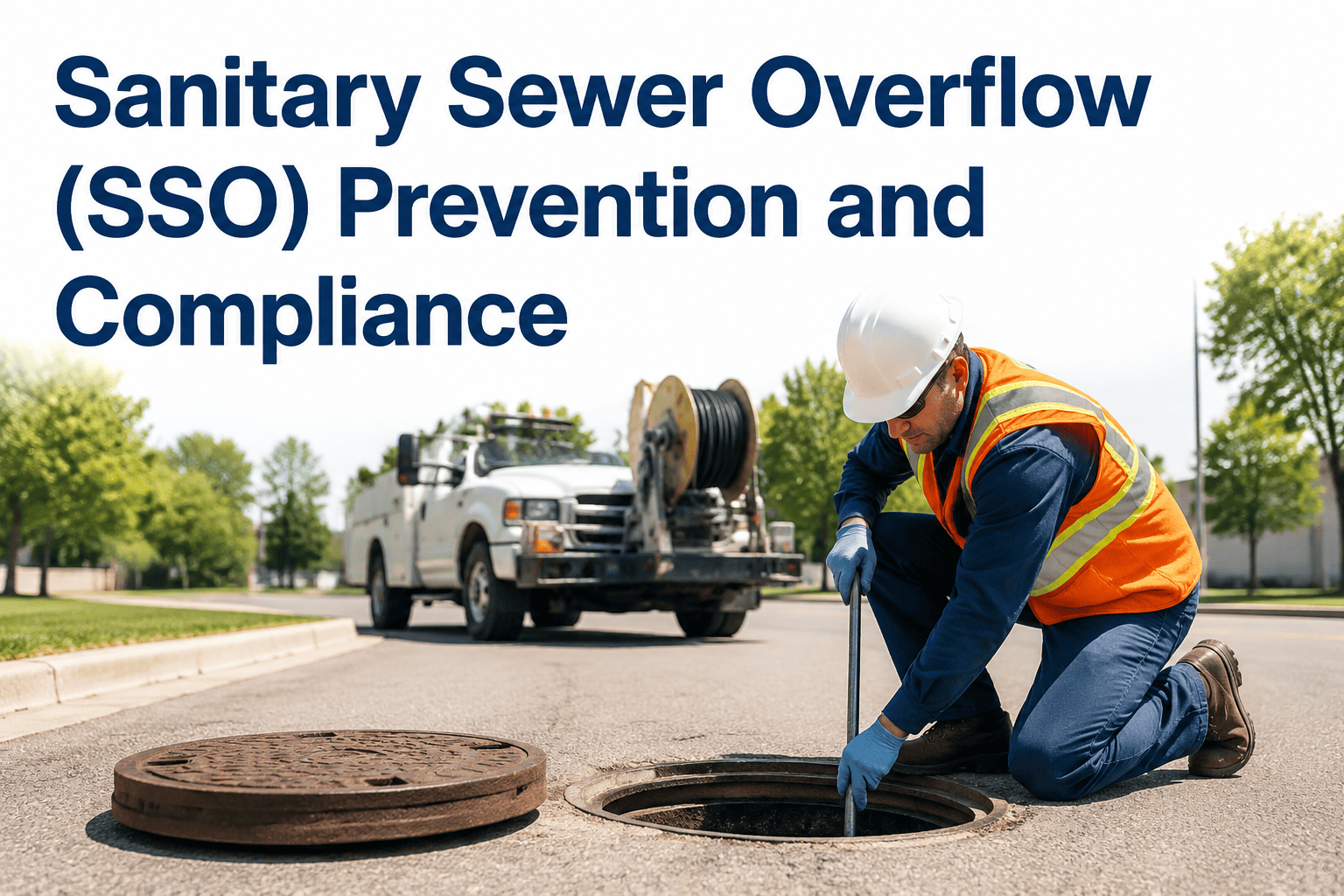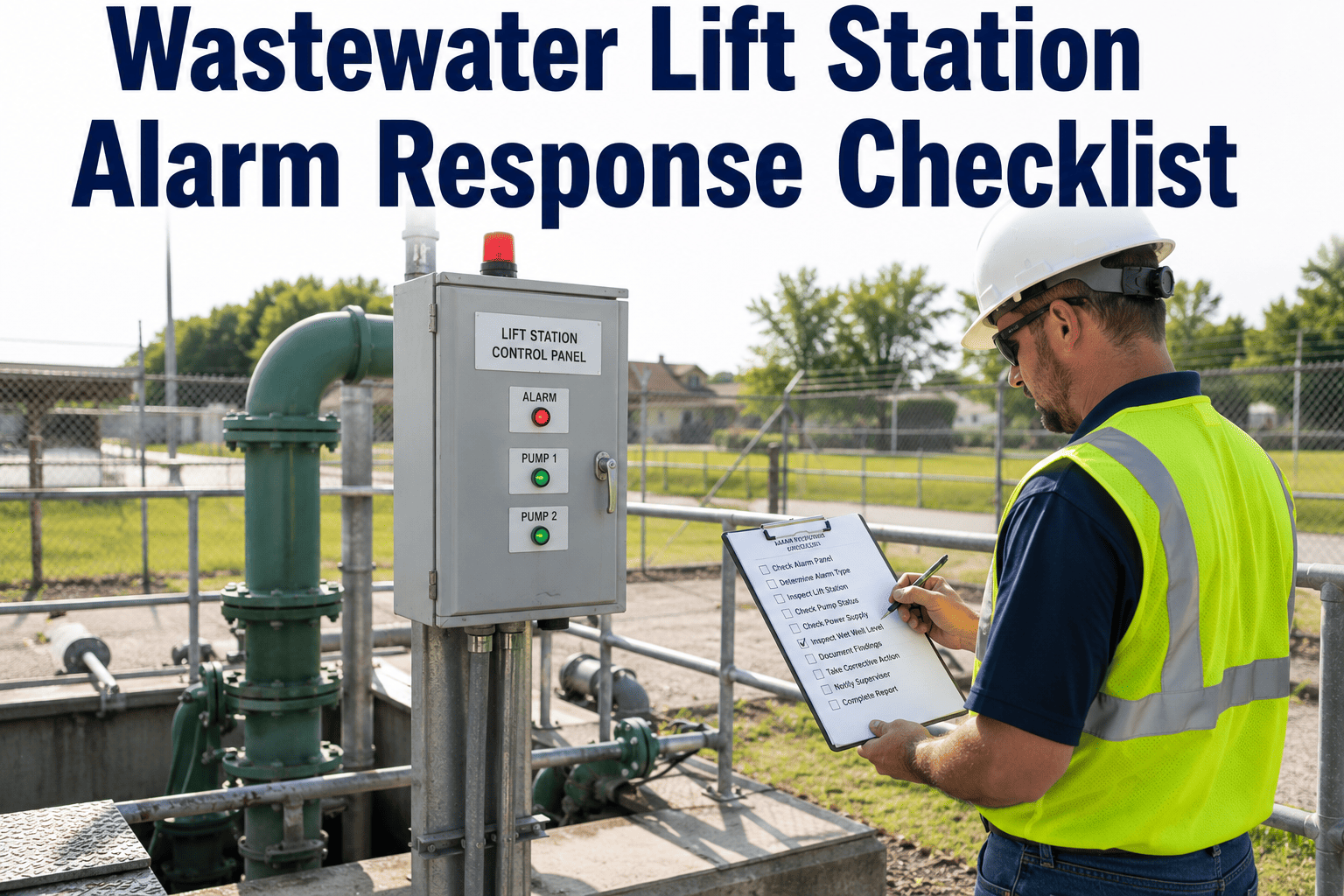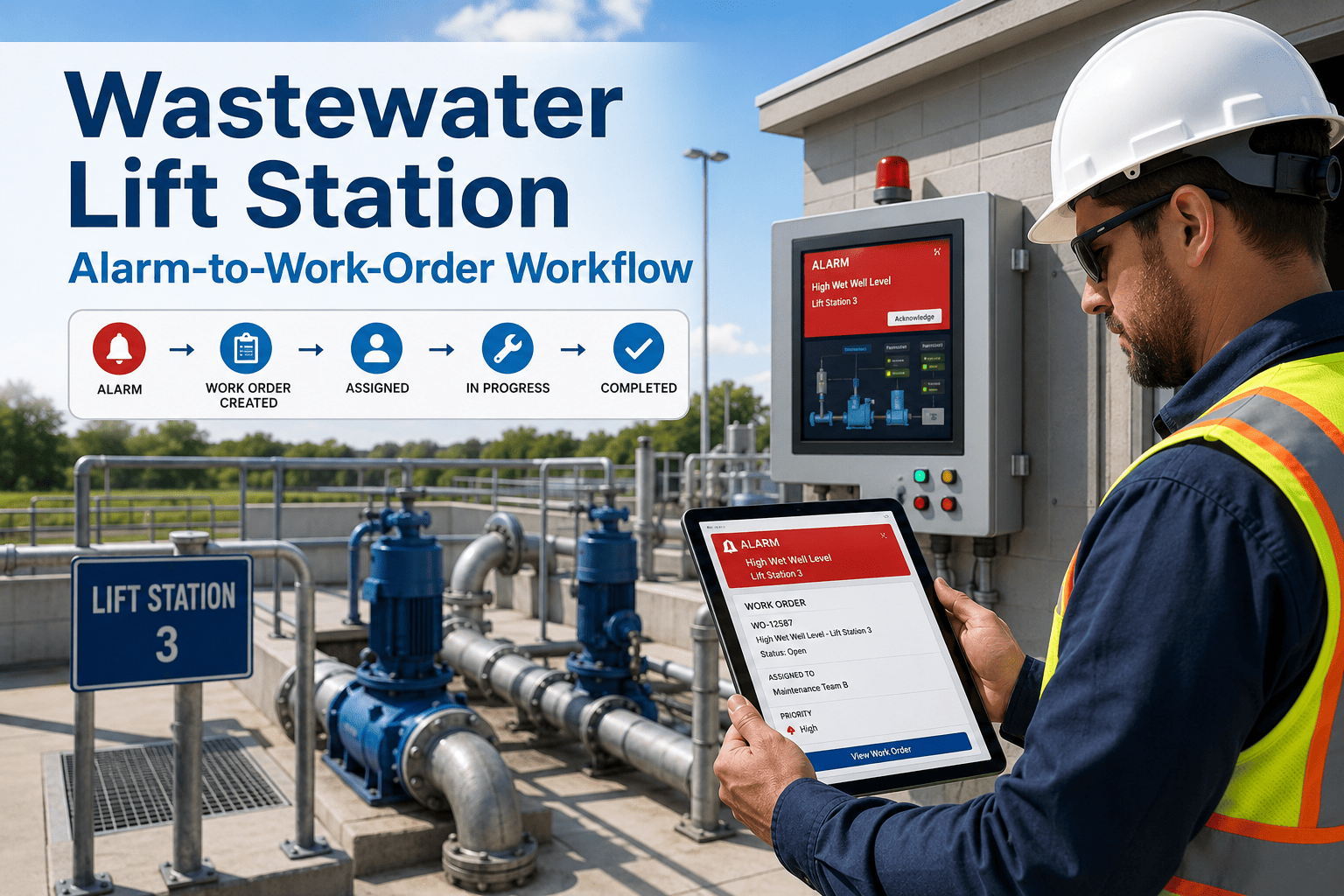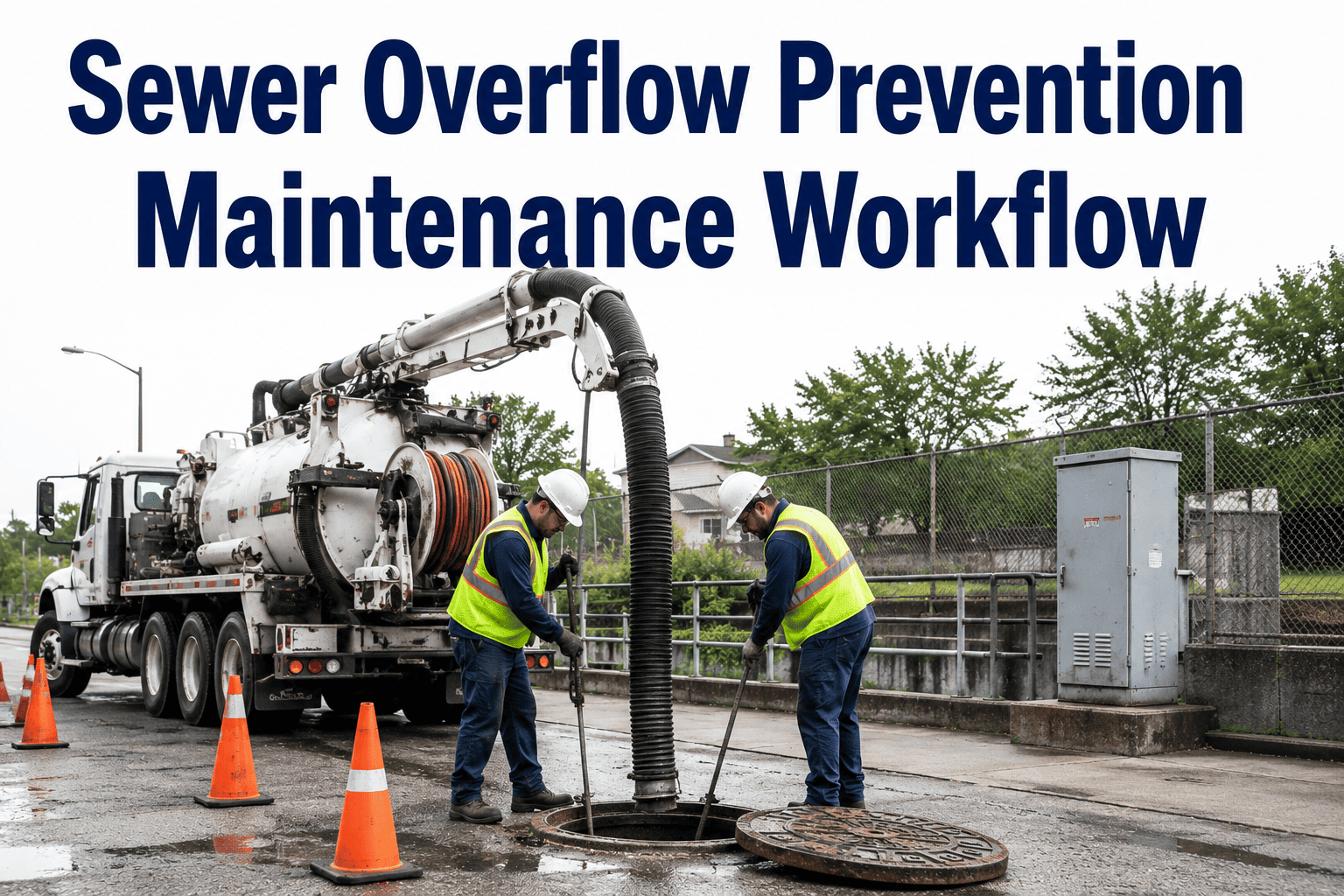
A sanitary sewer overflow is the rare maintenance failure that ends up on the news, in a basement, and in a regulator's inbox at the same time. The EPA estimates 23,000 to 75,000 SSO events hit US collection systems every year, and roughly half of them trace back to a single preventable cause: a blockage that a cleaning truck would have cleared. Grease, roots, and debris do the damage, but the real gap is usually a schedule that wasn't risk-based and records that couldn't prove the work was done. This workflow lays out how to prevent overflows with targeted cleaning, lift station inspections, and blockage tracking — all logged in OxMaint's preventive maintenance and compliance tools, or book a demo to see it on your own collection system.
Sewer Overflow Prevention Maintenance Workflow
Cut SSO risk with risk-based cleaning, pump and lift station inspections, blockage tracking, and records ready for an NPDES audit.
What actually blocks the sewer
Prevention works when cleaning targets the real causes. Among blockage-related SSOs, three culprits dominate — and each needs a different fix.
Grease alone accounts for nearly half of reported blockages, which is why FOG hotspots — lines near restaurants and low-slope sags — earn the tightest cleaning cycles.
Risk-based cleaning schedule
Cleaning every line on the same calendar wastes crews on low-risk pipe and under-serves the segments that overflow. Match frequency to the failure driver.
| Line or asset | Risk driver | Cleaning interval |
|---|---|---|
| FOG hotspot lines (near food service) | Grease | 1-3 months |
| Low-slope & sag segments | Sediment, FOG | 3-6 months |
| Root-intrusion segments | Tree roots | 6-12 months + treatment |
| Standard gravity mains | General buildup | 12-36 month rotation |
| Lift stations & wet wells | Pump, grease, power | Weekly-monthly checks |
Stop cleaning blind and start cleaning by risk
OxMaint builds cleaning schedules around your real hotspots and proves the work was done — automatically.
The four-pillar prevention workflow
Every overflow-free system runs the same loop. Each pillar feeds the next, and all four leave a record.
"Overflows are rarely a surprise to the data — they're a surprise to whoever didn't read it. The same few hundred feet of pipe back up again and again, almost always FOG or roots, and a crew that logs cause-and-location turns that pattern into a cleaning schedule that actually prevents the next spill. The other half of the job is the lift station: a worn pump or a dead backup generator during a storm causes the overflows that make headlines. Track the blockages, test the backup power, and keep the records clean — that's the whole game."
Records that keep you audit-ready
A prevention program is only as strong as its paper trail. These are the records regulators and CMOM reviewers expect on demand.
Make your prevention program prove itself
See how OxMaint links cleaning, inspections, and blockage history into one audit-ready record — walk through it on your own system in a demo.
Frequently asked questions
Prevent the overflow before it makes the news
Turn scattered cleaning and call-out logs into one risk-based, audit-ready workflow that drives your SSO numbers down and keeps regulators satisfied.