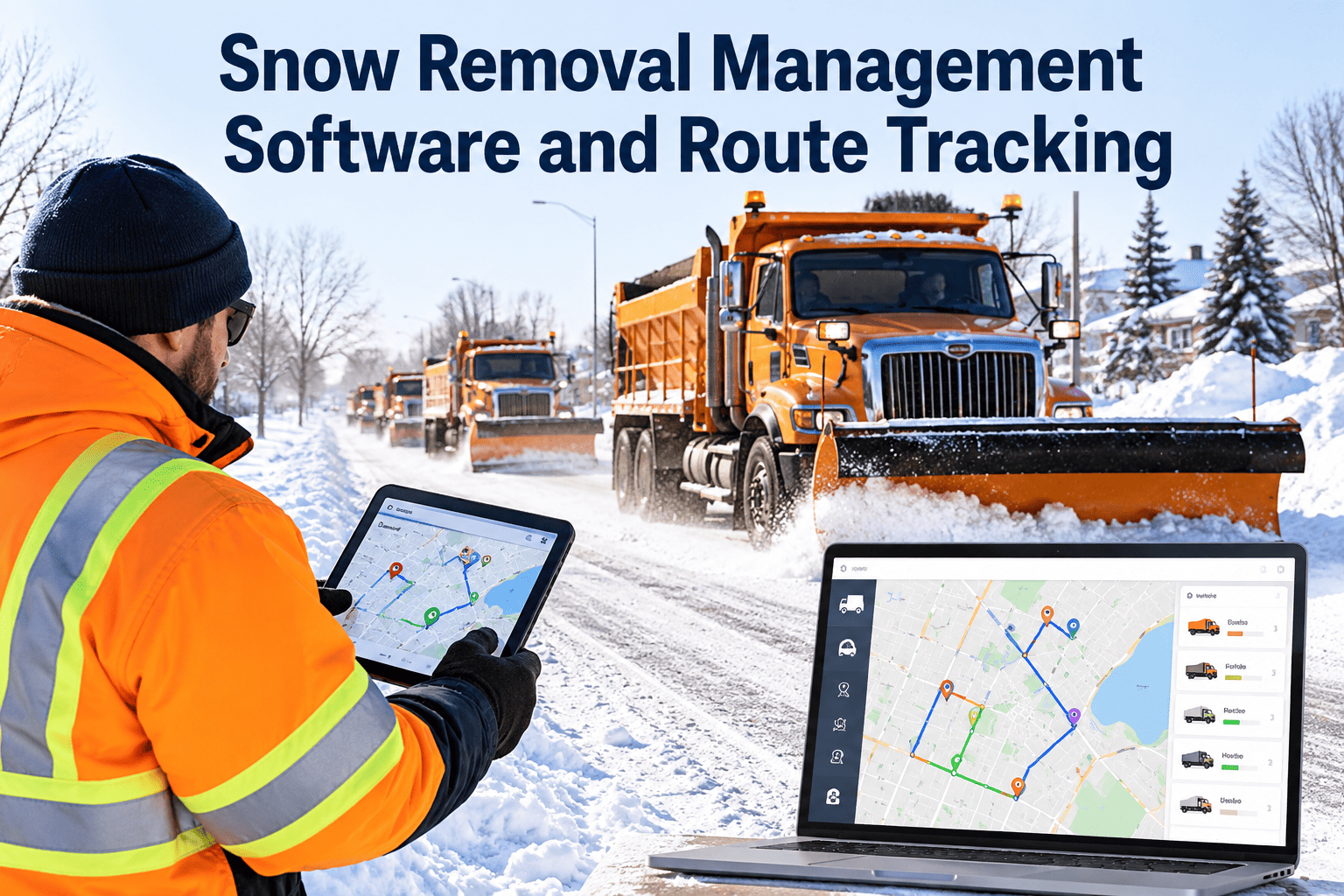
Snow removal management software helps public works teams prove that winter operations were ready before the first storm, tracked during it, and closed out properly afterward. Most departments already run the plows. What they lack is one place that shows which trucks passed inspection, which routes were completed and when, how much salt went down, and which repairs the storm left behind. Without it, questions from council, residents and insurers are answered from memory and scattered logs. This guide walks through readiness, route tracking, material use and post-storm work, and if you want to see how a CMMS records these steps, you can start with Oxmaint before the season begins.
Snow Removal Management Software and Route Tracking for Public Works
Prepare before the season, record every route during the storm, and turn the damage left behind into scheduled work orders.
Where winter operations lose control
Pre-season readiness checklist
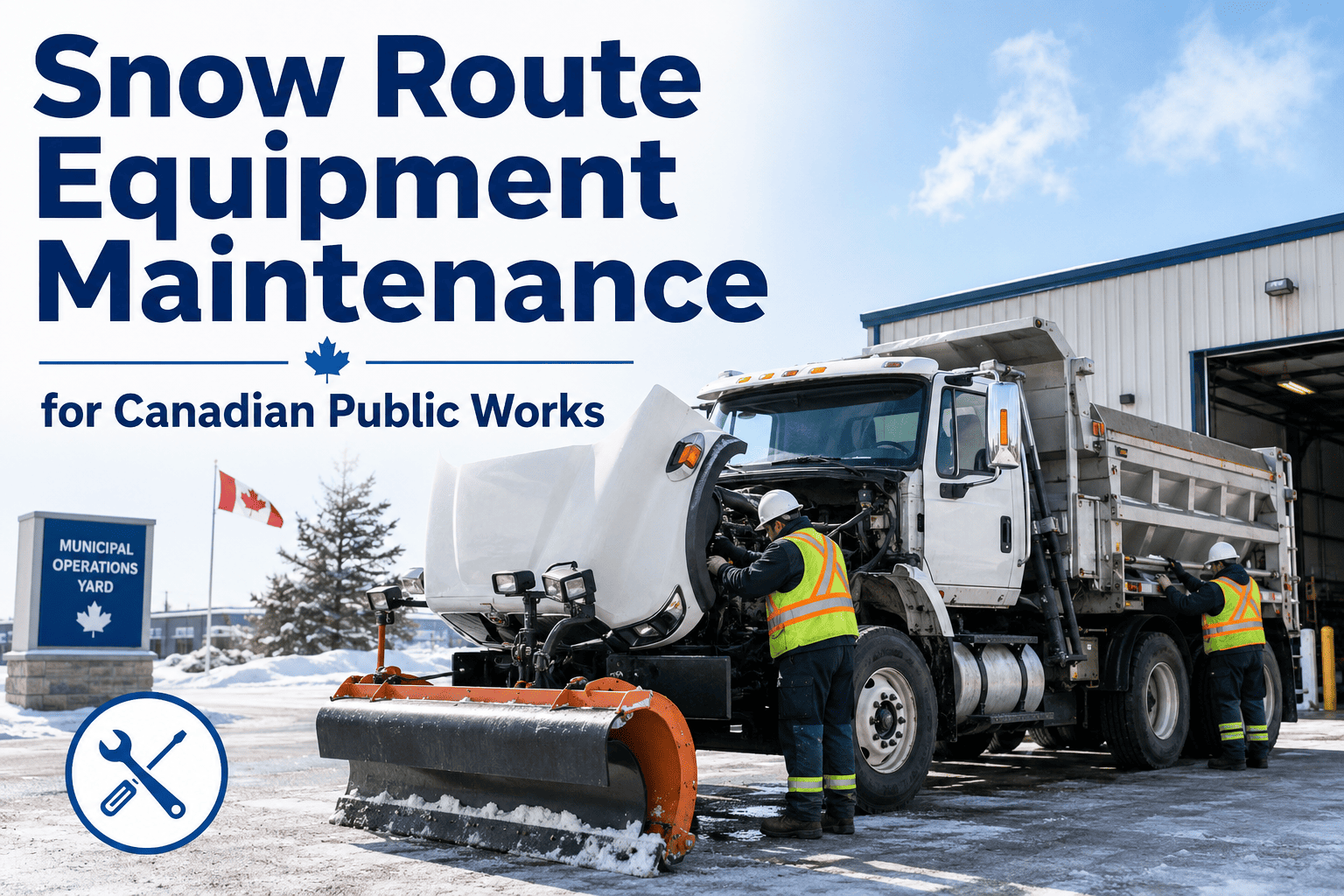
Start the checklist early enough to order parts and still fix problems. Every failed item should become a work order with an owner, not a note on a clipboard.
Equipment
- Complete pre-season inspection on every plow and spreader
- Replace worn cutting edges and check hydraulics
- Test lights, beacons, radios and backup alarms
- Verify tires, chains and battery condition
Materials
- Count salt, sand and brine on hand by site
- Calibrate spreaders before the first event
- Confirm supplier delivery terms and backup sources
- Set reorder points for each material
People
- Confirm licensed operators and backup drivers
- Refresh safety and spreader training
- Publish the call-out and rest-period plan
- Assign a mechanic for storm shifts
Routes
- Review route maps for new streets and closures
- Define priority tiers for arterials, hills and bus routes
- Mark hazards, hydrants and drainage points
- Check that each route has a vehicle and driver
Equipment readiness across the season
| Asset | Before the season | During the season | After each storm |
|---|---|---|---|
| Plow trucks | Full inspection, hydraulic and brake check, plow mount review | Meter-based service, daily walkaround | Wash, check frame and hitch, log damage |
| Spreaders and brine units | Calibration, auger and conveyor check | Clean and lubricate on a set interval | Flush salt residue, inspect for corrosion |
| Loaders and support vehicles | Service, tire and bucket edge check | Hours-based preventive tasks | Inspect pins, hoses and cutting edges |
| Salt storage and loading sites | Roof, door and drainage inspection | Stock counts by event | Cleanup and spill check |
| Radios, lights and safety gear | Test and replace failed items | Report defects each shift | Replace damaged lamps and mounts |
What good route tracking records
Illustrative route board, sample data
Fields worth capturing for each route
- Start and end time
- Driver and vehicle
- Number of passes
- Material and amount
- Delays and causes
- Hazards found
About location data
If your trucks already carry GPS or AVL devices, keep that data as supporting evidence and record route outcomes, material and issues in the work order so the whole event is in one record.
Track material use per lane mile
- Sample numbers. The figures above are illustrative; use your own materials, rates and application guidelines.
- Compare events. A rate that jumps without a matching change in weather points to calibration or operator issues.
- Link to stock. Deduct usage from inventory by site so reorder points trigger before a storm, not during one.
- Support environmental reporting. Consistent records help show that application followed your own policy.
Get the fleet and the routes ready before the first flake
Oxmaint helps public works teams schedule preventive maintenance on plow fleets, run inspection checklists, manage salt and parts inventory, and turn storm damage into tracked work orders.
A storm event from dispatch to closeout
Post-storm repairs that need a work order
Safety items first
Knocked-down signs, damaged guardrails and blocked drainage should be coded high priority and scheduled the same week.
Pavement damage
Plow scrapes, new potholes and shoulder damage can be batched by zone once the weather allows repairs.
Equipment damage
Bent blades, cracked mounts and hydraulic leaks go into the fleet schedule before the next forecast.
Property and claims
Link damage reports to route records so claims can be reviewed against what was actually done.
Winter KPIs worth reporting
| Measure | What it shows | Use it to |
|---|---|---|
| Fleet availability at storm start | Share of plow units ready for service | Justify spares and pre-season repairs |
| Route completion time by tier | How long priority routes take to clear | Compare against your level-of-service policy |
| Material per lane mile | Application rate across events | Spot overuse and calibration issues |
| In-storm breakdowns | Failures during operations | Prioritize preventive tasks next year |
| Post-storm repair backlog | Open storm-related work orders | Plan spring crews and budget |
| Complaints per event | Public response to service levels | Find routes that need reordering |
Paper logs compared with a maintenance system
Paper and spreadsheets
- Inspections filed in a binder
- Route logs typed up days later
- Salt tallied at season end
- Storm damage remembered, not recorded
Maintenance software
- Inspections and PMs scheduled with due dates
- Route outcomes updated from the field
- Inventory adjusted as material is used
- Damage logged as work orders with history
Level-of-service tiers for winter routes
Written tiers explain why some streets are cleared first and give crews a clear order of work. Your own policy and council direction set the real targets.
| Tier | Typical roads | Treatment approach | What to record |
|---|---|---|---|
| Tier 1 | Arterials, emergency routes, bridges, hills and bus lines | Treated first and repeated as conditions require | Pass times, material and any delay |
| Tier 2 | Collectors and school access roads | Treated after Tier 1 is stable | Start and end time, passes, hazards |
| Tier 3 | Residential streets and cul-de-sacs | Plowed once the main network is clear | Completion time and complaints |
| Facilities | Municipal lots, walks and building entrances | Treated by assigned crews or contractors | Date, crew, material, incidents |
The driver’s shift workflow
Pre-trip
- Complete the vehicle inspection checklist
- Confirm plow, spreader and lights work
- Report defects before leaving the yard
On route
- Update route status at defined points
- Note hazards, blocked streets and damage
- Record material added at each reload
Breakdown
- Create a repair order from the cab or yard
- Notify dispatch to reassign the route
- Log time and parts when repaired
End of shift
- Close the route record with totals
- Report equipment damage and wear
- Refuel, wash and restock for the next crew
Contractors and extra plow operators
Many departments rely on hired equipment for peak events. Records from contractors should meet the same standard as in-house routes.
- Assign routes in the same system. Contractors receive route lists with the same priority tiers as city crews.
- Require the same data. Start and end times, passes, material and incidents are reported for every route.
- Check equipment condition. Keep inspection records for hired units before they join the roster.
- Reconcile before paying. Compare contractor hours against route records and event timelines.
Sidewalks, lots and facilities need records too
Sidewalk crews
Log routes, assigned staff and ice treatment on municipal walks and crossings.
Parking lots
Track plowing, hauling and salt use for each lot and the order they are cleared.
Bus stops
Record clearance of stops and shelters so complaints can be checked against actual work.
Municipal buildings
Add entrances, roof loads and drainage checks as part of the building inspection routine.
Turn the winter data into next year’s plan
Records worth keeping for compliance and claims
- Event timeline. When the plan was activated, when each route started and finished and when conditions changed.
- Weather and conditions. Forecast information and observations used to decide the response.
- Material and equipment. What was applied, how much, and which units were used.
- Complaints and responses. What was reported, when, and what action followed.
Check local requirements
Retention periods, liability rules and environmental reporting differ by jurisdiction. Confirm what applies to you with legal counsel and your environmental office.
Pre-storm planning meeting agenda
A short meeting before each significant forecast turns the checklist into an assignment for the event.
Keep residents informed without overloading the phones
Clear public updates reduce calls from people who simply want to know when their street will be reached.
- Publish the priority order. Explain which routes are treated first and why, using plain language.
- Share status at set times. A regular update is better than silence followed by corrections.
- Log every complaint. Record location, time and the action taken so patterns are visible later.
- Separate hazards from preferences. A blocked fire hydrant is an urgent request, an unplowed driveway edge is not.
Mid-season service triggers for winter equipment
| Trigger | Typical tasks | Why it matters |
|---|---|---|
| Engine hours or mileage | Oil and filter service, belts, greasing | Plows idle and work under heavy load, so hours often matter more than miles |
| Events or days in use | Wash, corrosion check, cutting edge inspection | Salt and slush attack frames, wiring and hydraulics |
| Operator report | Inspect noises, leaks, lighting or control faults | Small faults become storm-time breakdowns |
| Calendar date | Mid-season inspection and spare parts check | Catches wear before late-season storms |
Refresh operator training every season
Safety
Review visibility, backing, fatigue and working near pedestrians and bus stops.
Spreader use
Practice calibration, application rates and avoiding waste near drains.
Records
Walk through route status updates and breakdown reporting on the mobile device.
Route knowledge
Ride along new routes and mark hazards, turnarounds and difficult hills.
Questions to settle before the first storm
- Who updates route status? Decide whether drivers, dispatchers or supervisors enter it, and when.
- What counts as complete? Define the number of passes and treatment that closes a route.
- How are breakdowns reported? Agree on one way to create a repair order from the field.
- Where do contractors report? Give hired operators the same route list and closeout steps.
- Who reviews the event? Set a meeting within days of each major storm to capture lessons.
- What happens to open repairs? Assign an owner and priority to every storm-damage order before crews stand down.
Start small if the season is close
- First, inspections. Put pre-season checklists and failed-item repairs in work orders so the fleet is ready.
- Second, route status. Record start, finish, passes and delays for Tier 1 routes only, then extend to other tiers.
- Third, material. Log usage per event and adjust stock counts at each loading site.
- Fourth, recovery. Create a work order for every storm-damage item reported during or after an event.
Frequently asked questions
What does snow removal management software do?
It helps plan and record winter operations, including fleet readiness, route completion, material use, breakdowns and post-storm repair work.
Can a CMMS manage plow fleet maintenance?
Yes. A CMMS can schedule meter-based preventive maintenance, inspections and repairs. You can set up your fleet in Oxmaint before the season.
How do we track salt usage?
Record material per route or event, divide by lane miles treated, and deduct usage from inventory by site so reorder points stay accurate.
Is GPS tracking required for route records?
No. Many teams record route outcomes in work orders and keep GPS as supporting data if they have it. To discuss your setup, book a demo.
When should we prepare winter operations?
Begin readiness checks well before the first forecast, so parts can be ordered and failed items repaired before the first storm.
Be ready for the storm and able to prove it
Inspect the fleet, record every route and turn storm damage into scheduled work. Oxmaint helps public works teams keep winter operations organized from preparation to review.