Tribal and IHS-funded clinics and hospitals often serve remote communities with small facilities teams and limited contractor access. A failed boiler, a lapsed fire door inspection, or an undocumented water test can interrupt care and put accreditation at risk. Maintenance has to be planned, recorded, and ready for review at any time. A CMMS such as Oxmaint helps tribal facility teams keep that record in one place.
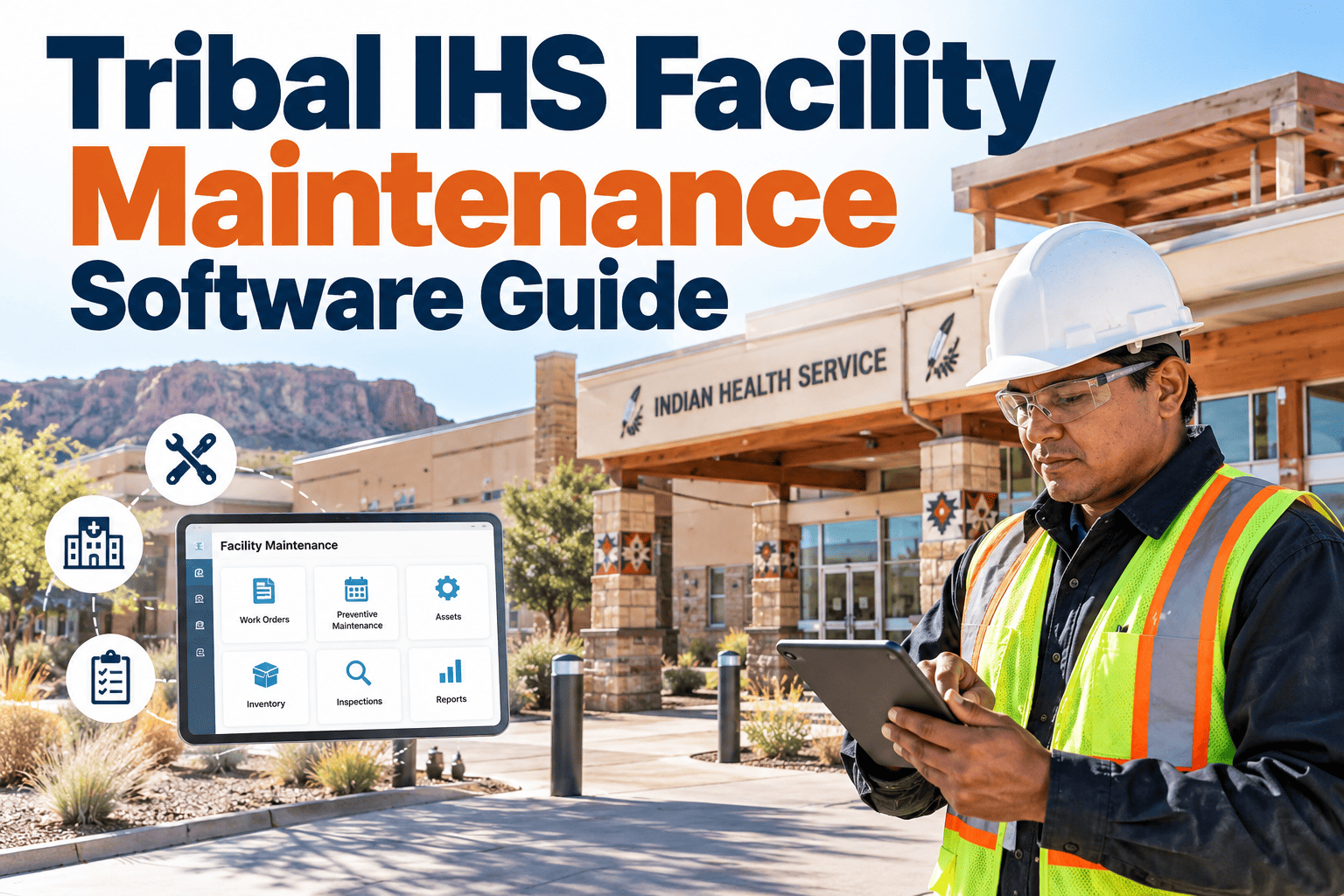
Tribal IHS Facility Maintenance Software Guide
A practical guide to clinic and hospital preventive maintenance, Joint Commission readiness, and drinking water compliance for tribal health facilities, and how a CMMS keeps the records survey-ready.
Clinic PM
Hospital systems
TJC readiness
Drinking water
The Maintenance Reality at Tribal Health Facilities
Indian Health Service federal facilities and tribally operated programs run a mix of ambulatory clinics, health centers, small hospitals, and housing for staff. Many sit far from vendors and parts suppliers.
- Aging buildings carry deferred maintenance that grows when funding is uncertain.
- Small teams cover HVAC, plumbing, electrical, medical gas, and grounds together.
- Specialty service calls can mean long travel times and longer waits.
- Staff turnover removes undocumented knowledge about how the building works.
Under these conditions, written schedules and recorded completion matter more, not less.
What Each Facility Type Needs From a Maintenance Program
| Facility Type | Critical Systems | Typical PM Focus | Records Needed |
|---|---|---|---|
| Ambulatory clinic | HVAC, plumbing, fire alarm, generator | Filter changes, alarm testing, generator runs | Test logs and work order history |
| Health center | Dental equipment, sterilizers, water heaters | Equipment service, water temperature checks | Equipment inspection and service records |
| Small hospital | Medical gas, emergency power, air handling, nurse call | Scheduled testing and pressure relationship checks | Life safety and utility system documentation |
| Staff housing and support | Boilers, septic, wells, roofs | Seasonal inspections and corrective repairs | Condition notes and repair costs |
A Year of Preventive Maintenance by Season
Remote facilities benefit from planning work around weather and travel conditions.
Winter prep
Boiler tune-ups, heat trace checks, roof drainage, generator load tests, and freeze protection for water lines.
Spring reset
Cooling system startup, fire alarm testing, door and egress checks, and corrective repairs from winter damage.
Summer cooling
Air handler service, refrigeration checks for vaccines and medications, and exterior and parking maintenance.
Fall readiness
Heating startup, backflow device tests, water system flushing, and pre-survey document review.
Build a Maintenance Record Your Surveyors Can Follow
Put schedules, inspections, and completed work in one system your whole facilities team can use.
Joint Commission Readiness Without the Scramble
Many tribal hospitals and some clinics seek accreditation from The Joint Commission, and CMS conditions also apply to eligible facilities. Surveyors look closely at the environment of care.
Utility systemsDocumented inspection, testing, and maintenance of critical systems such as emergency power.
Life safetyFire alarm, sprinkler, extinguisher, and egress inspections tied to dates and responsible staff.
Medical equipmentInventory of equipment with scheduled maintenance and completion evidence.
Hazard surveillanceRounds and findings with corrective actions tracked to closure.
A CMMS turns these into recurring tasks with due dates, so records exist when requested, not recreated afterward.
Drinking Water Compliance in Tribal Communities
Tribal public water systems fall under the Safe Drinking Water Act, with EPA as the primary enforcement authority. Facilities with their own wells or water treatment carry additional routine duties.
1Schedule sampling and operator rounds as recurring work orders.
2Record chlorine residual, pressure, and tank checks on mobile forms.
3Flag abnormal readings and open corrective work orders immediately.
4Track equipment such as pumps, feeders, and backflow assemblies by asset.
5Retain records so reporting and inspections draw from the same source.
Confirm exact monitoring and reporting requirements with EPA, your tribal water program, and your certified operator.
Before and After: Moving From Binders to a CMMS
Binders and spreadsheets
- Test logs scattered across offices
- Overdue tasks found during surveys
- Knowledge held by one technician
- Costs hard to total by building
Oxmaint workflow
- One searchable history per asset
- Automated reminders before due dates
- Procedures and checklists stay with the task
- Cost and labor reports by facility
Oxmaint Capabilities That Fit Tribal Facility Teams
Preventive maintenance
Calendar and meter-based schedules for HVAC, boilers, generators, and water equipment.
Mobile work orders
Technicians complete tasks, add notes, and attach photos on a phone or tablet.
Inspections
Checklists for rounds, life safety tests, and water system checks with timestamps.
Inventory
Track critical spares, so remote sites avoid waiting on common parts.
Reporting
Dashboards for backlog, completion rate, and cost to support budget and funding requests.
Asset history
Documented repairs help justify replacement and capital project requests.
Readiness Checklist for Facilities Managers
- Every critical system has a documented PM schedule and responsible person.
- Emergency power and fire protection tests have dated completion records.
- Water system rounds and sample dates are scheduled and traceable.
- Open corrective work is reviewed weekly, with age and priority visible.
- Equipment inventory is complete with location and service history.
- Staff can retrieve any record within minutes on request.
Funding Realities and the Deferred Maintenance Conversation
Tribal health programs compete for limited facilities funding. Needs are often documented in surveys, but day-to-day maintenance history is rarely organized to support those requests.
- Backlog grows when small repairs wait for contractors or parts.
- Replacement requests are stronger when repair history is visible.
- Staffing limits make it hard to rebuild records at funding deadlines.
- Different funding sources may require separate cost tracking.
A CMMS gives facility leaders a running record of what was repaired, how often, and at what cost.
Critical Systems That Cannot Fail Quietly
Some systems protect patients directly. Their testing and maintenance should be scheduled, assigned, and documented without exception.
Emergency powerGenerator runs, transfer switch tests, fuel checks, and battery inspections with dated records.
Medical gasAlarm checks, source equipment service, and outlet repair tracking by room.
VentilationAir handler service, filter changes, and pressure checks in procedure and isolation areas.
Fire protectionAlarm, sprinkler, extinguisher, and fire door inspections tied to location.
Cold storageRefrigerator and freezer monitoring for vaccines and medications, with repair history.
Water Management and Infection Prevention
Building water systems can support the growth of organisms such as Legionella when temperatures drift or water sits unused. Facility teams support infection prevention staff with routine checks and fast repairs.
1Map water heaters, storage tanks, and mixing valves as assets.
2Schedule temperature checks and flushing of low-use outlets.
3Record readings on mobile forms with out-of-range alerts.
4Open corrective work orders for failed heaters or valves right away.
5Share records with infection prevention for review and trending.
Follow the water management plan set by your infection prevention team and applicable guidance. The CMMS supports the plan; it does not write it.
Working With Distance: Remote Logistics
| Challenge | What It Causes | How a CMMS Helps |
|---|---|---|
| Long vendor travel times | Delayed repairs and costly trip charges | Group service tasks and track vendor visits per asset |
| Parts availability | Equipment down while waiting for delivery | Stock critical spares and set reorder points |
| Limited connectivity | Paper notes entered late or lost | Mobile entry captures work when staff are on site |
| Weather and road access | Missed inspections and schedule slips | Reschedule tasks and keep a visible record of why |
| Small staff | One person covers many trades | Clear checklists make tasks easier to hand off |
Training and Knowledge Transfer
Long-serving maintenance staff often know every quirk of the building. When they leave, that knowledge goes with them unless it is written down.
Task checklists
Step-by-step instructions attached to PM tasks guide new staff through unfamiliar equipment.
Asset notes
Location quirks, shutoff points, and past fixes stay with the asset for the next technician.
Photos and manuals
Equipment photos and manuals are attached to records, so they are easy to find in the field.
Using Maintenance Data in Funding and Capital Requests
Requests for replacement equipment, building repairs, or sanitation projects are stronger with specific evidence.
- Number of repairs on the same system over the last several years.
- Labor and parts cost for keeping aging equipment running.
- Downtime events and how they affected patient services.
- Safety or compliance findings that remain open due to funding limits.
- Photos and inspection notes that show current condition.
Specific history helps funders understand why a request is urgent and how funds will be used.
A Practical 90-Day Starting Plan
1Days 1 to 30: list critical assets in each building and load them with locations and service intervals.
2Days 31 to 60: build PM schedules for life safety, emergency power, HVAC, and water systems.
3Days 61 to 90: train technicians on mobile entry and start weekly backlog reviews.
4After 90 days: add inventory, inspection rounds, and cost reporting by facility.
Metrics Facility Leaders Should Track
PM completion
Share of scheduled tasks finished on time, split by life safety and general systems.
Open backlog age
How long corrective work waits, with safety items reviewed first.
Repeat repairs
Equipment that fails again soon after repair, a sign that replacement may be justified.
Emergency work share
Proportion of reactive jobs compared with planned work.
Test record completeness
Required inspections with date, result, and signer on file.
Cost per facility
Maintenance spending by building to guide budgeting and funding requests.
Environment of Care Rounds That Produce Closable Findings
Rounds only help when findings lead to action. Facility teams benefit from a repeatable path from observation to closed work order.
1Use a standard rounding checklist for each building area.
2Record each deficiency with a photo and location on a mobile device.
3Convert the finding to a work order with priority and due date.
4Assign it to staff or a contractor and track status.
5Verify the repair and close the item with completion notes.
Open findings with no owner and no date are what surveyors tend to notice. A system that shows age and responsibility helps leaders clear them first.
Managing Contractors and Specialty Vendors
Remote facilities lean on outside vendors for elevators, fire systems, medical gas, and generator service. Scattered paperwork from these visits is a frequent source of documentation gaps.
- Link each vendor contract or service interval to the asset it covers.
- Create recurring tasks so scheduled vendor visits are not forgotten.
- Require service reports to be attached to the work order at closeout.
- Track callbacks and repeat issues to evaluate vendor performance.
- Record trip and labor costs, so budget conversations use actual figures.
Having every vendor report on the asset record means inspectors and managers can find them in one place.
Emergency and Severe Weather Readiness
Tribal communities often face long power outages, winter storms, wildfire smoke, or flooding with limited outside support. Preparation depends on equipment that has been maintained and tested.
Before the event
- Test generators under load
- Check fuel levels and delivery plans
- Inspect roofs, drains, and exterior doors
- Stock critical spare parts
After the event
- Open work orders for storm damage
- Document damage with photos for claims
- Re-inspect affected systems
- Review what failed and adjust PM plans
Records Binder Versus a Live System
| Record Type | Binder Approach | CMMS Approach |
|---|---|---|
| Inspection and test logs | Paper forms in a cabinet | Timestamped digital entries by asset |
| Equipment lists | Spreadsheet updated occasionally | Searchable asset register with service history |
| Open deficiencies | Notes in an email thread | Work orders with owners and due dates |
| Vendor reports | Stored by whoever received them | Attached to the related work order |
| Cost history | Invoices in separate files | Labor and parts recorded on each job |
The point is not to eliminate paper entirely but to make sure the current record exists in one place that anyone authorized can search.
Choosing a CMMS for a Tribal Health Facility Team
Selection should focus on daily usability for small teams, not on the longest feature list.
- Mobile entry that works for technicians who cover several buildings.
- Recurring scheduling for inspections, tests, and PM tasks.
- Simple reports for surveyors, boards, and funding agencies.
- Asset records that hold manuals, photos, and vendor reports.
- Reasonable setup effort, so staff can start with critical systems first.
- Access controls that suit multiple facilities and roles.
Ask any vendor to demonstrate a real scenario, such as a failed generator test followed by a corrective work order and closeout record.
Common Starting Mistakes and How to Avoid Them
- Loading every asset in every building before staff have used the system.
- Setting PM intervals without checking manufacturer guidance and applicable codes.
- Leaving life safety tasks unassigned, so no one feels responsible.
- Skipping technician training and expecting complete entries from day one.
- Ignoring open findings until a survey is announced.
A smaller, well-used system beats a large one that crews avoid. Expand scope after the first set of tasks is being completed consistently, and review progress with leadership each month.
Frequently Asked Questions
Can a CMMS support tribal and IHS facilities of any size?
Yes. Small clinics can start with PM and work orders, then add inspections and inventory. See a walkthrough through a demo.
Does it help with Joint Commission surveys?
It keeps inspection and testing records organized and dated, which supports environment of care documentation.
Can it track drinking water tasks?
Yes. Schedule rounds, record readings, and link corrective work to the equipment involved.
Will it work at remote sites?
Mobile workflows let technicians capture work in the field. Start by creating an account.
What should we load first?
Begin with life safety, emergency power, HVAC, and water systems, then expand to the rest.
Keep Every Clinic Open, Safe, and Survey-Ready
See how Oxmaint helps tribal facility teams plan, document, and prove their maintenance work.