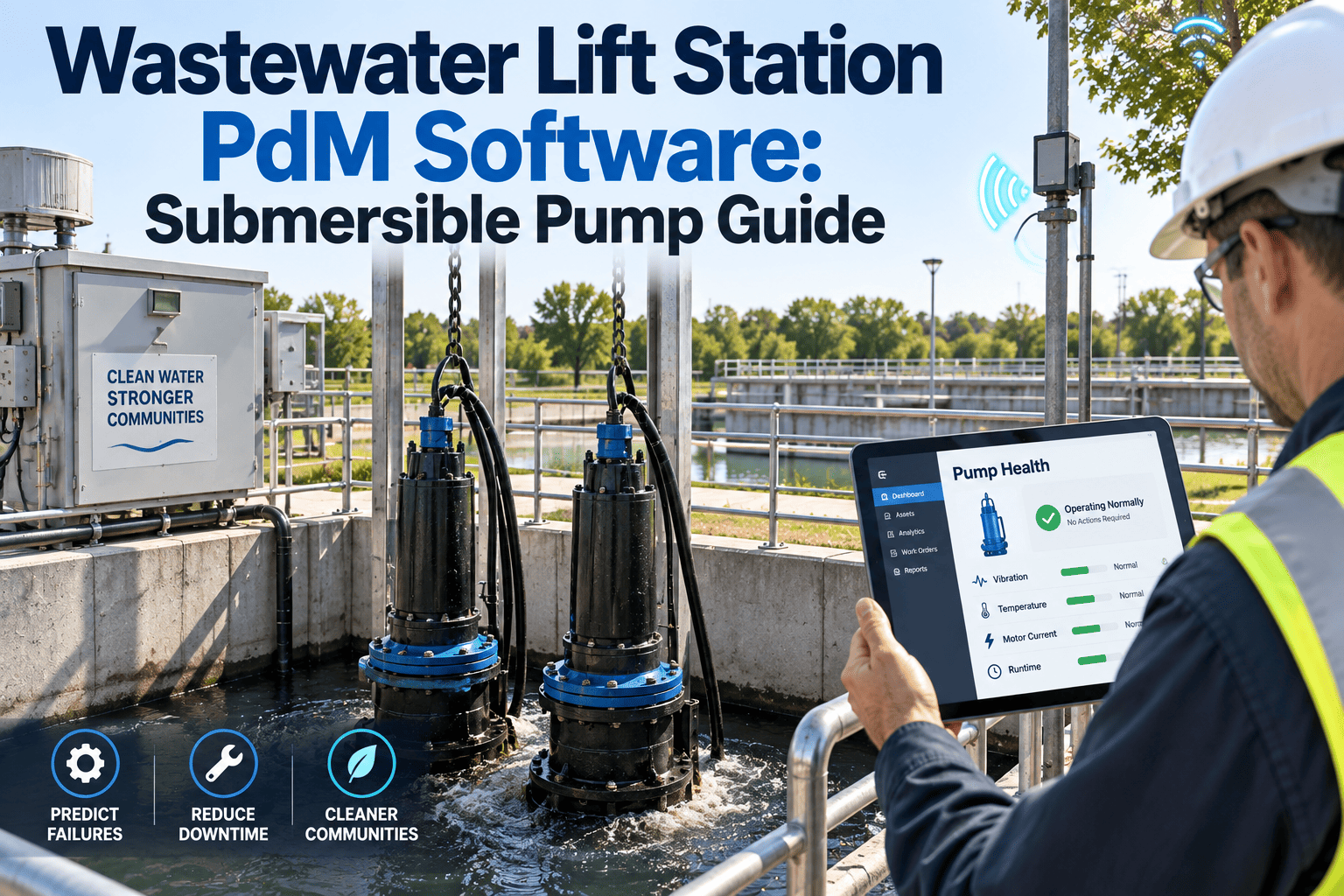
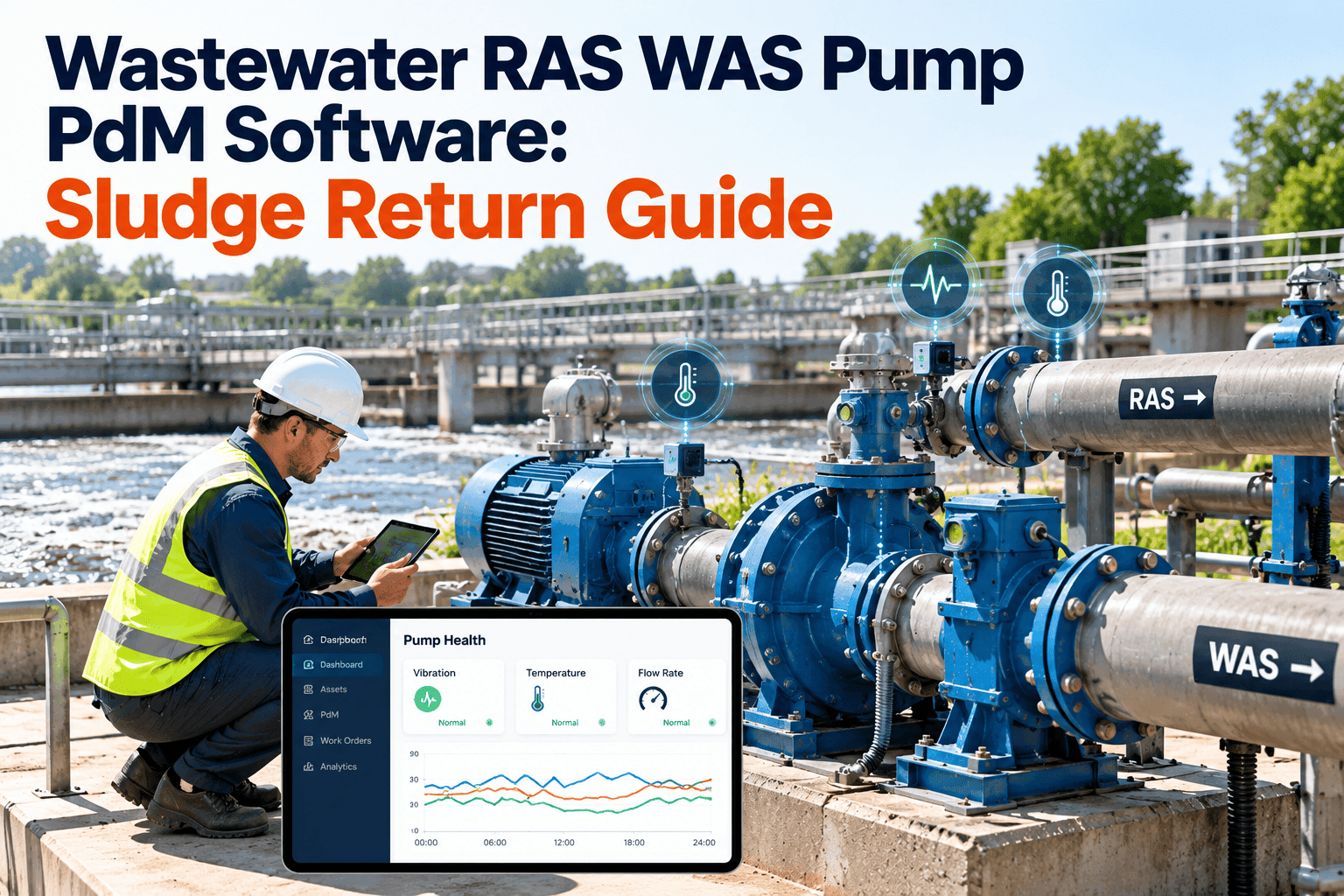
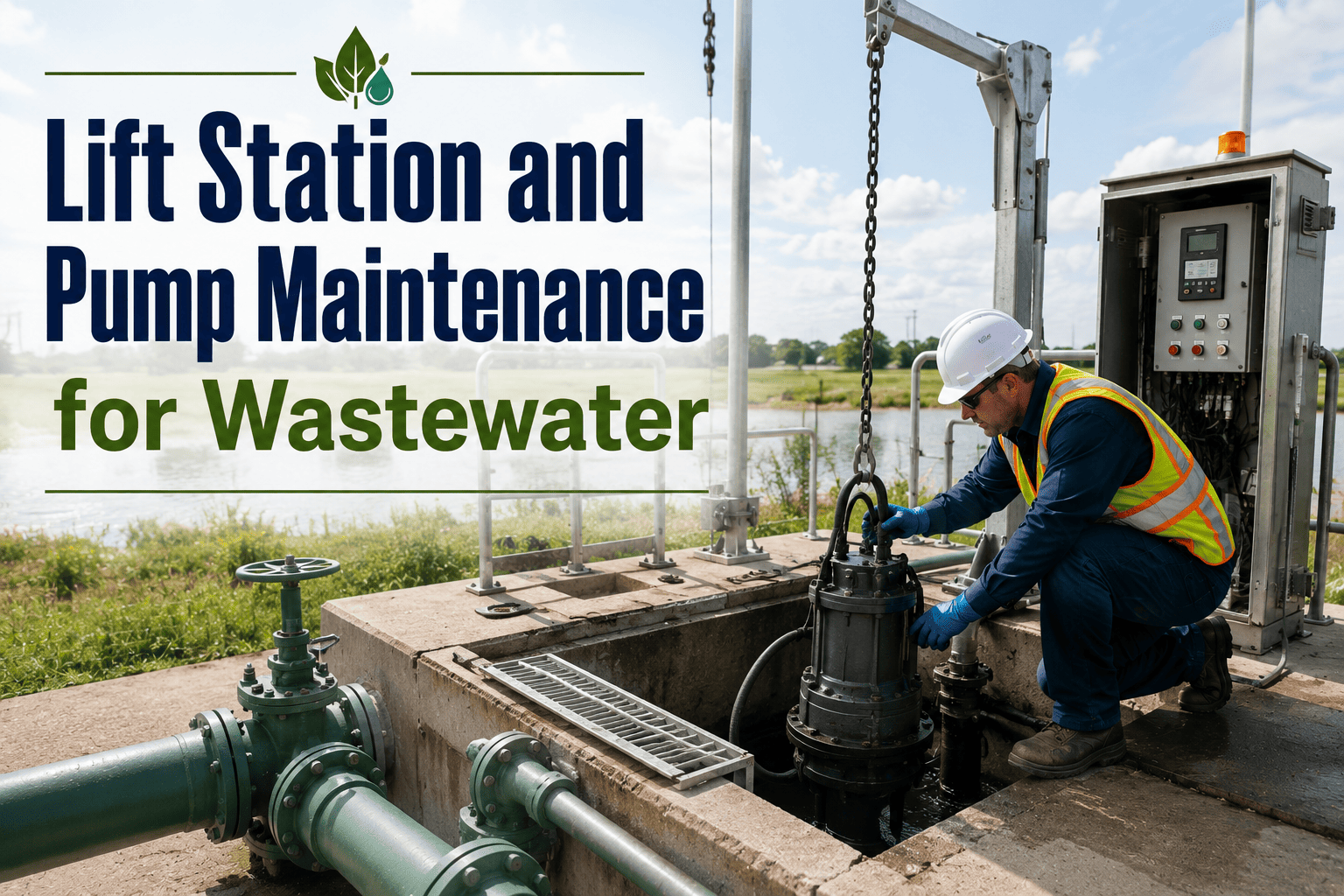
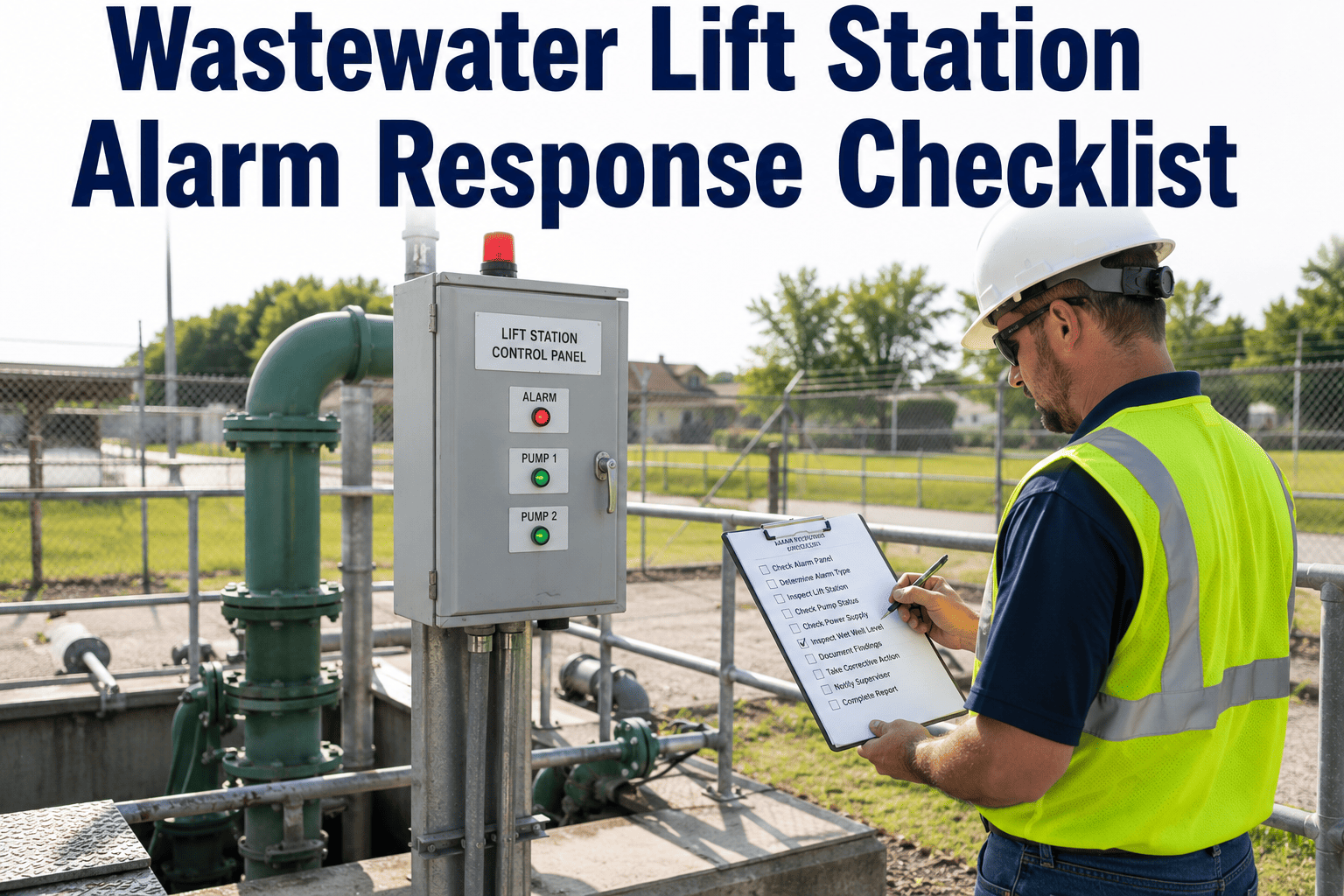
A lift station has no backup plan if the pumps stop and nobody notices in time. Submersible pumps run hidden below the wet well surface, float switches sit in a chamber nobody walks past on a normal day, and a clogged impeller or a failed seal can turn a routine pump-down cycle into a sanitary sewer overflow before a single alarm reaches a human being. Collection system teams running dozens or hundreds of remote lift stations cannot physically visit each one daily, yet a single undetected pump failure at the wrong station, during the wrong storm, is exactly the kind of event that ends up in a regulatory consent order. Predictive maintenance software built around submersible pump condition data and wet well level intelligence gives lift station teams the one thing manual rounds cannot: continuous visibility into every station, every hour, without adding staff — book a free lift station monitoring assessment to see where your collection system stands today.
75%
of sanitary sewer overflows involve mechanical or electrical failure at a pump station or force main
200+
lift stations is common for a mid-size collection system — far more than daily manual rounds can realistically cover
45 min
average time from pump failure to wet well overflow at a typical undersized emergency storage station
60%
reduction in emergency callouts reported by systems after deploying continuous pump and level monitoring
Know About a Failing Pump Before the Wet Well Does
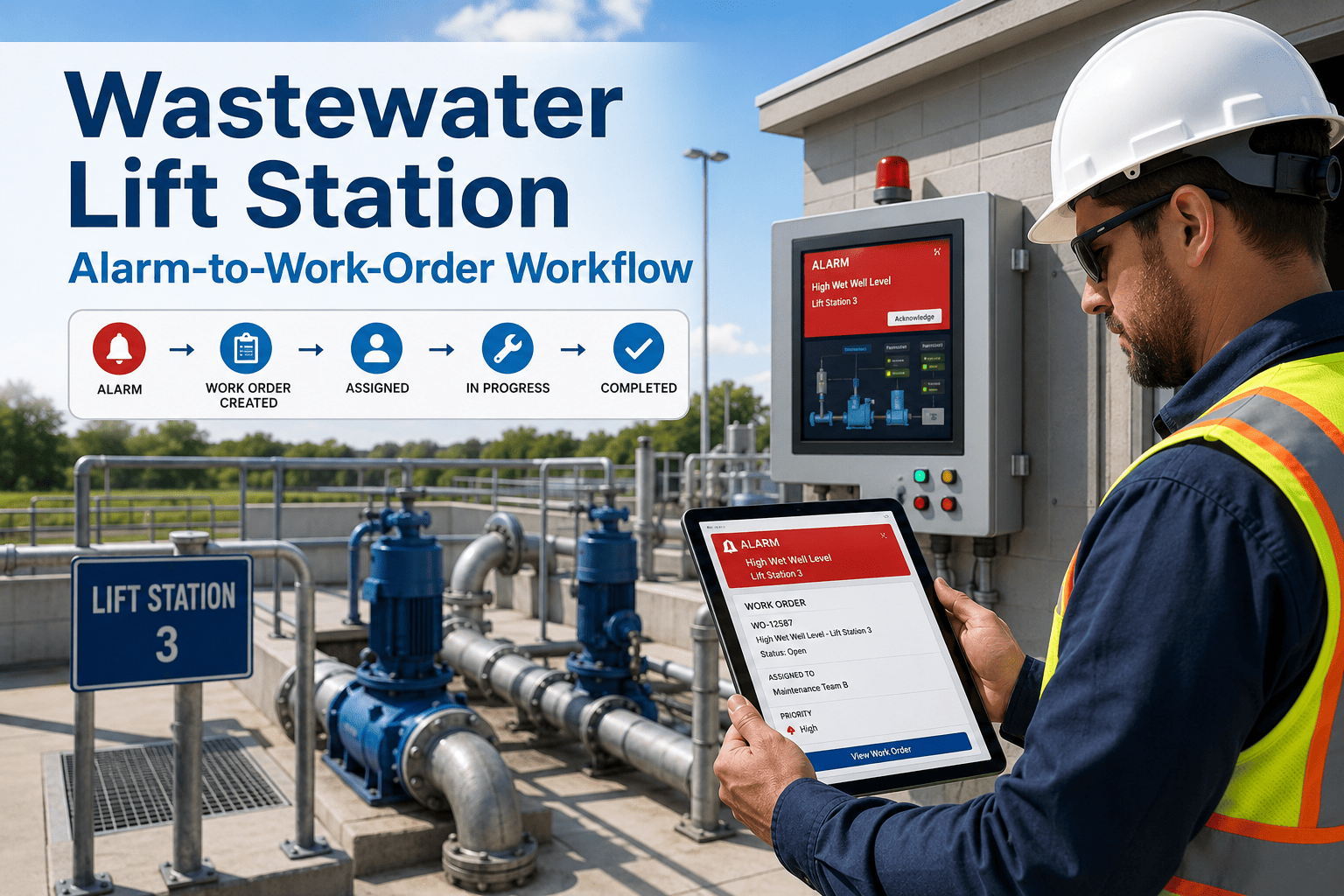
Oxmaint streams submersible pump current, vibration, and wet well level data into automated CMMS work orders, so your crew is dispatched before an SSO — not after one.
What Actually Fails Inside a Submersible Lift Station
Submersible pumps fail in a handful of predictable ways, and nearly every one of them announces itself in the data long before it announces itself as a station alarm. Impellers clog with rags and wipes, increasing motor current draw as the pump works harder against a partially blocked discharge. Mechanical seals degrade and allow moisture into the motor housing, which shows up first as a slow insulation resistance decline and only later as a tripped breaker. Bearings wear under the constant cycling of a typical duty pump, producing a rising vibration signature well before the pump seizes. None of these failure modes are sudden — they are gradual processes that a fixed weekly or monthly inspection schedule is simply too infrequent to catch at the early stage where a bearing or seal replacement is cheap and a full pump pull is not.
Wet well level control compounds the risk. Float switches and level transducers that drift out of calibration can cause a duty pump to run dry, cycle excessively, or fail to activate a lag pump when it is genuinely needed. A station with a single malfunctioning float and no redundant level sensing has no way to protect itself — the first sign of a problem becomes the overflow itself, at which point the incident has already occurred and must be reported to the state.
Reactive Maintenance vs Continuous Lift Station Monitoring
The Monitoring Layer: Building a Complete Picture of Every Station
01
Submersible Pump Motor Current
Continuous current monitoring detects impeller clogging, bearing drag, and developing mechanical resistance long before the pump trips a breaker or stops moving flow entirely.
02
Wet Well Level and Redundant Float Switches
Dual independent level measurement — typically a submersible transducer paired with backup float switches — cross-validates readings and flags drift or disagreement between sensors immediately.
03
Pump Cycle Counting and Run Time
Excessive short-cycling often indicates a level control problem or a partially clogged discharge before either becomes an outright failure, and run-hour tracking supports condition-based rather than calendar-based rebuild planning.
04
Vibration at the Pump Volute
Clamp-on or integrated vibration sensors track bearing and impeller balance condition, catching wear trends that current monitoring alone can miss on variable-load stations.
05
Power Supply and Standby Generator Status
Power loss is one of the leading causes of lift station overflow — automatic monitoring of utility power status and standby generator readiness closes a common blind spot in station reliability.
One Dashboard for Every Station in Your Collection System
Whether you run five lift stations or five hundred, Oxmaint gives your team a single exception-based view of pump health, wet well status, and open work orders across the entire system.
Regulatory Reality: Why SSO Prevention Depends on Detection Speed
Clean Water Act Reporting
Sanitary sewer overflows must be reported to state and federal regulators, typically within 24 hours of discovery, with documentation of cause, volume, and corrective action taken.
Capacity, Management, Operation and Maintenance Programs
Many collection systems operate under a CMOM or consent decree framework that specifically requires documented preventive maintenance and monitoring programs for lift stations.
Emergency Response Time Standards
State and local standards increasingly expect a documented response time from alarm to crew arrival — a standard that is only achievable with automated, immediate alerting rather than manual round discovery.
Audit and Consent Decree Documentation
Systems under a consent decree must demonstrate ongoing monitoring investment and measurable overflow reduction — continuous PdM data provides the auditable record regulators expect to see.
Performance Metrics That Matter to Collection System Managers
100%
Critical Station Monitoring Coverage — share of high-risk lift stations with active pump and level monitoring
< 15 min
Alarm-to-Notification Time — time from anomaly detection to on-call technician alert
0
Preventable Overflows — target for stations with dual-redundant level sensing and active PdM coverage
≤ 24 hrs
Work Order Resolution Time — average time from flagged anomaly to completed repair
Frequently Asked Questions
How quickly can pump wear be detected before failure?
Motor current trending and vibration data typically surface a developing impeller clog or bearing wear condition days to weeks before the pump would otherwise trip or seize, depending on cycle frequency and load.
Do we need to replace our existing float switches?
No, existing floats can usually remain as a redundant backup layer while a transducer or additional level sensor is added for continuous, cross-validated readings and drift detection.
Can small collection systems justify this investment?
Yes, even a handful of remote or high-consequence stations can justify monitoring given the cost of a single reportable overflow, cleanup, and potential regulatory fine —
sign up free to see station-level pricing.
Does this replace our SCADA system?
No, it complements SCADA by adding predictive analytics, automated CMMS work orders, and asset-level trending that most SCADA historians are not built to generate on their own.
What happens during a communication outage at a remote station?
Data is logged locally at the station and transmitted once connectivity is restored, while the loss of communication itself generates an alert so the gap is never silently missed.
Protect Every Lift Station in Your System
Move your collection system from reactive callouts to predictive, condition-based maintenance with a platform built for wastewater teams managing pumps at scale.