In healthcare, a UPS overload alarm is not just an equipment warning — it is a patient safety emergency. When an Uninterruptible Power Supply system becomes overloaded in a hospital setting, life-sustaining ventilators, cardiac monitors, and surgical lighting systems face immediate risk of failure. Traditional reactive approaches leave facilities scrambling after alarms trigger, but AI-powered predictive maintenance is transforming how healthcare organizations detect and prevent UPS overload conditions before they ever occur. With intelligent condition monitoring and machine learning analytics, hospitals can now anticipate overload events days or even weeks in advance, ensuring uninterrupted power to every critical care area.
What is a UPS Overload Alarm?
A UPS overload alarm activates when connected equipment draws more power than the UPS unit can safely deliver. In healthcare environments — where dozens of sensitive devices run simultaneously across ICUs, operating rooms, and imaging suites — overload conditions are alarmingly common and dangerously consequential. When the alarm sounds, the UPS may switch to bypass mode or shut down entirely, leaving connected medical devices without conditioned power protection.
The causes range from gradual load creep (new equipment added over time without capacity reassessment) to sudden inrush currents from high-powered devices like MRI machines and surgical robots. In traditional maintenance models, these overloads are discovered only after the alarm triggers — which is already too late. This is exactly where AI-driven predictive maintenance changes the equation. Healthcare teams using a platform like OxMaint (Sign Up Free) can monitor load patterns continuously and receive early warnings before critical thresholds are reached.
Common Causes of UPS Overload in Hospitals
How AI Detects UPS Overload Before It Happens
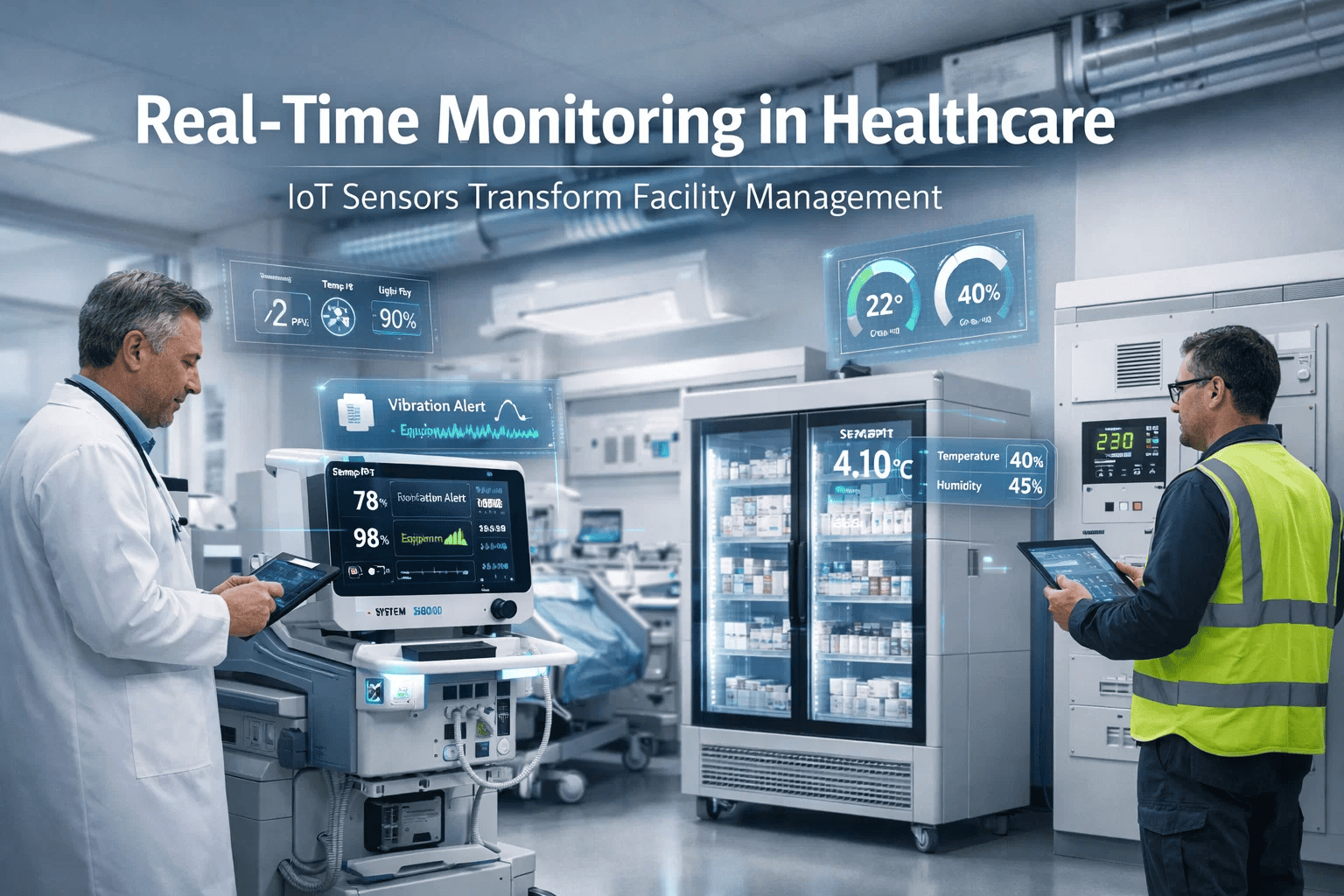
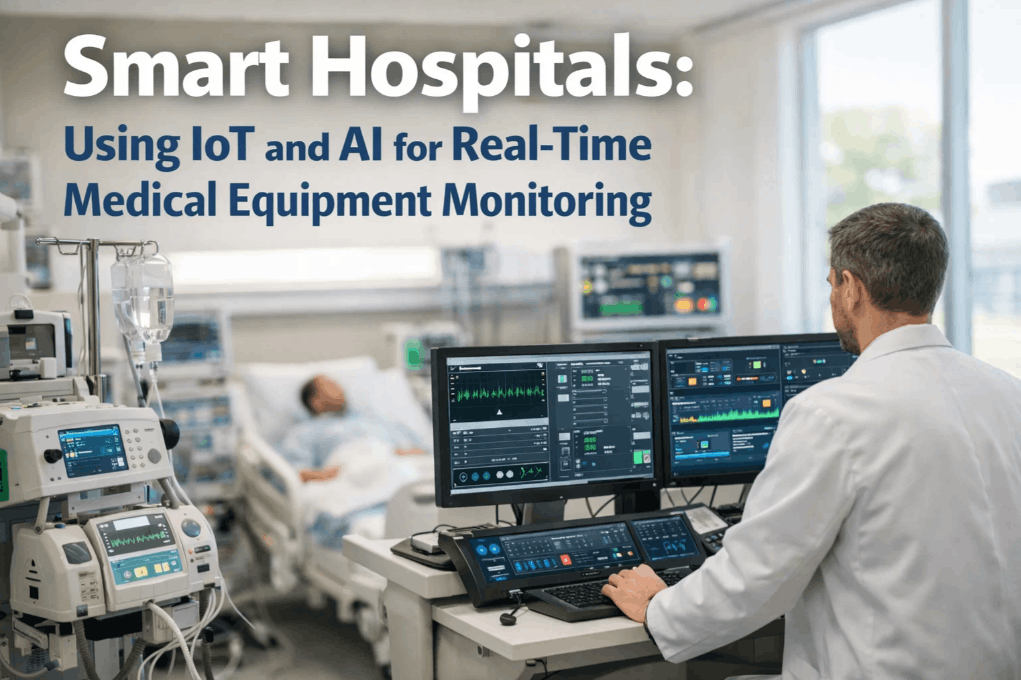
Artificial intelligence transforms UPS maintenance from a reactive scramble into a calculated, proactive strategy. AI-powered CMMS platforms continuously ingest sensor data from UPS units — including load percentage, battery voltage, temperature, input/output frequency, and harmonic distortion levels. Machine learning models trained on thousands of historical failure patterns can identify the subtle precursors to overload conditions that human operators would never notice.
For instance, an AI model might detect that a UPS unit in the cardiac ICU has been running at 78% capacity with a gradual weekly increase of 1.2%, and that ambient temperature in the server room has risen 3°F over the past month. Combined with battery impedance data showing early degradation, the system can predict an overload event within 14 days — giving the facilities team ample time to redistribute loads or schedule a capacity upgrade. Ready to experience this level of foresight? Book a Demo with OxMaint and see AI-driven UPS monitoring in action.
Stop Reacting to UPS Failures. Start Predicting Them.
Every minute of unplanned UPS downtime costs healthcare facilities an average of $9,000 and puts patients at risk. OxMaint's AI-powered CMMS detects overload conditions days before they trigger alarms — giving your team time to act, not react. With continuous load monitoring, automated work orders, and predictive analytics built for healthcare, you can eliminate emergency scrambles and keep every critical care area powered without interruption.
Why Healthcare Cannot Afford UPS Downtime
The stakes of UPS failure in healthcare are measured not just in dollars but in human lives. When a UPS system enters overload and transitions to bypass mode, every connected device loses its power conditioning protection. Ventilators, infusion pumps, anesthesia machines, and patient monitoring systems become vulnerable to power surges, sags, and interruptions during the critical seconds before backup generators activate.
UPS Failure Impact Across Healthcare Departments
Beyond patient safety, regulatory compliance adds another layer of urgency. CMS Tag A-0724 requires healthcare facilities to maintain equipment at acceptable safety and quality levels, and NFPA 101 mandates regular operational testing of emergency power systems. Facilities that cannot demonstrate proactive UPS monitoring and maintenance face citations, fines, and reputational damage. A CMMS with built-in predictive analytics — like what you get when you Sign Up for OxMaint — provides the documentation trail and proactive maintenance records that surveyors look for.
Key AI Monitoring Parameters for UPS Health
Reactive vs. Predictive: A Comparison That Matters
The financial case is compelling: emergency UPS repairs in healthcare environments typically cost 2 to 3 times more than planned maintenance, and that does not account for the downstream costs of cancelled procedures, diverted patients, or regulatory penalties. Facilities that switch from reactive to AI-predictive UPS management routinely report 25–50% reductions in unplanned downtime. Discover how this works for your facility — Book a Demo Today to see OxMaint's predictive engine.
Root Cause Analysis: Solving the Overload Problem at Its Source
AI does not just predict overload alarms — it helps facilities understand why they happen in the first place. Through automated root cause analysis, a CMMS platform can trace an overload event back through a chain of contributing factors: Was it a gradual load increase? A failing capacitor reducing efficiency? A cooling system malfunction raising internal temperatures? Or a combination of all three?
This level of insight transforms maintenance from a whack-a-mole exercise into a strategic improvement process. Instead of simply redistributing load after each alarm, facilities can address systemic issues like undersized UPS infrastructure, poor environmental controls, or inadequate load management policies. OxMaint's built-in RCA workflows guide technicians through structured investigation processes, ensuring every overload event becomes a learning opportunity. Sign Up Now and start turning failures into improvements.
Protect Every Patient. Predict Every Failure.
From ICU ventilators to operating room lighting, your patients depend on power that never fails. OxMaint gives your facilities team the AI-driven intelligence to monitor every UPS unit in real time, predict overload conditions before they escalate, and automatically generate work orders that keep your maintenance ahead of failures — not chasing them. With built-in compliance documentation for CMS and Joint Commission audits, you get peace of mind that your critical infrastructure and your regulatory records are always in order.
Implementation Roadmap: Getting Started with AI UPS Monitoring
Catalog all UPS assets, document current load levels, battery ages, and maintenance histories. Establish performance baselines for each unit.
Deploy IoT sensors for continuous monitoring of load, temperature, voltage, and battery health. Connect to your CMMS platform for centralized data collection.
Feed historical maintenance data and real-time sensor inputs into predictive models. The system learns your facility's unique patterns and failure signatures.
Configure automatic work order generation, alert routing, and escalation workflows. Your team responds to predictions, not emergencies.
Frequently Asked Questions
What causes a UPS overload alarm in a healthcare facility
A UPS overload alarm is triggered when connected equipment draws more power than the UPS can safely supply. In hospitals, this commonly happens due to incremental load creep (adding new medical devices without reassessing UPS capacity), high inrush currents from imaging equipment, degraded batteries that reduce effective capacity, failing capacitors or cooling fans, and poor load balancing across UPS outlets. Environmental factors like elevated room temperatures can also reduce the UPS operating threshold and trigger overload conditions at lower actual loads.
How does AI predict UPS overload before it happens
AI-powered predictive maintenance platforms use machine learning algorithms to continuously analyze data from IoT sensors installed on UPS units. These sensors monitor load percentage, battery impedance, internal temperature, input/output voltage, and harmonic distortion. The AI models compare real-time readings against historical failure patterns from thousands of similar events to identify early warning signs — such as a steady load increase trend combined with rising temperatures — that precede overload conditions. This allows the system to generate alerts days or weeks before an actual overload occurs.
What is the cost of UPS downtime in a hospital
According to industry research, the average cost of data center downtime is approximately $9,000 per minute. In healthcare settings, the costs extend beyond financial losses to include patient safety risks, cancelled surgeries and procedures, regulatory non-compliance penalties, and reputational damage. Emergency UPS repairs typically cost 2 to 3 times more than planned maintenance interventions, making a strong financial case for predictive maintenance approaches.
What equipment is most at risk during a UPS overload event
In healthcare environments, the most critical equipment affected by UPS overload includes ICU ventilators and cardiac monitors, surgical lighting and anesthesia machines, MRI/CT scanners and X-ray equipment, infusion pumps and patient monitoring systems, electronic health record servers and data storage, and laboratory instruments storing biological samples. When a UPS enters bypass mode or shuts down due to overload, these devices lose their power conditioning protection and become vulnerable to surges and interruptions.
How does OxMaint help with UPS predictive maintenance
OxMaint is an AI-powered CMMS platform that provides continuous UPS condition monitoring, predictive failure detection, automated work order generation, and structured root cause analysis workflows. The platform integrates with IoT sensors to track real-time load, temperature, and battery health data, using machine learning to identify overload risks before alarms trigger. OxMaint also generates compliance-ready documentation and maintenance audit trails that satisfy regulatory requirements like CMS Tag A-0724 and NFPA 101.
Can predictive maintenance completely eliminate UPS overload alarms
While no system can guarantee 100% elimination of all alarms, AI-driven predictive maintenance significantly reduces overload events by detecting conditions that lead to overloads well in advance. Facilities using predictive maintenance platforms typically see a 25 to 50 percent reduction in unplanned downtime. The combination of continuous monitoring, trend analysis, and automated alerting ensures that the vast majority of potential overload situations are addressed through planned maintenance before they escalate into emergency alarms.
What regulatory standards apply to UPS maintenance in hospitals
Healthcare facilities in the US must comply with several standards regarding emergency power systems. CMS Tag A-0724 requires that facilities, supplies, and equipment be maintained to ensure acceptable levels of safety and quality. NFPA 101 mandates regular operational inspection and testing of emergency power supply systems, including monthly load testing. NFPA 70B provides recommended practices for electrical equipment maintenance. Joint Commission standards also require documented preventive maintenance programs for critical infrastructure including UPS systems.
The shift from reactive to predictive UPS maintenance is not a future aspiration — it is a present-day imperative for any healthcare facility that takes patient safety and operational resilience seriously. AI-powered platforms are making it possible for hospitals of every size to monitor, predict, and prevent UPS overload conditions with a level of precision that was unimaginable just a few years ago. The question is no longer whether to adopt predictive maintenance for your UPS infrastructure, but how quickly you can implement it. Book a Demo with OxMaint today and take the first step toward zero-surprise power management.