The fire started in the third-floor storage room at 2:23 AM. Smoke detectors should have triggered immediately—but they didn't. The heat detectors on that floor had been disconnected during renovation work eight months earlier and never reconnected. Pull stations hadn't been tested in 19 months. By the time a security guard smelled smoke and called 911 manually, flames had spread through the HVAC system to two additional floors. Total damage exceeded $4.2 million. Three employees working overnight shifts suffered smoke inhalation injuries. The fire marshal's investigation revealed no documentation of fire alarm testing since the previous annual inspection. The building owner faced $156,000 in NFPA violations and a $7.8 million lawsuit. Weekly visual checks and monthly functional tests—requiring perhaps 6 hours of staff time annually—would have caught the disconnected detectors within days.
A comprehensive fire alarm inspection checklist transforms regulatory compliance into life safety assurance. When facility teams systematically test smoke detectors, verify notification appliance operation, and document maintenance activities, buildings stay protected, codes stay satisfied, and occupants stay safe. Properties that implement digital fire alarm inspection tracking report 97% first-time pass rates on fire marshal inspections and dramatically reduced false alarm incidents.
Understanding Fire Alarm Compliance: The Standards That Matter
Fire alarm compliance involves multiple overlapping codes and standards. NFPA 72 (National Fire Alarm and Signaling Code) establishes inspection, testing, and maintenance requirements. NFPA 101 (Life Safety Code) mandates fire alarm system performance. Local fire codes and Authority Having Jurisdiction (AHJ) requirements add specific inspection frequencies. Understanding these standards helps prioritize your inspection program and ensures comprehensive coverage.
NFPA 72 requires weekly visual inspection of control panels for trouble signals, ensuring no system faults go unaddressed
Annual
Functional Testing
Every initiating device (smoke detector, heat detector, pull station) must be functionally tested annually per NFPA 72 Chapter 14
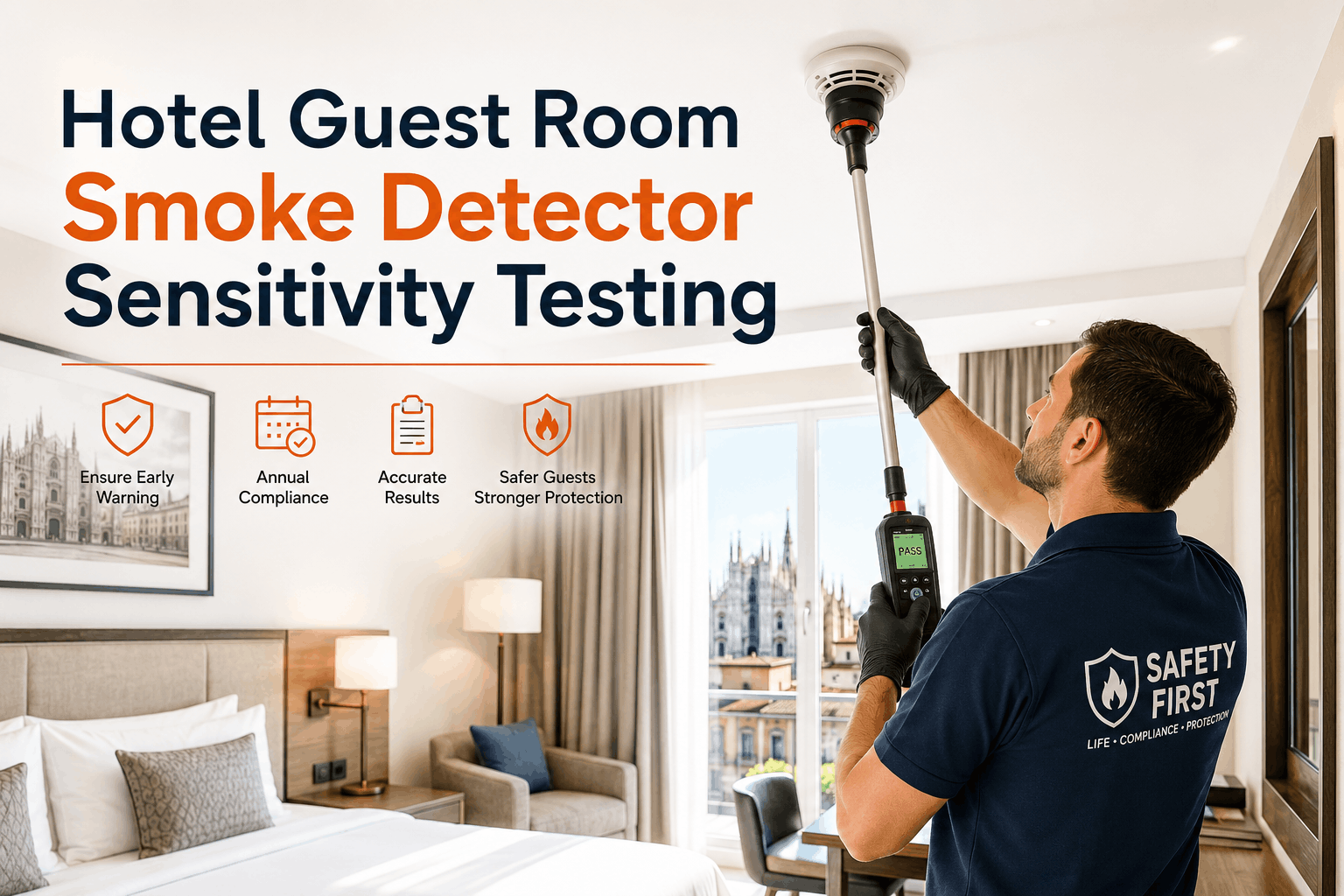
Smoke detector sensitivity must be tested within manufacturer's listed range—required after 2 years, then every 5 years thereafter
Fire Marshal Inspection Reality
Fire marshals examine three things: system operation, documentation, and correction records. They want proof that every device was tested, every trouble signal was addressed, and every deficiency was corrected within required timeframes. Missing documentation triggers violations even when systems work perfectly. Digital tracking creates the audit trail that proves compliance and protects your organization.
Complete Fire Alarm Inspection Checklist
Effective fire alarm inspection requires systematic coverage of every system component. This checklist covers control panels, initiating devices, notification appliances, and supporting infrastructure. Work through each section methodically during inspections. When your team can see how digital checklists streamline fire alarm compliance, inspection documentation becomes automatic instead of burdensome.
Panel Status Verification
Normal operating condition (no faults)
All zone indicators functional
Trouble signals cleared/documented
Primary power supply operational
Battery backup voltage verified
Panel Functional Tests
Alarm signal transmission to monitoring
Supervisory signal transmission
Trouble signal transmission
Panel reset function verified
Annunciator sync with main panel
Why Priority 1:
The FACP is the brain of your fire alarm system—a compromised panel means the entire building's fire protection is compromised
Smoke & Heat Detectors
Visual inspection for damage/obstruction
Functional test with approved method
Sensitivity within listed range
Proper mounting height/location
No paint, dust, or contamination
Manual Pull Stations
Accessible and unobstructed
Proper mounting height (42-48 inches)
Functional test (key operated)
Signage visible and correct
Physical condition intact
Why Priority 2:
Initiating devices are your first line of defense—a detector that doesn't detect or a pull station that doesn't activate costs lives
Audible Devices
Horn/speaker audibility verified
Sound level meets 15 dB requirement
Voice evacuation message clarity
Temporal pattern (3-3-3) correct
No physical damage or obstruction
Visual Devices (Strobes)
Flash pattern synchronized
Candela rating appropriate for space
Mounting height compliant (80-96 in)
Coverage per ADA requirements
Lens clean and undamaged
Why Priority 3:
Notification appliances alert occupants to evacuate—inadequate coverage or failed devices leave people unaware during emergencies
Document Every Inspection, Pass Every Audit
See how facility managers are using digital checklists to create fire marshal-ready documentation, schedule automated testing reminders, and eliminate compliance gaps.
Fire Alarm Device Types and Testing Requirements
Different fire alarm devices require different testing methods and frequencies. Understanding device-specific requirements ensures thorough inspections and proper documentation. Your inspection program should address each device type according to NFPA 72 Chapter 14 requirements.
SMOKE DETECTORS
Annual Functional Test
Ionization detectors
Photoelectric detectors
Duct smoke detectors
Beam detectors
Air sampling systems
Multi-criteria detectors
Sensitivity testing required after 2 years, then every 5 years
HEAT DETECTORS
Annual Functional Test
Fixed temperature
Rate-of-rise detectors
Rate compensation
Linear heat detection
Spot-type detectors
Restorable/non-restorable
Non-restorable detectors must be replaced after activation
MANUAL DEVICES
Annual Functional Test
Single-action pull stations
Double-action pull stations
Break glass stations
Weatherproof stations
Key-reset stations
Addressable pull stations
Must be within 5 feet of exit doorways per NFPA 72
NOTIFICATION APPLIANCES
Annual Functional Test
Horns and bells
Speakers/voice systems
Strobes (visual)
Horn/strobe combos
Chimes
Textual displays
Sound level must be 15 dB above ambient or 5 dB above max
Inspection Frequency Requirements
NFPA 72 Chapter 14 establishes specific inspection and testing frequencies for fire alarm systems. Different components require different schedules based on criticality and failure modes. Understanding these requirements ensures your inspection program meets code requirements.
| Component |
Weekly |
Monthly |
Semi-Annual |
Annual |
| Control Panel |
Visual check for faults/troubles |
Battery voltage verification |
Backup power load test |
Complete functional test |
| Smoke Detectors |
— |
Visual inspection |
Functional test (high-risk) |
Functional test all devices |
| Pull Stations |
— |
Visual/accessibility check |
— |
Functional test all devices |
| Notification Appliances |
— |
Visual inspection |
— |
Audibility/visibility verification |
| Batteries |
Visual for corrosion |
Voltage verification |
Load test (24-hr backup) |
Replacement evaluation |
Swipe to see full schedule
Weekly control panel checks are NFPA 72 requirements—missing these creates immediate compliance exposure and potential system failures
Testing Methods and Tools
Effective fire alarm inspection requires specialized tools and approved testing methods. Using proper equipment ensures accurate results and compliance with manufacturer requirements. Understanding which tools to use—and how to use them—ensures inspections produce defensible, code-compliant results.
Paper Logs vs. Digital Inspection Tracking
Fire marshals and insurance inspectors demand comprehensive documentation. When they request 12 months of inspection records, you need device-by-device test results, trouble signal logs, and deficiency correction proof—instantly accessible. Paper systems bury this information in filing cabinets. Digital tracking makes compliance verification instantaneous.
Paper-Based Logs
Test scheduling:
Calendar reminders
Deficiency tracking:
Manual follow-up
Audit readiness:
Days of prep
Digital CMMS
Test scheduling:
Auto-generated
Deficiency tracking:
Auto-escalation
Audit readiness:
Always ready
97%
first-time fire marshal pass rate
65%
reduction in false alarms
$0
compliance fines with proper tracking
Expert Perspective: What Fire Marshals Actually Look For
"In 18 years of fire alarm inspections, I've seen every shortcut and excuse. Here's the truth: I'm not just checking if your system works today—I'm looking for proof it's been working consistently. Show me your weekly panel checks. Show me your annual test reports with every device documented. Show me how you tracked and corrected deficiencies. Buildings with digital systems hand me a tablet with timestamped records, photos, and automatic deficiency tracking. Buildings without They scramble through binders hoping they documented everything. One approach passes inspection. The other gets cited."
— Fire Protection Engineer & AHJ Inspector, 18 years experience
Weekly Panel Checks
Fire marshals want 52 weeks of documented control panel inspections. No gaps, no excuses—this is NFPA 72's most frequent requirement.
Device-Level Testing
Annual tests must document every single device: detector address, test method, result, and technician. Sampling is not acceptable.
Deficiency Correction
When tests reveal problems, inspectors want proof of correction within code-required timeframes. Digital work orders close this loop automatically.
Common Deficiencies: What Inspections Find
Knowing what typically fails helps you focus your inspection program. These deficiencies appear repeatedly in fire marshal reports and insurance audits. Train your team to look specifically for these issues, and address them proactively before inspectors arrive.
Dirty/contaminated smoke detectors
Detectors beyond sensitivity range
Missing or displaced detectors
Painted or obstructed detectors
Wrong detector type for location
Insufficient audibility (below 15 dB)
Missing visual devices in required areas
Strobe synchronization failures
Voice system unintelligible
Damaged or painted appliances
Obstructed access (furniture/storage)
Missing at required exit locations
Incorrect mounting height
Damaged or non-functional
Missing or incorrect signage
Missing weekly inspection logs
Incomplete annual test records
No sensitivity test documentation
Unresolved trouble signal history
Missing deficiency correction proof
Team Roles for Fire Alarm Inspection Program
Effective fire alarm inspection distributes responsibility across the facilities team, with clear accountability for testing, monitoring, and follow-up. This structure ensures nothing falls through the cracks and compliance stays current year-round.
Program Manager
Facilities Director or Building Manager
Sets inspection schedules and standards
Reviews compliance reports monthly
Manages fire alarm contractor relations
Lead Technician
Fire Alarm Technician (NICET certified)
Performs weekly panel inspections
Coordinates annual testing
Documents findings in CMMS
Building Staff
Security & Maintenance Personnel
Reports alarm system issues immediately
Responds to trouble signals
Maintains pull station accessibility
Compliance Officer
Safety or EHS Manager
Audits documentation quarterly
Coordinates fire marshal inspections
Tracks regulatory changes
Never Fail a Fire Alarm Inspection Again
Oxmaint gives facility teams automated inspection scheduling, digital checklists with photo documentation, and instant compliance reports. Protect your building, protect your occupants, protect your compliance status.
Frequently Asked Questions
How often must fire alarm systems be inspected
Per NFPA 72, fire alarm control panels require weekly visual inspection for trouble conditions. Monthly inspections verify battery condition and general system status. Annual testing must include functional tests of every initiating device (smoke detectors, heat detectors, pull stations) and notification appliance. Smoke detector sensitivity testing is required within 2 years of installation, then every 5 years thereafter. Some jurisdictions require more frequent testing—always verify local AHJ requirements. All inspections and tests must be documented with dates, technician identification, methods used, and results.
What are the NFPA 72 requirements for smoke detector testing
NFPA 72 Chapter 14 requires annual functional testing of all smoke detectors using methods approved by the manufacturer—typically smoke aerosol or magnet testing. Visual inspection should occur monthly to check for damage, obstruction, or contamination. Sensitivity testing must verify detectors operate within the manufacturer's listed sensitivity range: initial test within 2 years of installation, then every 5 years thereafter. Detectors failing sensitivity tests must be cleaned and retested, or replaced. Documentation must include detector location/address, test method, test result, and technician identification.
What happens if a fire alarm fails inspection
Failed fire alarm inspections typically result in written deficiency notices requiring correction within specified timeframes—usually 30-90 days depending on severity. Critical deficiencies affecting life safety (like non-functional detectors in occupied areas) may require immediate correction or fire watch until repaired. Repeat violations or serious deficiencies can result in fines ranging from $5,000 to $100,000+ depending on jurisdiction. Buildings may face occupancy restrictions or closure orders until systems are compliant. Having documented maintenance records showing proactive testing can mitigate penalties when failures occur.
How long do fire alarm panel batteries last
Fire alarm panel batteries typically last 3-5 years, though this varies by battery type and environmental conditions. Sealed lead-acid batteries (most common) degrade faster in high-temperature environments. NFPA 72 requires batteries to provide 24 hours of standby power plus 5 minutes of alarm operation (or 4 minutes for voice systems). Semi-annual load testing verifies batteries can meet this requirement. Batteries showing reduced capacity during load tests should be replaced proactively—a dead battery discovered during a fire marshal inspection becomes an immediate violation. Replace batteries on a scheduled basis rather than waiting for failure.
What documentation is required for fire alarm compliance
Complete fire alarm compliance documentation includes: weekly control panel inspection logs; monthly visual inspection records; annual test reports documenting every device tested (with device ID, test method, and result); semi-annual battery load test records; smoke detector sensitivity test reports; trouble signal logs with resolution documentation; maintenance and repair work orders; and system modification records. NFPA 72 requires records be retained until the next test of the same type. Most jurisdictions require minimum 3-year retention. Digital CMMS systems automatically generate compliant documentation from routine inspection entries, eliminating gaps and ensuring audit readiness.
Ready to Implement a Complete Fire Alarm Inspection Program
Join thousands of facility managers using Oxmaint to schedule tests, document inspections, and maintain fire marshal compliance automatically. Start protecting your buildings today.