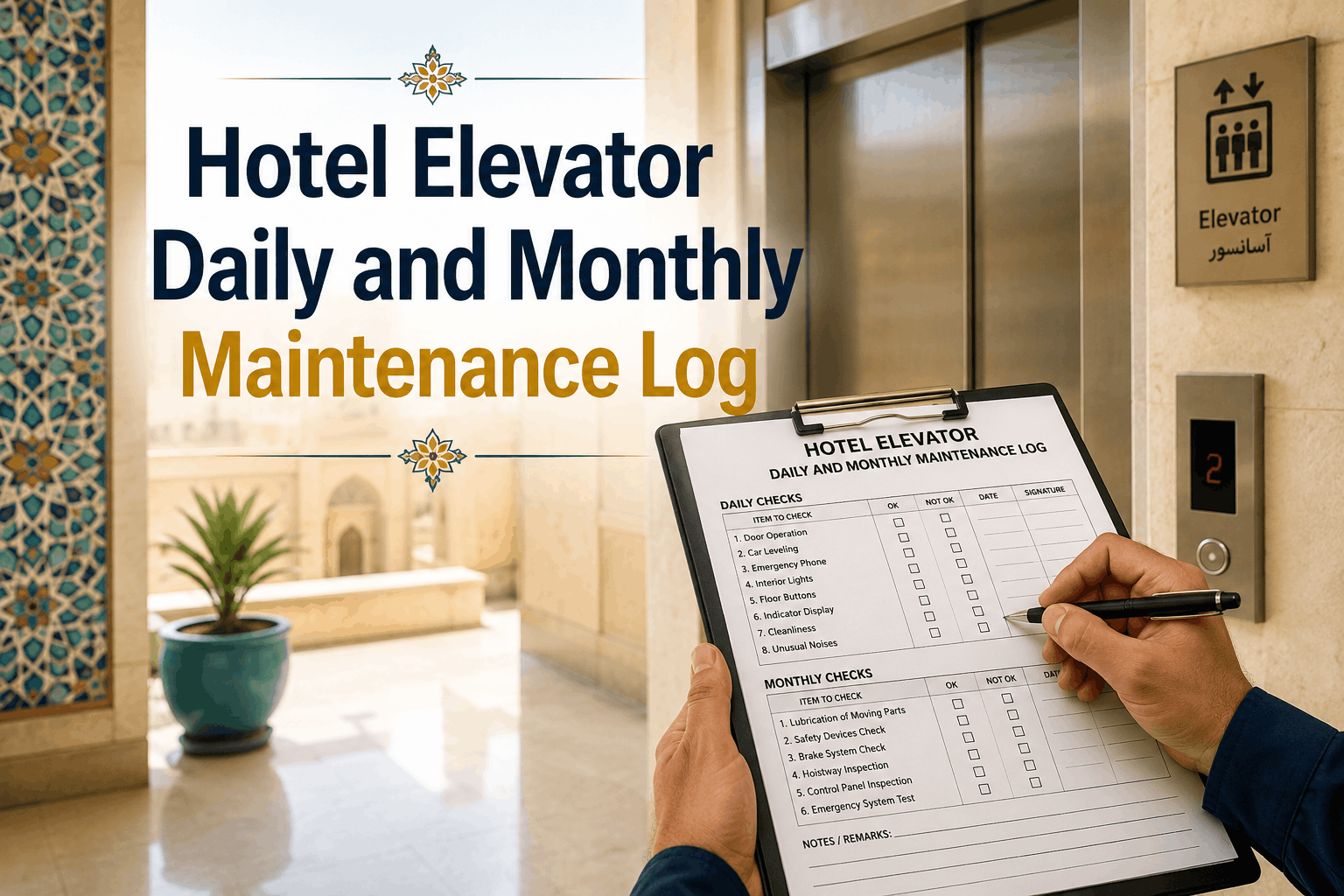
Hotel elevators operate 500–1,500 cycles daily, making them among the most heavily used vertical transportation systems in any building type. A single elevator entrapment during peak check-in traps 8–12 guests with luggage, creates ADA access failure (property must provide alternative accommodation and refunds), and generates social media complaints that damage brand reputation. Elevator failure also strands housekeeping, room service, and maintenance staff, forcing manual stair climbing and reducing operational efficiency by 40–50%. ASME A17.1 Safety Code for Elevators governs installation, maintenance, and testing in all US states—compliance is verified through annual state inspection certificate (which can be revoked if PM is neglected). Properties with structured elevator PM see unplanned downtime reduce 60–70% within first 12 months. Daily checks (door operation, emergency phone, car leveling) catch acute failures early, preventing entrapment and guest incidents. Monthly checks (bearing lubrication, safety device testing, cable inspection) catch wear patterns before they cause mechanical failures. Annual professional service includes load testing, brake performance verification, and emergency descent system testing—confirming all safety systems function correctly during worst-case scenarios. Oxmaint's elevator module automates daily visual inspections, schedules monthly professional maintenance, tracks state inspection certificate expiration dates, stores every service report against asset record, and generates audit-ready compliance documentation. USA hospitality chains report 40–55% reduction in emergency elevator service calls and zero unplanned shutdowns during peak periods after implementing structured elevator PM with digital work order execution.
Prevent Elevator Failures & Guest EntrapmentDaily door operation verification, monthly lubrication tracking, quarterly safety device testing, state inspection scheduling, and compliance documentation per ASME A17.1 code.
1. Daily Elevator Operation & Passenger Safety Checks
Daily checks identify acute failures—stuck doors, misaligned cars, failed intercoms—before they impact guest experience or create entrapment. These checks take 5–10 minutes per elevator and prevent 85% of daily failures from escalating to emergency service calls.
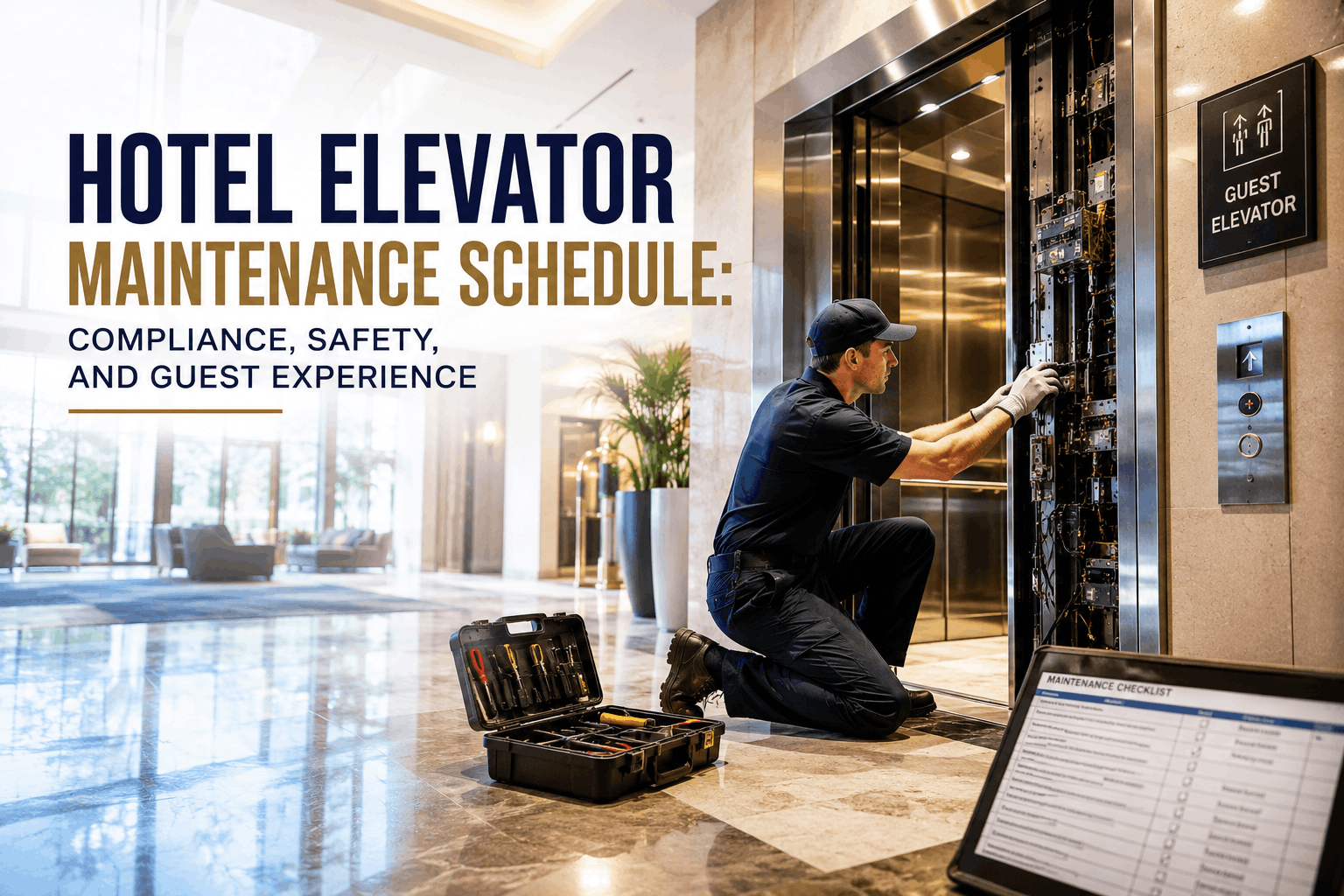
Elevators operate on mechanical systems with friction, wear, and lubrication requirements. Monthly professional inspections catch bearing wear, guide shoe degradation, and brake condition before they cause mechanical failure or safety system failure.
Elevators have multiple independent safety devices (governors, buffer springs, door interlocks) that function automatically without operator input. Quarterly testing verifies each safety system works independently—confirming worst-case failure scenarios are protected.
Eliminate Elevator Downtime & Emergency Service CallsDaily operational testing, monthly maintenance, quarterly safety device verification, annual state inspections, and compliance documentation per ASME A17.1 standards.
4. Annual State Inspection & Professional Certification
Every state requires annual elevator inspection by certified state inspector. Inspection verifies ASME A17.1 compliance and issues Certificate of Compliance—without this certificate, elevator cannot legally operate. Many properties don't track certification renewal dates and accidentally operate elevators past expiration, creating liability and operational risk.
Frequently Asked Questions — Hotel Elevator Maintenance
1. What causes most elevator entrapments in hotels?
Stuck doors (40%), overload conditions causing control shutdown (25%), leveling failure trapping car between floors (20%), and emergency stop activation (15%). Most can be prevented through daily door operation testing and monthly leveling verification.
2. How long should elevator passengers wait before calling for help if stuck?
If emergency phone is working, passengers should call immediately—technician will prioritize rescue. Normal response time is 30–60 minutes. During this wait, temperature in car rises 2–3°F per 10 minutes—overheating becomes risk after 30 minutes. Proper emergency communication is critical for passenger comfort and safety.
3. Can hotels use in-house maintenance staff for elevator maintenance or must they hire contractors?
ASME A17.1 requires certain tasks (load tests, safety brake testing, governor testing) be performed by qualified personnel—this typically means certified elevator technician with equipment. In-house staff can perform visual inspections and lubrication; major repairs require specialist. State inspection authority will verify contractor qualifications during annual inspection.
4. What is the difference between traction and hydraulic elevator technology in terms of maintenance?
Traction elevators use cables and motor (require cable inspection, motor bearing lubrication, governor testing). Hydraulic elevators use pressurized oil and cylinder (require hydraulic fluid level monitoring, hose inspection, pressure relief testing). Hydraulic elevators typically have lower maintenance costs but slower speeds. Maintenance intervals are similar despite different technology.
5. How much does an elevator emergency service call typically cost?
Emergency calls outside business hours (evenings/weekends): $1,500–$3,000 per call. Business hours calls: $500–$1,200. Actual repair (parts + labor) is additional. Preventive maintenance at $200–$400/month ($2,400–$4,800/year) prevents 80–90% of emergency calls—ROI is clear within first year.
6. What is a "modernization" vs. "replacement" for an aging elevator?
Modernization upgrades control systems, safety devices, and energy efficiency while keeping existing machine and structure—costs $20,000–$30,000, adds 10–15 years. Replacement removes all equipment and installs new unit—costs $50,000–$80,000, adds 25–35 years. Modernization is good for elevators 20–25 years old; replacement is better for 30+ year old units.
7. Can hotels operate elevator without valid state inspection certificate?
No—operating without valid certificate is code violation with fines $1,000–$5,000 per day. Building occupancy certificate could be revoked. Elevator must be taken out of service if certification expires. Schedule inspection 90 days before expiration to ensure timely renewal.
8. How can hotels reduce elevator liability during guest entrapment?
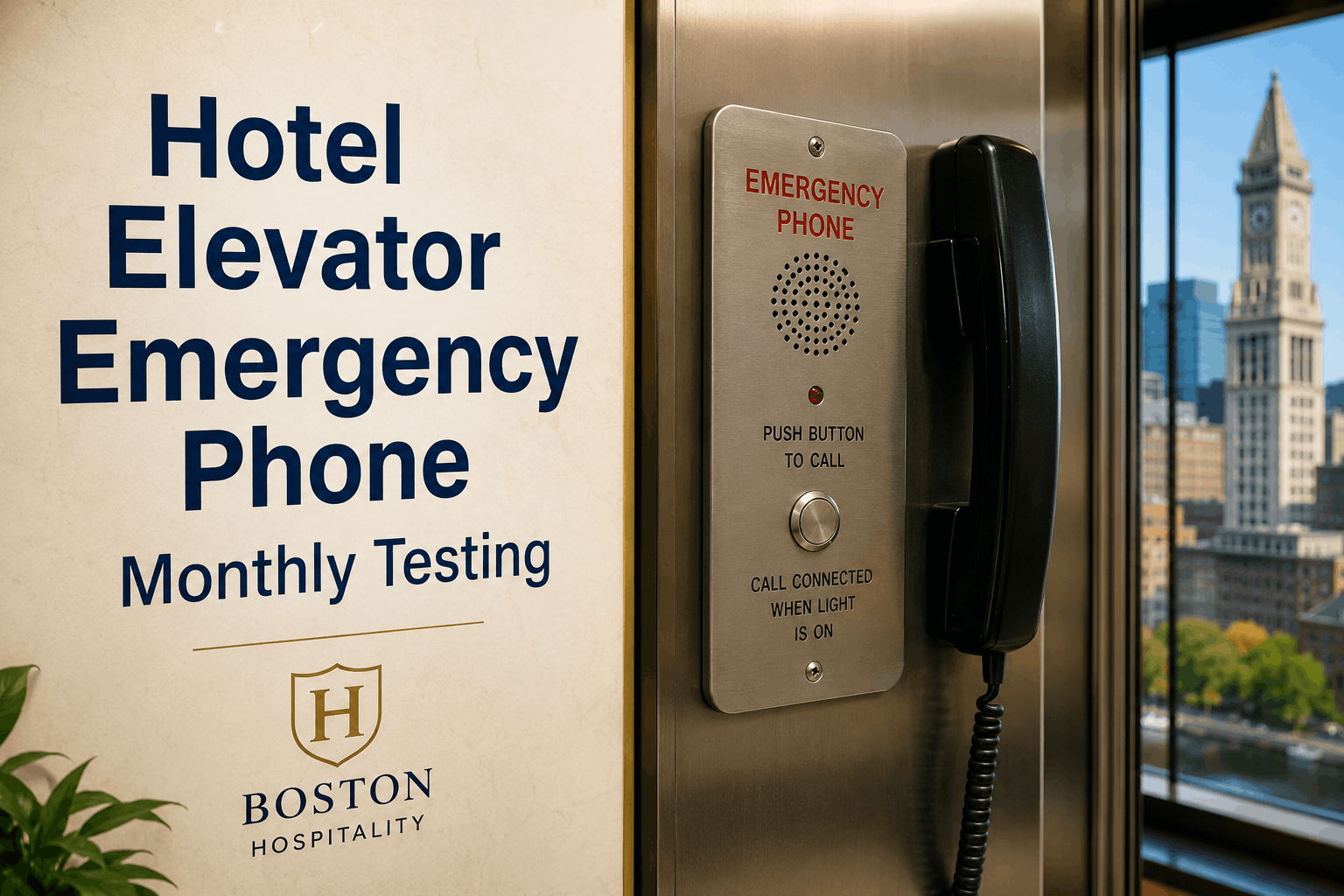
Maintain excellent emergency phone system (test monthly), train staff on emergency procedures, provide clear instructions in car, respond quickly to entrapment calls, and maintain comprehensive service records proving diligent maintenance. Documentation of PM program demonstrates reasonable care and significantly reduces liability in injury cases.
"One of our elevators developed a leveling drift over 3 weeks—guests were stepping up 2 inches to enter car. We didn't track the drift daily, so by the time technician was called, adjustment cost $2,000 and took 8 hours. If we'd tested leveling daily, we would have caught the 0.5-inch drift in week one when adjustment cost $400 and took 1 hour. Now every elevator is tested daily for leveling—that single daily check saves us thousands per year in caught-early repairs."— Robert Martinez, Chief Engineer, 320-room USA hotel chain
Achieve 99.9% Elevator Uptime & Guest SafetyDaily door/leveling verification, monthly lubrication and bearing inspection, quarterly safety device testing, annual state certification, and comprehensive maintenance documentation.