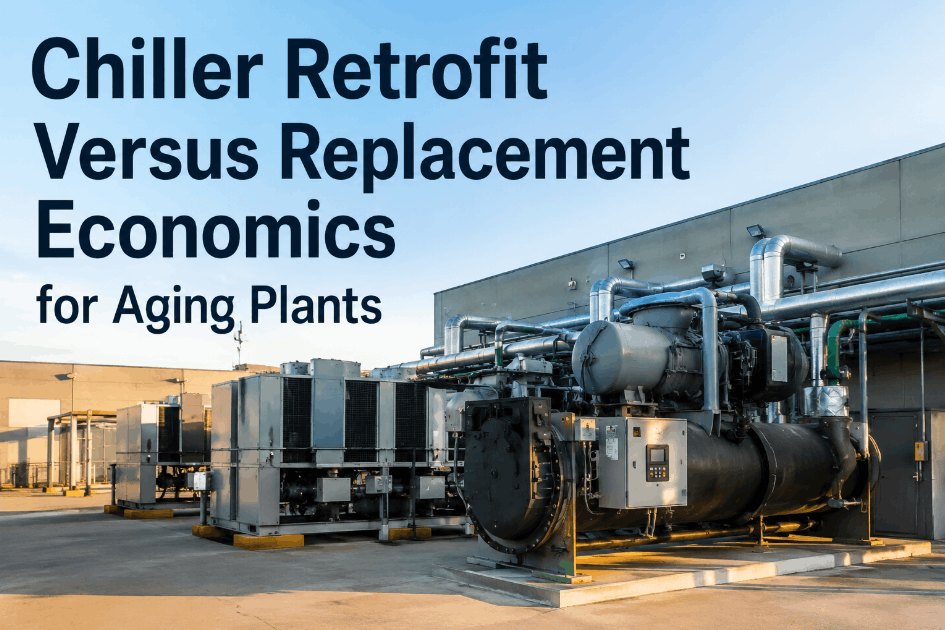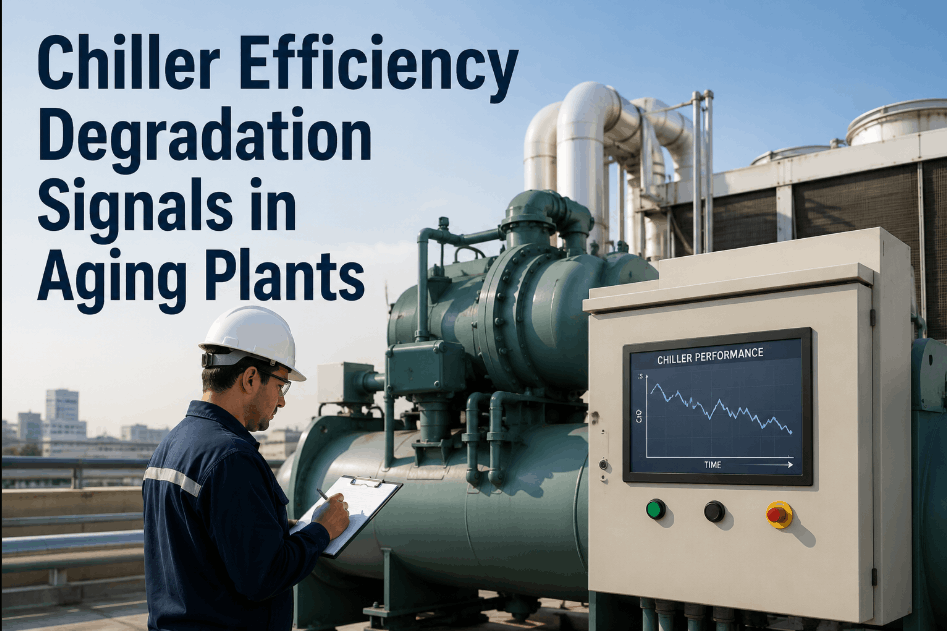
Chiller efficiency degradation is one of the quietest budget leaks in aging central plants — it rarely trips an alarm, yet it steadily drives up power draw per ton, widens condenser and evaporator lift, and stretches runtimes long after equipment should have satisfied load. When these signals go untracked, plant teams keep paying utility bills sized for a healthy chiller while running one that has already drifted into inefficient operation. Maintenance and reliability teams using Sign Up Free on OxMaint can log chiller performance readings by asset, trend power draw and lift over time, and turn scattered readings into a structured efficiency baseline that catches degradation before it becomes a capital expense. Structured chiller performance tracking turns mechanical health data into plant-level reliability precision.
Why Chiller Efficiency Degradation Is Hard to Catch in Aging Plants
Chillers degrade gradually — a few percent of lost efficiency per year from fouled tubes, refrigerant drift, and bearing wear rarely triggers a fault code, so the loss hides inside normal-looking operation until it compounds into real capacity shortfalls and utility overruns. Book a Demo to see how OxMaint captures chiller readings as structured asset data, scores mechanical health over time, and flags the trend lines that signal real degradation instead of normal day-to-day variation.
Six Signals of Chiller Efficiency Degradation Worth Tracking
A complete chiller performance program reads beyond a single power meter — it connects lift, runtime, approach temperature, and refrigerant condition into one mechanical health picture. Sign Up Free on OxMaint to begin logging these readings by asset and build the trend baseline your plant operations and reliability teams depend on.
Power Draw per Ton Trending Upward
A rising kW/ton ratio at comparable load and ambient conditions is the clearest early indicator of efficiency loss. Logging power draw readings against load in OxMaint reveals the slope of degradation long before it shows up as an unexplained utility spike.
Condenser and Evaporator Lift Widening
Lift — the temperature difference the compressor works against — widens when tubes foul or refrigerant charge drifts. Tracking lift readings over time in OxMaint isolates whether the compressor is working harder for the same cooling output.
Runtime Extension for Identical Load
When a chiller takes longer to satisfy the same setpoint and load than it did a season earlier, capacity is quietly eroding. Capturing runtime patterns by load band in OxMaint surfaces this drift before it forces unplanned lead-lag changes.
Approach Temperature Drift
Widening approach temperatures at the condenser or evaporator point directly to tube fouling or reduced heat transfer surface. Logging approach readings as structured maintenance data in OxMaint links the drift to a specific, schedulable cleaning action.
Refrigerant Charge and Subcooling Anomalies
Low subcooling or charge loss reduces heat transfer efficiency and accelerates compressor wear. Recording subcooling and charge-check results by asset in OxMaint distinguishes a refrigerant issue from a fouling issue before technicians are dispatched.
Tube Fouling and Heat Transfer Loss Patterns
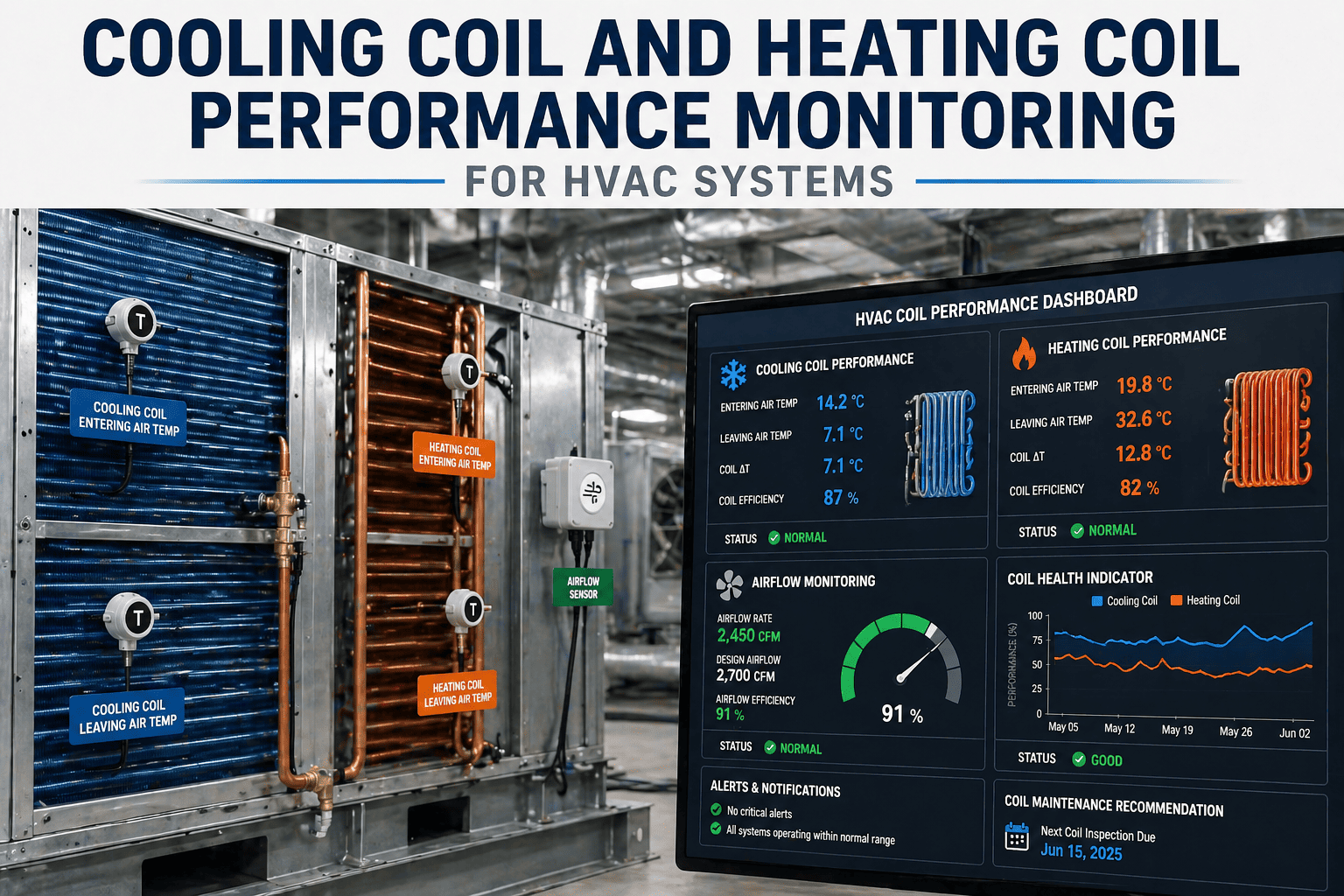
Fouling builds gradually and is easiest to catch as a trend, not a single inspection. OxMaint's predictive maintenance tools analyze sensor and runtime history to flag the fouling curve early and recommend cleaning intervals based on actual asset condition.
Chiller Efficiency Benchmarks by Plant Configuration
Degradation onset and risk vary by chiller type, age, and cooling configuration. Comparing your actual performance trends against configuration-specific benchmarks identifies where cleaning, refrigerant service, or capacity correction will protect reliability and energy spend the most. Book a Demo to explore how OxMaint tracks chiller performance data alongside plant maintenance scheduling in one platform.
| Chiller Configuration | Primary Degradation Driver | Typical Onset | Efficiency Risk | OxMaint Maintenance Lever |
|---|---|---|---|---|
| Centrifugal Water-Cooled | Condenser tube fouling and lift creep | 3–5 years without cleaning | High | Lift and approach temperature trend logs |
| Screw Chillers | Refrigerant charge drift and oil carryover | 2–4 years | Medium–High | Subcooling and charge-check records |
| Scroll Chillers | Compressor wear and runtime extension | 4–6 years | Medium | Runtime pattern tracking by load band |
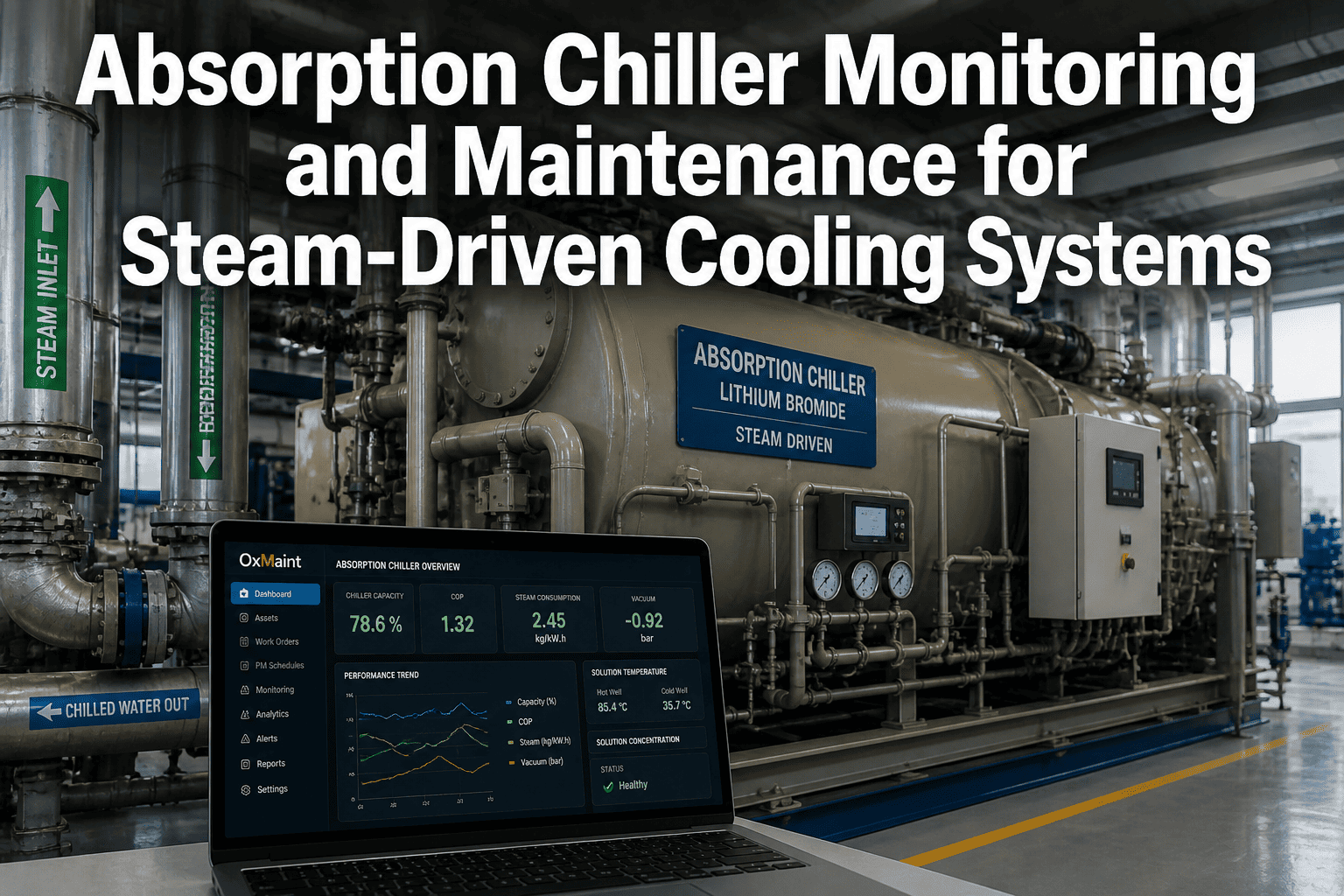
| Absorption Chillers | Solution concentration and crystallization risk | Seasonal + age-dependent | Medium | Performance trend reports by season |
| Air-Cooled Plants | Condenser coil fouling and ambient sensitivity | 2–3 years in high-dust environments | Medium–High | Asset health scoring + predictive alerts |
How Undetected Chiller Degradation Compounds Plant Risk
Chiller efficiency loss does not stay contained to one machine. It compounds through utility cost growth, accelerated compressor wear, capacity shortfalls misread as load growth, and deferred cleaning that makes eventual recovery more expensive. Book a Demo to see how OxMaint connects chiller trend data with plant maintenance scheduling, or Sign Up Free to start logging your own degradation signals before they surface as a budget surprise.
Building a Chiller Performance Tracking Program with OxMaint
Register Chillers with Baseline Performance Specifications
Create a complete chiller asset register in OxMaint with rated capacity, design kW/ton, refrigerant type, and commissioning performance data. This baseline gives every later reading a reference point for measuring real degradation.
Log Performance Readings as Structured Work Order Data
Capture power draw, lift, approach temperature, subcooling, and runtime at every inspection as a structured OxMaint work order. Structured readings replace logbook entries with searchable, trend-ready performance data.
Establish Efficiency Benchmarks by Chiller Type and Age
Use OxMaint reporting tools to analyze performance history and set degradation thresholds by chiller type, age, and operating profile. Benchmarks turn vague "it feels less efficient" observations into documented performance standards.
Configure Predictive Degradation Alerts
Set power draw, lift, and runtime thresholds in OxMaint that trigger alerts when readings trend beyond benchmark targets. Predictive maintenance scoring gives reliability teams visibility into emerging degradation before it becomes a capacity event.
Report Chiller Performance Trends Across Seasons
Use OxMaint dashboards to track efficiency trends, fouling curves, and runtime patterns across seasons and load cycles. Turn chiller performance data into capital planning and reliability reporting without manual spreadsheet work.
Frequently Asked Questions: Chiller Efficiency Degradation
What are the earliest signs of chiller efficiency degradation?
Rising power draw per ton, widening condenser or evaporator lift, and longer runtimes for the same load are the earliest measurable signs — all visible in trend data well before a fault alarm triggers.
How does tube fouling affect chiller efficiency in aging plants?
Fouled tubes reduce heat transfer surface, widening approach temperatures and forcing the compressor to work harder for the same cooling output. This shows up first as a slow efficiency decline, not a sudden failure.
How does OxMaint help track chiller performance over time?
OxMaint logs power draw, lift, approach temperature, and runtime readings by asset, then trends them against baseline performance and predictive thresholds — turning raw readings into an early-warning efficiency picture.
Can refrigerant charge issues be confused with fouling-related efficiency loss?
Yes — both reduce efficiency but require different fixes. Logging subcooling and charge-check data separately from approach temperature readings in OxMaint helps technicians distinguish the two before dispatching a service call.
How often should chiller performance trends be reviewed?
Most plants benefit from monthly trend reviews, with closer monitoring after major load changes or seasonal transitions. OxMaint automates trend reporting so reviews happen on schedule without manual data compilation.