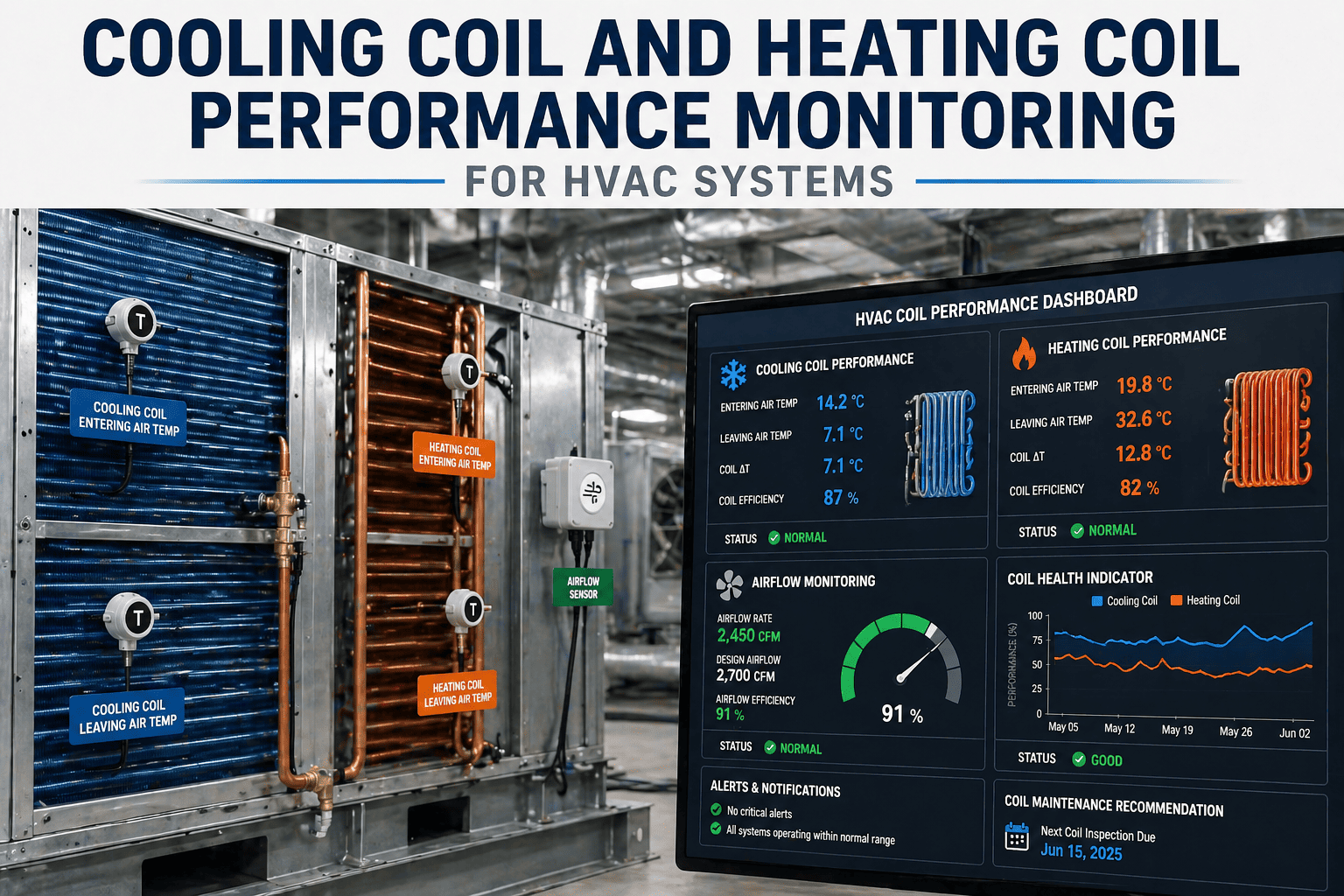
Heat pump short cycling is one of the most underdiagnosed reliability problems in light commercial HVAC — compressors starting and stopping too frequently due to load mismatch, control faults, or refrigerant pressure issues, each cycle adding cumulative wear that shortens equipment life well below design expectations. Sign Up Free to start logging heat pump cycle data in OxMaint, linking start-stop frequency to asset records and PM history so cycle anomalies are caught in scheduled maintenance visits rather than emergency compressor replacements. Book a Demo to see how OxMaint structures heat pump cycle monitoring and maintenance planning for light commercial facility teams managing multi-site HVAC inventories.
Facility Operations · HVAC Diagnostics · 2026
Heat Pump Start-Stop Cycle Monitoring for Light Commercial Sites
Too many heat pump starts can point to short cycling, load mismatch, or control issues that raise wear and shorten equipment life across light commercial HVAC systems.
44%Of light commercial compressor failures linked to short-cycle conditions that were detectable before failure
−35%Compressor wear reduction when start-stop frequency is tracked and limits enforced in the CMMS
6×Faster short-cycle detection with structured cycle logging vs. reactive service calls
89%PM compliance rate when heat pump cycle checks are scheduled and logged in OxMaint
Where Heat Pump Short Cycling Risk Builds in Light Commercial Sites
Short-cycle failure points span every component in the heat pump system — from oversized equipment starting on partial loads to refrigerant charge issues that trigger high-pressure lockout on every second cycle. The six patterns below represent the most common diagnostic gaps in light commercial heat pump operations, and the points where OxMaint's cycle monitoring and PM scheduling give maintenance teams a structured view before compressor wear accumulates into an unplanned replacement event. Sign Up Free to configure OxMaint's heat pump cycle monitoring workflow and map start-stop frequency against your equipment inventory across all sites.
01
Oversized Equipment on Partial Load
Risk Window: Mild weather shoulder seasons
High Wear RiskHeat pumps sized for peak heating or cooling demand satisfy setpoint within minutes during mild conditions — cycling off before minimum run time is met and restarting within seconds. Compressors accumulate dozens of short cycles per hour without any fault code generated.
02
Low Refrigerant Charge
Risk Window: First cooling season after installation or repair
Compressor RiskUndercharged refrigerant circuits trigger low-pressure safety lockouts after brief operating periods — producing a start-lockout-restart cycle that accumulates compressor stress across every operating hour until the charge issue is diagnosed.
03
Thermostat Differential Too Narrow
Risk Window: Stable indoor conditions
Controls GapThermostats or controllers configured with a 0.5°F differential band trigger continuous start-stop cycles to maintain setpoint — a configuration error that produces short-cycling on well-functioning equipment with no mechanical fault present.
04
Defrost Control Fault
Risk Window: Winter heating season
Heating Reliability RiskDefrost boards that initiate defrost cycles too frequently or fail to terminate them correctly force the heat pump into unnecessary reversing valve cycles — producing irregular start-stop patterns that are difficult to diagnose without cycle frequency data.
05
Ductwork Restriction and Airflow Fault
Risk Window: Post-renovation periods
Condition GapBlocked or undersized ductwork reduces airflow across the coil, causing the heat pump to reach high-pressure or low-temperature cutoff limits before satisfying zone setpoint — generating frequent stops that look like control faults without airflow data.
06
Cycle Frequency Documentation Gap
Risk Window: Between PM visits
Prevention InputStart-stop frequency observations during PM visits are not logged with enough specificity to identify short-cycle trends — so progressive compressor wear accumulates without triggering a maintenance response between scheduled service intervals.
Heat Pump Cycle Management — Without vs. With OxMaint
The difference between reactive heat pump service and a structured cycle monitoring program is measurable in compressor life, emergency call frequency, and equipment replacement timing. The comparison below shows what changes when OxMaint structures cycle logging, PM scheduling, and diagnostic documentation for light commercial heat pump fleets. Book a Demo to walk through your site's current heat pump maintenance structure and identify where OxMaint closes the cycle monitoring gap.
Heat Pump Cycle Monitoring Maturity — Where Does Your Fleet Score?
Cycle monitoring maturity ranges from entirely reactive — service teams respond to comfort complaints after compressors have already accumulated significant short-cycle wear — to structured preventive programs with logged cycle data, defrost tracking, and root cause documentation at every fault close. The maturity framework below maps where your light commercial heat pump maintenance sits. Book a Demo to assess your heat pump monitoring maturity with an OxMaint solutions engineer.
Heat Pump Cycle Monitoring Maturity
Score 5 = CMMS-structured cycle tracking · Score 1 = fully reactive compressor service
5
Full Cycle Map · CMMS-Integrated · Trend Alerts
Start-stop frequency, refrigerant pressure, and defrost cycle data logged per unit on every PM visit. Anomaly trends trigger diagnostic work orders. Root cause documented at every fault close.
Profile: Short-cycle compressor wear is a prevented event. Equipment life is extended through structured cycle frequency monitoring and early diagnostic response.
4
Structured PM · Partial Cycle Capture
Heat pumps on scheduled PM program. Major cycle faults documented. Cycle frequency and defrost pattern not tracked per visit across the full site fleet.
Action: Add cycle frequency and differential band verification to all PM checklists. Consistency across units is where early detection is built.
3
Annual Service Only · Reactive Between Visits
Heat pumps checked at annual service. Short-cycle events between visits addressed through emergency service calls. Cycle data not transferred to asset records.
Gap: Annual-only service misses seasonal short-cycle buildup. Quarterly cycle frequency check is the highest-impact next step for compressor protection.
2
Comfort-Complaint Driven Response
Heat pump issues identified through tenant comfort calls. No structured cycle review between annual visits. Same units short-cycle repeatedly without increased inspection frequency.
Risk: Compressor wear accumulates invisibly between service visits. Equipment life reduction is discovered at replacement, not prevented at inspection.
1
No Cycle Monitoring Structure
Start-stop frequency not included in any PM program. Cycle faults undocumented. Maintenance intervals fixed regardless of unit age, load, or previous short-cycle history.
Risk: Every operating season adds untracked compressor wear. Equipment replacement timing is unpredictable because short-cycle patterns were never monitored.
Catch Heat Pump Short Cycling Before It Becomes a Compressor Replacement.
OxMaint structures cycle frequency logging, defrost tracking, and PM scheduling for light commercial facility teams managing heat pump fleets across multiple sites.
How OxMaint Structures Heat Pump Cycle Monitoring
OxMaint connects cycle frequency logging, refrigerant pressure tracking, and PM scheduling into a single maintenance record for light commercial heat pump fleets. Every short-cycle event becomes a documented diagnostic trigger — with root cause captured, PM frequencies adjusted, and high-wear units flagged for priority attention before compressor failure forces emergency replacement. Sign Up Free to configure OxMaint's heat pump cycle monitoring workflow. Book a Demo to see how OxMaint adapts to your site's equipment inventory and maintenance team structure.
Cycle Frequency Logging
Per Unit · Per Visit
Start-stop frequency captured at every PM inspection
OxMaint PM checklists capture cycle frequency observations per unit — building a trend record that identifies short-cycle progression before compressor wear accumulates to failure threshold.
Refrigerant Pressure Tracking
Suction · Discharge · Subcooling
Pressure data linked to cycle frequency per unit
OxMaint logs pressure readings alongside cycle data — surfacing low-charge short-cycle patterns that would otherwise require separate equipment fault logs to correlate.
Controls Configuration Review
Differential Band · Defrost Settings
Thermostat and defrost board verification on PM schedule
OxMaint PM tasks include differential band and defrost control verification — catching configuration-driven short-cycle conditions before they are misdiagnosed as mechanical faults.
Root Cause Closure
Every Cycle Fault
Short-cycle root cause documented at work order close
CMMS closure requires root cause entry on every cycle-fault work order — automatically increasing PM frequency for affected units and flagging repeat short-cycle assets for diagnostic priority.
"
We replaced three heat pump compressors across our light commercial portfolio in one year, all listed as random failures. After setting up OxMaint's cycle logging checklist on quarterly PM visits, we identified two units with thermostat differential settings at 0.5°F and one with a defrost board initiating every 40 minutes. Corrected all three on the next PM visit. No compressor replacements in the 18 months since — and we can now show cycle trend data to justify equipment replacement before emergency failure forces the decision.
Facilities Director — Regional Light Commercial Property Portfolio, Melbourne, Australia
Frequently Asked Questions
What causes heat pump short cycling in light commercial sites?
Oversized equipment on partial loads, low refrigerant charge, narrow thermostat differential settings, and defrost control faults are the most common causes — each producing a distinct cycle pattern that is identifiable through frequency logging before compressor wear becomes irreversible.
How many start cycles per hour indicate a short-cycling problem in heat pumps?
More than 6 start cycles per hour for a single-stage heat pump typically indicates short-cycling. Variable-speed units have different thresholds, making logged frequency trends more diagnostic than single-visit observations.
How does OxMaint help prevent heat pump compressor failures from short cycling?
OxMaint logs cycle frequency, pressure data, and controls configuration per unit on structured PM intervals — building trend records that identify short-cycle conditions early and trigger diagnostic work orders before compressor wear reaches failure threshold.
Can OxMaint track heat pump performance across multiple light commercial sites?
Yes. OxMaint manages heat pump asset records and PM schedules across every site in a portfolio — with cross-site cycle frequency reporting that identifies fleet-level short-cycle patterns and load mismatch trends.
Does OxMaint require sensor hardware to monitor heat pump cycles?
No. OxMaint's cycle monitoring workflow operates through structured PM checklists completed by technicians on site visits — no sensor hardware or controls integration required to capture cycle frequency and diagnostic data.
Turn Every PM Visit Into a Cycle Frequency Record — Not a Missed Short-Cycle Warning.
OxMaint logs heat pump start-stop frequency, tracks refrigerant pressure trends, and enforces root cause documentation — extending compressor life at the units that carry the highest short-cycle risk.