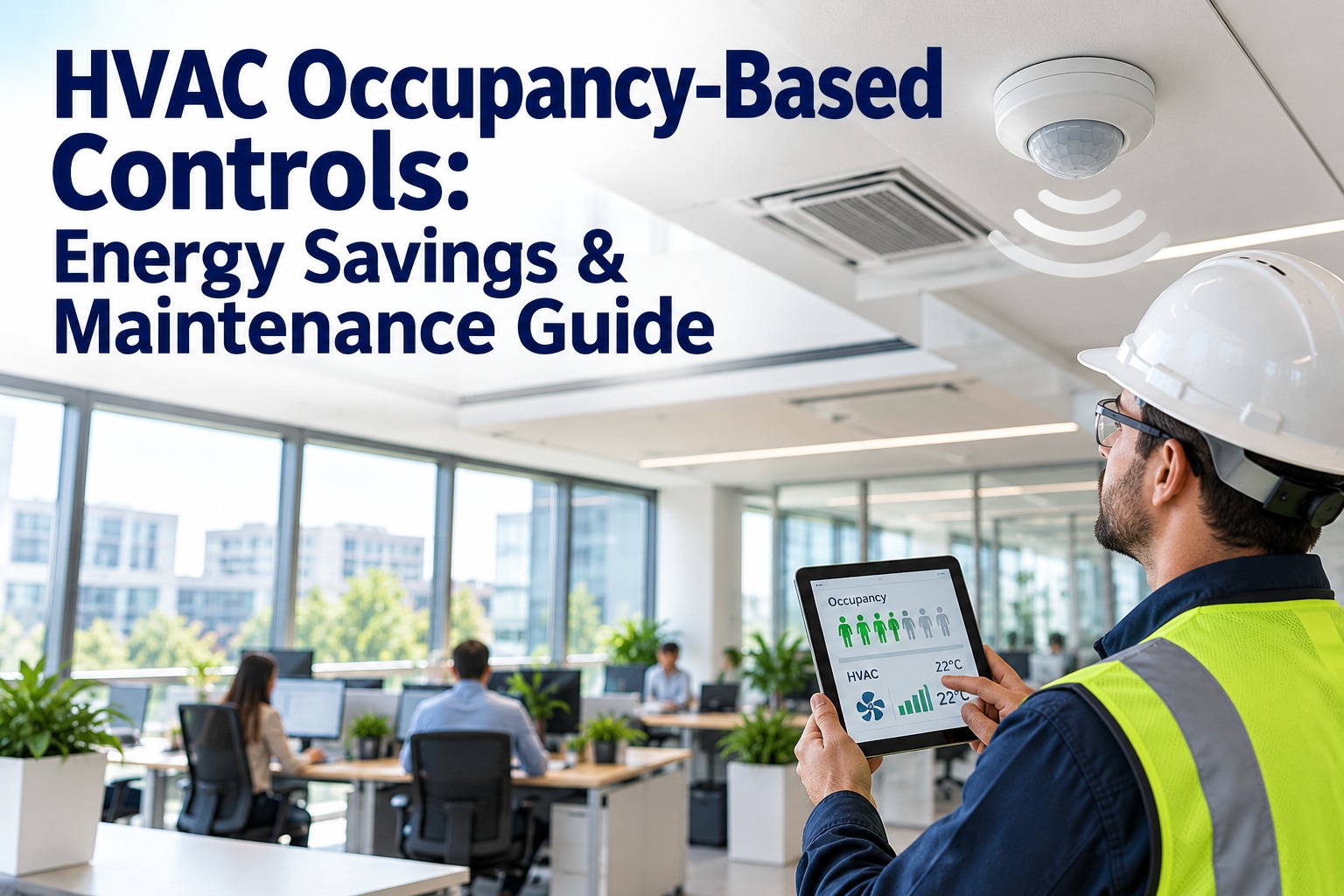
For most building owners, HVAC is the biggest line on the energy bill, and the hardest to see inside. Replacing equipment gets the attention, but many of the larger wins come from simply running and maintaining what you already own the way it was designed. This guide ranks HVAC energy strategies by effort and payoff, shows why savings fade without upkeep, and gives a 90-day plan you can start with your current team. OxMaint AI CMMS keeps the maintenance side of that plan organized and on schedule.
HVAC Energy Optimization Strategies for Building Owners
You can approve every efficiency project and still watch energy use creep back up when upkeep slips.
OxMaint AI CMMS connects inspections, issues, work orders and preventive or predictive maintenance in one platform, so your HVAC keeps running the way you paid for it to run.
The result: better asset visibility across every building you own or manage.
Three Levels of HVAC Energy Strategy
Start at the bottom. Each level builds on the one below it. Start free and manage Levels 1 and 2 in one place.
Higher-efficiency equipment, variable-speed drives, modern controls. Best chosen using the data from Levels 1 and 2.
Preventive maintenance, filter and coil care, sensor calibration, fixing faults fast. This is where energy drift is stopped.
Right-sized schedules, sensible setpoints, no equipment running in empty spaces, and regular review of what actually runs when.
Effort vs Impact: Where to Spend First
A typical way to rank options. Your building's age and systems will shift the order. Book a demo to prioritize yours.
Filter and coil cleaning
Fixing stuck dampers
Controls tuning
Sensor calibration program
Small comfort adjustments
Major controls upgrade
Variable-speed retrofits
The Savings Study Is Only as Good as the Upkeep After It
LBNL describes building drift as almost inevitable. When PMs slip and small faults linger, performance returns to where it started. OxMaint AI keeps recurring tasks scheduled and findings tracked to closure.
Six Numbers Worth Watching
You do not need dozens of metrics. Review these monthly. Start free and build your owner dashboard.
Your First 90 Days
List every HVAC asset, record its condition, gather energy bills and current schedules.
Clear quick wins, set PM routines for filters, coils and dampers, assign owners to every finding.
Review the six numbers, compare against baseline, decide which capital projects the data supports.
How OxMaint AI Helps Owners
Every HVAC unit in one record with history, health score and QR lookup.
Automated schedules so filters, coils and dampers are never forgotten.
Digital checklists with photos; failed items create corrective work.
Assigned, tracked and recorded, with labor and parts history.
AI reviews sensor, runtime and history data and raises proactive work orders.
Dashboards to review performance across your portfolio.
Frequently Asked Questions
Keep Your HVAC Running the Way You Paid For It.
Organize every unit, schedule the upkeep, and track each finding to a fix. Start with one building and see what your data shows.