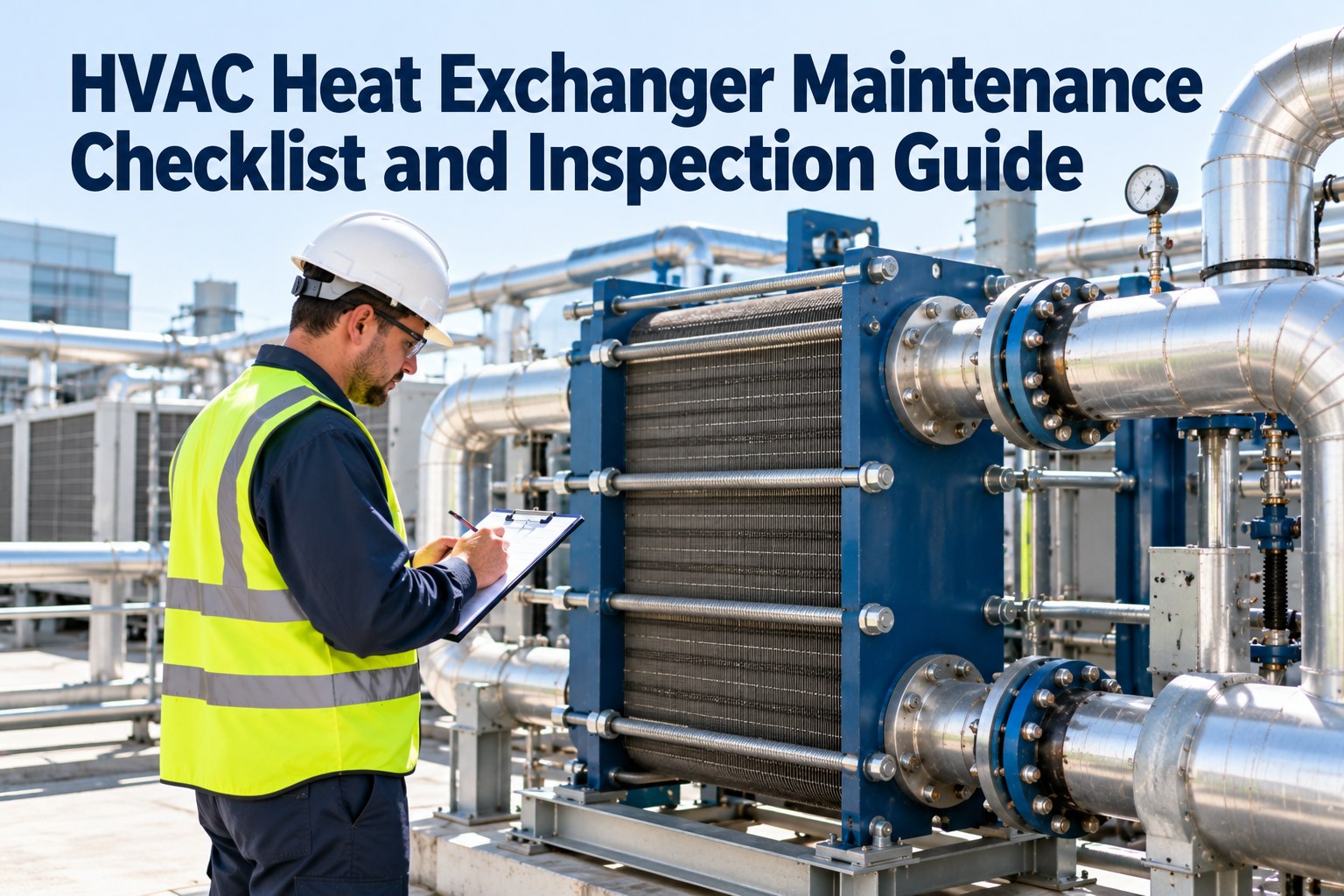
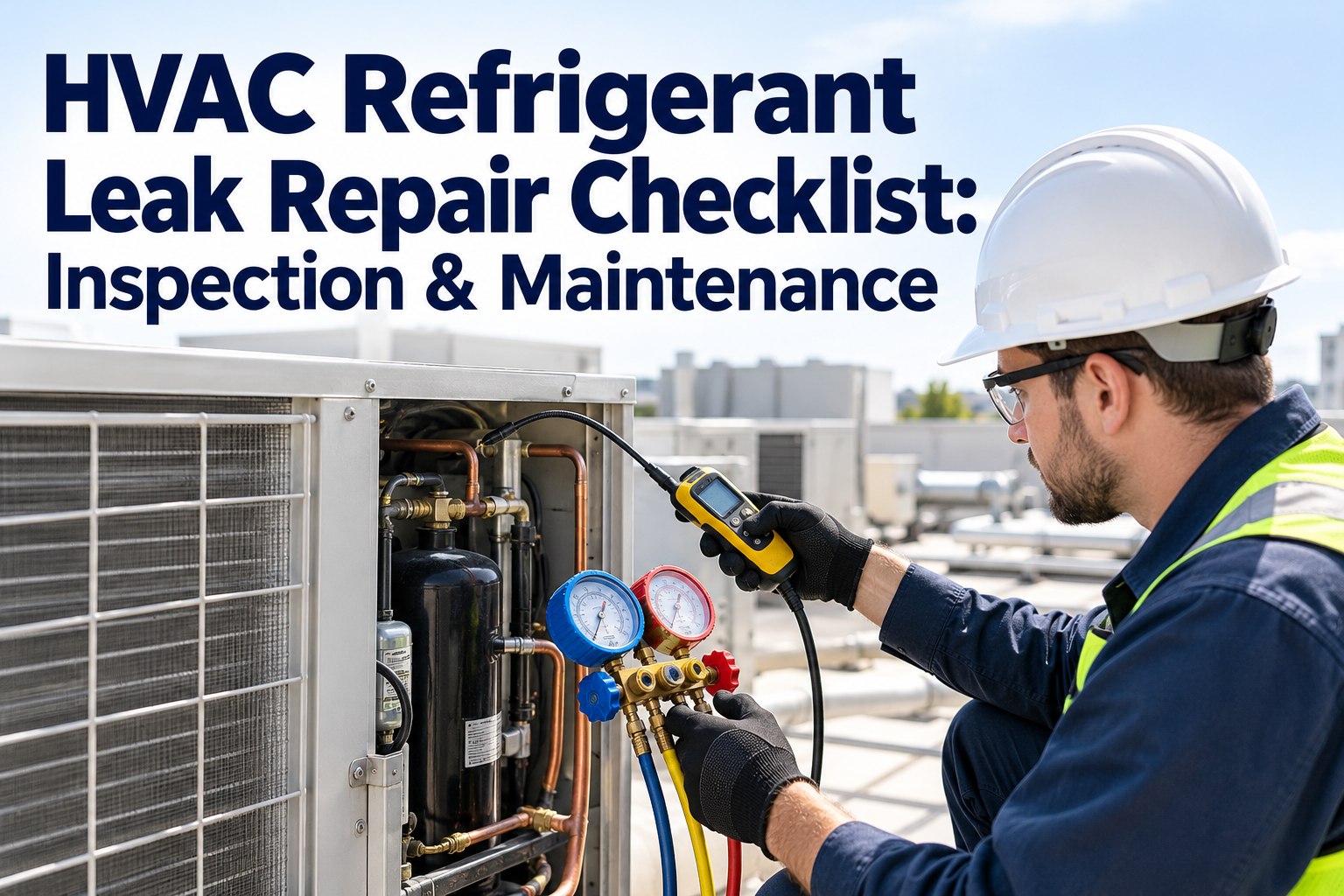
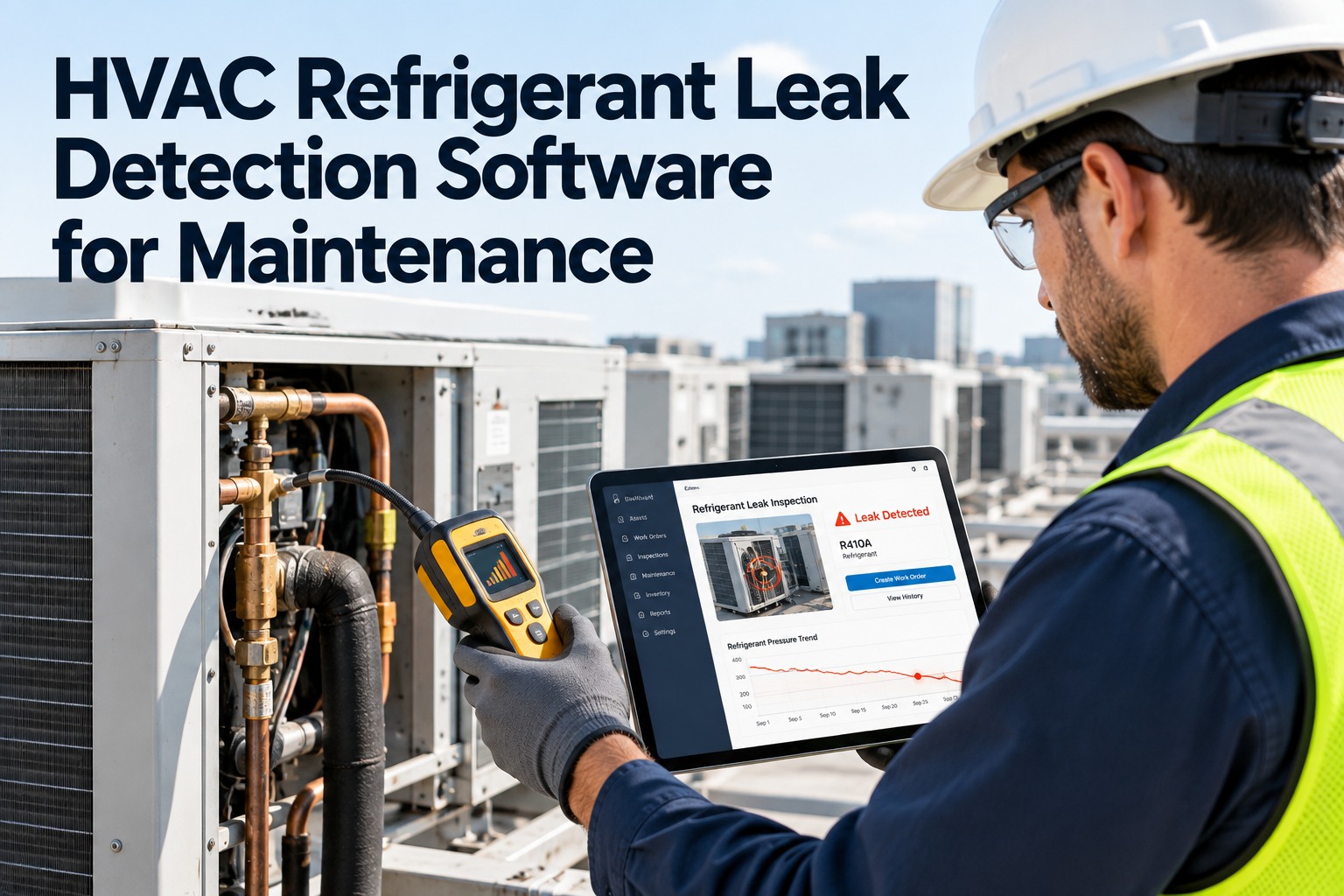
A heat exchanger has no compressor to seize and no motor to burn out — which is exactly why it gets neglected until it's quietly costing a fortune. It fails two ways: it fouls, so a thin film of scale or dirt insulates the surface and bleeds efficiency on every hour it runs; and it leaks, letting two fluids that should never meet cross-contaminate. Neither trips an alarm — you read them in a rising approach temperature and a slow pressure change. This checklist keeps the surfaces clean, the tubes sound and the performance on record, and OXMAINT AI, the AI-powered maintenance management software, keeps every check on schedule and every reading on a work order.
Equipment Maintenance · HVAC Heat Exchanger Checklist & Inspection Guide · 2027
HVAC Heat Exchanger Maintenance Checklist & Inspection Guide
No moving parts, no alarm — just efficiency bleeding away as the surfaces foul. The signal is the approach temperature, and it climbs long before anything fails. This checklist keeps your shell-and-tube, plate and fin exchangers clean, leak-free and performing, with OXMAINT AI tracking the readings that move first.
CLEAN
Low approach · full heat transfer
FOULED
High approach · wasted energy
Approach Temperature: The One Number That Tells You Everything
The approach temperature — the gap between the two fluids leaving the exchanger — is the single best read on its health. A clean exchanger holds a small, steady approach; as fouling builds, the gap widens and every degree is heat you paid for that never transferred. Trend it, and you schedule a clean before efficiency collapses instead of after. Start free and trend approach temperature on every exchanger in OXMAINT AI.
Rising approach temp
The gap between the fluid streams widens — the classic, earliest sign of fouling on the heat-transfer surface.
Climbing pressure differential
More resistance across the exchanger means deposits are narrowing the flow path — clean or de-scale is due.
Falling heat duty
The same flows deliver less heating or cooling — capacity quietly lost to an insulating fouling layer.
Fluid cross-contamination
One stream showing up in the other, or a pressure change between sides, points to a tube or plate leak.
Know Your Type Before You Inspect
Shell-and-tube, plate and fin exchangers each foul, leak and clean differently — the checklist below is grouped by type for that reason. Match your equipment to the right section so you check the failure mode that actually applies. Book a demo to map each exchanger type to its own PM in OXMAINT AI.
Shell-and-Tube
Tubes inside a shell. Fouls inside and out; cleaned by brushing, chemical circulation or hydro-blasting; leaks tube-to-shell.
Plate
Stacked gasketed plates. High efficiency, tight channels that foul fast; cleaned by CIP or plate removal; leaks at gaskets.
Fin-and-Tube / Coil
Air-side coils. Fins clog with dust and debris; cleaned by comb, wash and coil cleaner; leaks show as refrigerant or water loss.
The Heat Exchanger Maintenance Checklist
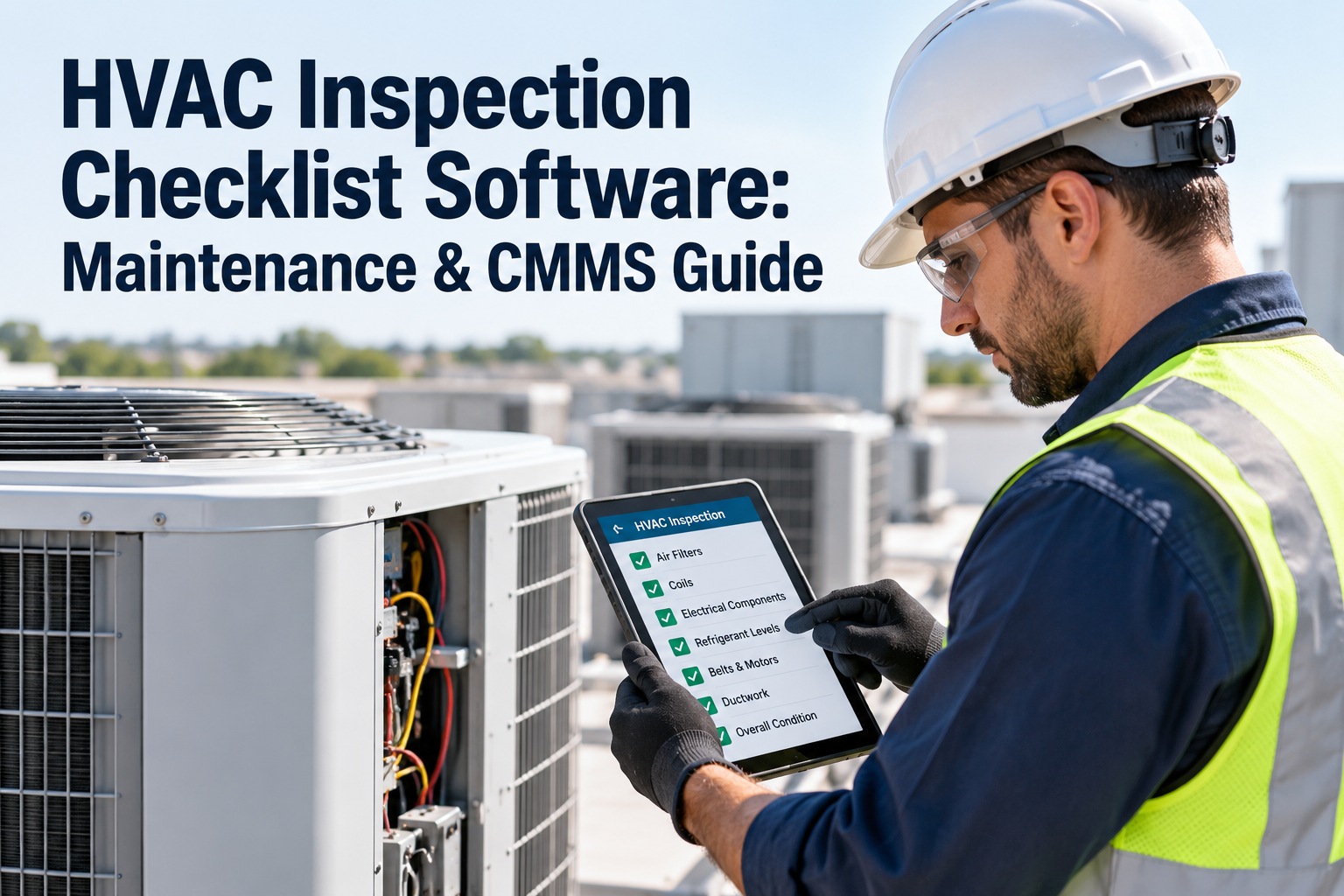
Work the group that matches your equipment, plus the performance and leak checks that apply to all types. Tick each item as it's done; in the OXMAINT AI software the same checklist runs on a handheld and files itself as a time-stamped record against the asset. Start free and run this checklist from any phone in OXMAINT AI.
Clean On ThisWhen Fouling Becomes a Work Order
Clean on condition, not just the calendar. These are the signals that say the surface has fouled enough to justify a clean now — before the efficiency loss outweighs the downtime.
!
Approach temperature risen past its action threshold
!
Pressure differential climbed well above the clean baseline
!
Heat duty fallen below its acceptable percentage of design
!
Fouling-prone fluid or poor water quality on a known cycle
Fouling Doesn't Break the Exchanger — It Bills You Every Hour Instead.
There's no failure event, just a slow, invisible tax on energy as the surface insulates itself. The only way to see it is to trend the readings and clean on condition. The OXMAINT AI maintenance management software trends approach temperature and pressure differential, and raises a cleaning work order the moment fouling crosses the line.
The PM Schedule by Interval
Heat-exchanger PM layers quick performance reads over periodic cleaning and a deeper integrity inspection. Here's the core cadence — tighten it where the fluid fouls fast or water quality is poor, and always follow the OEM and your water-treatment program. Start free and load this schedule onto each exchanger in OXMAINT AI.
Monthly
Record both-side temperatures and pressure differential; trend the approach; scan for leaks, corrosion and wet insulation.
Quarterly
Clean air-side coils and fins, check plate gaskets, and review performance trends against the clean baseline.
Semi-annual
Chemical-clean or de-scale where fouling is heavy; inspect tube and plate surfaces; verify flows and controls.
Annual
Full inspection — open, clean and eddy-current test tubes, renew gaskets, pressure-test for integrity, re-baseline performance.
How OXMAINT AI Keeps a Heat Exchanger Efficient
A heat exchanger rewards condition-based care — the right reading trended and acted on before the efficiency is gone. The OXMAINT AI maintenance management software schedules the PM, trends approach and pressure differential, logs cleaning and eddy-current history, and raises a work order on any drift. Book a demo to see the full heat-exchanger workflow in OXMAINT AI.
PM SCHEDULE
Monthly-to-annual tasks scheduled with overdue escalation, so cleaning and eddy-current testing never slip.
APPROACH TREND
Approach temperature and pressure differential trended against the clean baseline, so fouling shows up early.
CLEAN-ON-CONDITION
A reading past its threshold raises a cleaning work order automatically, with the asset and value attached.
EDDY-CURRENT LOG
Tube wall-thinning results logged per exchanger, so re-tube and overhaul timing is driven by data.
LEAK HISTORY
Pressure-test and cross-contamination findings recorded against the asset for integrity tracking.
FULL RECORD
Every reading, clean and test tied to the exchanger — audit-ready and ready for reliability review.
Expert Review
This checklist is a general framework for HVAC and industrial heat-exchanger maintenance. The exact cleaning methods, chemicals, intervals, approach-temperature and pressure-differential thresholds, and inspection and test requirements for any unit come from the OEM manual, your water-treatment program and any applicable pressure-vessel code, which take precedence — chemical cleaning, hydrostatic testing and work on a pressurised exchanger must be done by a qualified person following those procedures. Eddy-current and integrity testing should be carried out and interpreted by trained technicians. OXMAINT AI schedules the PM, trends the readings and keeps the cleaning, test and inspection record; it supports the maintenance program your HVAC and reliability teams own, not OEM guidance, code or technician judgement.
Frequently Asked Questions
What is the approach temperature and why does it matter?
It's the gap between the two fluids leaving the heat exchanger — the smaller the gap, the more effectively heat is transferring. As the surface fouls, the approach widens, which is the earliest and clearest sign that efficiency is bleeding away. Trending it lets you clean on condition rather than guessing, and it's the number the OXMAINT AI software watches first.
Book a demo to trend approach temperature in OXMAINT AI.
How often should a heat exchanger be cleaned?
It depends on the fluid and water quality more than the calendar — clean on condition when approach temperature or pressure differential crosses its threshold. As a baseline, air-side coils are often cleaned quarterly, fouling-prone liquid exchangers chemically cleaned semi-annually, and a full open-and-clean done annually. Poor water quality tightens all of those.
Book a demo to set clean-on-condition triggers in OXMAINT AI.
How do you detect a heat exchanger leak?
Watch for one fluid showing up in the other, an unexplained pressure change between the two sides, or loss of refrigerant or water. Confirm it with a pressure or hydrostatic test, and for shell-and-tube units, eddy-current testing locates the thinning or cracked tube. Catching a leak early prevents cross-contamination of the two streams.
Book a demo to track leak tests and findings in OXMAINT AI.
What is eddy-current testing and when is it used?
It's a non-destructive test that checks tube walls for thinning, pitting and cracks without cutting anything open — typically run on shell-and-tube exchangers during the annual inspection or when a leak is suspected. Trending the results over time tells you when a unit is approaching the point of needing re-tubing or replacement, so the decision is data-driven.
Book a demo to log eddy-current history per exchanger.
How does a CMMS help with heat exchanger maintenance?
It schedules the monthly-to-annual PM so cleaning and testing never slip, trends the readings that move first — approach temperature and pressure differential — and raises a cleaning or inspection work order the moment one crosses its threshold. It also keeps eddy-current, leak-test and cleaning history tied to each exchanger for overhaul planning and audits.
Book a demo to see the full heat-exchanger workflow in OXMAINT AI.
Keep the Surface Clean and the Approach Tight.
Run heat-exchanger maintenance on the OXMAINT AI maintenance management software — scheduled cleaning and inspection, trended approach temperature and pressure differential that catch fouling early, eddy-current and leak-test history, and a work order on every drift. Stop paying the fouling tax, one tracked reading at a time.