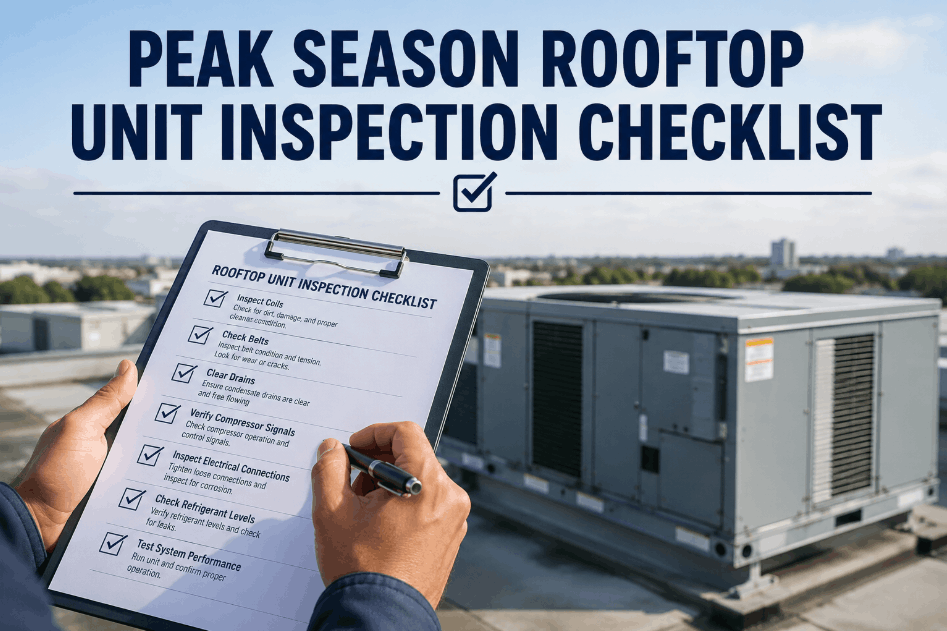
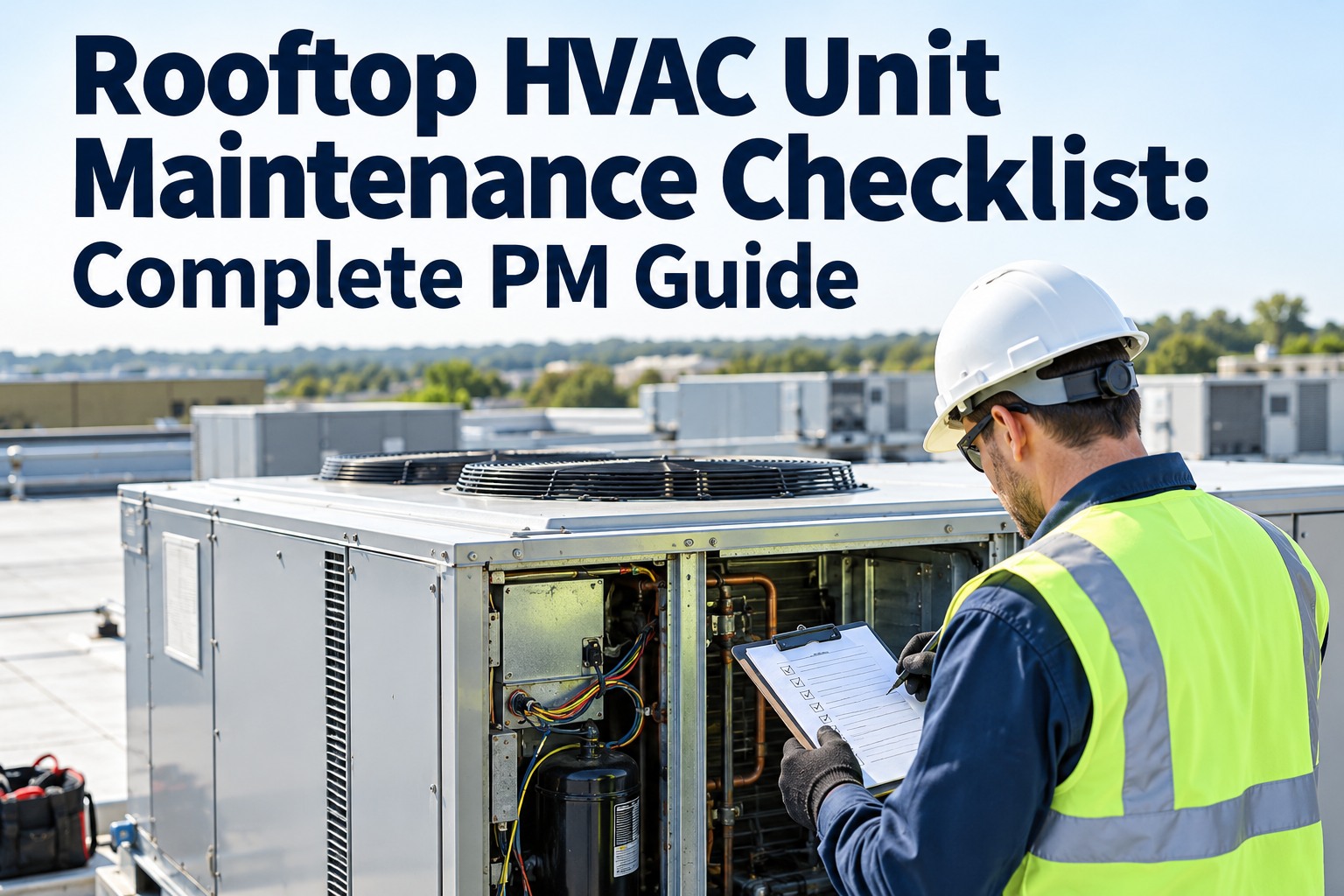
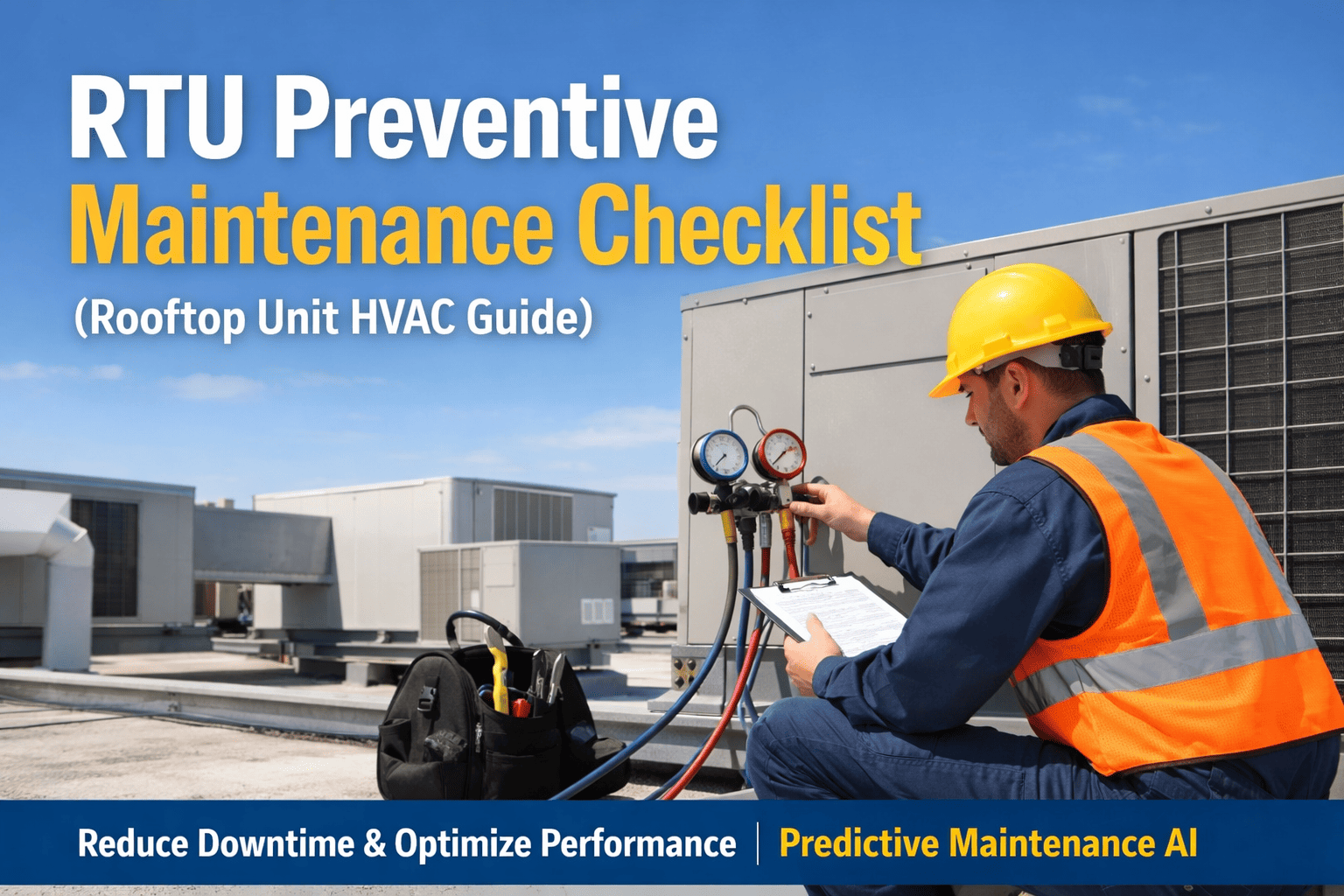
Rooftop units that sail through a spring walk-through often stumble once peak season pushes them into sustained high-demand running — a coil nobody re-checked, a belt no one re-tensioned, a drain line nobody traced back to the float switch. The compressor carries the cost of every skipped step, usually as an unplanned outage on the hottest week of the quarter. This checklist walks through the pre-season inspection points that keep rooftop units reliable once demand peaks. Sign Up Free to see how Oxmaint turns a failed inspection line into an automatically generated work order instead of a note nobody routes. If your pre-season plan still treats coils, belts, drains, and compressor signals as separate one-off checks, Book a Demo before the next seasonal ramp-up to see how a connected inspection workflow holds together on the roof.
Don't Send Rooftop Units Into Peak Season Unchecked
Oxmaint links digital inspection checklists, predictive sensor monitoring, and automatic work order generation — so a failed coil or compressor reading turns into a routed task before peak demand hits.
1. Coil & Airflow Readiness
Restricted airflow across the coil is one of the most common reasons a rooftop unit underperforms once demand peaks. Confirm coil condition and airflow path before the unit is asked to run at full load.
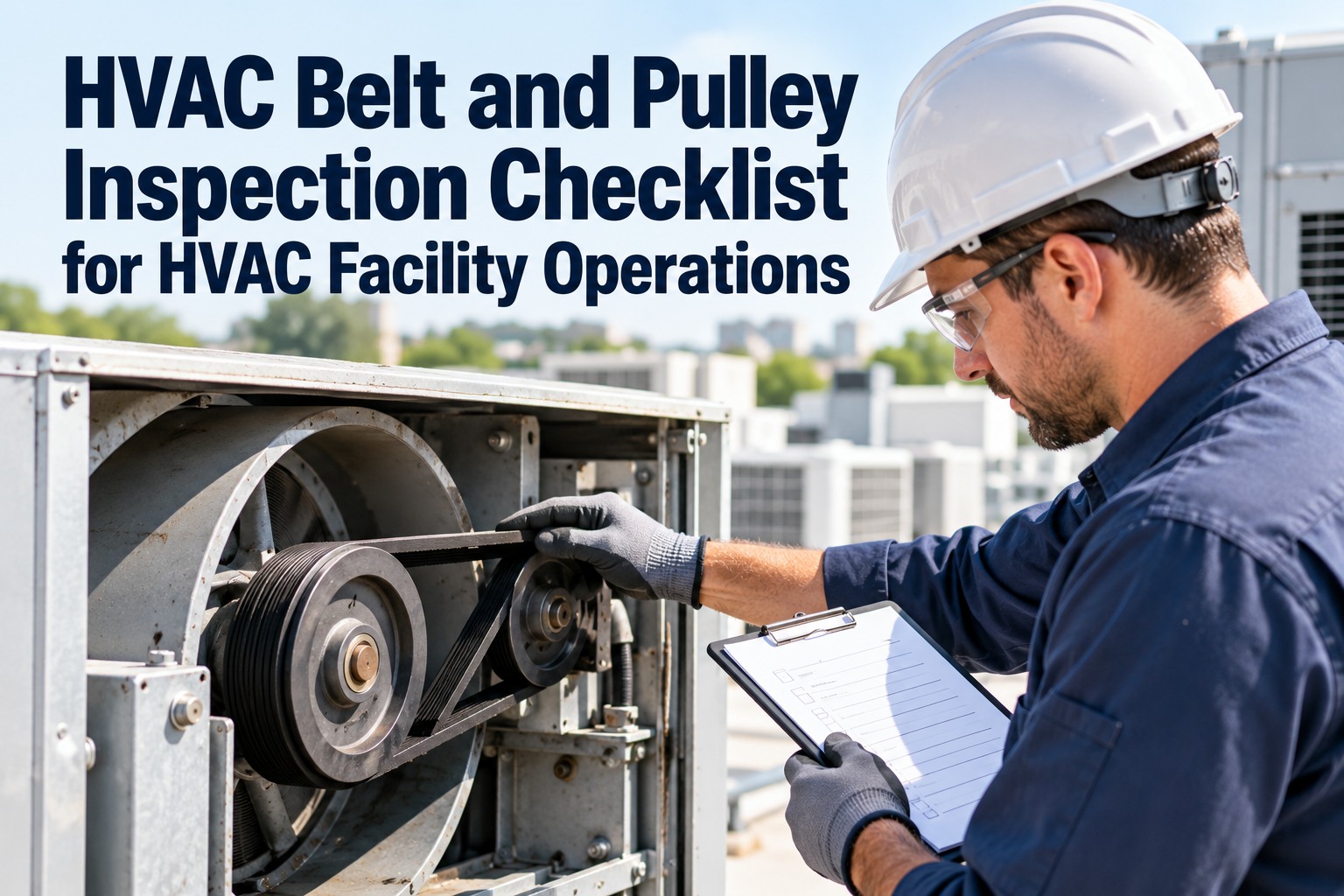
2. Belt & Drive Component Wear Checks
Belt and drive wear accelerate quietly until a unit is pushed into continuous peak-season running. Confirm drive components are inspected and adjusted before that load arrives.
3. Drain & Condensate Path Verification
A blocked condensate path doesn't just leak — it shuts a unit down on safety float switches during the exact week it's needed most. Confirm the drain path is clear before that risk compounds.
4. Compressor Signal Monitoring & Response Routing
A compressor running outside its normal signal range is the clearest early indicator of a peak-season failure in progress. Confirm signal monitoring and the response path are both in place before demand climbs.
Move From a Pre-Season Checklist to Verified Rooftop Readiness
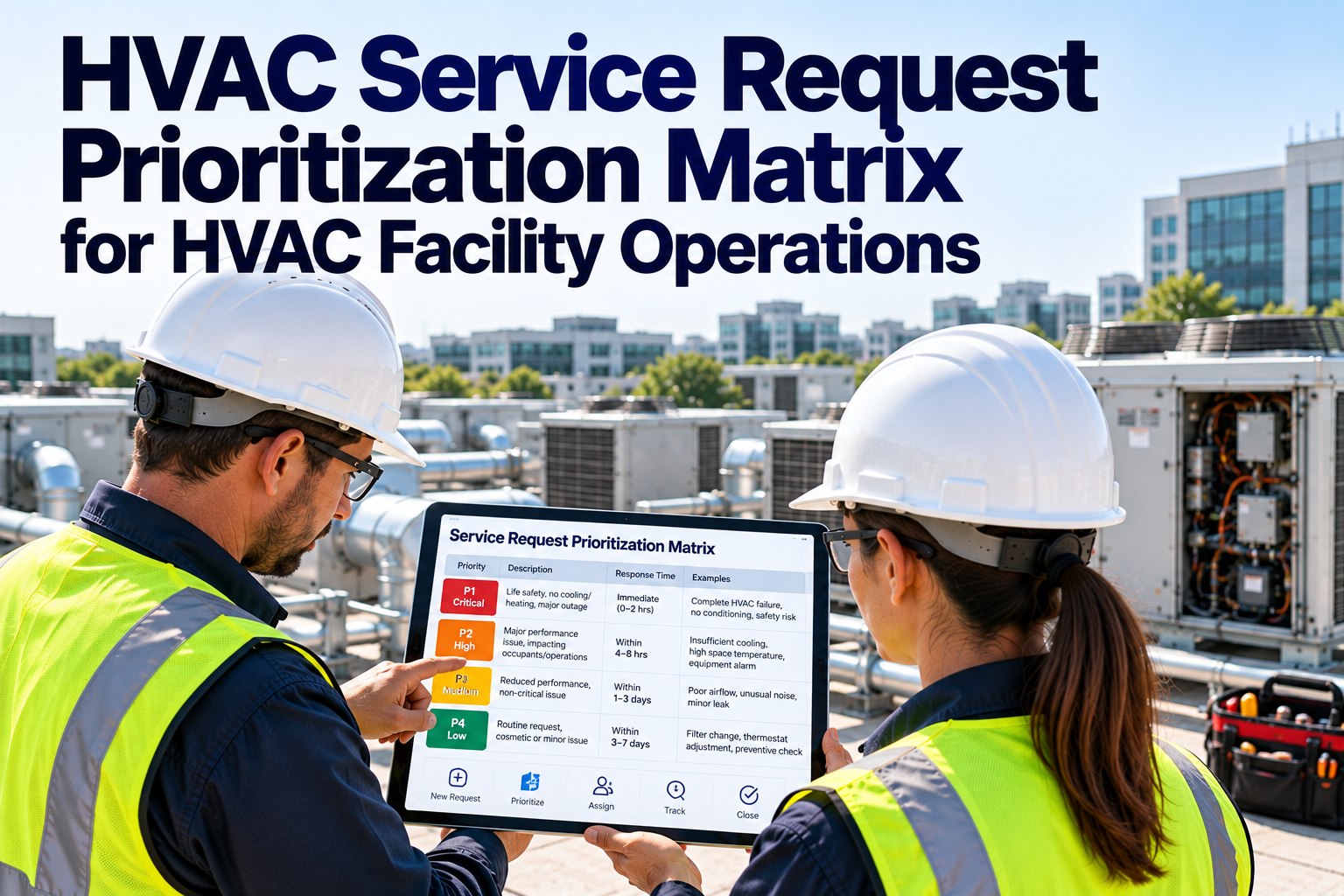
Oxmaint connects inspection checklists, predictive sensor monitoring, and automatic work order routing — so a flagged coil, belt, or compressor reading always reaches a responder before peak demand arrives.
Frequently Asked Questions — Peak Season Rooftop Unit Inspection
1. What causes most rooftop unit failures during peak season?
Most peak-season failures trace back to restricted coil airflow, worn belts, blocked condensate drains, or compressor signals that drifted outside normal range without anyone noticing.
2. How early should rooftop units be inspected before peak season?
Inspections should happen while units are still running under light spring load, early enough to establish baselines and complete corrective work before sustained high-demand running begins.
3. Why does compressor signal monitoring matter more than a visual inspection alone?
A visual check only catches what's already visibly wrong. Vibration and temperature signals reveal a compressor drifting toward failure weeks before a technician would notice anything by eye.
4. How does Oxmaint support peak-season rooftop unit readiness?
Oxmaint connects digital inspection checklists, predictive sensor monitoring, and AI vision detection directly to automatic work order generation, so a flagged issue becomes a routed task instead of an unread note.
Ready to Keep Rooftop Units Running Through Peak Season?
Oxmaint connects inspection checklists, sensor monitoring, and corrective work orders in one platform — built for facility teams preparing rooftop units for high-demand season.