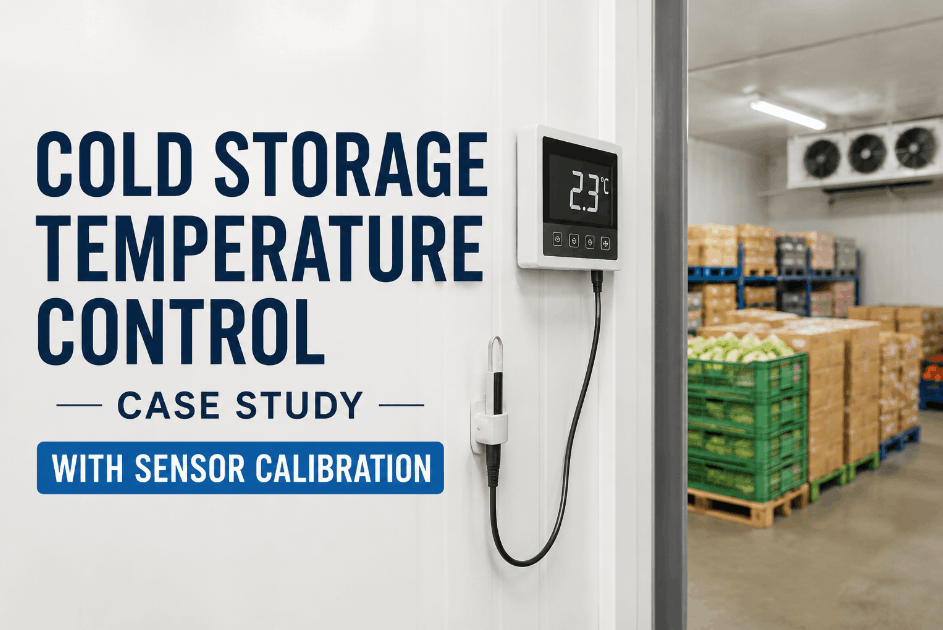
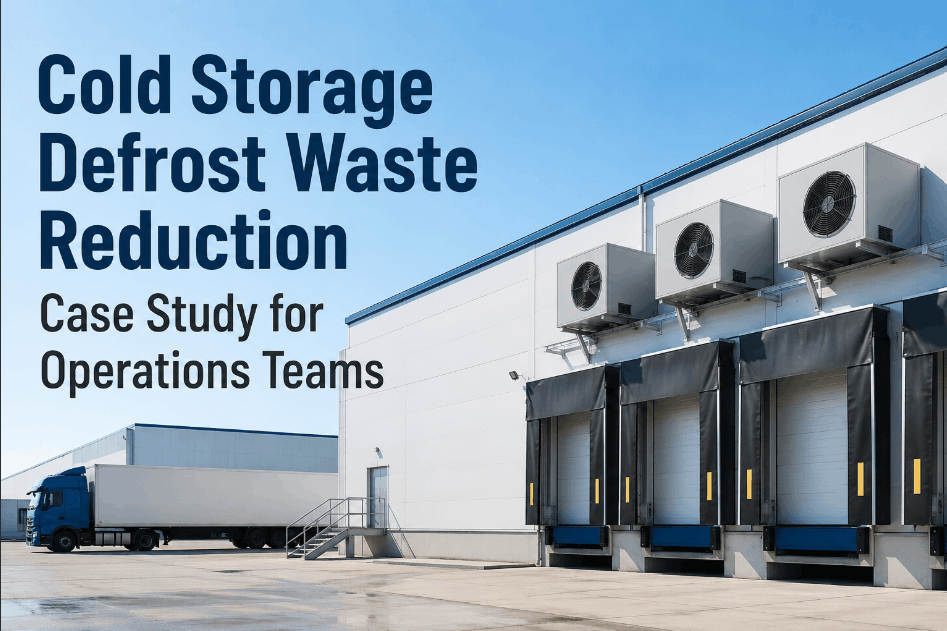
Refrigeration door loss in cold rooms is a compound problem — warm air enters with every opening, seal deterioration accelerates the thermal exchange rate, and high-traffic periods concentrate the energy impact at exactly the moments when temperature-sensitive inventory is most exposed. Auditing door openings, seal condition, and traffic patterns gives cold storage operators the operational data to distinguish avoidable door loss from necessary access and to intervene before energy cost climbs or product safety is compromised. Sign Up Free to begin structuring refrigeration door loss audits, seal inspection workflows, and temperature deviation documentation in OxMaint before warm-air intrusion creates a product protection problem. OxMaint's inspection checklists, asset monitoring workflows, and maintenance planning tools give cold storage facilities the structured audit capability to identify door loss sources per zone, document seal degradation over time, and link temperature excursions to specific access events or maintenance gaps. Book a Demo to see how OxMaint supports cold storage facility operations across food processing, pharmaceutical, and warehouse environments.
Cold Storage Operations · Refrigeration Reliability · 2026
Refrigeration Door Loss Audits for Cold Rooms
Audit door openings, seal damage, and traffic patterns in cold rooms to cut warm-air intrusion and protect temperature-sensitive inventory.
30%Of cold room refrigeration load attributable to door loss and seal degradation in high-traffic facilities
−25%Energy cost reduction in cold rooms with structured door audit and seal replacement programs
4× fasterTemperature recovery after high-traffic periods in rooms with active door loss management
97%Inspection compliance with OxMaint's mandatory audit closure and documentation requirements
6 Door Loss Sources in Cold Room Operations
Cold room door loss accumulates from multiple sources operating simultaneously — traffic frequency, seal condition, door closer performance, and staff access behavior all contribute to the warm-air intrusion load that the refrigeration system must overcome. The six loss sources below represent the most common audit gaps in cold storage operations, and the points where OxMaint's inspection and maintenance workflows provide the structured documentation that facilities teams need to act on what they find. Sign Up Free to configure OxMaint's cold room inspection workflow for your refrigerated storage facility.
01
Door Seal Degradation
Loss Type: Continuous infiltration
Highest Frequency
Gasket compression sets, tears, and adhesion failures allow continuous warm-air infiltration even when the door is closed. Seal degradation progresses gradually — visual inspection without a documented baseline misses early-stage loss until energy cost impact is already measurable.
02
High-Traffic Period Door Open Time
Loss Type: Thermal load spike
Operational Driver
Receiving, order picking, and shift changeover periods concentrate door opening events within short time windows — creating thermal load spikes that exceed the refrigeration system's recovery capacity. Auditing traffic patterns identifies when and where temporary barriers or protocol changes are needed.
03
Door Closer Failure
Loss Type: Extended open dwell
Equipment Fault
A door closer that doesn't return the door to fully closed position within design dwell time can double or triple the warm-air infiltration per access event. Closer condition is one of the most frequently skipped items in cold room maintenance rounds.
04
Strip Curtain Absence or Damage
Loss Type: Reduced infiltration barrier
High Impact
Strip curtains and air curtains reduce warm-air infiltration during door-open events by 50–70% when intact. Damaged, missing, or incorrectly hung curtain sections eliminate this protection without triggering any equipment alarm — making inspection documentation the only detection method.
05
Threshold and Frame Air Gaps
Loss Type: Structural infiltration
Structural Gap
Door frame settlement, threshold wear, and hinge misalignment create air gaps that bypass the gasket seal entirely. These structural loss points are often invisible to daily operations but measurable through cold room humidity and temperature trend analysis.
06
Temperature Excursion Not Linked to Door Event
Loss Type: Documentation gap
Prevention Input
Temperature deviations logged without correlation to access events or maintenance observations lose their diagnostic value. OxMaint links temperature excursion records to inspection findings and work order history — building the causal chain that supports both corrective action and regulatory compliance.
Cold Room Door Audit — Without vs. With OxMaint
The difference between informal cold room rounds and a CMMS-supported door loss audit program is visible in temperature stability, energy cost, and the regulatory documentation that food safety and pharmaceutical compliance programs require. The comparison below shows what changes when OxMaint structures inspection logging, seal condition tracking, and temperature deviation documentation for cold storage facilities. Book a Demo to walk through your cold room audit program and identify the door loss documentation gaps OxMaint can close.
Cold Room Door Loss Management Maturity — Where Does Your Facility Score?
Door loss management capability in cold storage facilities ranges from entirely reactive — faults identified through temperature alarms or energy bill spikes — to fully structured CMMS-supported audit programs with baseline comparison, condition-triggered maintenance, and mandatory documentation for compliance. Book a Demo to assess your facility's cold room maintenance maturity with an OxMaint solutions engineer.
Cold Room Door Loss Management Maturity
Score 5 = structured CMMS-supported audit program · Score 1 = reactive fault response only
5
Full Audit Structure · CMMS-Integrated · Compliance Documentation
All door loss sources inspected against documented baseline on a structured schedule. Seal condition, closer performance, curtain integrity, and traffic patterns logged per door per visit. Temperature excursions linked to maintenance records.
Profile: Door loss is a managed operational metric. Energy cost impact of door degradation is measurable and preventable, not a seasonal surprise.
4
Structured Inspections · Partial Baseline Tracking
Inspection rounds conducted on schedule with findings logged. Seal and closer conditions documented but baseline comparison not systematic. Temperature excursions not consistently linked to door condition records.
Action: Build baseline comparison into every inspection form. Excursion-to-door correlation is the next documentation capability that supports both energy management and regulatory compliance.
3
Work Order Logging · Reactive Seal Replacement
Door faults logged in CMMS after discovery. Seal replacement reactive — triggered by visible damage rather than condition trend. Closer and curtain inspections informal, not scheduled as structured tasks.
Gap: Reactive seal replacement consistently runs behind actual degradation rate. Condition-triggered inspection scheduling and baseline comparison are the highest-impact next steps.
2
Informal Rounds · Complaint-Driven Response
Cold room maintenance driven by temperature alarms or operator reports. No structured door inspection schedule. Seal and closer condition assessed only when a problem has already become visible or measurable.
Risk: Door loss accumulates between complaint cycles. Energy cost and inventory risk build without a structured detection pathway.
1
No Door Audit Structure
Cold room doors serviced only at failure or annual inspection. No documentation of seal condition, closer performance, or curtain integrity between service events. Temperature deviations not correlated to maintenance history.
Risk: Door loss is invisible until it becomes a regulatory citation or product loss event. No prevention pathway exists without structured inspection records.
Audit Every Door Loss Source Before It Becomes an Energy or Compliance Problem.
OxMaint structures cold room inspection workflows, seal condition tracking, and temperature excursion documentation for cold storage facilities — in one CMMS platform.
How OxMaint Structures Cold Room Door Loss Audits
OxMaint connects structured inspection checklists, condition-triggered maintenance tasks, and temperature excursion documentation into a single workflow for cold storage facility teams. Every door audit visit produces a baseline comparison record — seal condition rated, closer dwell time logged, curtain integrity documented — with deviations converted into structured follow-up tasks and root cause entries that update PM schedules automatically. Sign Up Free to build your cold room door audit program in OxMaint and start reducing warm-air intrusion at the sources that matter most. Book a Demo to see how OxMaint adapts to your facility's compliance requirements, inspection frequency, and maintenance team structure.
Inspection Checklists
Per Door, Per Visit
Structured audit forms with baseline comparison fields
OxMaint inspection checklists capture seal condition rating, closer dwell time, curtain integrity, and frame gap observations — logged per door per visit and compared to baseline. Photo evidence attached at point of observation.
Condition-Triggered Tasks
Before Failure, Not After
Maintenance tasks generated from inspection findings
When inspection observations exceed threshold — seal degradation score, closer dwell time out of spec, curtain section missing — OxMaint generates a structured follow-up task before the condition reaches product-risk levels.
Temperature Excursion Linkage
Cause → Record → Action
Excursions linked to inspection and maintenance history
OxMaint links temperature deviation records to the asset's inspection findings and work order history — building the causal chain that food safety and pharmaceutical compliance programs require for corrective action documentation.
Root Cause Closure
Every Work Order
Prevention trigger captured at maintenance close
CMMS closure requires root cause entry on all door-related work orders. Completion triggers PM schedule review — ensuring the same seal degradation or closer failure doesn't recur through the next inspection cycle without a schedule adjustment.
"
We operated a seven-room cold storage facility for fresh produce and had persistent temperature recovery issues during afternoon receiving windows. Before OxMaint, our inspection rounds were informal — technicians walked the rooms, noted obvious problems, and reported verbally. After building structured door audit checklists in OxMaint with seal condition ratings and closer dwell time measurements, we identified four doors with closer assemblies running 40% beyond design dwell time and two doors with gasket compression loss that wasn't visible but measurable. Replacing those six components reduced our afternoon compressor runtime by 22% and eliminated the temperature excursions that were threatening our retail supplier certification.
Operations Manager — Fresh Produce Cold Storage, 7 controlled rooms, Auckland, New Zealand
Frequently Asked Questions
What is a refrigeration door loss audit?
A door loss audit is a structured inspection process that documents all sources of warm-air intrusion through cold room doors — including seal condition, door closer performance, curtain integrity, and traffic patterns — and links findings to energy performance and temperature records for corrective action planning.
How much energy waste does cold room door loss typically cause?
Door loss typically accounts for 20–35% of refrigeration load in high-traffic cold rooms. The proportion increases with seal degradation and door closer failures that extend open dwell time — making structured inspection the most cost-effective energy reduction intervention available without capital expenditure.
How does OxMaint structure cold room door inspections?
OxMaint provides configurable inspection checklists with per-door fields for seal condition rating, closer dwell time, curtain integrity, and frame gap observations — logged per visit with baseline comparison and photo evidence. Findings exceeding thresholds generate structured follow-up maintenance tasks automatically.
Can OxMaint support food safety and pharmaceutical cold chain compliance documentation?
Yes. OxMaint links temperature excursion records to inspection findings and maintenance history — providing the causal chain documentation that food safety authorities and pharmaceutical compliance programs require for corrective action and audit evidence.
How often should cold room door audits be conducted?
Audit frequency should reflect access intensity and seal wear rate. High-traffic receiving and order-pick rooms typically warrant monthly structured inspections; lower-traffic archive rooms quarterly. OxMaint's configurable inspection schedules support different frequencies per room type within the same facility.
Turn Every Cold Room Inspection Into a Door Loss Audit — Not Just a Temperature Check.
OxMaint structures seal condition tracking, closer performance logging, and temperature excursion documentation for cold storage facilities — giving operations teams the audit trail to protect inventory, cut energy cost, and satisfy compliance requirements.