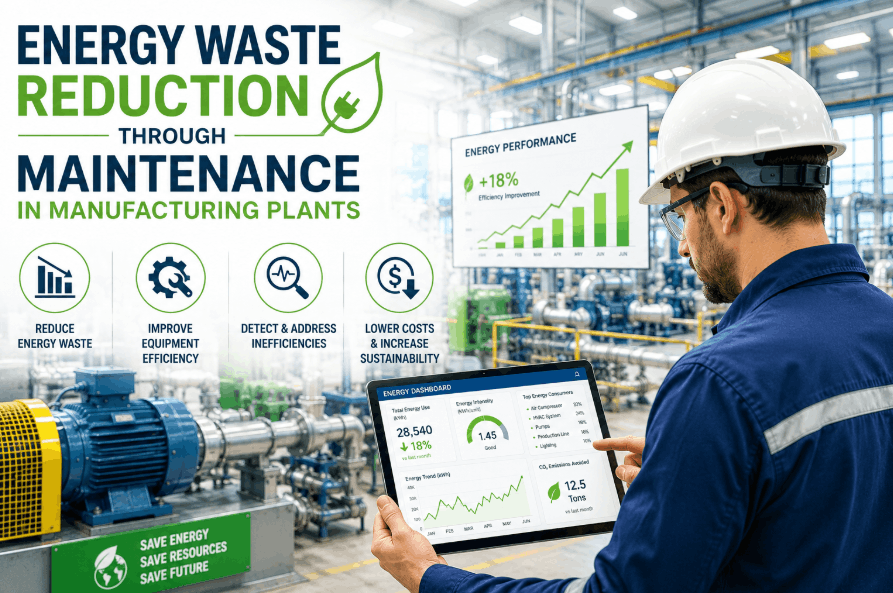
Energy accounts for 30-40% of every dollar spent producing cement—the single largest controllable cost in any plant. For a typical 2,000 TPD facility, that means $8-12 million per year flowing through kilns, grinding circuits, and auxiliary systems with significant waste hiding in plain sight. Traditional control logic and quarterly energy audits cannot keep pace with the minute-by-minute variability of raw material chemistry, ambient conditions, and equipment degradation. AI-powered energy management systems process thousands of live sensor readings to continuously optimize kiln thermal profiles, mill loading, and waste heat recovery—delivering 10-20% reductions in specific energy consumption without replacing a single piece of equipment. Schedule a free energy assessment — our engineers will identify your plant's top energy waste points and calculate the savings AI can deliver within 90 days.
5%
of global industrial energy consumed by cement production
8%
of worldwide CO2 emissions generated by the cement sector
50%
of kiln fuel energy lost as waste heat rather than forming clinker
65-70%
of plant electricity consumed by raw mill and cement mill grinding
How Much Energy Does a Cement Plant Consume Per Ton—and Where Does It Go?
Understanding where energy flows inside your cement plant is the essential first step toward reducing it. A modern dry-process plant with a five-stage preheater consumes approximately 3,000-3,500 MJ of thermal energy and 90-110 kWh of electrical energy per ton of cement produced. Yet only about half the thermal energy actually contributes to clinker formation—the rest exits as preheater exhaust, kiln shell radiation, and clinker cooler vent losses. On the electrical side, grinding operations alone account for 65-70% of total consumption, with fans, compressors, and conveyors consuming the remainder. This massive energy footprint, spread across interconnected systems operating at different temperatures and pressures, is exactly why AI optimization delivers results that manual tuning cannot. Sign up for Oxmaint to get unified thermal and electrical energy dashboards that show exactly where every megajoule goes across your cement operations.
Cement Plant Energy Distribution Map
♨
Rotary Kiln and Burning Zone
40-45%
of total plant energy. Operates above 1,450°C. AI optimizes flame shape, fuel-air ratio, and burning zone temperature to prevent overburning—the single largest source of thermal waste. Real-time free lime prediction eliminates the 40-minute lab delay that forces conservative setpoints.
⚙
Raw Mill Grinding
15-18%
of total energy. AI dynamically adjusts fresh feed, separator speed, and ventilation based on raw material hardness and moisture to minimize kWh per ton while hitting target fineness.
⚙
Cement Finish Mill
18-22%
of total energy. Over-grinding wastes up to 30% of milling electricity without improving quality. AI maintains optimal particle size distribution with continuous setpoint adjustment.
◆
Preheater and Calciner
10-15%
of total energy. Cyclone efficiency and false air infiltration directly impact fan power consumption. AI detects pressure drop anomalies and optimizes gas distribution across stages.
☼
Clinker Cooler
3-5%
of total energy. Recoverable waste heat source for WHR power generation.
☁
Compressed Air and Auxiliaries
8-12%
of electrical energy. AI detects leaks via pressure decay patterns and optimizes compressor staging.
Map your plant's exact energy losses. Our AI platform pinpoints the highest-impact optimization zones specific to your kiln, mill, and cooler configuration—no shutdowns required.
Step-by-Step: How Machine Learning Reduces Cement Kiln Fuel Consumption
AI energy optimization does not replace your existing automation—it adds an intelligent layer on top of current DCS and SCADA infrastructure using standard OPC-UA and Modbus protocols. No shutdowns, no equipment changes, no production disruption. Here is the step-by-step process through which machine learning transforms raw sensor data into measurable fuel and power savings across your cement operations.
1
Sensor Data Ingestion
Thousands of temperature, pressure, flow, vibration, and power readings collected at sub-minute intervals from every process area—kiln, preheater, mills, cooler, and auxiliaries. Connects to existing DCS with zero disruption.
➜
2
Adaptive Baseline Learning
ML models build dynamic energy baselines that account for raw material variability, ambient temperature, product mix, and equipment wear—unlike static benchmarks, these evolve with your plant.
➜
3
Real-Time Anomaly Detection
Deviations from optimal energy baselines flagged within minutes—not weeks. Whether it is a preheater cyclone fouling, false air infiltration, or a degrading burner tip, AI catches waste before it compounds.
➜
4
Predictive Setpoint Optimization
Algorithms calculate optimal kiln speed, fan damper positions, fuel rates, and separator settings—delivered as recommendations to operators or directly to control systems for closed-loop automation.
➜
5
Continuous Improvement Cycle
Cement Mill Power Consumption: AI Solutions for Grinding Circuit Optimization
Grinding circuits are your cement plant's largest electricity consumer—accounting for 65-70% of total electrical demand. Raw mills, cement finish mills, and coal mills together consume 30-40 kWh per ton of cement, with over-grinding alone wasting up to 30% of milling electricity without any improvement in product quality. AI-driven grinding optimization addresses this waste through continuous, multi-variable setpoint control that no human operator can replicate manually.
Thermal Optimization
Kiln and Pyroprocessing
Free lime prediction replacing 40-minute lab sample delays
Flame shape and burning zone temperature co-optimization
Alternative fuel combustion management for RDF, biomass, and waste solvents
Preheater cyclone efficiency and pressure drop monitoring
Clinker cooler waste heat recovery maximization
3-8% kiln fuel savings typical
Electrical Optimization
Grinding and Auxiliaries
Dynamic separator speed and fresh feed rate adjustment
Mill ventilation optimization for target particle size distribution
Load scheduling to off-peak tariff windows for demand charge reduction
Compressed air leak detection via pressure decay analysis
VFD optimization on fans, pumps, and conveyor drives
6-12% electrical savings typical
Get a customized grinding efficiency analysis. Create your free Oxmaint account and our engineers will calculate the electrical savings potential across your raw mill and finish mill circuits.
Real-Time vs Quarterly Audits: Why Continuous AI Monitoring Wins for Cement Plants
The gap between traditional energy management and AI-powered continuous optimization is not incremental—it is fundamental. Quarterly audits detect problems after thousands of dollars have already been wasted. Real-time AI catches the same issues within minutes and prescribes corrective action before costs compound. Here is how each approach handles the core challenges of cement energy management.
Anomaly Detection
Weeks to months after occurrence
Under 15 minutes from onset
Setpoint Tuning
Static, based on operator experience
Dynamic, adapts to live conditions
Raw Material Shifts
Manual lab adjustments, 40+ min lag
Automatic multi-variable correction
Energy-Quality Link
Treated as separate concerns
Co-optimized in every control cycle
Emissions Reporting
Manual spreadsheets, post-hoc
Automated, audit-ready, real-time
Maintenance Trigger
Calendar-based or breakdown
Energy-pattern predictive alerts
Turn Energy from Your Biggest Cost into Your Strongest Competitive Edge
Oxmaint unifies AI energy intelligence with maintenance and operations workflows—centralizing kiln thermal performance, grinding circuit efficiency, and waste heat recovery into one platform that drives continuous savings across every production line.
Documented Results: Proven AI Energy Savings Across Cement Facilities
AI energy optimization results in cement are not theoretical—they are documented across independent research and real-world plant deployments globally. Initial gains from kiln tuning and anomaly detection typically surface within 30-60 days, with savings compounding as models learn your plant's specific operating patterns. Schedule a demo to receive a customized ROI projection built from your plant's actual energy consumption data and equipment configuration.
15%
Average reduction in specific thermal energy consumption per ton of clinker
10%
Throughput and energy efficiency gain demonstrated by McKinsey in autonomous AI operation
6%
Electrical reduction at Titan America alongside doubled alternative fuel utilization
$1.8M
Average annual savings documented for a 1-million-ton/year cement production facility
Estimate your facility's savings. Sign up for Oxmaint and our team will model the energy cost reduction specific to your cement plant's configuration and current consumption levels.
How to Deploy AI Energy Systems Without Shutdowns or Equipment Changes
Deploying AI energy optimization requires no shutdowns, no capital equipment investment, and no disruption to running production. The platform connects to your existing DCS infrastructure and learns from historical operational data before making its first recommendation. Most cement plants follow this proven four-phase deployment path from initial assessment to full closed-loop optimization.
Phase 1 — Week 1-3
Energy Audit and Opportunity Mapping
Comprehensive heat balance and power analysis across kiln, mills, and auxiliaries. Sensor gap identification, historical data benchmarking against best-practice targets of 3.0-3.3 GJ/ton clinker thermal and 85-95 kWh/ton cement electrical. Prioritized roadmap ranked by savings potential and implementation speed.
Phase 2 — Week 4-6
Platform Integration and Data Connection
DCS/SCADA data connection established via OPC-UA or Modbus—no control system modifications required. Additional sensor placement at highest-value monitoring points identified during audit. Role-based dashboard configuration and operator training sessions to build familiarity before optimization begins.
Phase 3 — Week 7-9
AI Model Training and Calibration
Machine learning models trained on your plant's unique data—raw material chemistry, equipment characteristics, and operating history. Dynamic baselines established per process area. Anomaly detection thresholds collaboratively tuned with your operations team to eliminate false positives.
Phase 4 — Week 10+
Live Optimization and Multi-Line Expansion
Real-time optimization recommendations activated for operators. Closed-loop automated control deployed on proven subsystems. Performance validated against pre-deployment baselines. Scaling to additional kiln lines, grinding circuits, and multi-plant operations for compounding enterprise-wide savings.
“
In cement, every kcal saved per kilogram of clinker hits both the P&L and the carbon ledger simultaneously. AI does not replace operators—it processes the thousands of simultaneous data streams that no human can evaluate in real time and reveals the optimization opportunities hidden inside that complexity.
Cement Plant Energy Director
DCS, SCADA, and LIMS: Complete AI Integration Map for Cement Operations
AI energy platforms connect with every major system in your cement plant—unlocking cross-functional intelligence that isolated monitoring tools cannot achieve. Each integration point multiplies the optimization value by correlating energy data with quality, maintenance, emissions, and cost information.
Real-time bidirectional
Kiln DCS / SCADA
Automated kiln speed, fan damper, and fuel rate adjustments for optimal thermal efficiency via OPC-UA and Modbus protocols
Batch-triggered
Quality Lab (LIMS)
Correlates energy consumption with clinker quality metrics—LSF, silica ratio, free lime—to eliminate overburning waste
Event-driven
CMMS / Oxmaint
Auto-generates maintenance work orders when energy consumption patterns signal equipment degradation or efficiency decline
Continuous feed
Emissions CEMS
Real-time CO2, NOx, SO2 tracking correlated with energy parameters for EU ETS, EPA, and regional compliance
Scheduled batch
ERP / SAP
Energy cost allocation per ton, budget variance tracking, fuel procurement optimization, and carbon accounting
Optimize Every Kiln, Mill, and Cooler—Continuously, Automatically
Monthly audits cannot detect a kiln overburning clinker by 15 kcal or predict which grinding circuit will spike energy consumption next shift. Oxmaint integrates AI energy intelligence with your maintenance platform—delivering continuous optimization from raw mill to dispatch that reduces costs, cuts emissions, and extends equipment life across your entire cement operation.
Frequently Asked Questions
How much can AI realistically reduce energy costs in a cement plant?
Documented implementations consistently show 10-20% reductions in specific energy consumption within the first year. Quick wins from kiln optimization and grinding circuit tuning surface within 30-60 days, while savings compound as models learn plant-specific operating patterns. McKinsey research demonstrated up to 10% throughput and efficiency improvement in autonomous AI mode, and Titan America achieved 6% electrical reduction while doubling alternative fuel usage. Exact savings depend on current efficiency levels, equipment age, and raw material variability.
Schedule a consultation — our engineers will analyze your kiln and mill data to deliver a plant-specific savings estimate within one week.
Does AI optimization require replacing our existing DCS or SCADA systems?
No. AI platforms sit on top of your current DCS, SCADA, and PLC infrastructure, reading process data through standard OPC-UA and Modbus protocols. No equipment replacement, no control system modifications, and no shutdowns during implementation. The system learns your plant's operations from historical data and delivers optimization recommendations without disrupting production.
How does AI adapt when raw material composition changes between quarry zones?
Can AI increase alternative fuel substitution rates in cement kilns?
Yes. Alternative fuels like refuse-derived fuel, biomass, tires, and waste solvents introduce combustion variability that manual control handles poorly—causing most plants to cap substitution rates conservatively. AI continuously adapts kiln parameters in real time as fuel properties change between loads, automatically adjusting combustion settings to maintain thermal stability, clinker quality, and emissions compliance at higher substitution rates.
What ROI timeline should we expect from AI energy optimization?