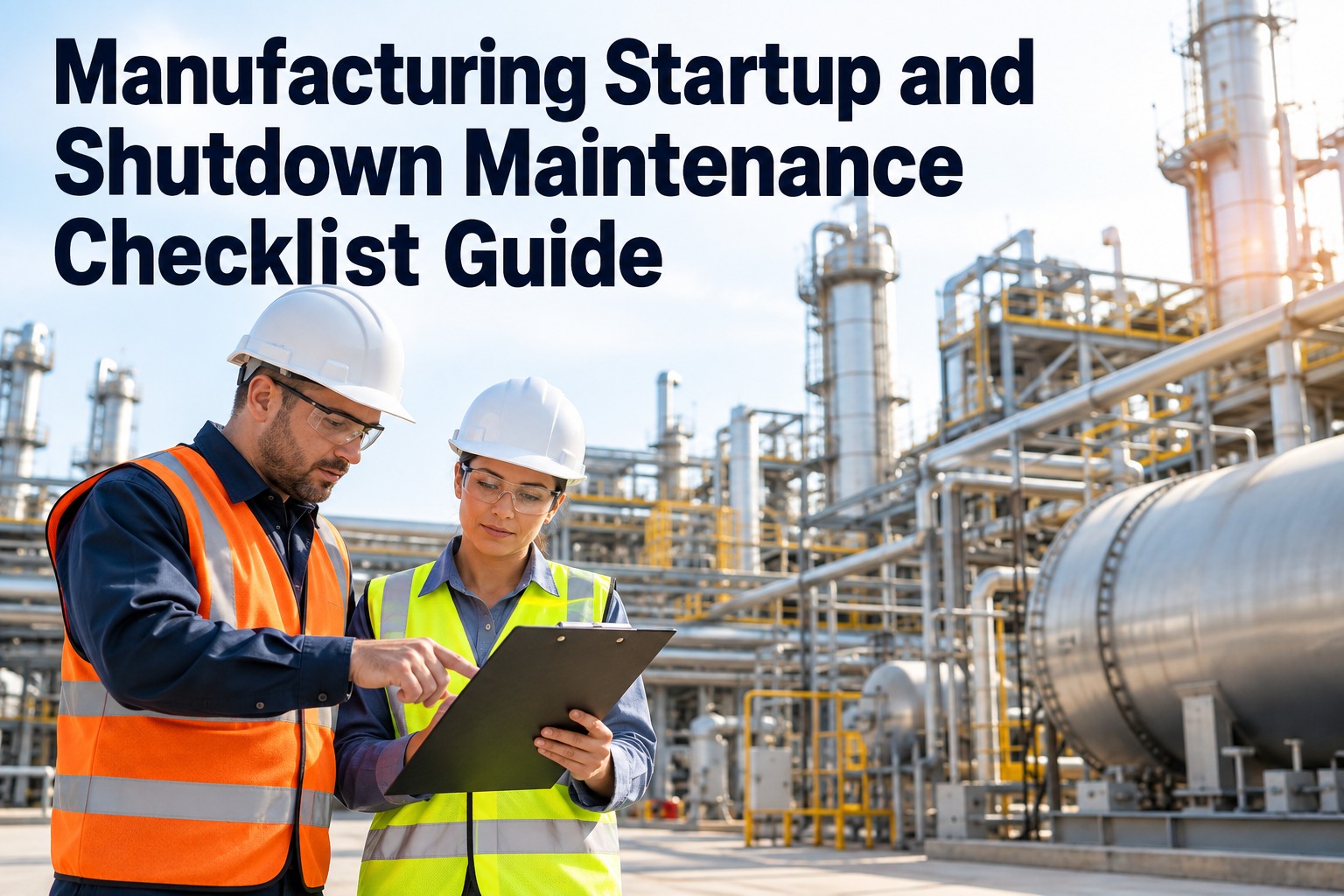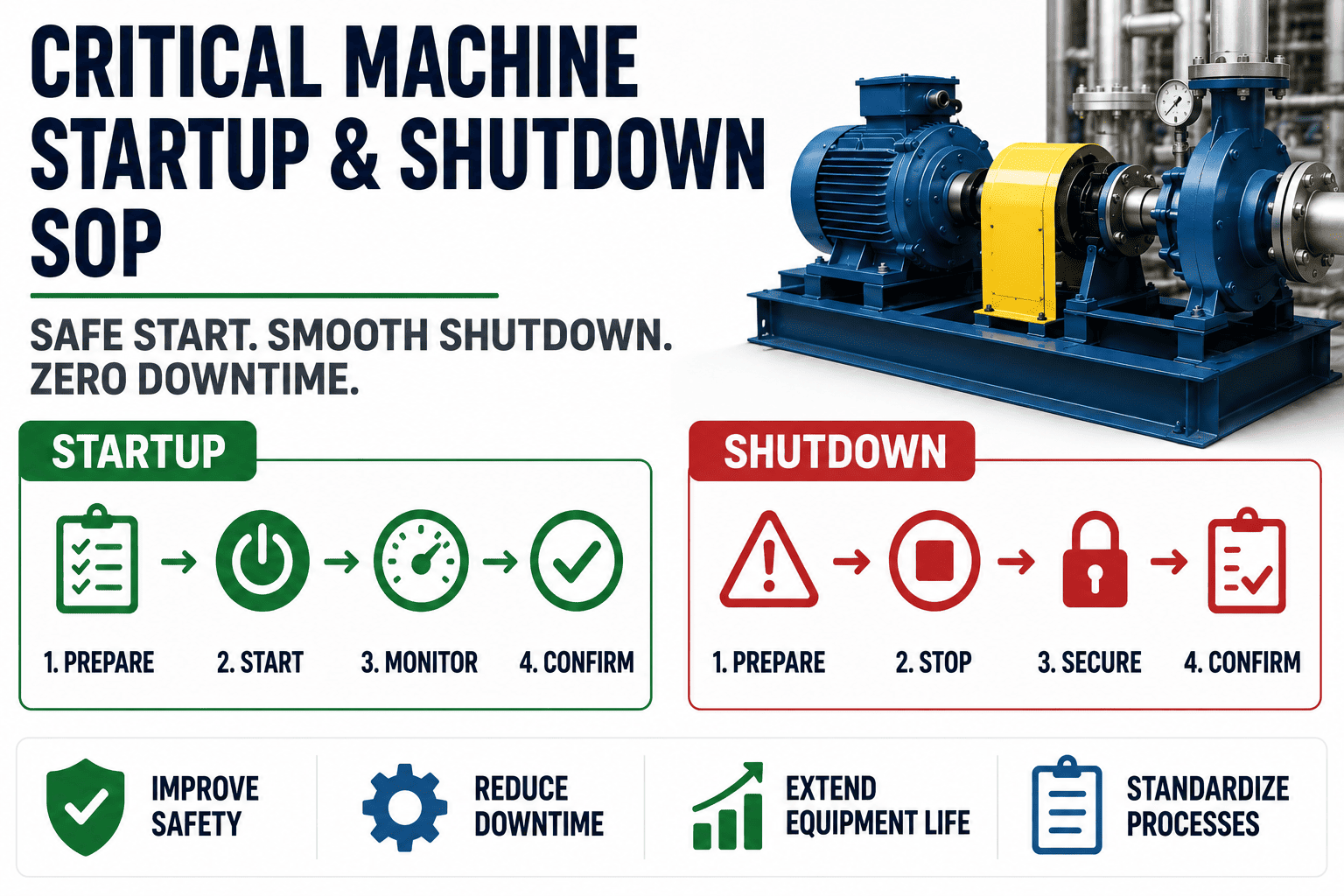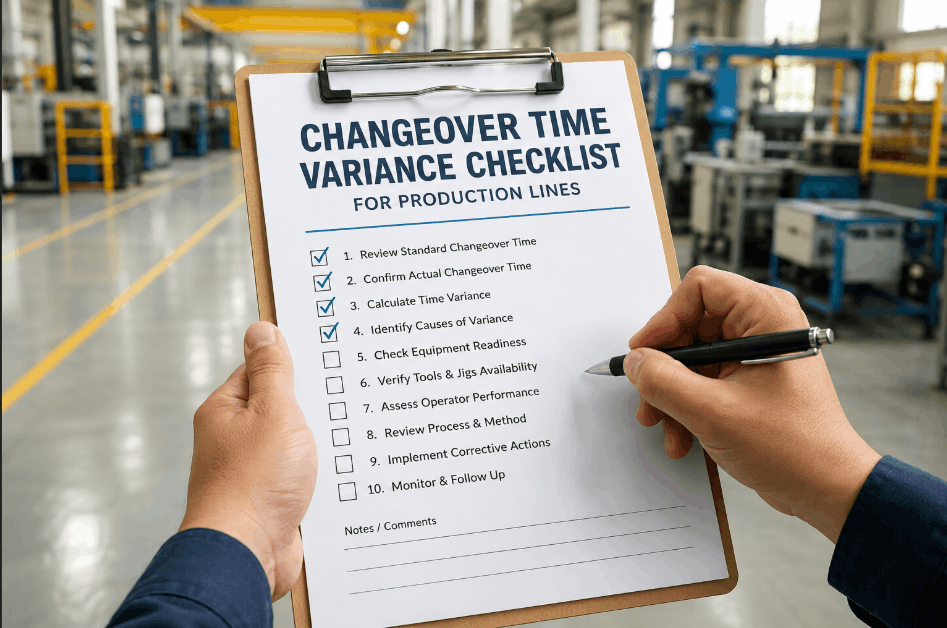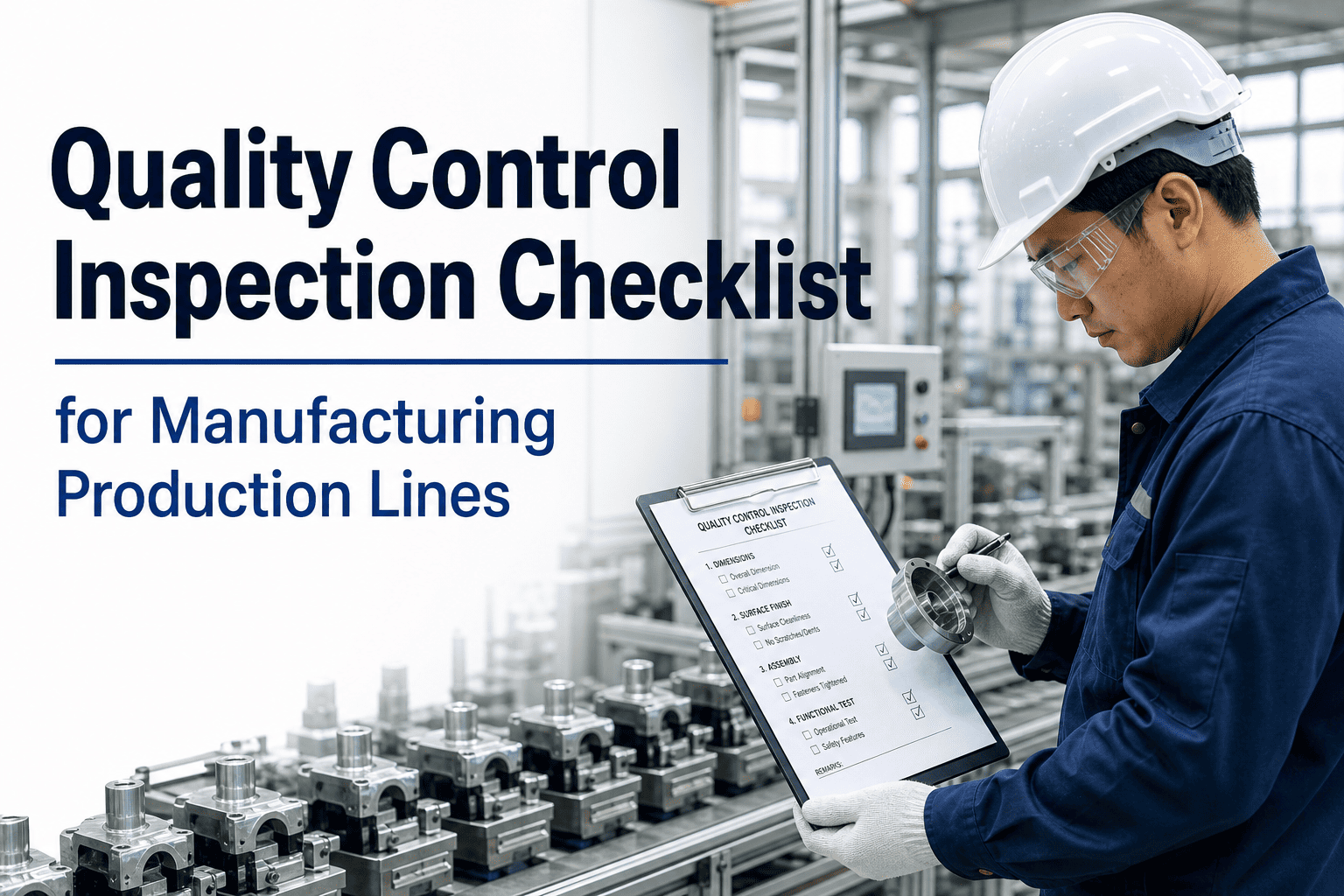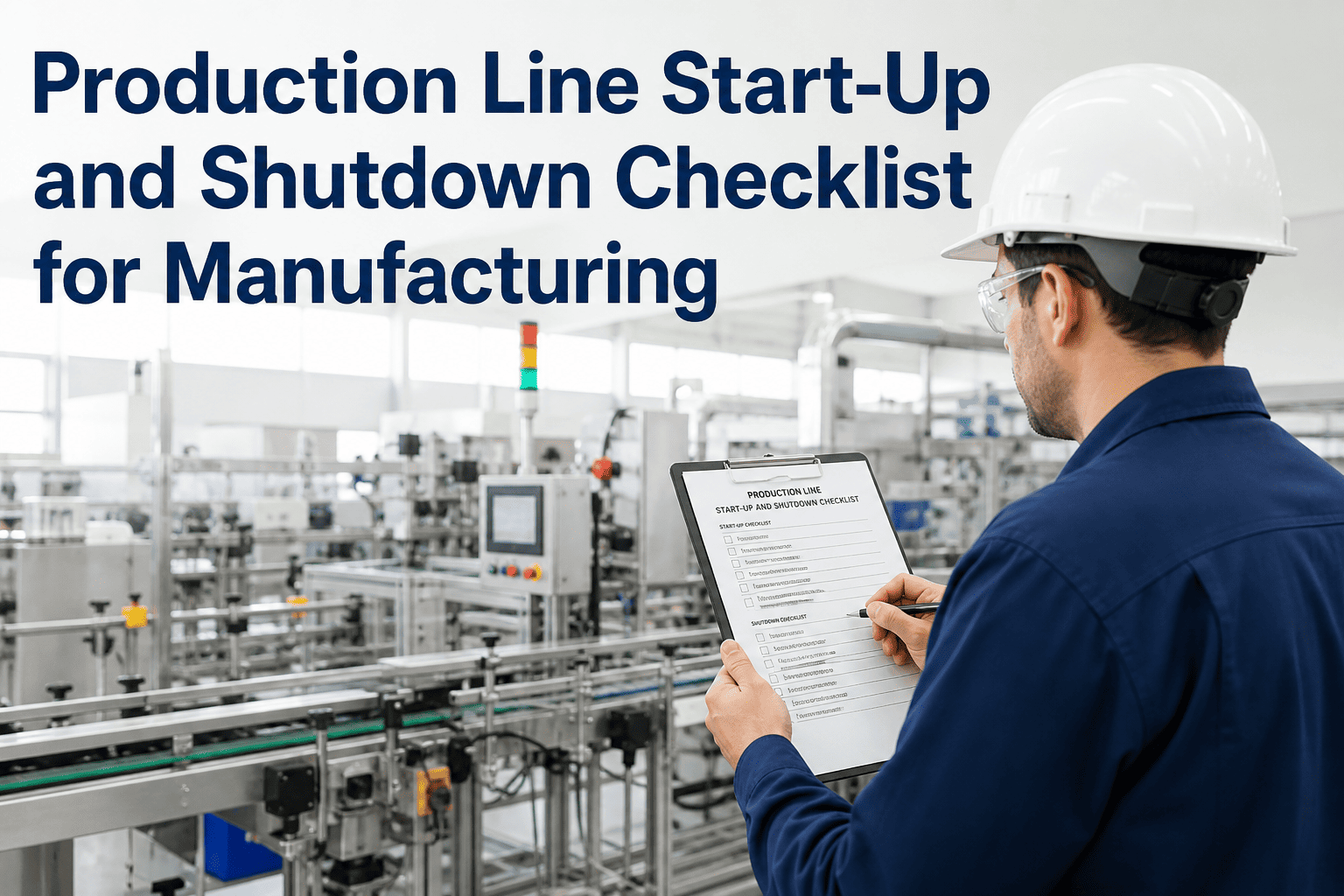
Manufacturing line transitions are high-risk windows where 40% of all production incidents occur — rushed startups bypass safety interlocks, incomplete shutdowns leave equipment energized, and shift handover gaps create communication failures that cost production hours and worker safety. Industry data shows facilities with documented startup and shutdown protocols reduce unplanned downtime by 35% and eliminate 60% of shift-transition safety events. OxMaint's CMMS platform converts manual startup checklists into enforced digital sequences that prevent equipment damage and ensure every shift begins and ends with verified safe conditions.
Pre-Start Safety Verification
Before any equipment is energized, these safety checks confirm the line is clear of personnel, lockout devices are removed properly, and environmental conditions are safe for operation. Skipping pre-start verification is the leading cause of startup injuries.
Sequential Equipment Energization
Equipment must start in a specific sequence to prevent mechanical damage, electrical overload, and process upset conditions. Out-of-sequence startups cause motor failures, belt slippage, and product contamination that can shut down production for hours.
Enforce Startup Sequences Digitally
OxMaint locks equipment startup into step-by-step digital workflows that cannot be skipped or completed out of order — with mandatory sign-offs, timestamp verification, and automatic alerts when checks are missed or safety conditions fail.
Shift Handover & Production Transfer
Shift transitions create communication gaps that lose production status, quality issues, and safety concerns. Structured handover protocols ensure the incoming crew receives complete situational awareness before assuming control.
End-of-Shift Shutdown & Lockout
Proper shutdown prevents material waste, equipment damage, and creates safe conditions for maintenance access. Incomplete shutdowns leave pressurized systems, rotating equipment, and energized circuits that cause injuries during off-shift work.
Startup and Shutdown Performance Indicators
| Key Metric | Calculation Method | Target Performance | Monitoring Cadence |
|---|---|---|---|
| Startup Checklist Completion | Completed checks divided by total required checks | 100% | Every shift |
| Time to Full Production Speed | Minutes from energization to target rate | Under 20 minutes | Daily average |
| Startup Defect Rate | Scrap units in first hour divided by total output | Below 2% | Weekly trend |
| Handover Communication Score | Incoming supervisor rating of handover quality | Above 4.5 out of 5 | Per shift |
| Shutdown Protocol Adherence | Shutdown steps completed divided by required steps | 100% | Every shift |
Common Questions About Line Startup and Shutdown
Why is equipment startup sequence critical?
Starting downstream conveyors before upstream equipment prevents material jamming and motor overload. Starting all motors simultaneously creates electrical demand spikes that trip breakers. Sequential startup with timed intervals prevents both mechanical and electrical failures.
What information must be included in shift handover?
Production metrics, quality issues, equipment status, material inventory, safety incidents, and pending maintenance work. Verbal communication should be supplemented with written logs that the incoming supervisor signs to acknowledge receipt and acceptance of responsibility.
How long should shutdown procedures take?
Proper shutdown including material purge, controlled temperature ramp down, and complete depressurization typically requires 15 to 30 minutes depending on line complexity. Rushing shutdown to meet end-of-shift time creates unsafe conditions and equipment damage.
Who is responsible for verifying lockout tagout removal?
The maintenance supervisor who authorized the lockout must verify all work is complete and personnel are clear before authorizing lock removal. Each worker removes only their own lock. Production cannot begin until all locks are removed and documented.
What happens if a startup check fails?
Startup sequence must stop immediately. The failed condition is corrected and the entire checklist is restarted from the beginning. Partial checklist completion or skipping failed items creates the exact hazards the checklist is designed to prevent.