Industrial cooling towers cycle millions of gallons through heat exchange systems daily, and a single overlooked biological hazard or mechanical fault can trigger a Legionella outbreak, unplanned shutdown, or catastrophic efficiency loss. Data from EPA and ASHRAE shows that 70% of cooling tower performance degradation stems from inconsistent water treatment and delayed inspection cycles. OxMaint's CMMS platform transforms reactive tower maintenance into a scheduled, evidence-based program that protects both system efficiency and public health compliance.
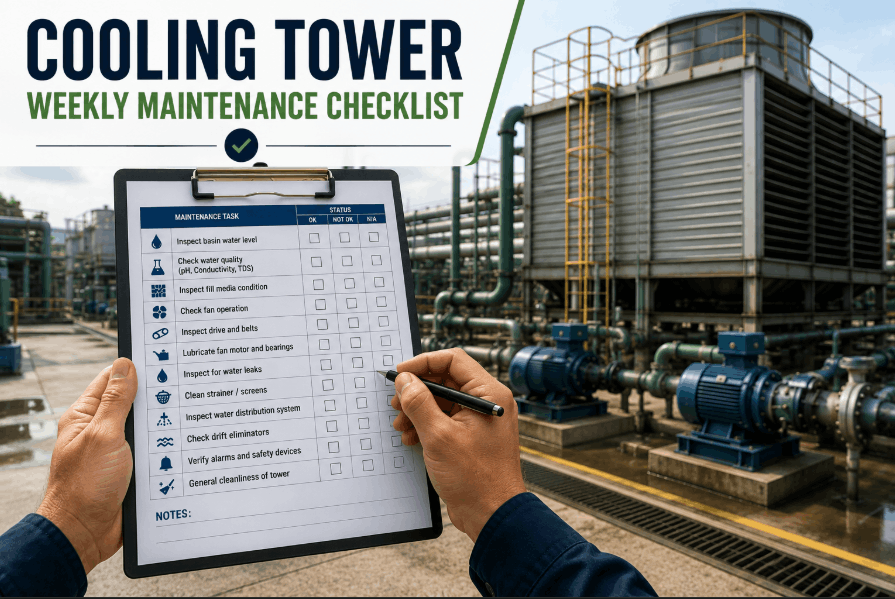
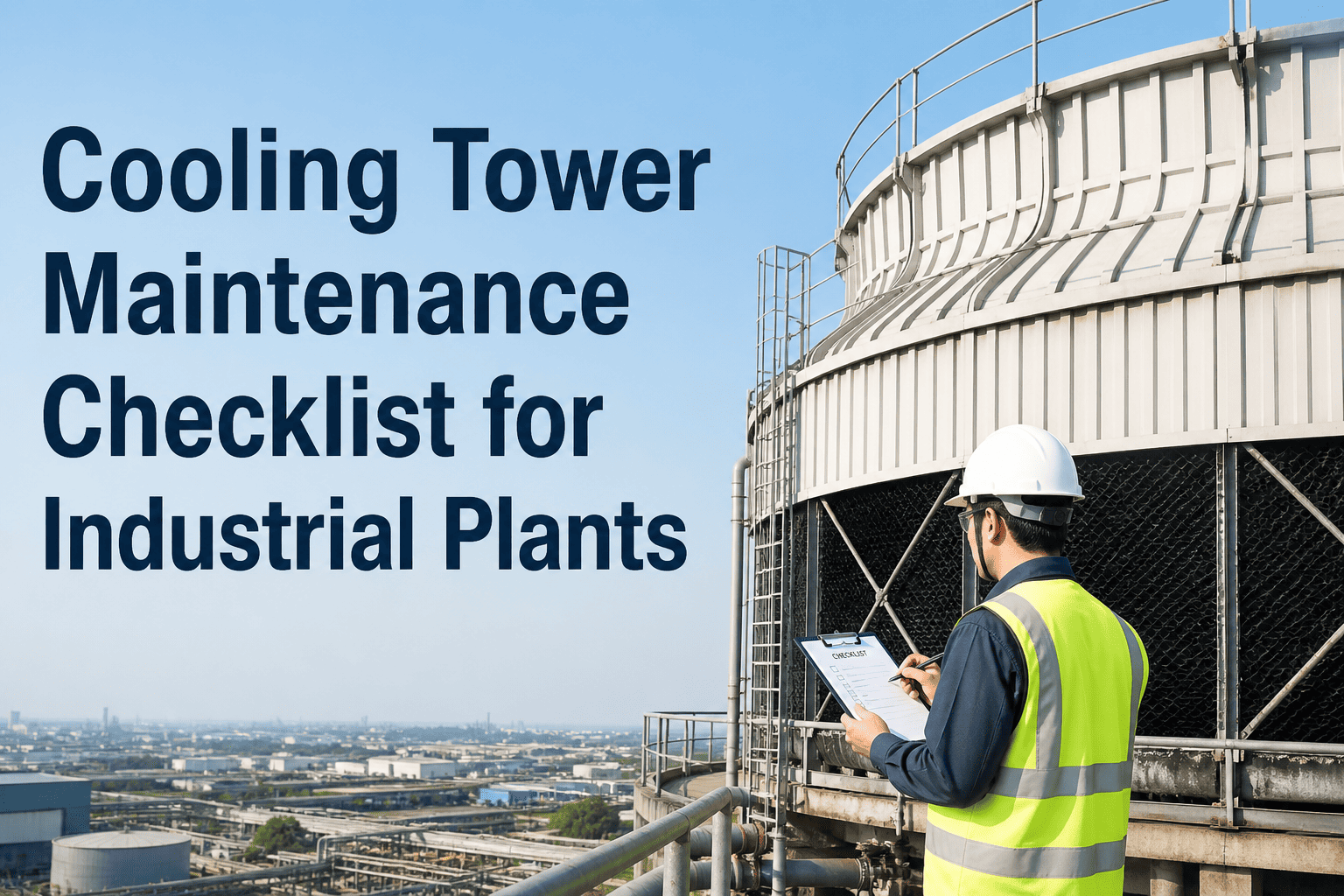
Cooling Tower Maintenance Checklist for Industrial Plants
A complete inspection and treatment protocol across five critical maintenance zones designed to prevent biological contamination, mechanical failure, and thermal efficiency loss.
Water Treatment & Chemistry Control
Water chemistry drives every outcome in cooling tower operation — from Legionella proliferation to scale formation and corrosion rates. These checks ensure biological and chemical parameters stay within control limits.
pH level between 7.5 and 8.5 measured with calibrated probe — values outside range trigger immediate chemical adjustment
Conductivity reading within design range for cycles of concentration — high conductivity indicates excessive mineral buildup
Biocide residual at target concentration — free chlorine 0.5 to 1.0 ppm or non-oxidizing biocide per manufacturer spec
Total dissolved solids below maximum threshold — blowdown valve cycling properly to prevent concentration drift
Legionella culture test results negative or below action level of 1000 CFU per mL — samples taken from basin and return line
Corrosion coupon weight loss within acceptable limits — coupons replaced and analyzed per NACE standards
Scale deposition inspected visually on heat exchanger tubes — heavy scaling triggers offline acid cleaning
Fill Media & Drift Eliminators
Fill media provides the surface area for evaporative cooling, while drift eliminators prevent water carryover. Fouling, sagging, or physical damage in either component directly impacts thermal performance and water loss.
Fill media inspected for biological slime, algae growth, or sediment buildup — clean fill improves contact time and efficiency
No sagging or collapsed fill sheets visible from access door — damaged sections reduce cooling capacity by up to 20%
Drift eliminator blades intact with no missing or broken sections — excessive drift visible as white plume or wet surfaces downwind
Water distribution uniformity verified across fill deck — dry spots indicate clogged nozzles or low pump pressure
Fill media cleaned or replaced if fouling exceeds OEM limits — high-pressure wash or offline chemical cleaning scheduled
Automate Water Treatment Tracking
OxMaint logs every chemistry reading, biocide dose, and Legionella test against your tower assets — with alerts when parameters drift outside control limits or sampling is overdue.
Fan Assembly & Drive System
Cooling tower fans move thousands of cubic feet per minute through the tower. Belt slippage, bearing wear, or imbalanced blades create efficiency loss, noise, and vibration issues that cascade into mechanical failure.
Fan blades inspected for cracks, erosion, or imbalance — damaged blades replaced immediately to prevent catastrophic failure
Drive belts checked for proper tension and wear — belts tensioned to manufacturer specification using belt tension gauge
Gearbox oil level within sight glass range and oil clarity acceptable — milky oil indicates water ingress requiring immediate action
Motor amperage within nameplate rating during operation — high current draw indicates bearing wear or mechanical binding
Vibration readings at motor and gearbox bearings below ISO 10816 limits — trending upward indicates developing fault
Fan shroud and cylinder secure with no visible cracks or corrosion — structural integrity verified at support points
Basin & Sump Integrity
The cold water basin collects treated water before it returns to process. Sediment accumulation, leaks, and structural degradation in the basin compromise water quality and create safety hazards.
Basin cleaned of sediment, debris, and biological growth — sludge accumulation reduces effective volume and harbors bacteria
Suction screens clean and undamaged — blocked screens reduce pump flow and create cavitation risk
No standing water outside basin perimeter — leaks at seams or penetrations repaired to prevent foundation damage
Water level control float switch functioning correctly — malfunctioning switch causes overflow or dry running pumps
Basin concrete or liner inspected for cracks, spalling, or delamination — structural defects escalate repair costs if unaddressed
Pumps & Circulation System
Circulation pumps maintain continuous water flow through the cooling loop. Seal leaks, bearing failure, or impeller damage can shut down cooling capacity and trigger production losses.
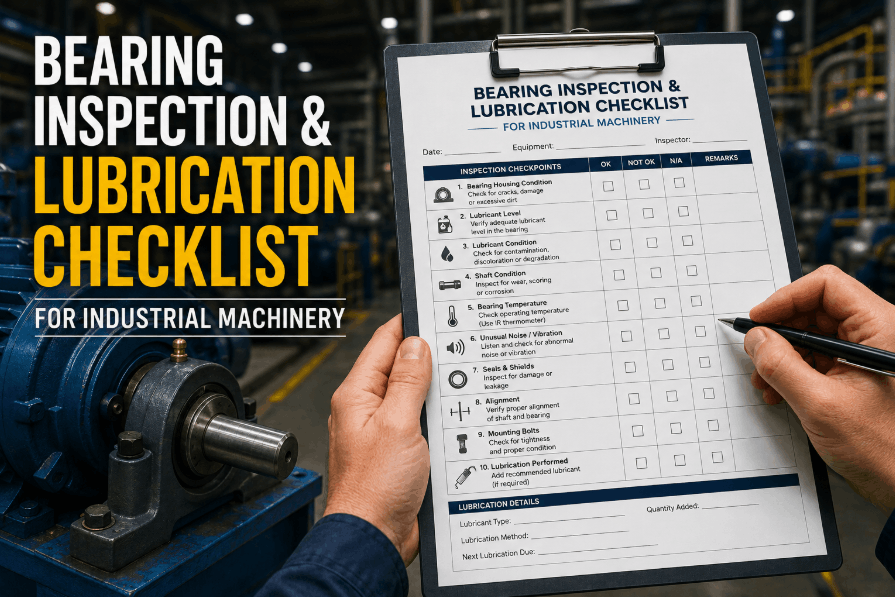
Pump seal condition inspected for leakage — excessive dripping indicates seal wear requiring replacement before catastrophic failure
Bearing temperature within normal operating range — hot bearings indicate lubrication failure or misalignment
Pump discharge pressure matches design value at rated flow — low pressure indicates impeller wear or system blockage
No unusual noise or vibration during operation — grinding or rattling sounds signal internal damage requiring immediate shutdown
Suction and discharge isolation valves operate smoothly — seized valves prevent pump isolation for maintenance
Motor winding insulation resistance above minimum acceptable value — trending downward indicates moisture ingress or winding degradation
Performance Metrics for Cooling Tower Reliability
| Performance Metric | Measurement Method | Target Value | Review Frequency |
|---|---|---|---|
| PM Completion Rate | Completed tasks divided by scheduled tasks | Above 98% | Weekly |
| Legionella Test Compliance | On-time lab samples divided by required samples | 100% | Monthly |
| Approach Temperature | Cold water temp minus wet bulb temp | Within design range | Daily |
| Water Treatment Variance | Chemistry readings outside control limits | Less than 5% | Weekly |
| Corrective Work Backlog | Open tower defects older than 14 days | Zero items | Monthly |
Common Questions About Cooling Tower Maintenance
How often should Legionella testing be performed?
Monthly sampling is the industry standard for high-risk facilities including hospitals, hotels, and large industrial plants. Quarterly testing may be acceptable for lower-risk applications with robust water treatment programs.
What causes biological fouling in cooling towers?
Inadequate biocide residual, poor water circulation creating dead zones, high organic loading from airborne debris, and water temperatures between 25 to 45 degrees Celsius create ideal conditions for bacterial and algae growth.
When should fill media be replaced instead of cleaned?
Replace fill when sheets are sagging more than 5 centimeters, material is brittle and breaking during handling, heavy scale cannot be removed with acid cleaning, or thermal performance testing shows efficiency loss exceeding 15%.
How is cooling tower efficiency measured?
Approach temperature is the primary metric — the difference between cold water leaving temperature and ambient wet bulb temperature. Closer approach indicates better heat transfer. Range divided by approach gives effectiveness ratio.
What documentation is required for regulatory compliance?
Water treatment logs, Legionella test certificates, biocide safety data sheets, maintenance records with completion timestamps, corrective action closures, and operator training certifications. Retention period typically 5 years minimum.
Every Test Logged. Every Inspection Scheduled. Every Risk Mitigated.
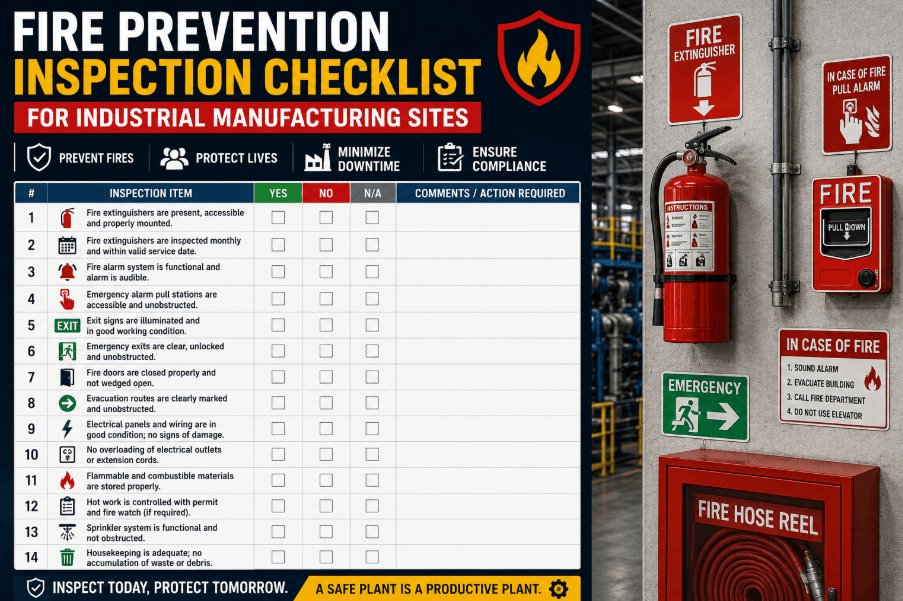
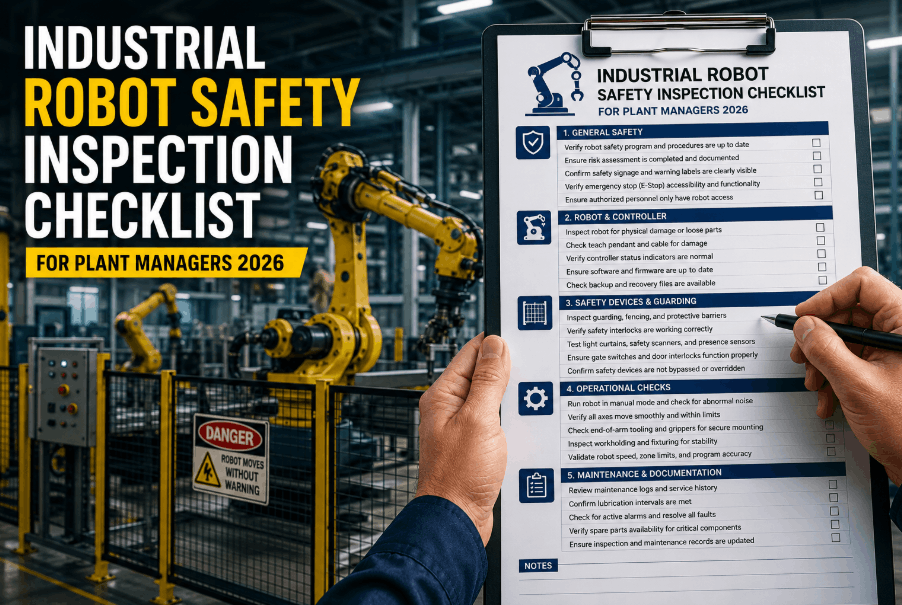
OxMaint converts this checklist into mobile inspection rounds with timestamp verification, photo documentation, chemistry trending dashboards, and automatic work order generation for every failed check or missed treatment cycle.
-inspection-checklist-for-industrial-facilities.png)