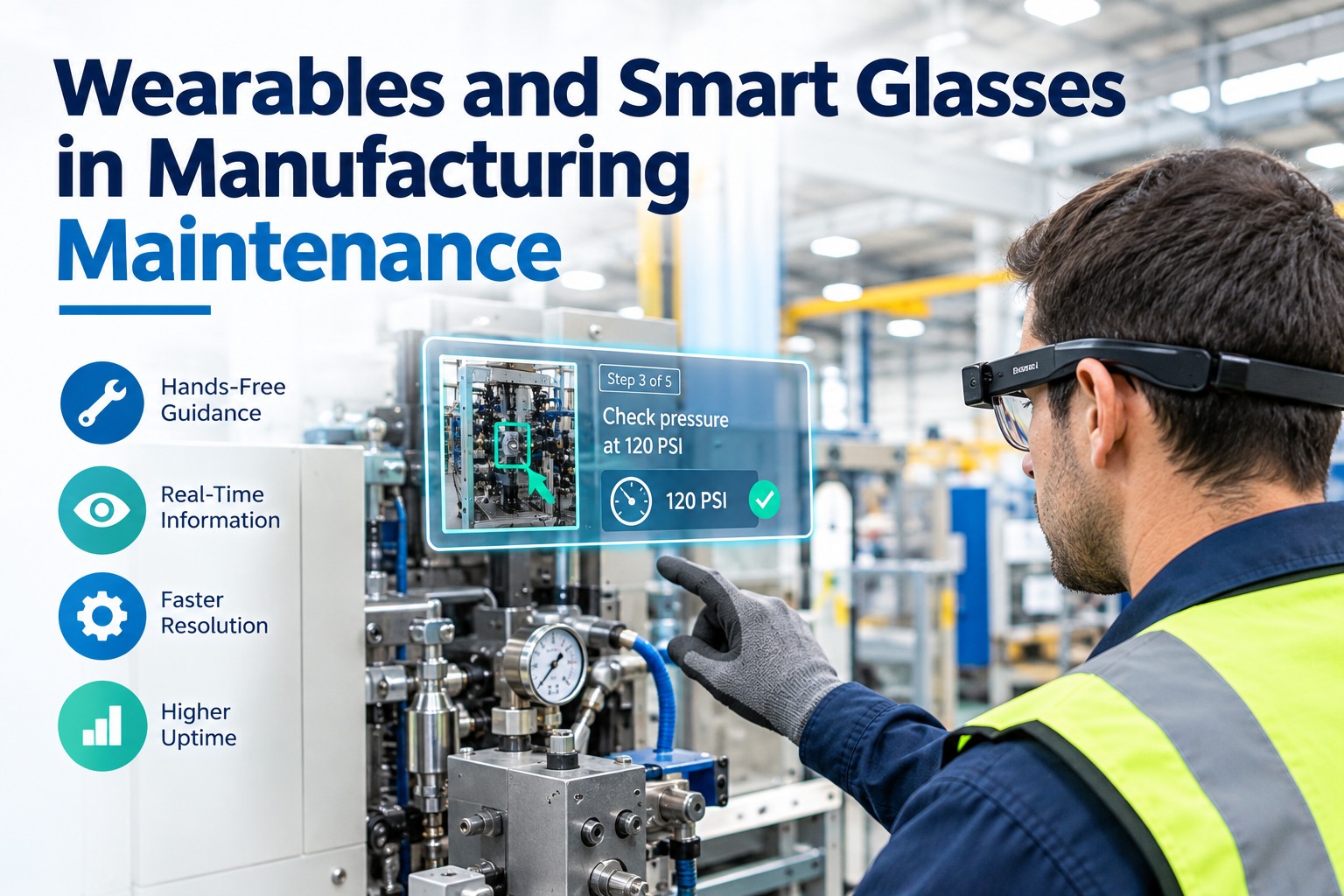
AR wearables and smart glasses are no longer experimental technology in manufacturing — they are production-deployed tools changing how technicians receive work orders, execute repairs, and escalate to remote experts without ever taking their hands off the equipment. In 2026, with the global industrial wearables market valued at over $8 billion and growing at 16.5% annually, maintenance teams that have not evaluated AR-assisted workflows are already behind the adoption curve. This guide covers what AR wearables actually do in a maintenance context, which devices lead the field, and how integration with a mobile CMMS unlocks the full value of hands-free maintenance execution.
AR Wearables & Smart Glasses for Manufacturing Maintenance in 2026
How augmented reality headsets, smart glasses, and wearable displays are transforming hands-free work orders, real-time guided repair, and remote expert escalation — and how OxMaint connects it all.
The Maintenance Shift: From Paper to Projection
Traditional maintenance execution — clipboard, printed checklist, back-and-forth calls to the control room — introduces delay, transcription error, and safety risk. AR wearables replace that loop with a continuous, heads-up information layer that keeps the technician informed, documented, and connected without ever stopping work.
Work Order Received
CMMS pushes a work order directly to the technician's smart glasses display. No phone to pull out, no clipboard to find.
AR-Guided Execution
Step-by-step visual overlays guide the technician through the repair procedure — torque specs, part IDs, safety checkpoints all in the field of view.
Remote Expert Called
Technician triggers a live video call — expert sees exactly what the technician sees and annotates the view in real time. No travel required.
Auto-Documented
All actions, photos, measurements, and sign-offs are captured and synced back to the CMMS work order automatically. Zero paper handling.
6 Ways AR Wearables Power Manufacturing Maintenance
Hands-Free Work Orders
Technicians receive, navigate, and complete work orders entirely via voice commands and gaze-based controls. Both hands stay on the asset — not the device.
Step-by-Step Visual Guidance
Digital overlays project repair sequences, torque values, wiring diagrams, and component identification directly onto the equipment in the technician's field of view.
Remote Expert Support
First-time technicians on complex equipment connect instantly to senior engineers in other buildings or other countries. Expert annotates the live view in real time — downtime resolved without travel.
Automatic Photo Capture
Built-in cameras capture before/after images, measurement readings, and condition photos triggered by voice — attached directly to the work order without manual upload.
Permit-to-Work on Display
Isolation confirmations, confined space permit approvals, and hot work authorisations are visible on the heads-up display before the technician starts work — compliance enforced at the point of execution.
Real-Time CMMS Sync
Every completed step, captured measurement, and technician sign-off syncs to the CMMS in real time. Supervisors see live progress on their dashboard — no end-of-shift paper submission lag.
Leading AR Devices for Factory Maintenance in 2026
Not every AR device suits the manufacturing floor. The right choice depends on environmental conditions, battery life requirements, integration maturity, and whether the task demands full spatial AR or a reliable heads-up display for hands-free information.
- IP66 dust/water rated, MIL-STD-810H impact resistant
- 8-hour battery, Android 10, 48MP camera
- Noise-cancelling voice control in 100dB+ environments
- Ideal for: high-noise, high-dust, high-heat factory zones
- Full spatial AR with holographic overlays
- 2–3 hour battery, Azure cloud-native integration
- Hand and eye tracking, voice commands
- Ideal for: complex assembly, training simulations
- Waveguide display, 8MP camera, Android 8.1
- Lightweight at 84g, 6-hour battery
- Barcode scanning, voice and touch control
- Ideal for: inspection rounds, parts lookup
- Snapdragon XR1, prism display, 8MP camera
- Very lightweight, 8-hour battery typical
- Pairs with standard safety glasses/goggles
- Ideal for: guided checklists, barcode scanning
How OxMaint Powers AR-Assisted Maintenance
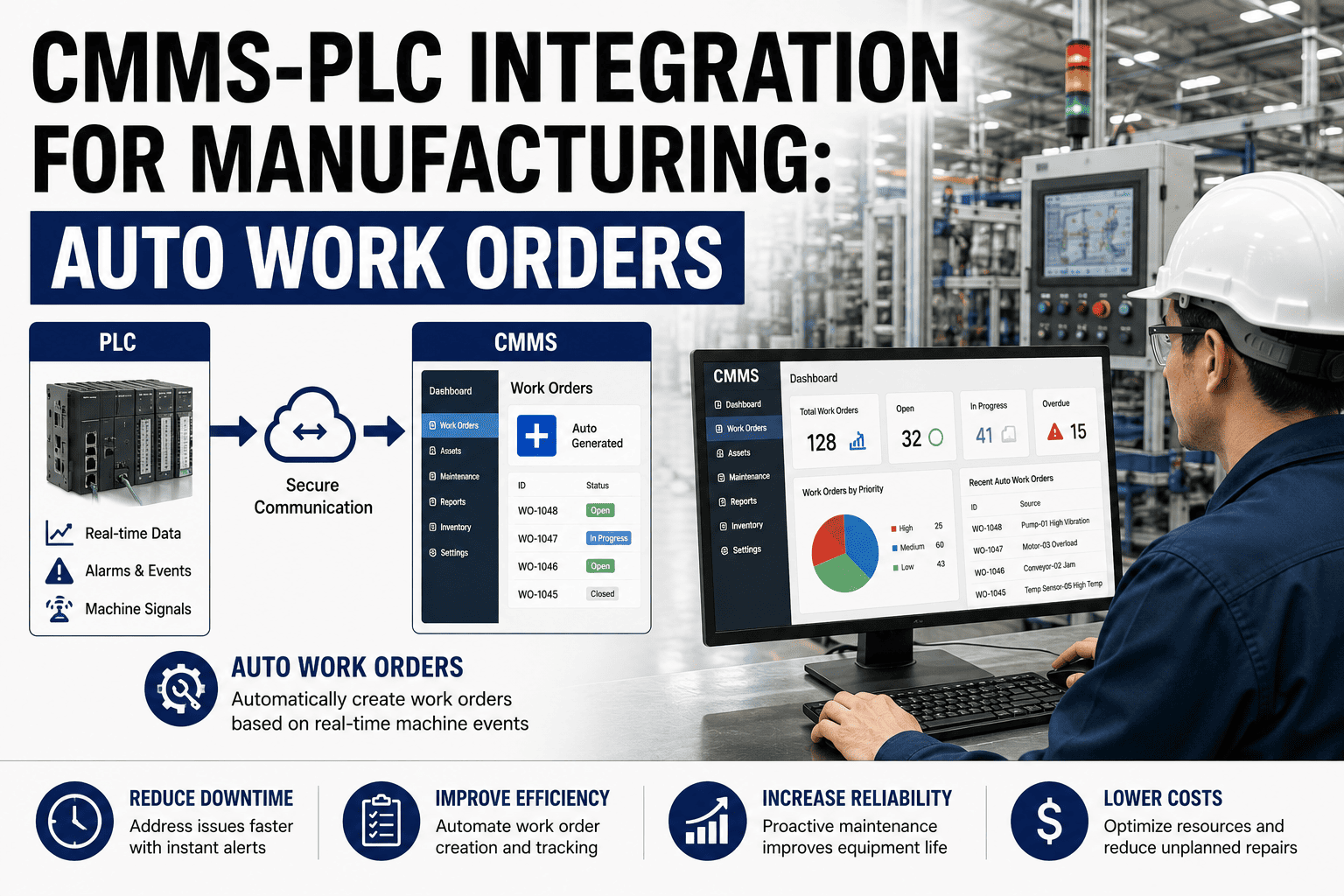
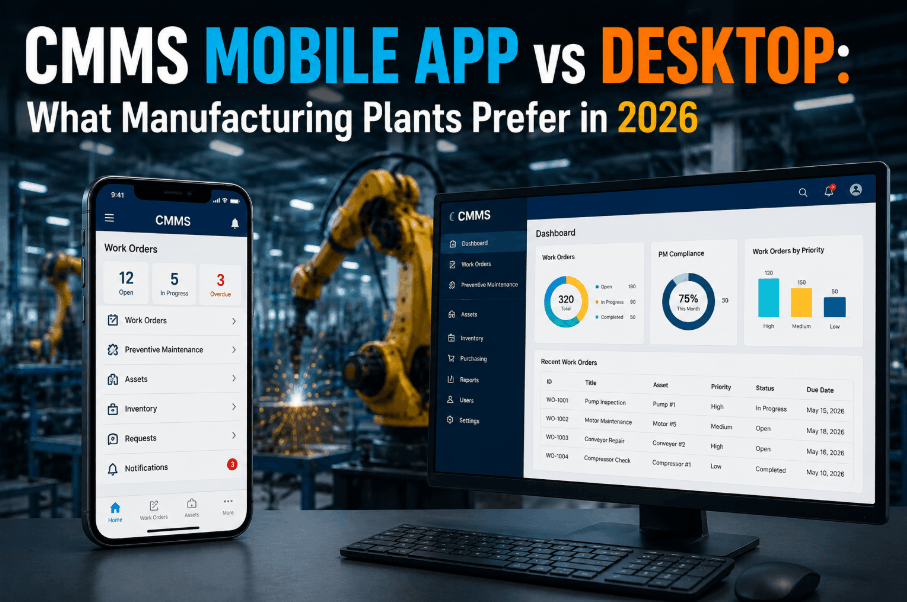
OxMaint's mobile-first CMMS architecture is built to push work to where maintenance actually happens — including onto the heads-up display of a smart glasses device. The integration layer connects the CMMS work order lifecycle to the wearable execution layer without custom development.
Work Order Dispatched to Glasses
OxMaint pushes the work order, checklist, and asset history to the wearable device via mobile API. The technician sees the task on their heads-up display the moment it is assigned.
Voice-Driven Checklist Execution
Each checklist step is presented sequentially. Voice commands — "complete," "fail," "photo," "note" — advance the workflow without hands-on device interaction.
Photos and Readings Auto-Attached
Camera captures triggered during execution are automatically attached to the active checklist step and synced to the OxMaint work order record in real time.
Supervisor Dashboard Updated Live
The maintenance supervisor sees real-time work order progress, open steps, and any failures raised — without waiting for the technician to return to the office or call in.
What AR-Assisted Maintenance Delivers: Real Numbers
Manufacturing firms deploying AR smart glasses for maintenance execution reported a 32% reduction in error rates compared to paper-based and tablet-based workflows.
Technicians equipped with AR guided procedures and remote expert access resolve faults correctly on the first attempt at substantially higher rates.
Smart glasses-assisted training programmes reduce the time to competency for new maintenance technicians across complex equipment types.
Boeing reported $1.8 million in cost savings and 25% reduction in production time after deploying smart glasses for guided assembly and maintenance workflows.
The global industrial wearables market is projected to grow from $8.24 billion in 2025 to $51.5 billion by 2036 — driven heavily by manufacturing adoption.
The smart glasses segment of the augmented reality market is forecast at the highest growth rate of all display categories — signalling accelerating enterprise adoption.
Common Questions on AR Wearables for Maintenance
Do AR smart glasses work in hot, dusty manufacturing environments?
Does a technician need to be IT-literate to use AR maintenance glasses?
Can AR wearables connect to an existing CMMS or do you need a new system?
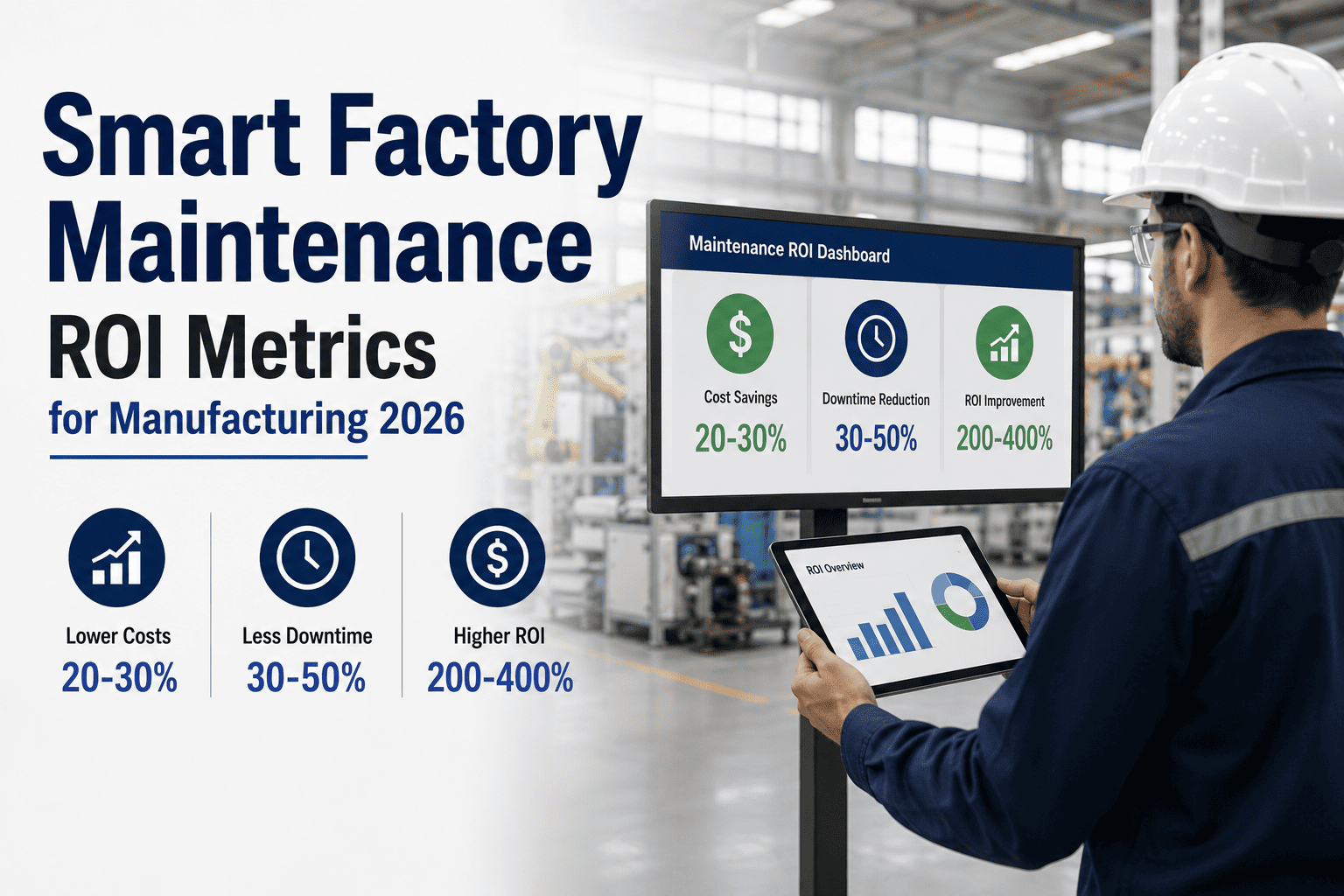
What is the ROI case for AR wearables in maintenance — how long does payback take?
Is remote expert support via AR glasses secure for industrial use?
Your Maintenance Team Deserves Both Hands on the Equipment
OxMaint connects your work orders, PM schedules, and compliance records directly to your technicians' AR wearables — hands-free, real-time, and live in days. Free to start. No implementation fee.