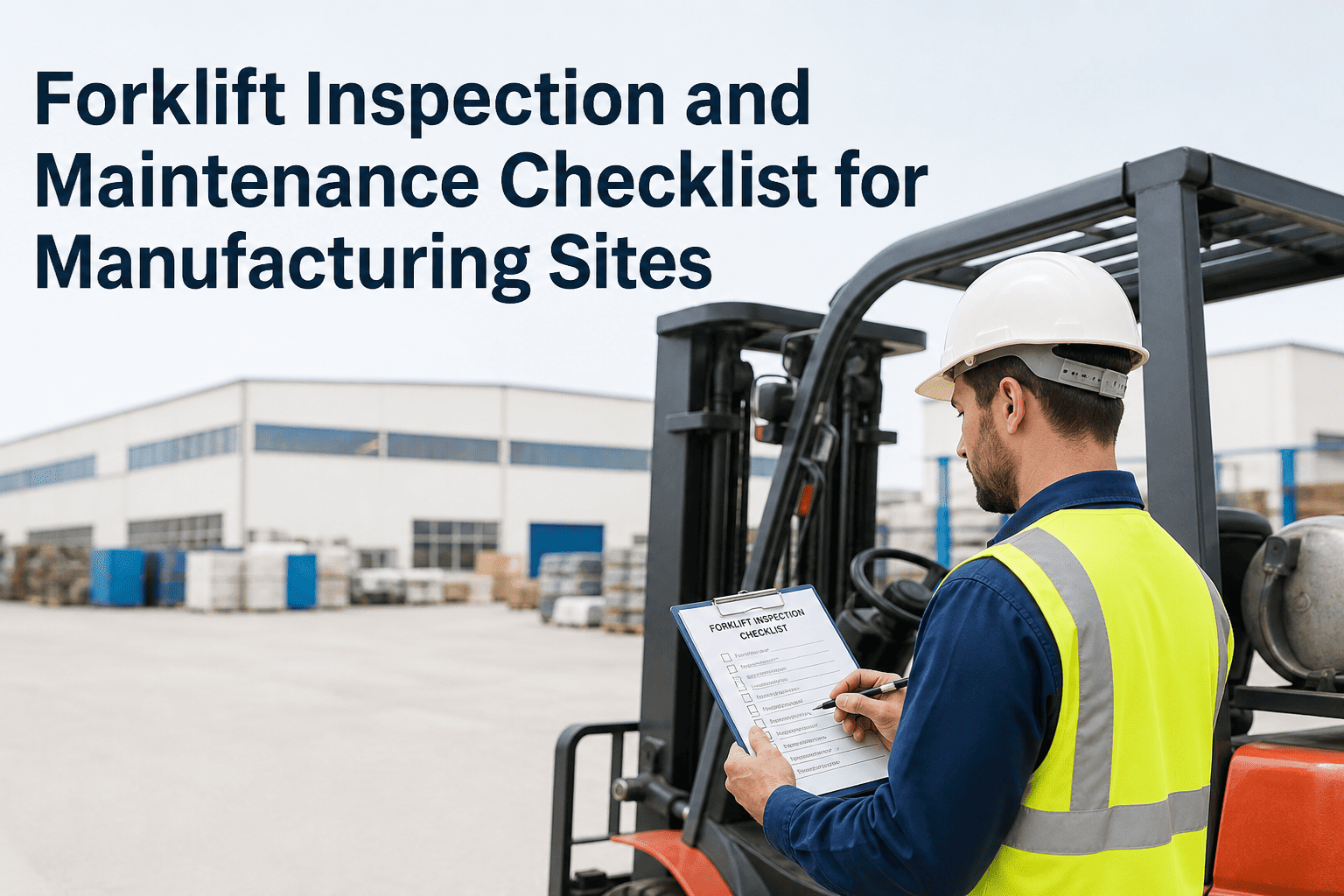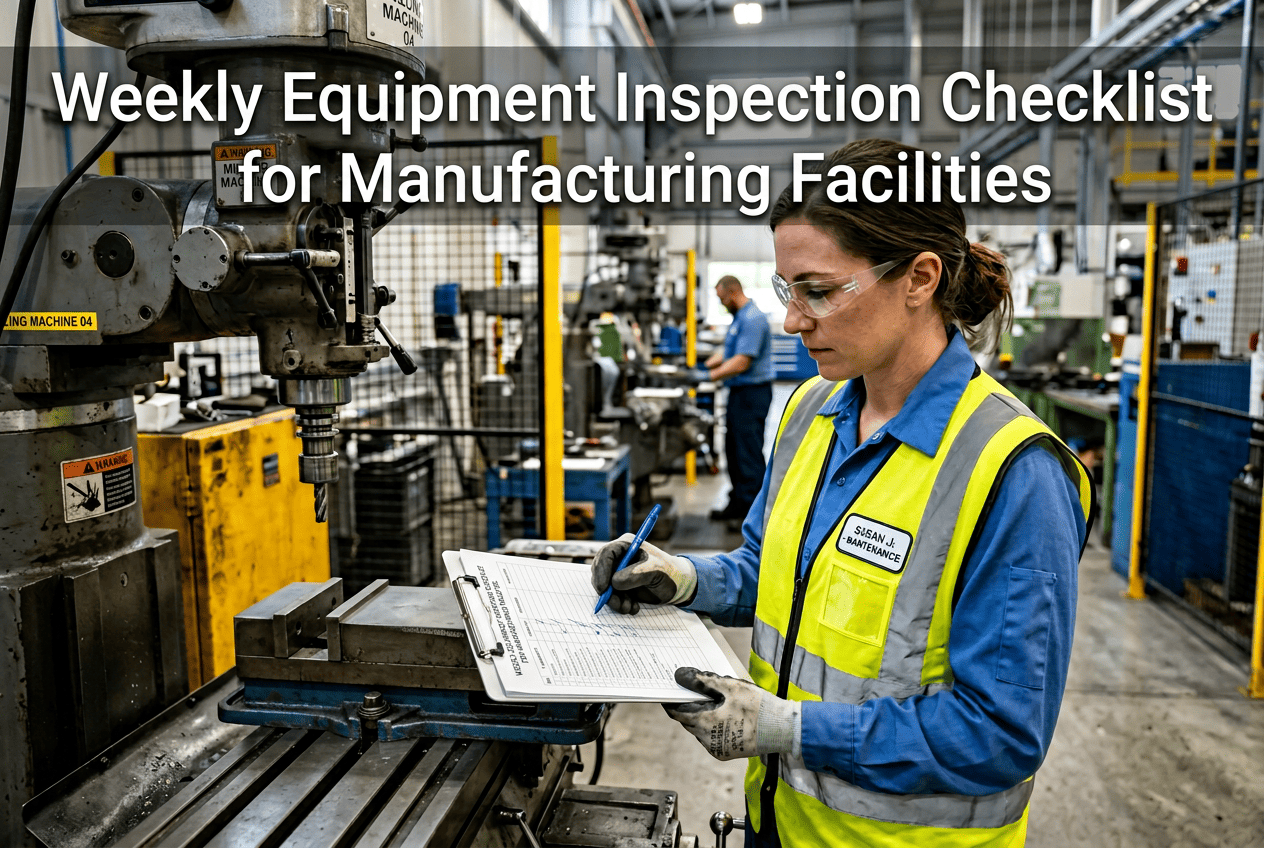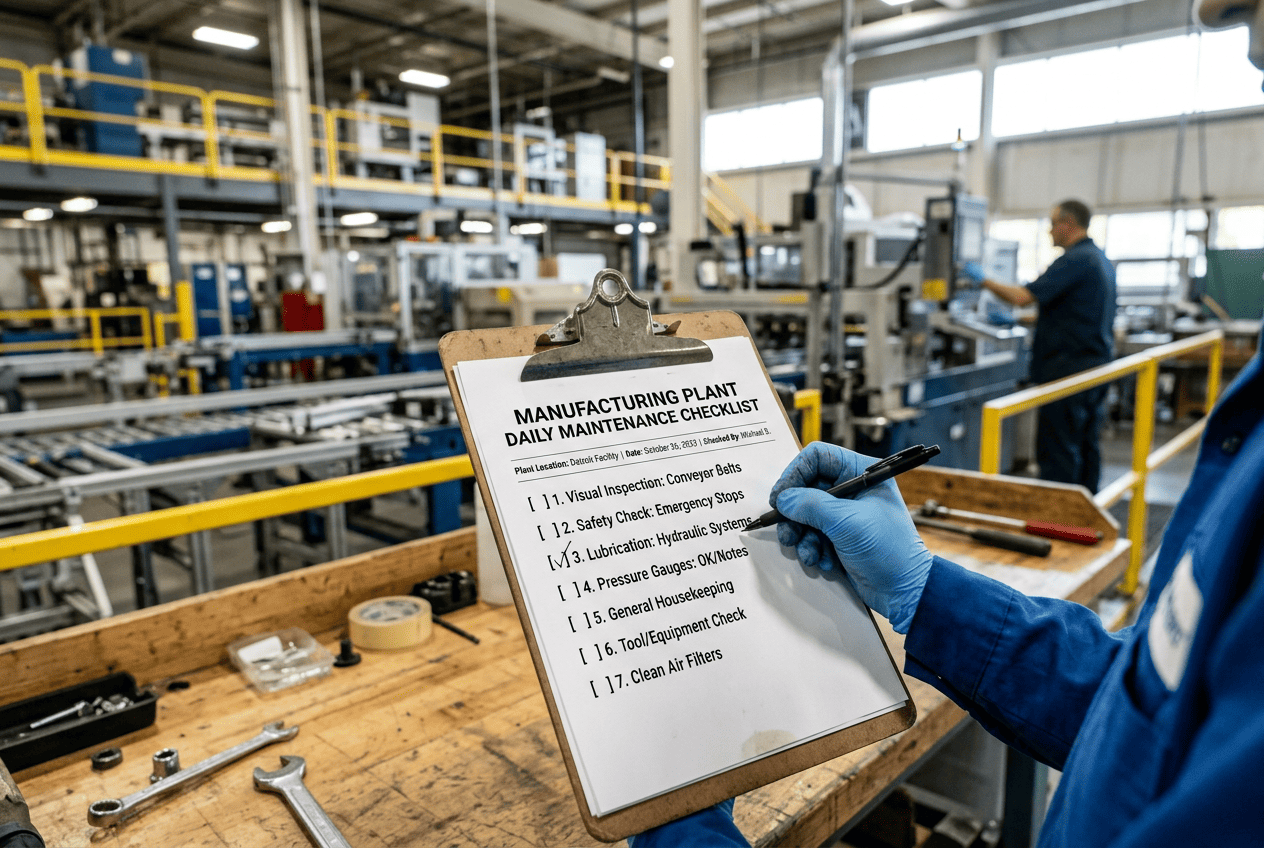
A single missed daily check in a manufacturing plant does not just create a paper trail problem — it creates the conditions for a production stoppage, a safety incident, or a regulatory citation that costs far more than the 15 minutes the inspection would have taken. Plants running structured daily checks resolve equipment faults before shift start, reduce unplanned downtime by up to 40%, and build an audit trail that protects both the team and the business. OxMaint's maintenance platform digitises every daily check — timestamped, assigned, and escalation-ready — so nothing falls through the shift handover. Use this checklist every day, every shift.
Zone A — Mechanical Equipment
Zone B — Electrical Systems
Zone C — Safety & PPE
Zone D — Production Lines
Zone E — Housekeeping
Zone A
Mechanical Equipment Checks
Mechanical failures are the leading source of unplanned stoppages in manufacturing. Daily checks on lubrication, alignment, and coupling conditions catch 70% of failures before they reach critical severity.
Machinery & Drive Systems
All rotating equipment inspected for unusual vibration, noise, or heat — compare against baseline readings from previous shift
Lubrication levels checked on all gearboxes, bearings, and chain drives — top up to operating marks; no over-lubrication
Belt drives and couplings inspected for wear, fraying, or misalignment — replace belts showing more than 10% elongation
Hydraulic system fluid levels, hose condition, and pressure readings within manufacturer spec — check for any visible leaks under equipment
Compressed Air & Pneumatics
Air compressor intake filters clean, oil level at mark, condensate drained from receiver tank before shift start
Pneumatic lines and fittings checked for leaks — audible hiss is estimated to cost $1,500/year per unchecked leak; mark and repair before next shift
Zone B
Electrical Systems Daily Verification
Electrical faults account for 23% of manufacturing fires. Daily visual checks before shift energisation are the single highest-ROI preventive step available to plant teams.
Panel & Distribution
MCC (Motor Control Centre) panels inspected — doors closed and latched, no visible scorching, no alarms active, 36-inch clearance maintained
All emergency stop buttons tested and confirmed functional at start of shift — document which machine and operator performed test
Lockout/Tagout (LOTO) equipment inventory verified — all devices present, undamaged, and stored at designated locations per OSHA 1910.147
Instrumentation & Controls
PLC status lights and HMI screens showing normal operating state — no fault codes or communication errors active
Temperature sensors and pressure gauges on critical processes within normal operating range — verify against last shift's baseline
Replace paper shift logs with digital records that auto-create work orders. Your team closes findings 3x faster.
Zone C
Safety Equipment & PPE Verification
Safety equipment that is present but non-functional offers zero protection. OSHA 1910.157 requires monthly inspections of fire extinguishers — most high-performing plants do it daily as part of shift start.
Fire & Emergency Equipment
Fire extinguishers at all designated stations — pressure gauge in green zone, pin and seal intact, access path clear
Emergency eyewash and shower stations tested — ANSI Z358.1 requires weekly full flush; daily visual check for blockages and signage visibility
First aid kits at all station points — sealed, stocked, within expiry, and accessible without moving equipment
Machine Guarding & PPE
All machine guards, safety interlocks, and light curtains confirmed in place and functional before production starts — zero-tolerance for bypassed guards
Required PPE (gloves, eye protection, ear protection, safety footwear) available at all workstations — replace any damaged or expired items before shift
Zone D
Production Line Readiness
Line Startup Checks
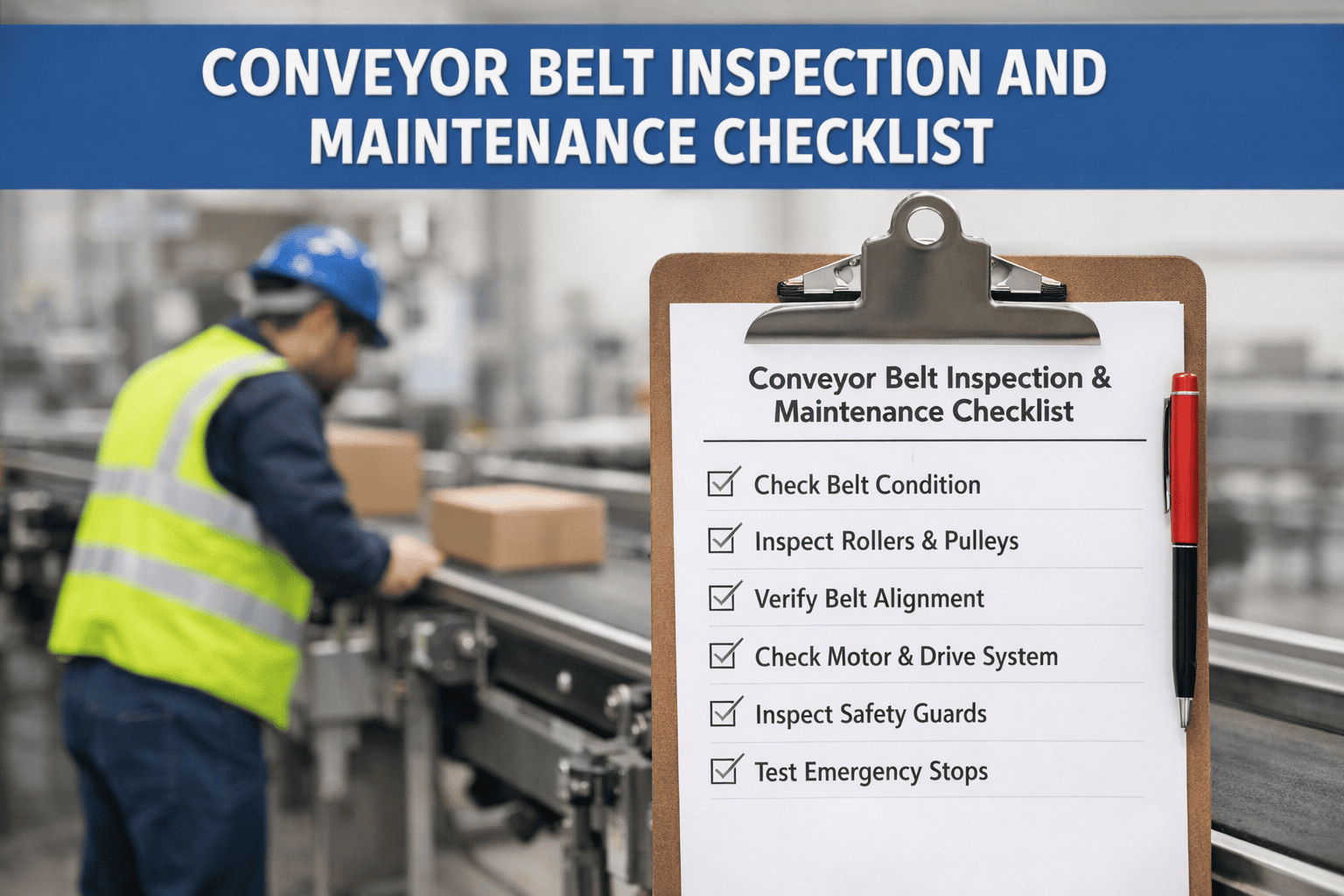
Conveyor systems inspected — belt tracking centred, drives engaged, all sensors responding, no foreign objects on belt surface
Tooling and dies confirmed correct spec for today's production run — wear checked against acceptance limits; no chipped or cracked tooling
Cooling water systems circulating at correct flow rate and temperature — check inlet/outlet differential; flag any fouled strainers
Raw material staging area organised and correct materials confirmed for scheduled production — no cross-contamination with adjacent materials
Zone E
Housekeeping & Environmental Checks
5S Baseline Verification
All workstations in 5S condition — Sort, Set in Order, Shine verified; no items outside designated zones, no accumulation under equipment
Waste collection containers not overflowing — hazardous waste segregated per facility SOP and local environmental regulations
Spill kit stations stocked and accessible — absorbents, PPE, and disposal bags at each station; inspect for use since last shift
Chemical storage area confirmed tidy — all containers closed and labelled, SDS binders accessible, no incompatibles stored together
KPI Dashboard
Daily Maintenance Metrics That Drive Performance
| Metric | Formula | Daily Target | Action if Missed |
|---|---|---|---|
| Checklist Completion Rate | Completed items / Total items × 100 | 100% | Escalate to Shift Supervisor |
| Finding-to-Work-Order Time | Time from finding logged to WO raised | Under 30 min | Review escalation process |
| E-Stop Test Pass Rate | Passed tests / Total tests performed | 100% | Machine off until repaired |
| Repeat Defects per Week | Same fault code in 2+ consecutive shifts | 0 | Root cause analysis required |
| Shift Handover Completeness | Documented handover items / Open items | 100% | Mandatory verbal + digital sign-off |
Plant Manager Insights
What Experienced Maintenance Leaders Say
01
The shift start check is not optional — it is the contract between the outgoing shift and the incoming team. If the outgoing shift did not document it, it did not happen. Paper forms break this contract every single day.
Plant Maintenance Manager, Automotive Components, 12 years
02
We cut unplanned stoppages by 38% in six months by digitising daily rounds. The biggest win was not the data — it was that our technicians started taking the checks seriously once they knew it was timestamped and visible to management.
Operations Director, Food Processing Plant, 600 employees
03
Machine guarding violations are the number one citation we see during unannounced OSHA walkthroughs in manufacturing. It takes 30 seconds to verify a guard is in place. It costs weeks and thousands in penalties when it is not.
Certified Safety Professional (CSP), Industrial Manufacturing
FAQs
Frequently Asked Questions
A structured daily checklist covering all five zones should take 12 to 20 minutes per shift when using a digital tool. Paper-based rounds typically run 30 to 45 minutes due to rekeying and form completion. With OxMaint's mobile checklist, technicians complete each zone with photo evidence and findings automatically generate work orders — no duplication of effort.
OSHA 1910.147 requires daily LOTO equipment verification before maintenance tasks. OSHA 1910.217 mandates daily mechanical press inspections. OSHA 1910.179 covers overhead crane daily checks. Beyond OSHA, NFPA 70B and ISO 55001 both recommend daily visual checks as the baseline for asset integrity programs. Book a demo to see how OxMaint maps each standard to a scheduled check automatically.
A daily check is a rapid visual and sensory inspection — it takes minutes and requires no tools. A PM task involves hands-on servicing: filter replacements, lubrication top-ups, or component replacements on a scheduled interval. Daily checks feed PM scheduling by flagging early deterioration, while PMs address the root cause. Together they form the backbone of a reliability program. OxMaint connects both cycles in one platform.
Effective handover requires the outgoing shift to complete and submit the checklist — not just fill it in. Digital checklists with mandatory photo evidence and named technician sign-off make it impossible to complete the form without the inspection actually happening. OxMaint's handover module flags any open items to the incoming shift supervisor in real time. See the handover workflow in a live demo.
Your Next Shift Starts With a Better Checklist
OxMaint digitises your daily plant checks — every finding timestamped, every work order auto-created, every shift handover documented. No paper, no rekeying, no missed items.