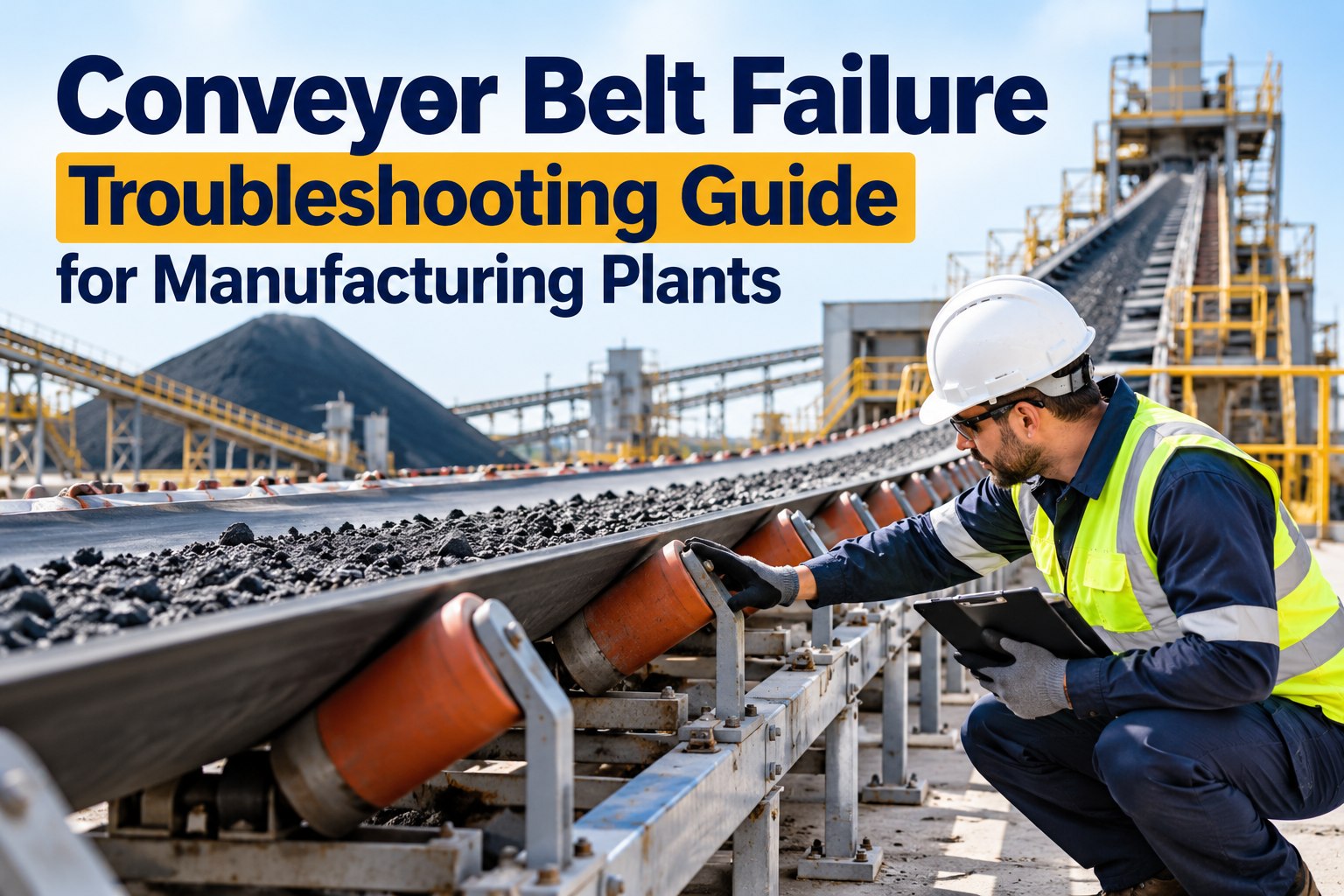
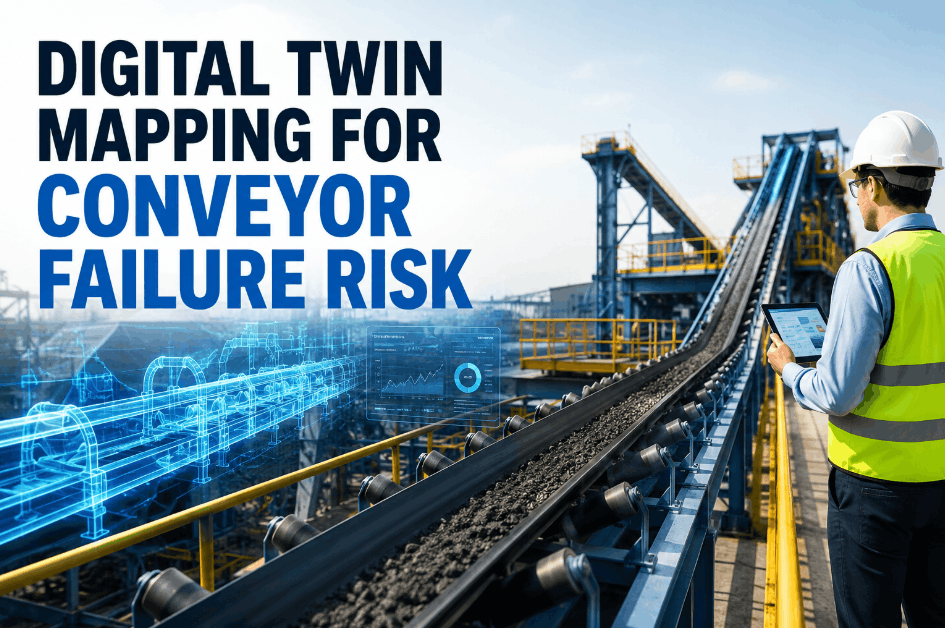
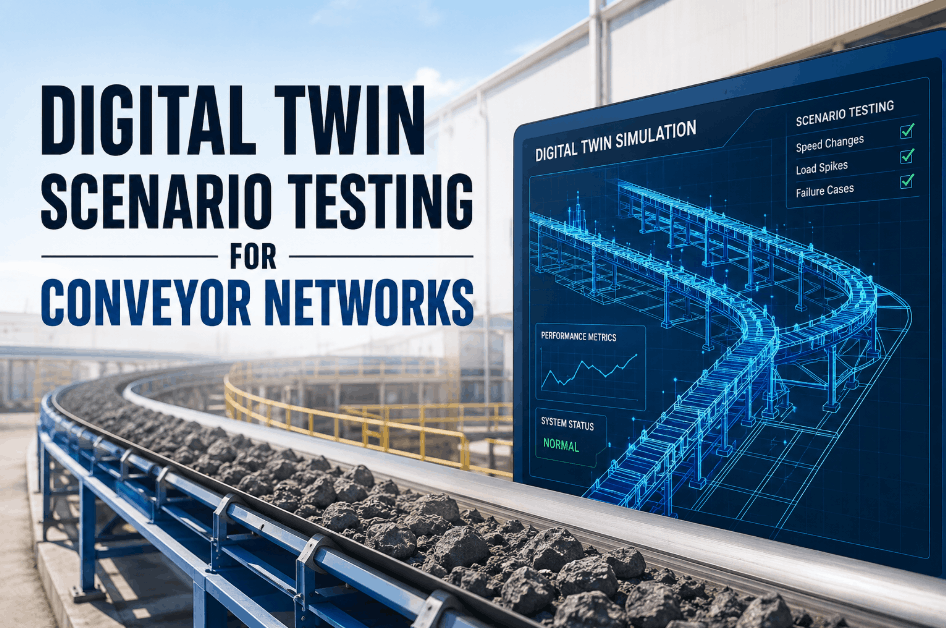
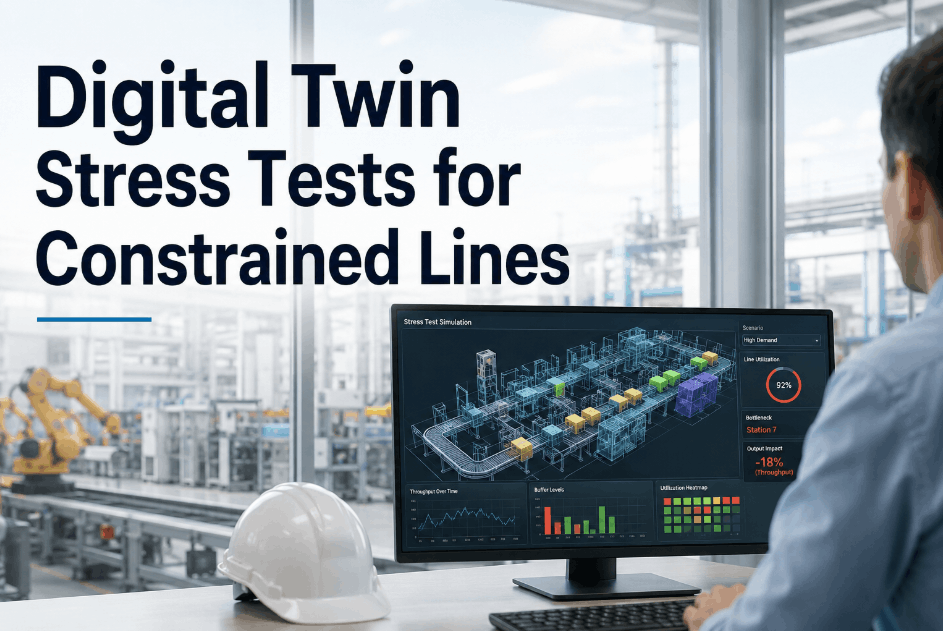
Conveyor systems rarely fail without warning — load spikes, gradual misalignment, and wear on rollers and bearings all leave a trail in sensor data long before material flow gets choppy, but only if that data is captured continuously and tied to a living model of each asset's condition. Oxmaint connects directly to PLCs and IoT sensors on conveyor lines, building a continuously updated health record that mirrors real conveyor behavior instead of relying on periodic manual checks. Sign Up Free to start streaming conveyor sensor data into a live condition model today. Combined with AI Vision detection for misalignment and wear, and predictive scoring that flags developing faults weeks ahead, Oxmaint gives reliability teams an always-current view of conveyor failure risk instead of a snapshot from the last walkthrough. Book a Demo to see how Oxmaint maps sensor and vision data onto your specific conveyor layout.
See Conveyor Failure Risk Before Material Flow Gets Choppy
Oxmaint streams PLC and sensor data into a continuously updated condition model per conveyor asset, surfacing load spikes, misalignment, and wear zones before they become unplanned downtime.
Why Conveyor Failure Risk Stays Invisible Between Inspections
Conveyor condition changes continuously, but most maintenance programs only check on it periodically — leaving real degradation to surface only after material flow is already disrupted. Book a Demo to walk through your conveyor sensor data with our team.
6 Ways Oxmaint Maps Conveyor Condition to Failure Risk
Oxmaint turns continuous sensor and vision data into a living condition record for every conveyor asset, so failure risk is visible long before material flow is affected. Sign Up Free to connect your first conveyor line in Oxmaint.
- Direct PLC integration for motor current, speed, and load data
- IoT sensor feeds for vibration and temperature on key conveyor points
- Data streamed continuously rather than captured on a schedule
- All readings stored against the specific conveyor asset record
- Health scores generated from live sensor trends and run history
- Scores updated continuously as operating conditions change
- Score history retained per asset for trend comparison
- Declining scores linked automatically to flagged work items
- AI Vision Camera scans belts, rollers, and frames for misalignment
- Cracking, abnormal heat, and visible wear flagged automatically
- Detections logged with photo evidence against the asset record
- Confirmed detections auto-create prioritized work orders
- Predictive models scan for developing load and bearing wear faults
- Alerts generated weeks ahead of likely failure where data supports it
- Alerts ranked by risk into the maintenance planning queue
- Proactive work orders scheduled before flow is disrupted
- Every work order, inspection, and part swap linked to the same asset record as sensor data
- Full maintenance history viewable alongside condition trends
- Recurring fault patterns surfaced across the asset's history
- QR-code lookup for instant access to history in the field
- Condition trends, health scores, and failure flags by asset or line
- Reports exportable for reliability review meetings
- Comparison views across multiple conveyors or plants
- Historical data retained to support capital planning decisions
Conveyor Risk Monitoring Priorities by Industry
The right monitoring focus depends on what's moving across the conveyor and how the line is operated. The table below maps industry context to monitoring priority.
| Industry | Primary Failure Risk | Key Monitoring Focus | Oxmaint Priority | Audience |
|---|---|---|---|---|
| Manufacturing & Plants | Bearing and roller wear | Vibration and load trend tracking | Predictive Maintenance | Reliability Engineer |
| Food & Beverage Manufacturing | Belt misalignment and contamination risk | Vision-based wear and hygiene checks | AI Vision Camera | Plant Manager |
| Cement & Steel Plants | High-load motor and drive stress | Continuous PLC current monitoring | Condition Monitoring | Maintenance Manager |
| Power Plant Operations | Material handling line downtime | Predictive alerting ahead of outage | Predictive Failure Alerts | Operations Manager |
| Warehousing & Distribution | High-cycle wear on sortation conveyors | Asset history and recurring fault tracking | Asset Management | Facility Manager |
Stop Waiting for the Jam to Tell You Something Was Wrong
Oxmaint connects PLC data, IoT sensors, AI Vision detection, and predictive scoring into one continuously updated condition record per conveyor — so failure risk shows up in data, not downtime.
Frequently Asked Questions — Conveyor Failure Risk Monitoring
Give Every Conveyor a Live Condition Record, Not a Static Inspection Log
Continuous PLC and sensor data. AI health scoring. Vision-based wear detection. Predictive alerts. One CMMS for tracking conveyor failure risk before it reaches the line.