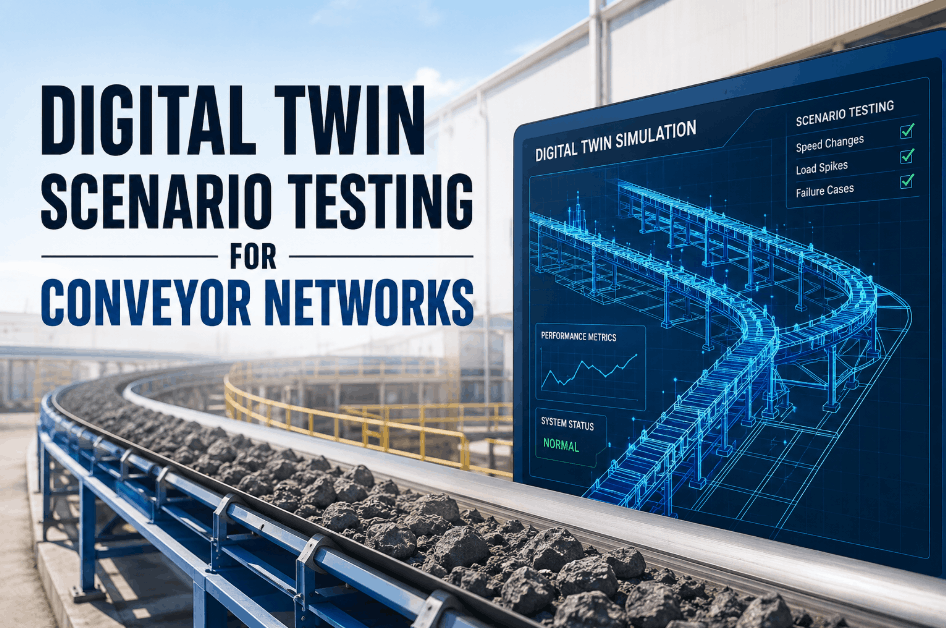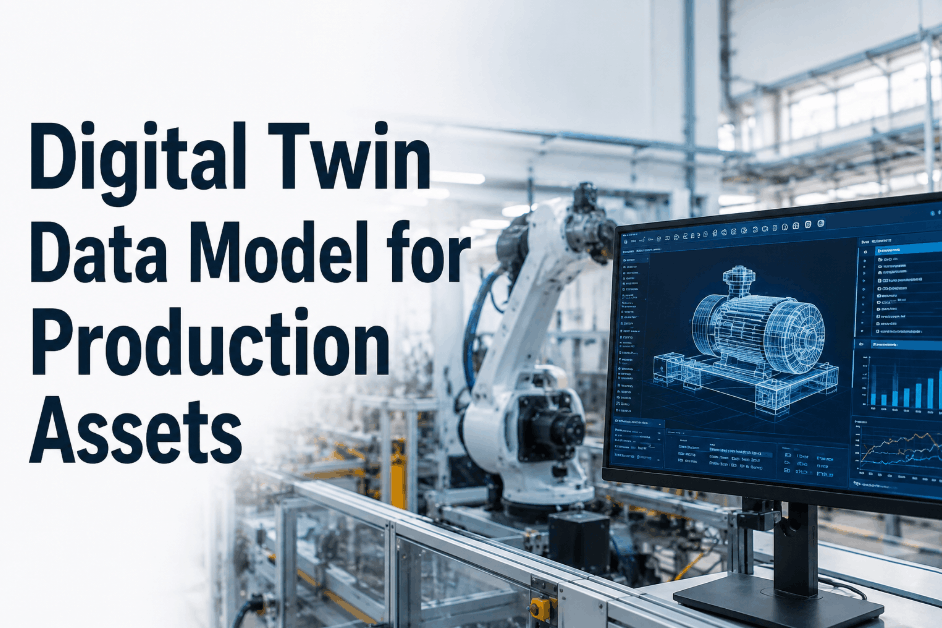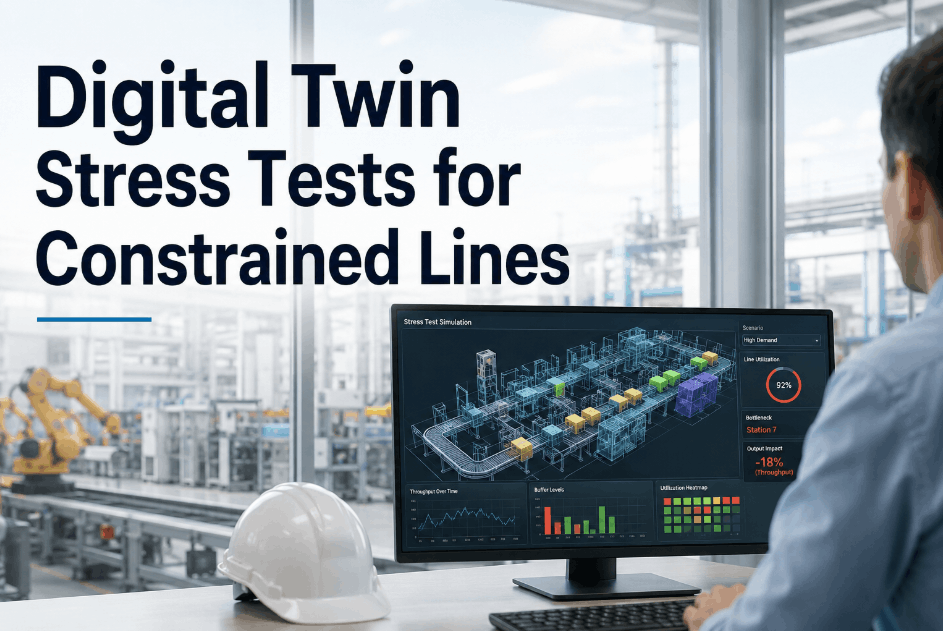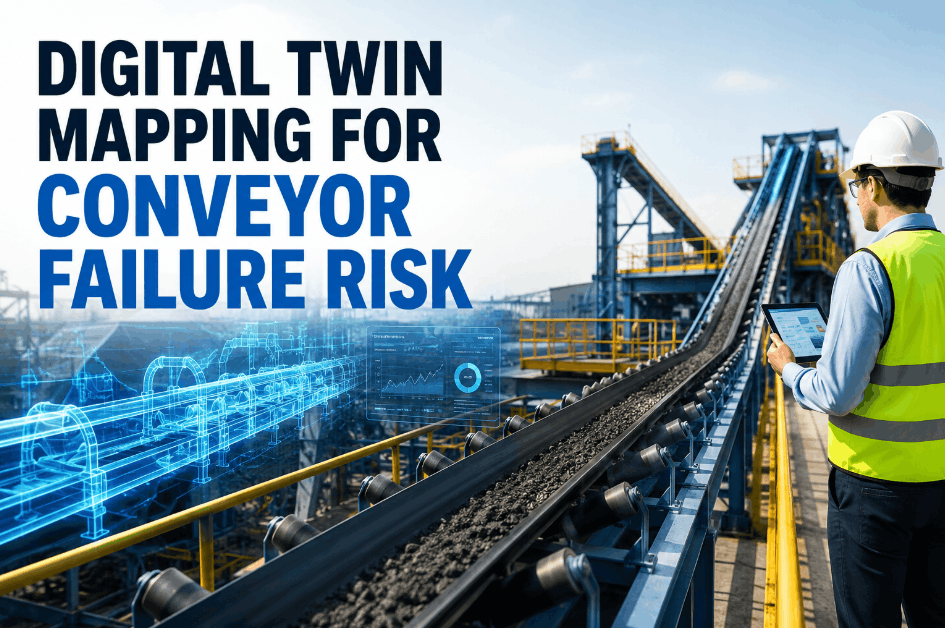
Conveyor systems tend to get attention only when material flow turns choppy — by which point a load spike, a misalignment, or a wear zone has usually been building for weeks. Digital twin mapping changes that by mirroring real conveyor behavior from sensor and inspection data, so load spikes, misalignment, and wear zones become visible as a trend instead of a surprise breakdown. Teams using Sign Up Free on OxMaint can connect PLC and IoT sensor feeds to each conveyor asset, building the behavior model a digital twin approach depends on without a separate monitoring platform.
Why Conveyor Failure Risk Stays Hidden Until Flow Disruption
Most conveyors are inspected on a fixed schedule with a visual walk-by, which catches obvious damage but misses gradual misalignment, tension drift, or wear zone progression between visits. Without sensor and inspection data mapped against the same asset history, these risk patterns stay invisible until output drops or material jams. Book a Demo to see how OxMaint maps conveyor sensor and inspection data into a continuous behavior model instead of point-in-time checks.
Core Data Inputs for Mapping Conveyor Failure Risk
A digital twin model for a conveyor is only as useful as the data feeding it — the goal is to mirror real operating behavior closely enough that risk patterns surface before they affect flow. Sign Up Free to start logging these inputs against your conveyor assets in OxMaint.
Belt Tracking and Misalignment Readings
Tracking sensor data logged against a baseline reveals gradual drift toward an idler or frame edge before it causes belt damage.
Load and Tension Variation Logging
Unusual load spikes or tension swings recorded over time flag uneven loading or a developing mechanical fault upstream.
Idler and Roller Temperature Monitoring
Elevated temperature at idlers or rollers signals friction from misalignment, bearing wear, or inadequate lubrication.
Vibration and Wear Zone Mapping
Vibration readings mapped by conveyor section identify specific wear zones rather than treating the conveyor as a single asset.
Material Flow and Throughput Correlation
Correlating throughput drops with sensor readings distinguishes a mechanical issue from a process or material-feed problem.
Historical Repair and Failure Pattern Linkage
Linking past repairs and failures to the same asset history reveals whether wear zones recur in the same location over time.
Digital Twin Monitoring Reference by Conveyor Type
Different conveyor types carry distinct failure patterns, so the sensor mix and monitoring priority should match the equipment in question. Book a Demo or Sign Up Free to see how OxMaint structures conveyor monitoring by type and criticality.
| Conveyor Type | Primary Risk Pattern | Monitoring Frequency | Failure Risk if Unmonitored | OxMaint Lever |
|---|---|---|---|---|
| Belt Conveyors — High-Speed Production Lines | Tracking drift, belt wear | Continuous sensor feed | High — line stoppage from belt damage | PLC sensor integration + tracking baseline |
| Bulk Material Handling Conveyors | Load spikes, idler wear | Daily load and temperature check | High — material spillage and jam risk | Load variation logging + temperature alerts |
| Incline / Decline Conveyors | Tension variation, slip risk | Weekly tension inspection | Medium — uneven wear and slippage | Tension trend tracking by asset |
| Overhead / Chain Conveyors | Chain wear, alignment drift | Bi-weekly vibration check | Medium — chain failure and downtime | Vibration mapping by conveyor section |
| Pallet / Roller Conveyors | Roller wear, throughput drop | Weekly visual and flow check | Low to Medium — throughput slowdown | Throughput correlation with inspection logs |
How Reactive Conveyor Monitoring Compounds Material Flow Risk
Treating a conveyor as healthy until it visibly underperforms leaves no room to act before flow disruption sets in. Book a Demo to see how OxMaint shifts conveyor monitoring from reactive checks to a continuous behavior model.
Building a Digital Twin Model for Conveyor Failure Risk with OxMaint
Mapping conveyor behavior into a usable risk model is a phased rollout built on the sensor and inspection data already available at most sites. Book a Demo to walk through how these steps apply to your conveyor fleet.
Connect PLC and IoT Sensors to Each Conveyor Asset
Register conveyor assets in OxMaint and connect available tracking, load, temperature, and vibration sensors to start building an asset-specific data stream.
Segment Long Conveyors Into Monitored Sections
Map vibration and wear data by conveyor section rather than treating the whole line as one asset, so wear zones can be pinpointed.
Establish Behavior Baselines From Initial Sensor Data
Use early sensor and inspection readings in OxMaint to set normal-operating baselines for tracking, load, and temperature by asset.
Link Deviation Alerts to Work Order Creation
Configure OxMaint to generate a work order automatically when readings deviate from baseline, closing the loop between detection and action.
Refine the Model Against Failure and Repair History
Use OxMaint reporting to compare sensor trends against past failures and repairs, tightening alert thresholds as the model matures.
Frequently Asked Questions: Digital Twin Mapping for Conveyor Failure Risk
What is digital twin mapping for conveyors?
It is the practice of mirroring real conveyor behavior using sensor and inspection data, so load spikes, misalignment, and wear zones become a visible trend instead of a surprise event.
What sensor data is needed to build a conveyor digital twin?
Belt tracking, load and tension, idler temperature, and vibration data are the core inputs, ideally connected through PLC or IoT sensors directly to the asset record.
How does OxMaint support digital twin mapping for conveyors?
OxMaint connects PLC and IoT sensor feeds, inspection checklists, and failure history to each conveyor asset, and can trigger work orders automatically when readings deviate from baseline.
Do long conveyors need to be monitored as one asset or by section?
Long conveyors benefit from section-level monitoring, since wear zones and misalignment are usually localized rather than affecting the entire conveyor evenly.
Is digital twin monitoring only useful for high-speed conveyors?
No. Slower bulk handling and roller conveyors also develop load, wear, and alignment issues over time, and benefit from the same baseline and deviation tracking approach.