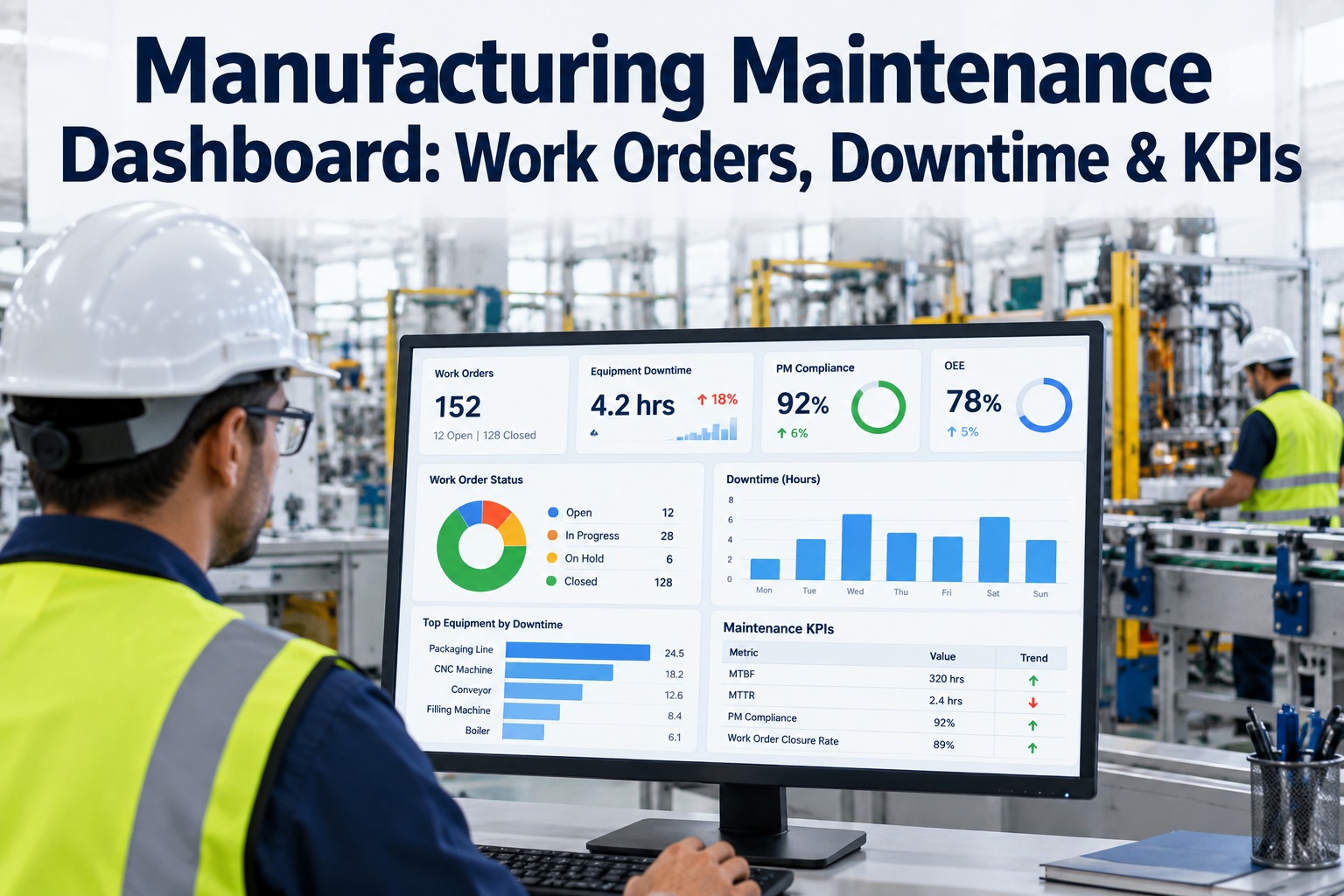
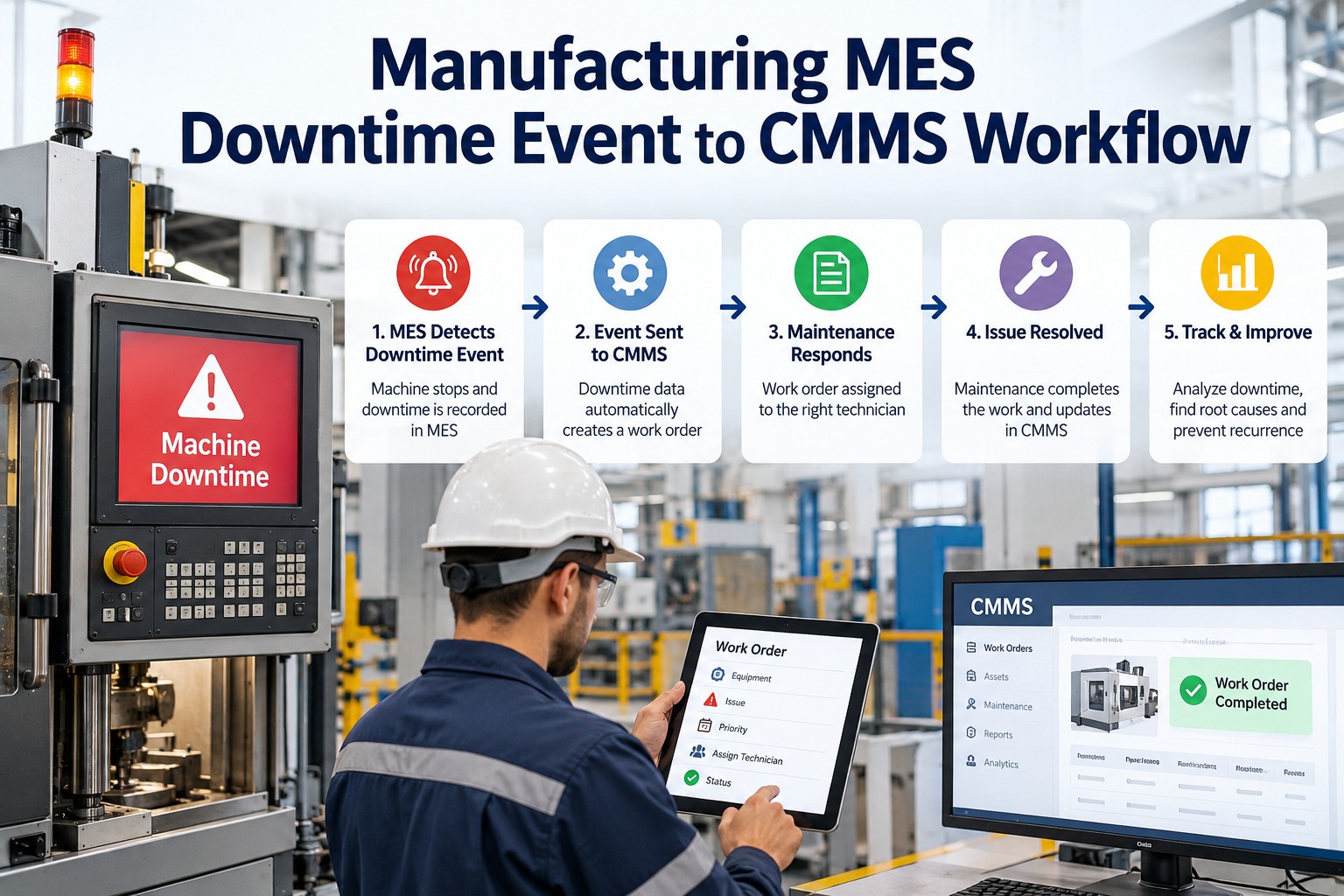
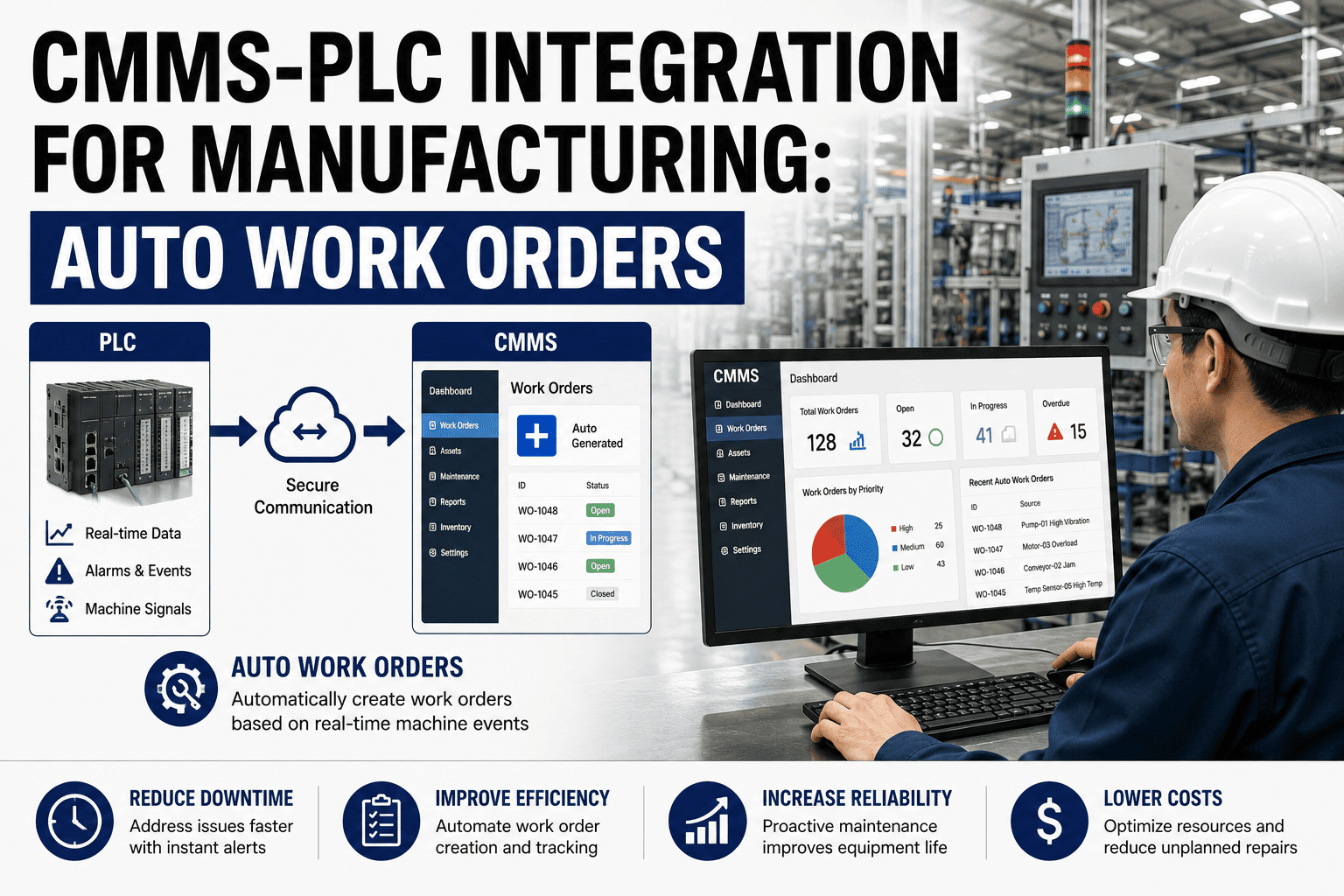
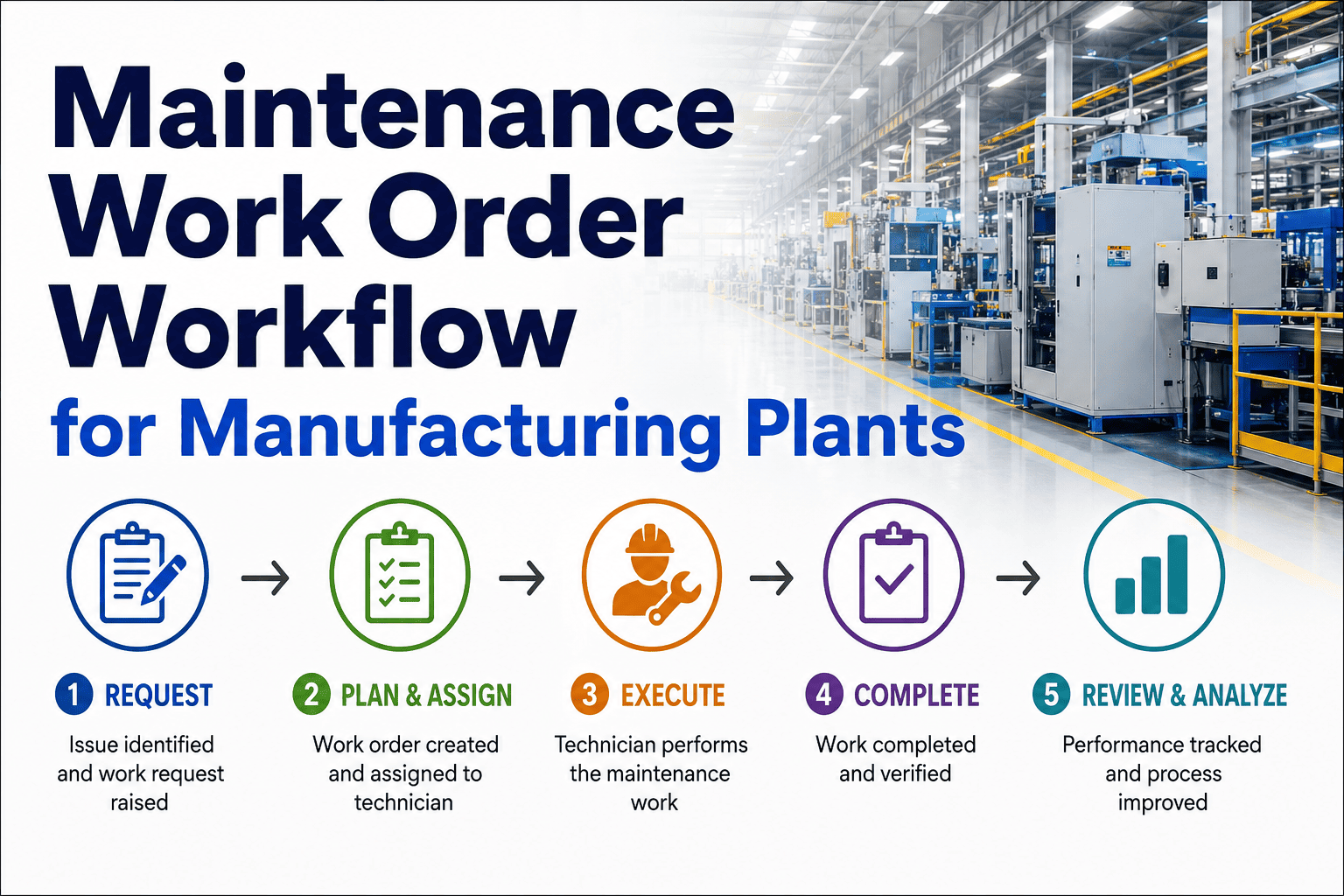
When a critical conveyor motor seizes or a packaging line loses power at 2 AM, every second of unplanned downtime drives measurable financial loss. For manufacturing plant managers and maintenance leaders, emergency maintenance response isn't just about fixing what broke — it's about executing a structured, repeatable process that minimizes production impact, protects technician safety, and captures failure data to prevent recurrence. Yet most facilities rely on fragmented response plans: a mix of tribal knowledge, paper checklists, and after-hours phone trees that break under pressure. This playbook provides a complete framework for building an emergency maintenance response system, from escalation protocols and team coordination to post-failure analysis and preventive conversion. Whether you're starting from scratch or formalizing existing procedures, implementing a digital CMMS like Sign Up Free transforms reactive chaos into controlled, data-driven emergency response.
Emergency Response · Maintenance Playbook · Downtime Recovery
Build Your Emergency Response System in Oxmaint
Create structured escalation workflows, automate emergency work orders, and track MTTR across every failure event — from a single mobile-first platform.
Emergency Response Definition
What Is Emergency Maintenance Response in Manufacturing?
Emergency maintenance response is the immediate, structured action taken when equipment failure threatens production continuity, personnel safety, or regulatory compliance. Unlike planned preventive work, emergency response operates under time pressure with incomplete information — making pre-defined protocols and real-time data access critical. Book a Demo to see how Oxmaint's CMMS centralizes emergency procedures and asset history for faster, safer response.
2-5x
Higher cost for unplanned vs. planned maintenance
$25k
Average hourly cost of unplanned manufacturing downtime
30%
Of maintenance budget consumed by emergency work
41%
Potential reduction in unscheduled incidents with proactive practices
The Response Gap
Why Most Manufacturing Emergency Response Plans Fail Under Pressure
Every plant has an emergency response plan on paper. But when an actual failure occurs, plans break down due to unavailable asset data, unclear escalation paths, and reliance on key individuals. Understanding these failure points is the first step toward building a resilient emergency maintenance system.
01
Inaccessible Asset History
Technicians arrive at a failed asset with no visibility into past repairs, recurring issues, or replacement parts used. Without historical context, diagnosis starts from zero, extending mean time to repair (MTTR) dramatically.
Impact: Extended downtime, repeated diagnostic steps
02
Unclear Escalation Protocols
When a critical failure occurs, teams waste valuable minutes determining who to call, who has authority to approve after-hours repair, and how to source emergency parts. Unclear roles delay response initiation and prolong downtime.
Impact: Delayed response, coordination failures
03
Missing Parts and Tooling
Emergency repairs often stall because critical spares aren't stocked or their location is unknown. Teams spend hours sourcing parts that should be available on-site, converting a two-hour repair into a two-day ordeal.
Impact: Extended downtime, emergency shipping costs
04
Manual Documentation Breakdown
Paper-based or disconnected digital logs create documentation gaps during emergencies. Technicians bypass paperwork to focus on repairs, resulting in lost failure data, incomplete compliance records, and missed root cause analysis opportunities.
Impact: Repeat failures, audit findings
05
Safety Protocol Gaps
Under time pressure, technicians may skip lockout/tagout procedures, PPE requirements, or confined space protocols. Rushed emergency repairs are statistically higher-risk for injuries and near-miss incidents.
Impact: Safety violations, personnel injuries
06
No Post-Failure Analysis
Once production restarts, most facilities don't conduct structured root cause analysis. Without documented failure investigation, the same failure repeats, creating a cycle of recurring emergency events.
Impact: Chronic failures, higher lifetime repair costs
Emergency Response Playbook
7-Step Emergency Maintenance Response Playbook for Manufacturing Plants
An effective emergency response system is built before the failure occurs. The following framework, implemented through a CMMS like Oxmaint, provides manufacturing teams with a repeatable process for every emergency event. Sign Up Free and configure your emergency response workflows inside Oxmaint's digital platform.
Step 01
Pre-Configure Asset Emergency Profiles
Before any failure occurs, define emergency data for every critical asset: MTBF targets, critical spare parts, emergency contact hierarchy, required safety procedures (LOTO, PPE), and maximum allowable downtime. Store all data in Oxmaint's centralized asset management system.
Step 02
Immediate Detection and Triage
When failure occurs, any team member — operator, supervisor, or technician — creates an emergency work order via Oxmaint's mobile app. Auto-fill asset ID, location, and failure symptoms. Priority is automatically set as 'emergency' triggering immediate notification to response teams.
Step 03
Automated Response Team Dispatch
Emergency work orders in Oxmaint trigger simultaneous notifications to designated response team members via mobile push, email, and SMS. Escalation logic ensures secondary call-out if primary contacts don't acknowledge within configured time limits.
Step 04
Mobile-First Diagnosis and Assessment
First responding technician scans asset QR code or pulls up asset profile in Oxmaint mobile app, accessing complete history: past failures, open work orders, OEM manuals, and diagnostic procedures. Technician logs real-time assessment photos, meter readings, and initial repair estimate.
Step 05
Parts Verification and Staging
Technician checks emergency parts list against Oxmaint's inventory module — confirming stock availability, storage location, and any outstanding purchase orders. For stocked parts, technician stages components before beginning repair, eliminating mid-job parts delays.
Step 06
Repair Execution with Safety Verification
Technician completes required safety checklists within Oxmaint before beginning repair — confirming LOTO application, PPE compliance, and permit requirements. Step-by-step procedures guide repair, with mobile documentation of parts used, labor hours, and completion photos.
Step 07
Post-Failure Analysis and Preventive Conversion
Within 72 hours of restoration, complete Root Cause Analysis (RCA) directly in Oxmaint. Document failure mechanism, contributing factors, and corrective actions. Convert findings into preventive maintenance tasks, condition monitoring triggers, or capital replacement recommendations to prevent recurrence.
CMMS-Enabled Emergency Response
How Oxmaint Transforms Emergency Maintenance from Chaos to Controlled Process
Emergency response without a CMMS is reactive firefighting — disconnected phone calls, manual logs, and lost data. A structured CMMS like Oxmaint provides the digital infrastructure that makes every emergency response faster, safer, and documented. Book a Demo to see how manufacturing teams use Oxmaint to cut emergency response times by 40% or more.
| Emergency Response Phase |
Traditional Approach (No CMMS) |
Oxmaint-Enabled Approach |
Outcome Difference |
| Detection and Notification |
Operator calls supervisor who calls technician; voicemail delays; unclear who's responding |
Operator scans asset QR code; Oxmaint auto-creates emergency WO with push notifications to designated responders |
Notification time: 15-30 min → under 1 min |
| Diagnosis and Assessment |
Technician drives to office for prints/manuals; calls senior techs with questions |
Technician accesses full asset history, manuals, diagnostics on mobile from failure point |
Diagnosis time: 60-90 min → 10-15 min |
| Parts Verification |
Technician checks storeroom physically; discovers part not stocked; emergency order placed |
Technician checks real-time inventory on mobile; sees part location and quantity; stages before repair |
Parts delay: 2-8 hours → 0 minutes if stocked |
| Safety Compliance |
Paper LOTO logs often bypassed under time pressure; no verification |
Digital LOTO verification and PPE checklists required before repair begins |
Safety compliance: unreliable → 100% documented |
| Repair Documentation |
Technician scribbles notes on paper; data entry later incomplete or lost |
Technician logs parts, labor, photos in real-time via mobile app |
Data capture: partial/missing → complete, timestamped |
| Post-Failure Analysis |
No structured RCA; repeat failures go undocumented; no preventive conversion |
Built-in RCA templates; direct conversion of findings to PM tasks |
Failure recurrence: high → measurable reduction |
Business Impact
Operational and Financial Impact of Structured Emergency Response
Emergency maintenance response isn't just an operational process — it's a financial lever. Manufacturing facilities that implement structured emergency response systems with digital CMMS platforms consistently reduce unplanned downtime, extend asset life, and lower total maintenance costs. Sign Up Free and calculate your facility's potential savings with Oxmaint's emergency response analytics.
Mean Time to Repair (MTTR) Reduction
Baseline MTTR - New MTTR × Failures per Month × Hourly Downtime Cost
Mobile access to asset history, parts inventory, and procedures eliminates diagnostic delays and parts hunting. Facilities using CMMS for emergency response report MTTR reductions of 30-50%, directly reducing downtime costs per failure.
Emergency Maintenance Ratio (EMR) Improvement
(Emergency WO Hours ÷ Total WO Hours) × 100
Best-in-class facilities maintain EMR below 10%. Structured response captures failure data for root cause analysis, converting recurring emergencies into preventive tasks. Each percentage point reduction in EMR lowers total maintenance costs by 2-5%.
Parts Carrying Cost Reduction
Emergency Parts Spend Reduction + Obsolescence Avoidance
Real-time parts visibility during emergencies prevents unnecessary emergency orders and duplicate stocking. Facilities using CMMS inventory management reduce emergency parts spend by 25-40% while improving parts availability for true emergencies.
Safety Incident Reduction
Baseline Emergency-Related Safety Events - New Events × Average Incident Cost
Digital safety verification (LOTO, PPE checklists) required before repair authorization reduces bypassed protocols under time pressure. Facilities report 40-60% reduction in emergency-response-related safety near-misses.
Emergency Response · Downtime Reduction · CMMS
Build Your Emergency Response Playbook in Oxmaint
Configure escalation workflows, automate emergency work order creation, and track every failure from detection to root cause analysis — in one mobile-first platform.
Emergency Response FAQs
Emergency Maintenance Response — Answers for Plant Managers and Maintenance Leaders
What is the difference between emergency maintenance and reactive maintenance?
Emergency maintenance is a subset of reactive maintenance requiring immediate response due to safety risk, production stoppage, or compliance threat. Reactive maintenance includes lower-priority unplanned work that can be scheduled within days without urgent escalation.
How do I determine which assets require emergency response plans?
Conduct criticality analysis based on production impact, repair cost, safety risk, and replacement lead time. High-criticality assets (single points of failure on primary production lines) require detailed emergency plans; low-criticality assets may follow standard response.
What should an emergency maintenance response plan include?
A complete plan includes: asset-specific procedures, required parts list with inventory locations, safety protocols (LOTO, PPE), contact hierarchy with escalation rules, and post-repair RCA requirements. All elements should be accessible via mobile at the point of failure.
How does a CMMS improve emergency response time?
CMMS reduces emergency response time through: instant work order creation with auto-prioritization, automated team dispatch with escalation logic, mobile access to asset history and procedures, real-time parts inventory verification, and digital safety documentation.
What is a good Emergency Maintenance Ratio (EMR) target?
Industry benchmark for mature operations is EMR below 10% of total maintenance hours. Plants transitioning from reactive to proactive maintenance typically start above 25% and reduce EMR by 3-5% quarterly through structured preventive conversion.
How often should emergency response plans be reviewed and tested?
Review emergency plans quarterly for high-criticality assets and annually for all other assets requiring plans. Conduct live drills semi-annually for catastrophic scenarios (major power loss, hazardous material release). Update plans immediately after any plan failure during actual emergency.
What metrics should I track for emergency maintenance effectiveness?
Core metrics include: Mean Time to Repair (MTTR) by asset, Emergency Maintenance Ratio (EMR), emergency parts fill rate, safety compliance rate during emergencies, and failure recurrence rate after post-event corrective actions.
How do I convert recurring emergencies into preventive tasks?
Each emergency requires structured root cause analysis. When the same failure occurs three or more times, create a preventive task addressing the root cause — component replacement, calibration, or operator training. Schedule tasks in CMMS to prevent recurrence before failure pattern repeats.
Emergency Response · Maintenance Playbook · CMMS Implementation
Implement Your Emergency Response Playbook Today
Stop managing emergencies with phone calls and paper logs. Deploy structured emergency response workflows in Oxmaint and start reducing MTTR, improving safety, and preventing failure recurrence — starting with your next breakdown.