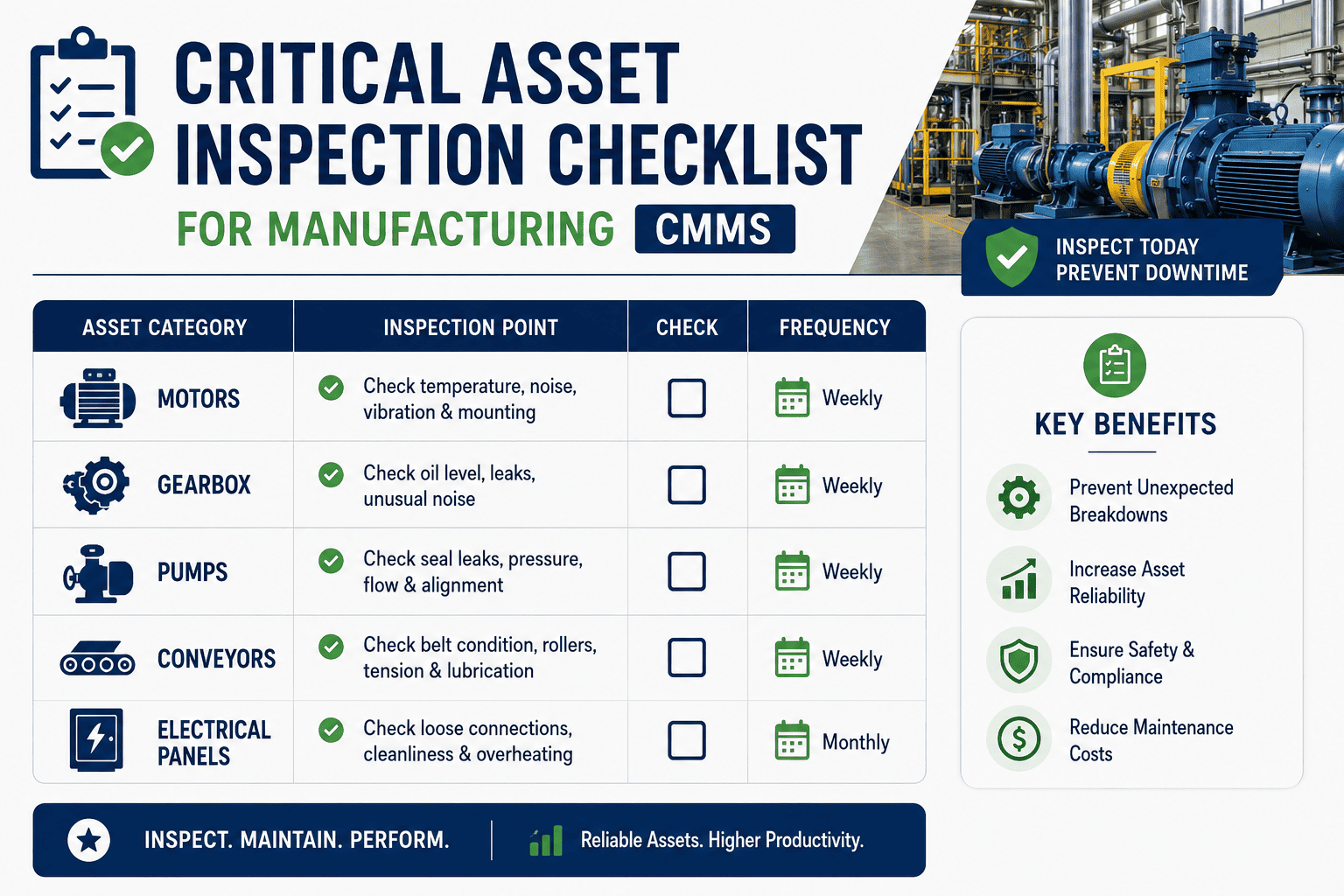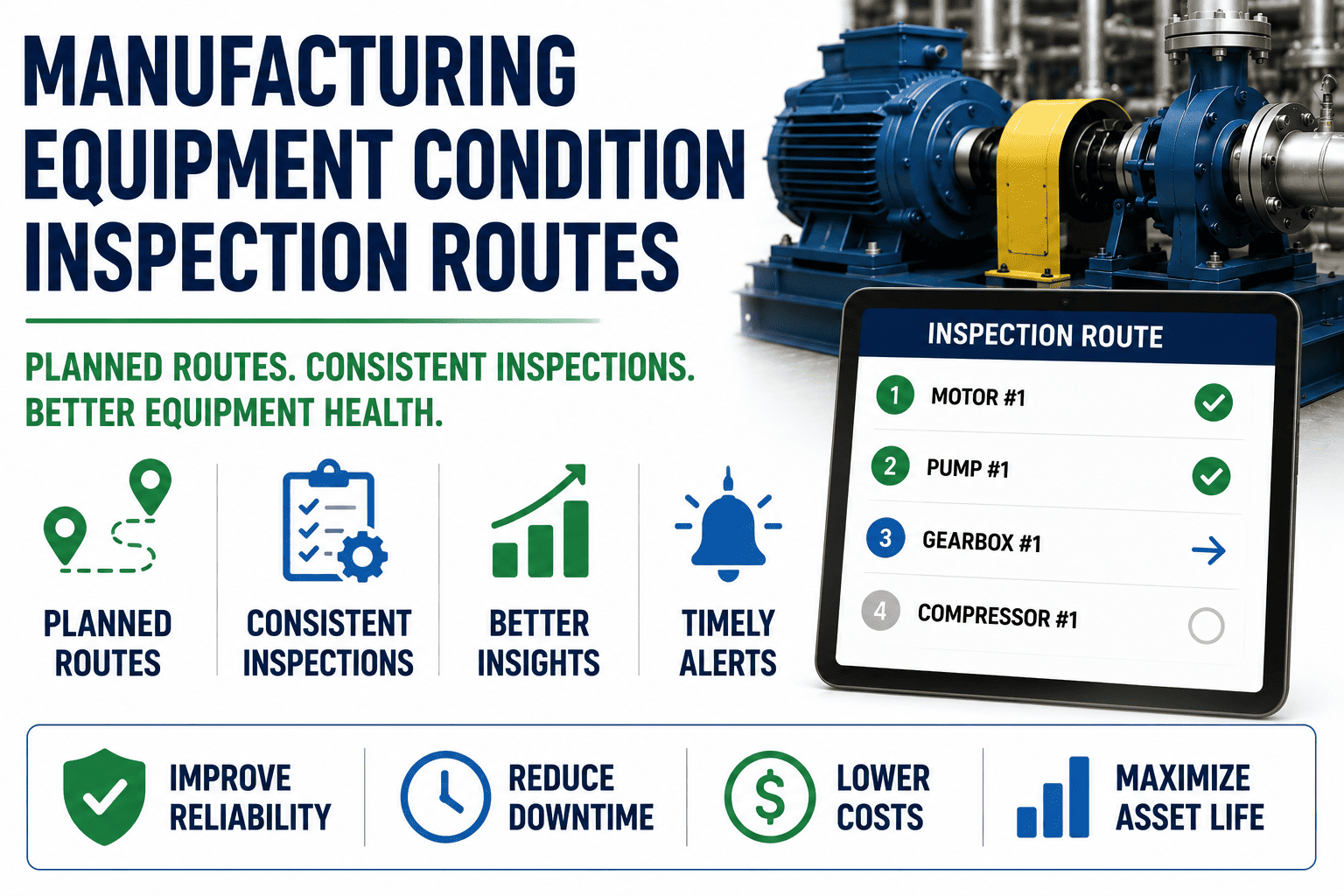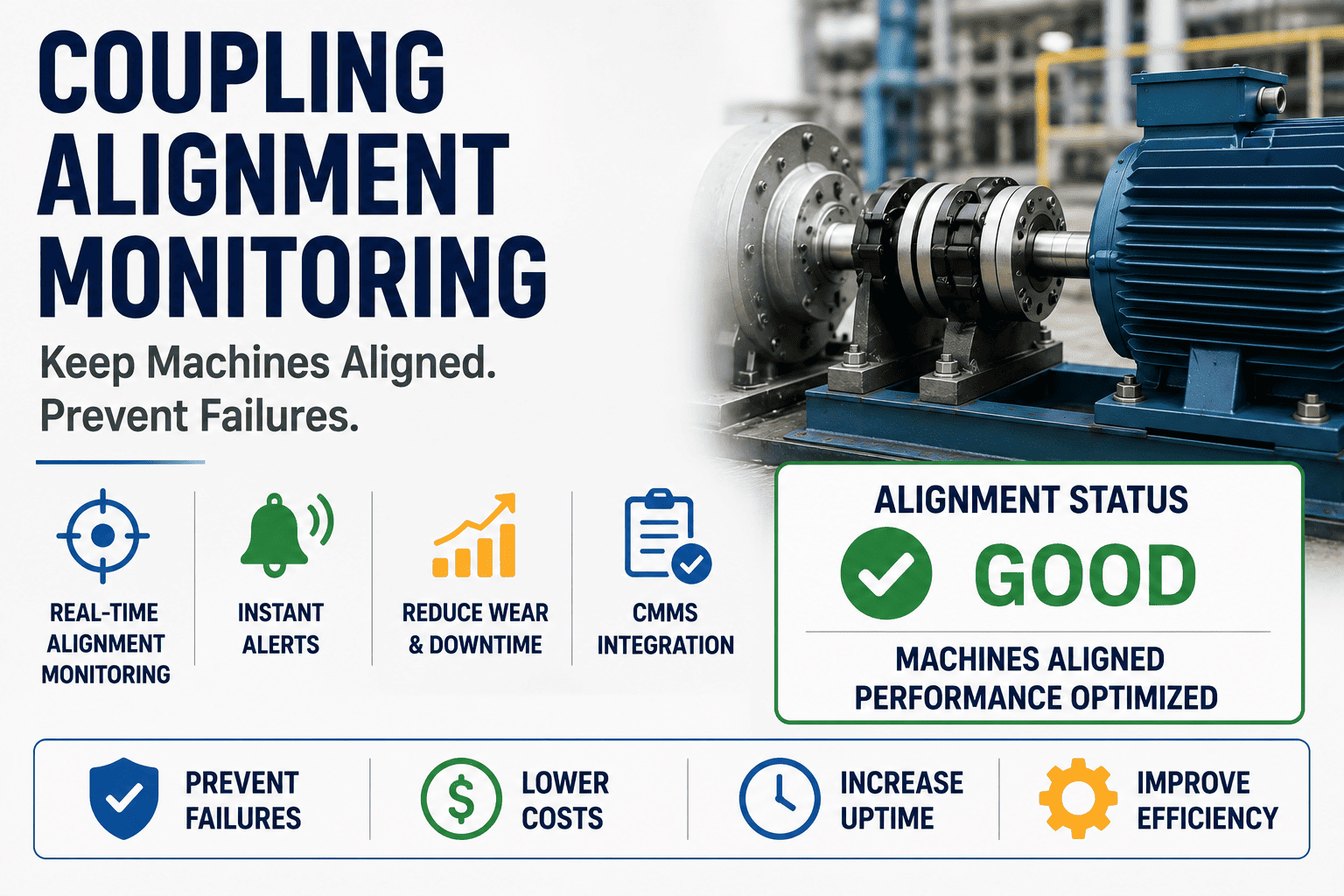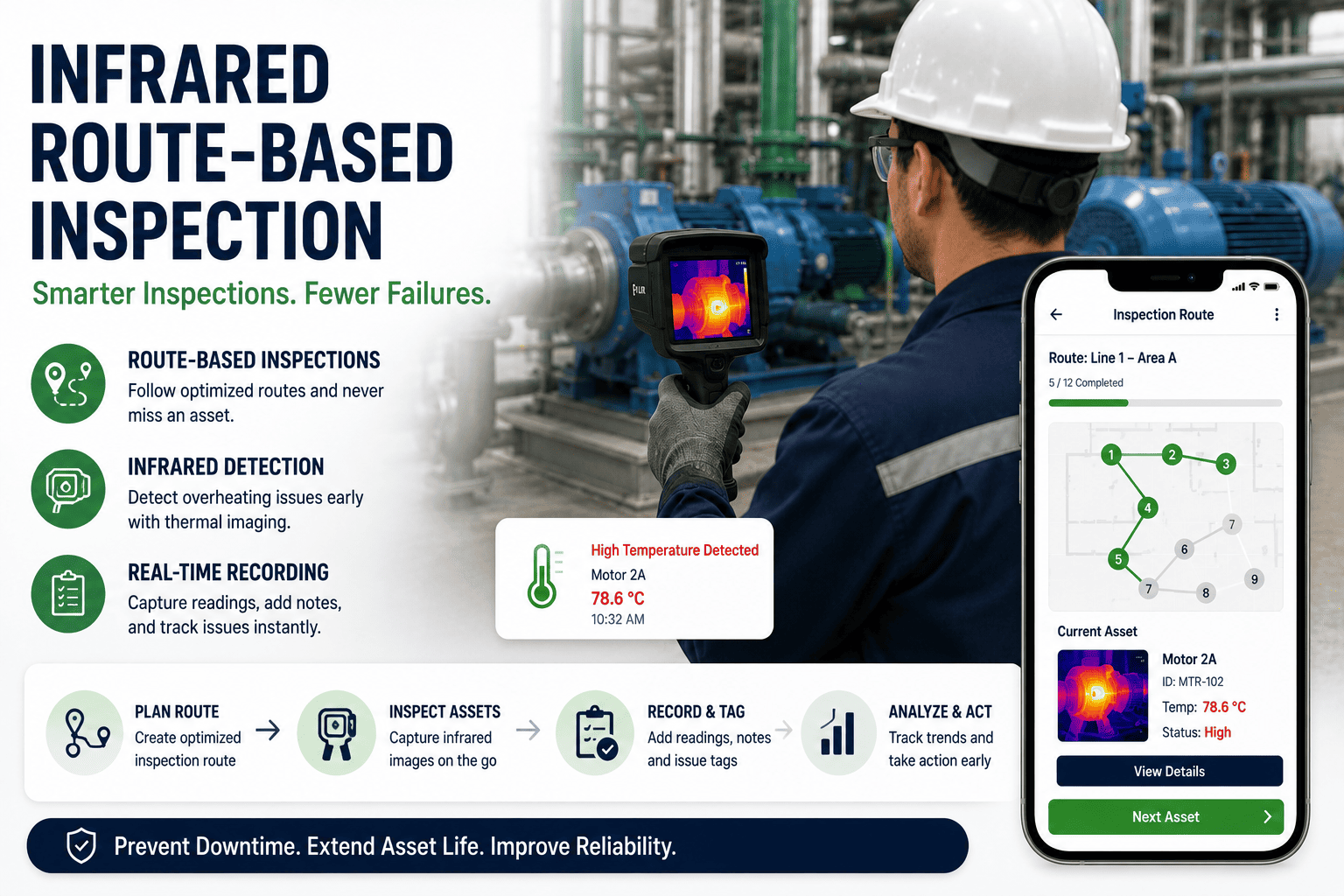
Flexible coupling maintenance in manufacturing plants is the difference between a drive train that runs 8,000 hours uninterrupted and one that seizes, leaks grease, and cascades into an unplanned outage. This flexible coupling maintenance guide covers coupling type selection, alignment tolerances, elastomer inspection, grid coupling grease intervals, spacer coupling checks, and how to schedule coupling inspection in your CMMS as part of every driven-equipment PM. By following a structured flexible coupling PM program, plants typically cut coupling-related downtime by 30–50% and extend elastomer life from 18 months to 3+ years. Ready to digitize your coupling maintenance schedule? Start Free Trial with OxMaint today.
Is a Worn Elastomer or Misaligned Shaft Quietly Draining Your Plant's OEE?
Over 60% of unplanned downtime on rotating equipment traces back to coupling, alignment, or bearing failures that a structured coupling inspection would have caught weeks early. OxMaint turns your flexible coupling maintenance into a scheduled, traceable, predictive workflow — not a breakdown waiting to happen.
Flexible Coupling Inspection Checklist for Every Driven-Equipment PM
A complete coupling inspection takes 15–25 minutes per asset when standardized. Use this tiered checklist during every driven-equipment PM to catch element fatigue, grease degradation, and hidden misalignment before they destroy bearings and seals.
Visual & Element Inspection
- Inspect elastomeric elements for cracking, hardening, swelling, or chemical degradation
- Check rubber spider / jaw coupling sleeves for compression set and lost preload
- Look for discolored, powdered, or missing elastomer chunks between jaws
- Examine disc pack couplings for stress cracks, rust streaks, and galling at bolt holes
Misalignment & Torque Check
- Verify angular alignment within 0.05 mm per 100 mm of coupling diameter
- Verify parallel (offset) misalignment ≤ 0.08 mm for high-speed drives
- Confirm torque capacity matches nameplate rating after thermal growth correction
- Re-check dial indicator or laser alignment readings after coupling reassembly
Lubrication & Wear Assessment
- Repack grid coupling grooves with specified NLGI #2 coupling grease every 6 months
- Inspect grid spring segments for fatigue, corrosion, and loss of temper color
- Check gear coupling teeth for fretting, galling, and uneven wear patterns
- Replace split spacer-coupling seals and O-rings if grease is migrating or drying
| Coupling Type | Key PM Action | Inspection Interval | Failure Warning Signs |
|---|---|---|---|
| Elastomeric Jaw | Replace spider element | 6–12 months | Cracking, compression set, lost preload |
| Grid Spring | Degrease, inspect grid, repack | 3–6 months | Loose grid rattling, dried grease, pitting |
| Disc Pack / Metallic | Dye-penetrant crack check | 12 months | Rust streaks, fatigue cracks at bolt holes |
| Gear / Spacer | Grease replenishment, seal replace | 3–6 months | Grease leak, tooth fretting, end float |
How to Build a Flexible Coupling PM Schedule in Your CMMS
A manufacturing coupling PM schedule should mirror the duty cycle of the driven equipment. Pumps, fans, compressors, and conveyors each demand different coupling maintenance intervals — and a CMMS like OxMaint automates the triggers so nothing slips.
Walk-Down & Sensory Inspection
Operators note unusual vibration, heat at the coupling guard, grease trails, or audible knocking on high-speed drive trains. Log findings in OxMaint as a non-intrusive checklist on the operator rounds.
Vibration Trend & Thermal Scan
Technicians capture 1X and 2X vibration amplitudes at both inboard bearings. A rising 2X peak flags angular misalignment; a rising 1X peak points to parallel offset. Thermal imaging of the coupling confirms friction-induced heat.
Lubrication & Element Inspection
Open grid and gear couplings, clean old grease, inspect teeth and grid springs for wear, and repack with the correct NLGI grade. For elastomeric couplings, pull the spider and check for compression set beyond 0.5 mm.
Full Alignment & Torque Capacity Check
Perform a precision laser or reverse-dial alignment after thermal-growth correction. Confirm bolt torque to spec, replace all elastomeric elements proactively, and document baseline readings in the CMMS for next-year comparison.
The Cost of Skipping Coupling PM: A Worked Example
Reactive Maintenance Scenario
$48,000
ANNUAL COUPLING FAILURE COST
A 180-asset plant running jaw and grid couplings on pumps and fans with no formal PM schedule experiences 4–5 coupling failures per year. Each event averages 6 hours of downtime at $1,800/hour plus $1,200 in emergency parts and labor — totaling roughly $48,000 annually, plus scrap and late-delivery penalties.
Structured CMMS PM Scenario
$11,200
ANNUAL COST WITH OXMAINT
After deploying OxMaint CMMS coupling PM, the same plant schedules quarterly inspections, annual element replacements, and laser alignment checks. Failures drop to 1 minor event per year. Spare elastomers and grease are pre-staged via inventory triggers. Net annual cost falls to ~$11,200 — a 77% reduction with payback in under 3 months.
How OxMaint Digitizes Flexible Coupling PM
Spreadsheets and wall calendars do not trigger work orders, stage parts, or capture vibration trends. OxMaint turns your flexible coupling guide into an automated, auditable, AI-enhanced maintenance workflow.
Automated PM Scheduling
Auto-generate coupling inspection work orders based on runtime hours, calendar intervals, or condition triggers. OxMaint ensures every driven-equipment PM includes its coupling checklist — nothing falls through the cracks.
Outcome: Eliminate 100% of missed coupling PM intervals and cut unplanned downtime 30–50%.
Predictive Analytics & Condition Monitoring
Ingest vibration, temperature, and oil data from your sensors. OxMaint's AI flags rising 2X vibration or thermal anomalies on specific couplings and predicts elastomer fatigue or misalignment before failure occurs.
Outcome: Catch coupling failures 2–6 weeks early and shift from reactive to predictive maintenance.
Spare Parts Inventory Triggers
Link each coupling's BOM to its PM template. When a work order fires, OxMaint auto-reserves the correct elastomer kit, grid spring, or grease cartridge and alerts storeroom staff if stock falls below the reorder point.
Outcome: Cut parts search time by 80% and eliminate emergency expedited shipping fees.
Mobile Work Orders & Audit Trail
Technicians complete digital coupling checklists on mobile devices at the asset, capturing photos, alignment readings, and torque values. Every record is timestamped and stored for ISO 55000 and audit compliance.
Outcome: Replace all paper work orders and achieve 100% PM documentation compliance.
Stop Reacting to Coupling Failures — Start Predicting Them
See how OxMaint CMMS automates your flexible coupling maintenance schedule, stages spare elastomers, and catches misalignment before it destroys your bearings.
Frequently Asked Questions About Coupling Maintenance
How often should flexible couplings be inspected in a manufacturing plant?
Most flexible couplings in continuous-duty manufacturing service need a visual and sensory inspection monthly, a lubrication and element inspection quarterly, and a full precision alignment and torque capacity check annually. High-speed or critical-path couplings may require monthly vibration trend analysis. OxMaint CMMS auto-triggers each interval so no coupling PM is ever missed — book a demo to see the scheduling engine in action.
What are the common signs of coupling wear and impending failure?
Early warning signs include rising 2X vibration amplitudes (angular misalignment) or 1X peaks (parallel offset), excessive heat at the coupling guard, audible rattling or knocking, grease leakage from gear or grid couplings, and visible cracking or compression set in elastomeric spider elements. Catching these symptoms during a scheduled coupling inspection typically prevents 60–70% of unplanned drive-train failures.
Should coupling PM be part of the driven-equipment maintenance schedule?
Yes — coupling maintenance should always be embedded in the driven-equipment PM. When you service a pump, fan, or compressor, the coupling is the critical link that transmits torque and absorbs misalignment. Including the coupling checklist in the same work order ensures alignment is re-verified after any rotor or bearing replacement, preventing post-maintenance failures caused by reassembly misalignment.
What alignment tolerances should I use for flexible coupling inspection?
For most general-purpose flexible couplings, target angular misalignment of ≤ 0.05 mm per 100 mm of coupling diameter and parallel offset of ≤ 0.08 mm. High-speed or precision applications may require tolerances as tight as 0.02 mm. Always account for thermal growth when hot-aligning, and document baseline readings in your CMMS so technicians can compare historical trends year over year.
How does a CMMS improve flexible coupling maintenance?
A CMMS like OxMaint automates PM triggers based on runtime or calendar intervals, attaches coupling-specific checklists and BOMs to each work order, stages spare elastomers and grease via inventory triggers, and stores every alignment reading and photo for audit compliance. Plants typically cut coupling-related downtime 30–50% and extend element life by 50–100% — start your free trial to digitize your coupling PM today.
Digitize Your Flexible Coupling PM in Days, Not Months
Join manufacturing plants using OxMaint to automate coupling inspections, predict failures, and eliminate reactive maintenance. Start free or book a personalized demo on your assets.
Free 14-day trial · No credit card