Manufacturing operations in 2026 face a defining inflection point: legacy maintenance software built for scheduled inspections and paper-based work orders is colliding with a factory floor transformed by connected sensors, machine learning, and real-time data streams. The next generation of CMMS platforms is no longer a digital filing cabinet — it's an intelligent operations layer that predicts failures before they happen, auto-generates work orders from sensor thresholds, and connects every asset to a unified maintenance intelligence network. Facilities that delay this transition risk compounding inefficiencies: reactive repair costs averaging 3× planned maintenance spend, aging asset registries disconnected from live condition data, and compliance gaps that expose operations to audit risk. The question is no longer whether to modernize your CMMS — it's which capabilities to prioritize first. Sign Up Free to start your CMMS modernization with Oxmaint, or Book a Demo to see AI-assisted maintenance in action.
The Future of Maintenance Is Already Here
Oxmaint delivers AI-powered work orders, IoT sensor integration, and predictive analytics — built for manufacturing operations in 2026 and beyond.
Five Shifts Redefining What a CMMS Must Do in 2026
The capabilities expected of maintenance software have expanded far beyond work order management. These five converging trends are reshaping what operations teams demand — and what next-generation CMMS platforms must deliver.
AI-Assisted Work Order Generation
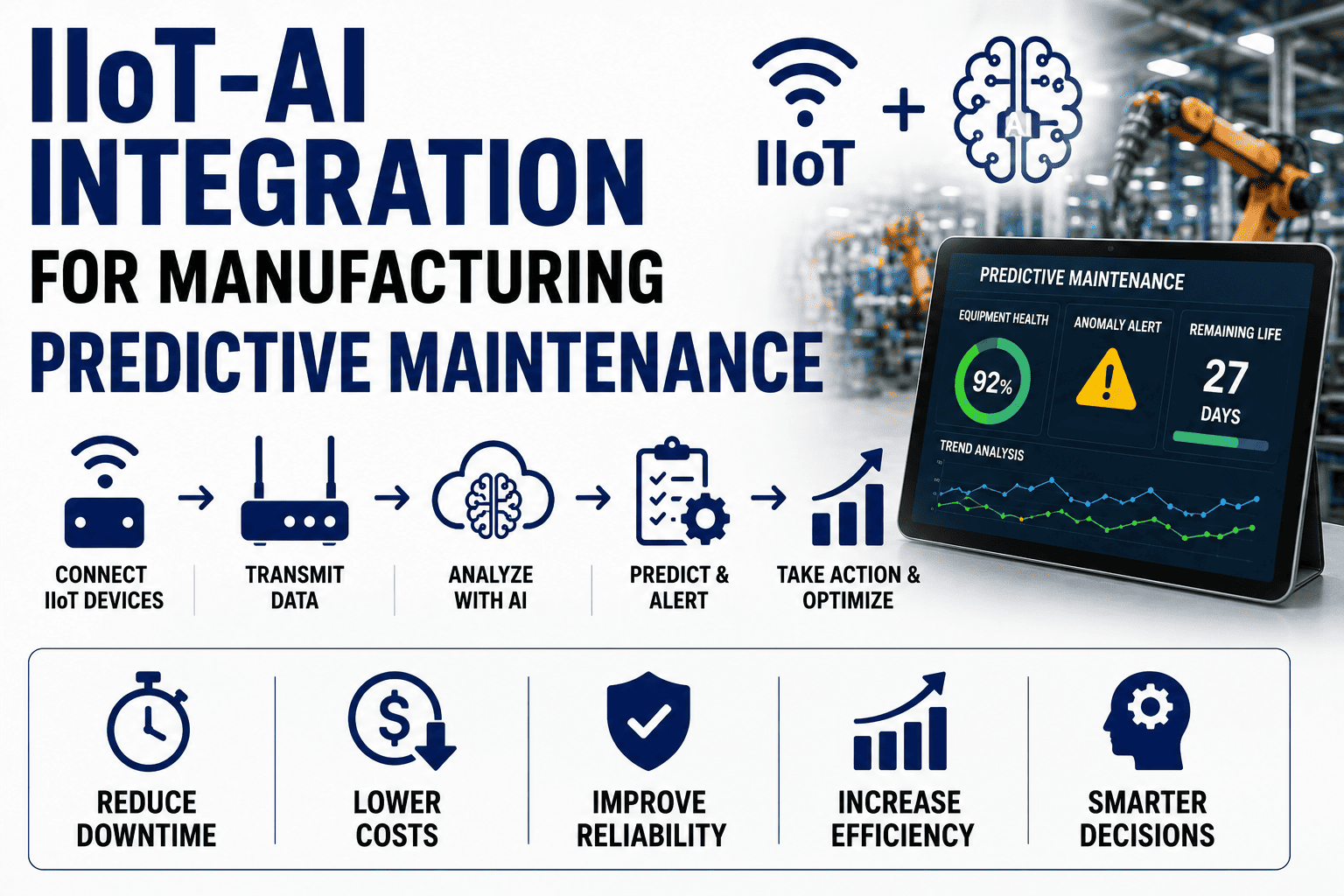
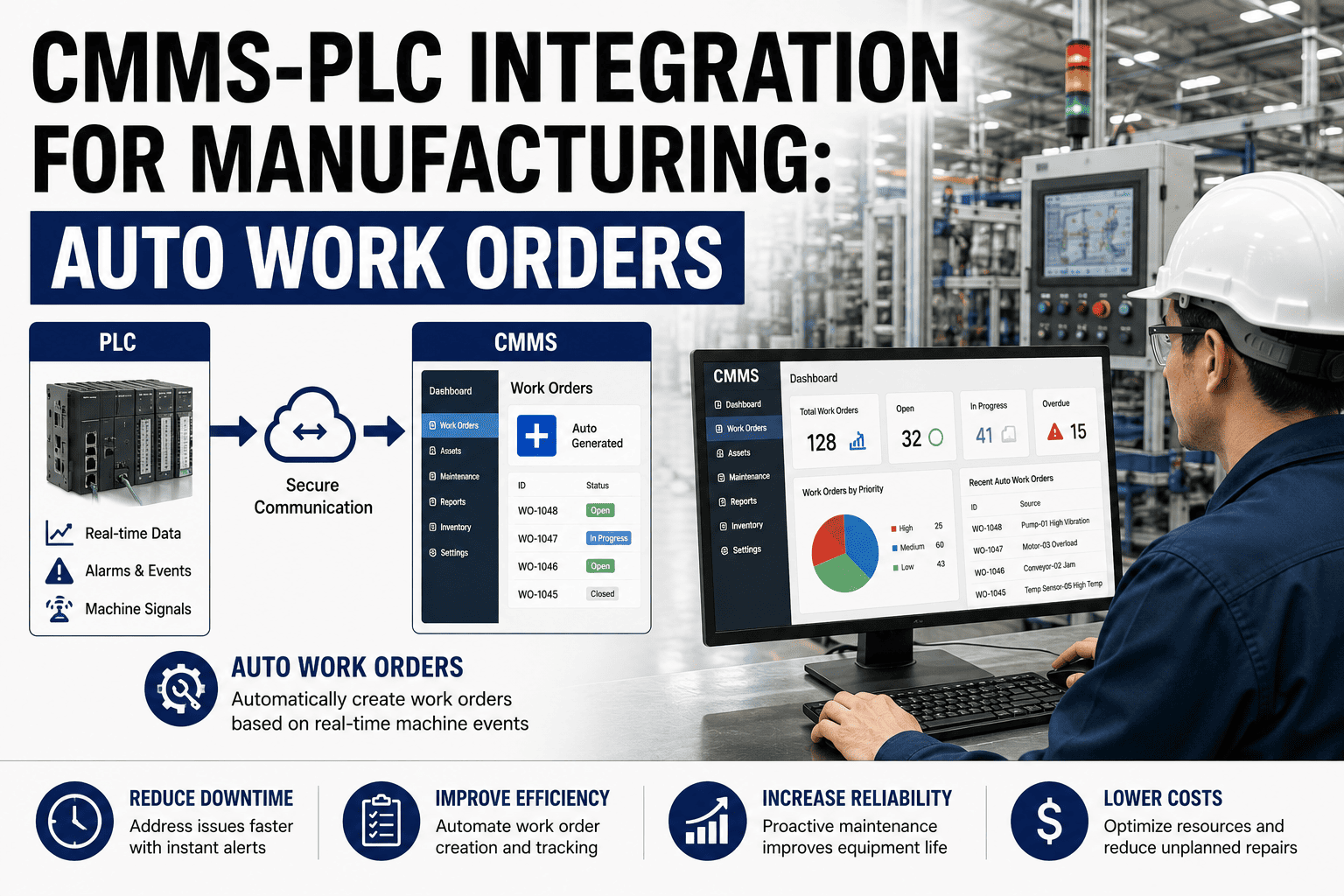
Machine learning models trained on historical failure data automatically create, prioritize, and assign work orders when sensor readings deviate from established baselines — eliminating manual triage and response lag.
IoT Sensor Integration at Scale
Modern CMMS platforms connect directly to vibration, temperature, pressure, and current sensors across hundreds of assets — creating continuous condition streams that trigger maintenance actions without human intervention.
Predictive Analytics Replacing Time-Based PM
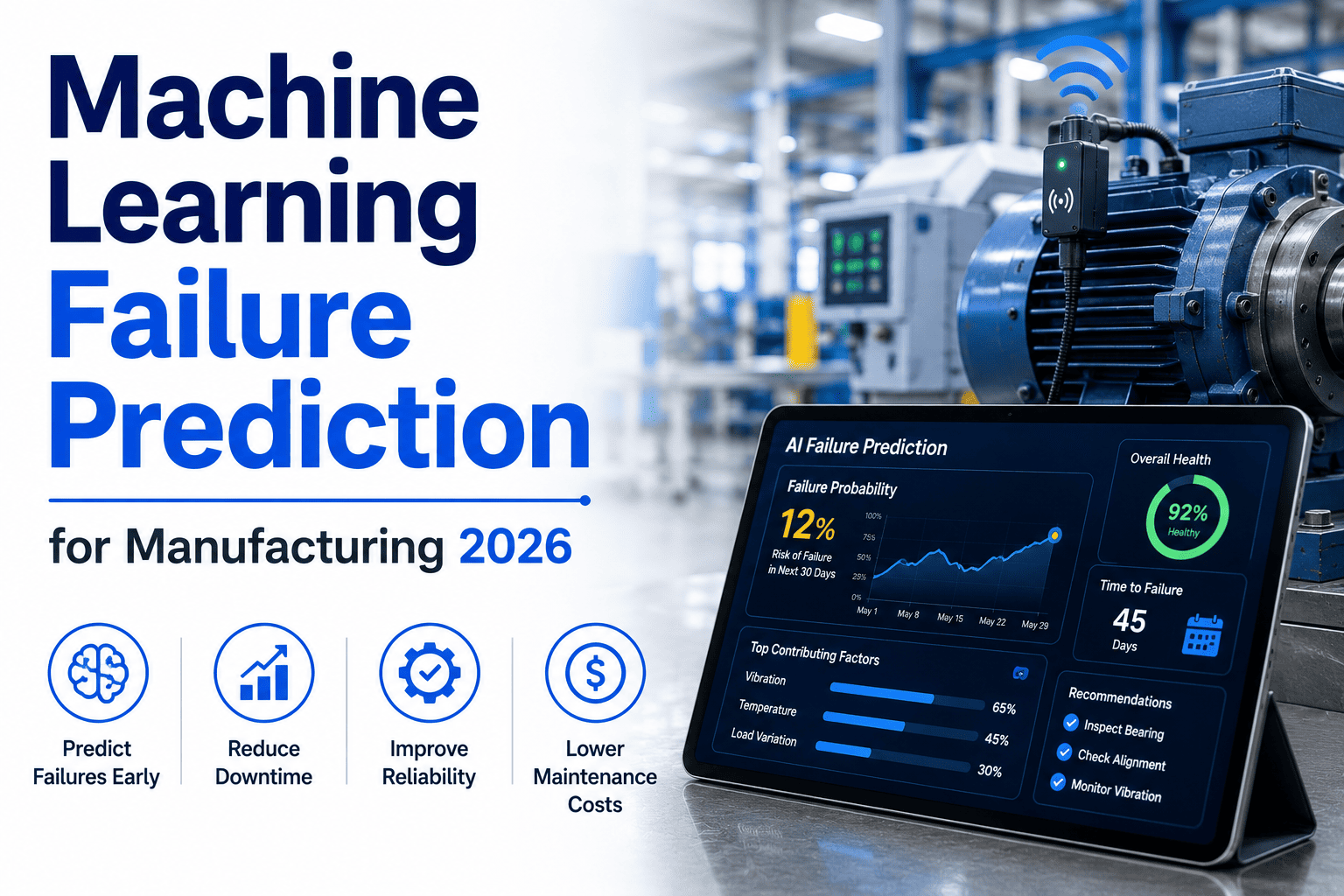
Condition-based maintenance driven by real data replaces calendar-based preventive schedules — eliminating both premature replacements and run-to-failure events that destroy equipment and production throughput.
Digital Twin Integration
Asset digital twins sync live operational data with 3D models and historical maintenance records, giving technicians a complete picture of equipment health before they touch a wrench — reducing diagnostic time and repair errors.
Mobile-First Technician Experience
Next-gen CMMS delivers work instructions, asset history, parts availability, and inspection checklists directly to technician mobile devices — eliminating paper-based processes and closing the data capture loop in real time.
Automated Compliance & Audit Trails
Regulatory compliance documentation — ISO 55001, FDA 21 CFR Part 11, OSHA maintenance records — is generated automatically from completed work orders, removing manual reporting burdens and audit preparation delays.
How Oxmaint Delivers Next-Generation CMMS Capabilities Today
Purpose-built for industrial manufacturing, Oxmaint integrates predictive analytics, IoT connectivity, and AI-assisted workflows into a single platform that maintenance teams and plant directors can deploy without IT complexity.
| Capability | Traditional CMMS | Oxmaint 2026 | Operational Impact |
|---|---|---|---|
| Work Order Creation | Manual entry by planner | Auto-generated from sensor alerts | Zero response lag on threshold breach |
| Failure Prediction | Calendar-based schedules | ML models on live sensor data | 2–8 weeks advance failure warning |
| Asset Monitoring | Manual inspection routes | Continuous IoT sensor streams | 24/7 condition visibility |
| Compliance Reporting | Manual document assembly | Auto-generated from work orders | Audit-ready at any time |
| Technician Access | Desktop or paper-based | Native mobile with offline mode | Real-time field data capture |
| Parts Management | Manual inventory checks | AI-driven reorder suggestions | Eliminate emergency procurement |
Phased Approach to AI and IoT-Enabled CMMS Adoption
Successful CMMS modernization follows a structured progression — building capability layer by layer without disrupting live production. Book a Demo to walk through Oxmaint's deployment framework for your facility.
Digital Foundation — Asset Registry & Work Order Digitization
Migrate asset records, PM schedules, and work history into Oxmaint. Configure mobile access for technicians. Establish baseline KPIs: MTTR, MTBF, planned vs. unplanned ratio.
Sensor Integration — IoT Connectivity on Critical Assets
Connect vibration, temperature, and current sensors on highest-criticality equipment. Configure alert thresholds and auto work order triggers. Begin accumulating condition data for ML model training.
Predictive Intelligence — AI Models & Full PdM Program
Activate predictive analytics on trained asset datasets. Shift from preventive to condition-based schedules. Integrate PdM alerts with production planning for coordinated downtime windows. Sign Up Free to start Phase 1 today.
CMMS AI Integration Across Manufacturing Sectors
Assembly & Fabrication Plants
AI work orders triggered by CNC machine vibration anomalies. Automated tooling replacement scheduling based on cycle count and wear analytics.
Chemical & Refining Operations
IoT pressure and temperature monitoring across reactor systems. Predictive corrosion alerts from ultrasonic thickness readings integrated into Oxmaint work flows.
Production Line Reliability
Sanitation compliance checklists auto-assigned from CMMS scheduler. Predictive motor monitoring on filling and packaging lines reduces unplanned stoppages.
Critical Infrastructure Maintenance
HVAC, electrical, and water system asset monitoring through sensor integration. Book a Demo to see Oxmaint's facilities management configuration.
Deploy AI, IoT, and Predictive Analytics in Your Plant
Oxmaint connects your sensor infrastructure, automates work order generation, and delivers predictive failure alerts — all from one platform. No long implementation cycles. No IT dependency.
CMMS AI and IoT Integration: Common Questions
The Next-Generation CMMS Your Operations Deserve
AI-powered work orders. IoT sensor integration. Predictive failure alerts. Automated compliance. Oxmaint delivers the full future-of-CMMS stack — starting with a free trial, no credit card required.