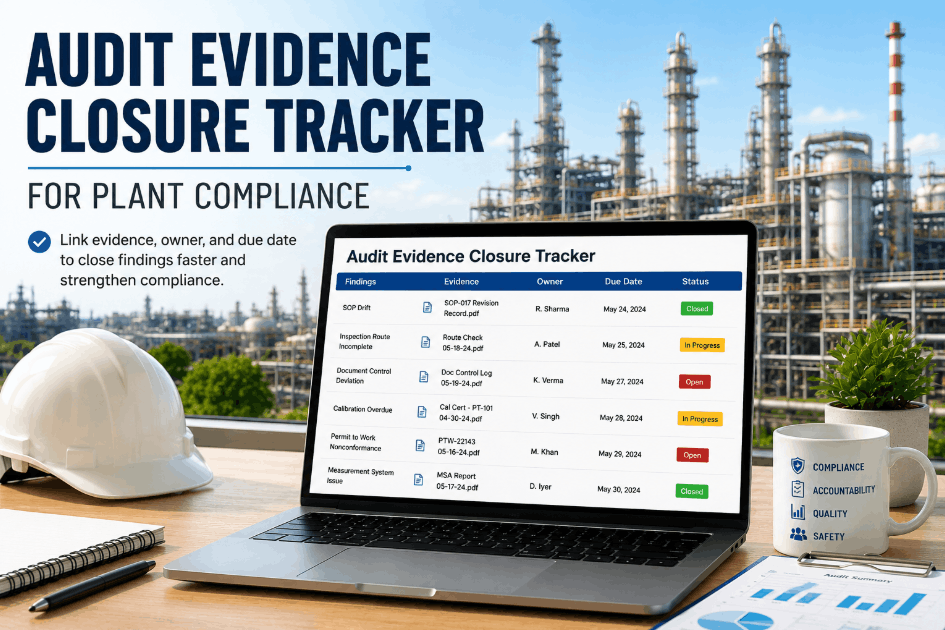
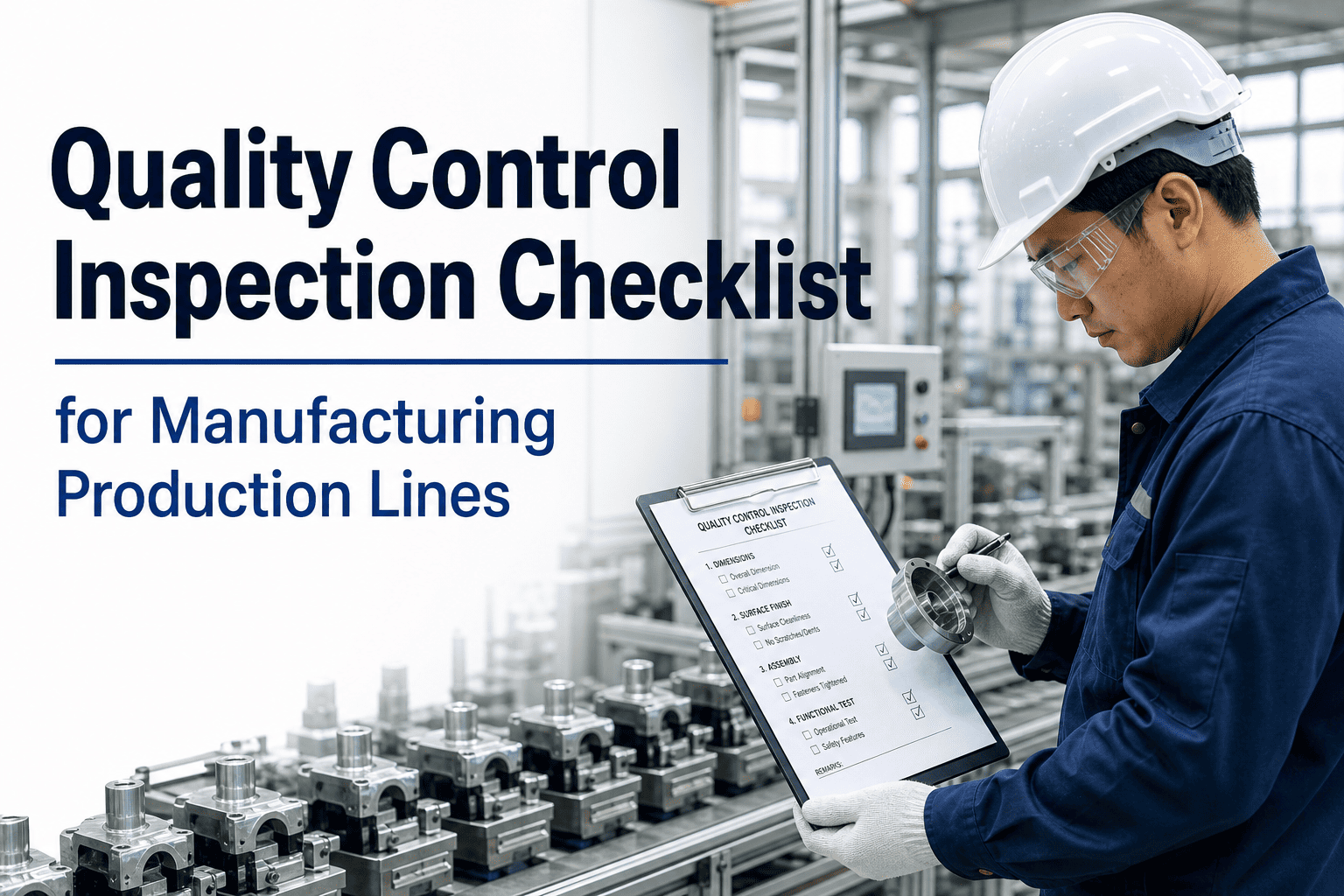
Inspection route coverage review for safety leaders is the systematic evaluation process that identifies which areas, assets, and systems are being inspected with appropriate frequency — and which are being missed, under-inspected, or overlooked due to route gaps, scheduling drift, or field verification failures. For safety leaders managing plant operations, route coverage gaps are not administrative inconveniences — they are the preconditions for incidents, regulatory findings, and compliance failures that occur precisely because the inspection program was not monitoring the right locations at the right intervals. Sign Up Free to see how OxMaint helps safety leaders review inspection route coverage, verify field completion, and maintain the audit trail that demonstrates systematic safety oversight across every area of plant operations. Organizations that conduct regular inspection route coverage reviews — and close the gaps they identify — report measurably lower incident rates, stronger regulatory audit outcomes, and higher inspector accountability compared to those running routes on paper-based or memory-dependent systems.
Review Inspection Route Coverage with OxMaint
Route completion tracking. Field verification tools. Area coverage gap analysis. Digital audit trail. OxMaint gives safety leaders the oversight platform to confirm every inspection area is covered at the right frequency.
Why Inspection Route Coverage Gaps Persist in Plant Operations
Most inspection route coverage failures are invisible until a regulatory audit, an incident investigation, or an internal review exposes them. Routes that exist on paper may not reflect actual facility layouts, inspection frequencies that were appropriate at commissioning may no longer match current risk profiles, and field verification failures may never surface if inspectors can close routes without physical confirmation. Book a Demo to see how OxMaint's inspection management module provides real-time route completion visibility and field verification accountability for safety leaders.
Routes Not Updated After Facility Changes
New equipment installations, process area reconfigurations, and hazardous material relocations that are not reflected in inspection routes leave new safety-critical areas uncovered — creating exposure that accumulates undetected between formal route reviews.
Inspection Frequency Not Matched to Risk Profile
Inspection intervals set at commissioning that are not reviewed against current risk levels leave high-hazard areas checked at the same frequency as low-risk zones — misallocating inspection coverage and creating unmonitored risk windows between visits.
Field Verification Failures Not Visible to Safety Leaders
Paper-based or unverified digital inspection systems allow route completion to be recorded without physical field presence — making it impossible for safety leaders to distinguish genuine inspection coverage from administrative closure.
Route Completion Rates Not Tracked by Area
When inspection completion is tracked at the overall route level rather than per area or checkpoint, coverage gaps at specific locations are masked by high aggregate completion rates — concealing exactly the gaps most likely to appear in regulatory findings.
No Audit Trail for Regulatory Readiness
Safety inspection records maintained in paper logs, spreadsheets, or disconnected mobile apps cannot produce the timestamped, inspector-attributed, location-verified audit trail that regulatory bodies require to confirm systematic inspection coverage over time.
Inspector Accountability Not Enforced
Routes where completion can be marked without QR scan, GPS confirmation, or photo evidence allow systematic shortcutting that goes undetected until an incident or audit exposes the inspection record as unreliable.
Inspection Route Coverage Review — 6 Analytical Dimensions
A complete route coverage review evaluates six dimensions of inspection program performance — from physical area coverage through audit trail integrity. Sign Up Free to use OxMaint's inspection management and analytics modules to conduct and maintain ongoing route coverage reviews.
| Coverage Dimension |
What It Evaluates |
OxMaint Feature |
Compliance Indicator |
| Physical Area Coverage |
All required plant areas, assets, and systems included in active routes |
Route Builder + Asset Register |
Zero critical areas outside active route coverage |
| Inspection Frequency Alignment |
Actual inspection intervals vs. required frequency per risk classification |
Schedule Analytics Module |
100% of high-risk areas inspected at required frequency |
| Route Completion Rate by Area |
Checkpoint-level completion tracking per area, not just route-level |
Checkpoint Tracking Dashboard |
Per-checkpoint completion above 95% |
| Field Verification Quality |
QR scan, GPS, or photo evidence confirming physical inspector presence |
Mobile Inspection App + Verification |
All safety-critical checkpoints with confirmed presence |
| Audit Trail Completeness |
Timestamped, inspector-attributed records for all inspection events |
Digital Audit Trail Module |
Complete records available for full review period |
| Finding Response and Closure |
Time from safety finding raised to corrective action closed with evidence |
Work Order Workflow + Escalation |
Critical findings actioned within defined response windows |
How OxMaint Supports Inspection Route Coverage for Safety Leaders
01
Digital Route Builder with Asset Register Integration
OxMaint's inspection route builder links directly to the asset register — ensuring that every safety-critical asset, area, and system is assigned to an active inspection route with a defined frequency. When assets are added or facility areas are reconfigured, route coverage gaps are immediately visible rather than accumulating silently between manual reviews.
Book a Demo to see route configuration for your facility in OxMaint.
02
Mobile Inspection App with Field Verification
OxMaint's mobile inspection application supports QR code scanning, GPS location confirmation, and photo capture at each checkpoint — providing safety leaders with verified evidence of physical inspector presence rather than administrative route closure. This closes the accountability gap that allows inspection shortcutting to persist undetected.
03
Checkpoint-Level Completion Analytics
OxMaint tracks inspection completion at the individual checkpoint level — giving safety leaders visibility into which specific areas are being consistently missed or under-inspected, rather than only aggregate route completion rates that mask location-specific gaps.
Sign Up Free to activate checkpoint-level coverage analytics for your inspection program.
04
Digital Audit Trail for Regulatory Compliance
OxMaint maintains a complete digital audit trail of all inspection activity — with timestamps, inspector attribution, checkpoint-level records, and finding response documentation — providing the evidence package that regulatory bodies require to confirm systematic inspection coverage without manual record assembly before audit dates.
Inspection Route Coverage Results in Safety Operations
The following examples show how safety leaders used OxMaint's inspection management platform to identify route coverage gaps, enforce field verification accountability, and build the audit trail that supports regulatory compliance.
Chemical Manufacturing
Coverage Gap Identified: 14 High-Risk Areas Outside Active Routes
ChallengeFacility expansion added 14 new process areas — none added to inspection routes due to route management handled in spreadsheets
AppliedOxMaint asset register review against active route coverage; gaps identified within 2 hours of platform configuration
ResultAll 14 areas added to routes within one week; HSE inspection passed with no coverage findings
Energy Generation
Field Verification Reduced Completion Falsification to Zero
ChallengeIncident investigation revealed 3 routes marked complete by inspectors who had not visited the relevant areas during the inspection shift
AppliedOxMaint QR code verification at all safety-critical checkpoints; route cannot be submitted complete without all checkpoint scans
ResultZero completion falsification events in 18-month post-implementation period; inspector accountability enforced systematically
Logistics and Warehousing
Regulatory Audit Passed with Complete 24-Month Inspection Record
ChallengePrior audit found 8 months of inspection records missing or incomplete — paper logs lost or unsigned, no digital backup
AppliedOxMaint digital audit trail with automatic timestamping and cloud record retention for all inspection activity
ResultComplete 24-month inspection record produced for regulatory audit in under 20 minutes; zero record gaps identified
Healthcare Facilities
Checkpoint Completion Analytics Revealed Systematic Area Avoidance
ChallengeRoute-level completion averaged 91% but specific remote equipment areas consistently showing 34–48% actual checkpoint completion
AppliedOxMaint checkpoint-level completion analytics; area-specific gaps identified and addressed with route restructuring and scheduling changes
ResultPer-checkpoint completion improved to 94% facility-wide; 3 previously missed maintenance issues identified within 6 weeks
Step-by-Step: Conducting an Inspection Route Coverage Review in OxMaint
Step 1
Map All Facility Areas Against Active Inspection Routes
Compare every area, asset, and system in your plant against the active inspection routes in OxMaint — identifying locations that are not assigned to any route or where inspection frequency is less than the risk classification requires. Even one coverage gap at a high-hazard location represents unacceptable regulatory and safety exposure.
Book a Demo to see route coverage gap analysis in OxMaint.
↓
Step 2
Review Inspection Frequency Against Current Risk Classification
Pull inspection cadence data from OxMaint and compare actual inspection intervals per area against current risk ratings — identifying areas where inspection frequency has not kept pace with process changes, material hazard updates, or equipment aging that has elevated the risk profile since the original route was designed.
↓
Step 3
Activate Checkpoint-Level Completion Tracking
Configure OxMaint to report completion at the individual checkpoint level — not just route level — and review per-area completion rates for the previous 90 days. Areas with completion rates below 90% are candidates for route redesign, scheduling adjustment, or inspector accountability intervention.
Sign Up Free to activate checkpoint completion analytics in OxMaint.
↓
Step 4
Implement Field Verification at Safety-Critical Checkpoints
Enable QR code scanning or GPS confirmation for all safety-critical inspection checkpoints in OxMaint — requiring physical verification before checkpoint completion can be recorded. This single change is the most effective intervention for closing the field verification accountability gap in most safety inspection programs.
↓
Step 5
Review Audit Trail Completeness and Schedule Regular Coverage Reviews
Confirm that OxMaint's digital audit trail is complete for the regulatory review period — timestamped, inspector-attributed, and location-verified for all inspection events. Establish a quarterly coverage review cadence that repeats Steps 1–4 whenever facility changes, process reconfigurations, or new risk findings occur.
Sign Up Free to generate your first inspection coverage audit report in OxMaint.
Key KPIs for Inspection Route Coverage Performance
These metrics give safety leaders the data needed to evaluate inspection program health, identify coverage gaps before they become regulatory findings, and demonstrate systematic safety oversight to internal stakeholders and external regulators. Book a Demo to see how OxMaint tracks inspection coverage KPIs across your facility.
Route Coverage Completeness
Percentage of required plant areas, assets, and systems covered by active inspection routes at the correct frequency. The primary measure of whether the inspection program is systematically addressing all safety-relevant locations.
Checkpoint Completion Rate by Area
Per-area inspection completion percentage — distinguishing consistently inspected areas from those with chronic coverage gaps. Aggregate route completion rates mask the area-level gaps that produce regulatory findings and incident precursors.
Field Verification Rate
Percentage of safety-critical checkpoints completed with QR scan, GPS, or photo confirmation of physical inspector presence. High rates indicate genuine coverage; rates below 100% signal accountability gaps requiring investigation.
Inspection Frequency Compliance
Percentage of inspection events completed within the scheduled frequency window per area. Chronic overdue inspections in specific areas indicate scheduling or resource allocation issues that require correction before the next regulatory audit.
Finding Response Time
Average time from safety finding raised to corrective action initiated and closed with evidence. The primary indicator of whether the inspection program drives timely safety improvement or simply generates records without operational consequence.
Audit Trail Completeness Rate
Percentage of inspection events with complete digital records — timestamps, inspector attribution, checkpoint detail, and finding documentation. Completeness rates below 98% create regulatory exposure regardless of how thorough the physical inspection program is.
Strengthen Your Inspection Route Coverage with OxMaint
Route coverage gap analysis. Checkpoint completion tracking. Field verification tools. Digital audit trail. OxMaint gives safety leaders the oversight platform to confirm systematic inspection coverage across every area of plant operations.
Frequently Asked Questions
What is an inspection route coverage review for safety leaders?
It is a systematic evaluation of which facility areas, assets, and systems are covered by active inspection routes — identifying gaps, frequency mismatches, and field verification failures before they produce regulatory findings or contribute to safety incidents.
How does OxMaint support inspection route coverage for safety teams?
OxMaint links inspection routes to the asset register, tracks completion at checkpoint level, enforces field verification through QR scanning, and maintains a complete digital audit trail — giving safety leaders real-time visibility into coverage performance and compliance readiness.
Why is checkpoint-level completion tracking important?
Aggregate route completion rates mask area-specific gaps. Checkpoint-level tracking reveals which specific locations are being consistently missed — the precise data that appears in regulatory findings but is invisible in route-level summaries.
What is field verification in inspection route management?
Field verification is the confirmation — via QR scan, GPS location, or photo capture — that an inspector was physically present at a checkpoint before route completion is recorded. It closes the accountability gap that allows administrative closure without actual inspection.
How often should inspection route coverage reviews be conducted?
Safety leaders should conduct a formal route coverage review at least quarterly — and immediately following any facility change, new equipment installation, process reconfiguration, or hazardous material update that could create new coverage gaps.
What KPIs measure inspection route coverage performance?
Core KPIs include route coverage completeness, checkpoint completion rate by area, field verification rate, inspection frequency compliance, finding response time, and audit trail completeness rate — all trackable within OxMaint's inspection analytics module.
Give Your Safety Team the Inspection Coverage Tools They Need
OxMaint delivers route coverage gap analysis, checkpoint-level tracking, mobile field verification, and digital audit trail management — purpose-built for safety leaders who need systematic inspection coverage and regulatory-ready records across plant operations.