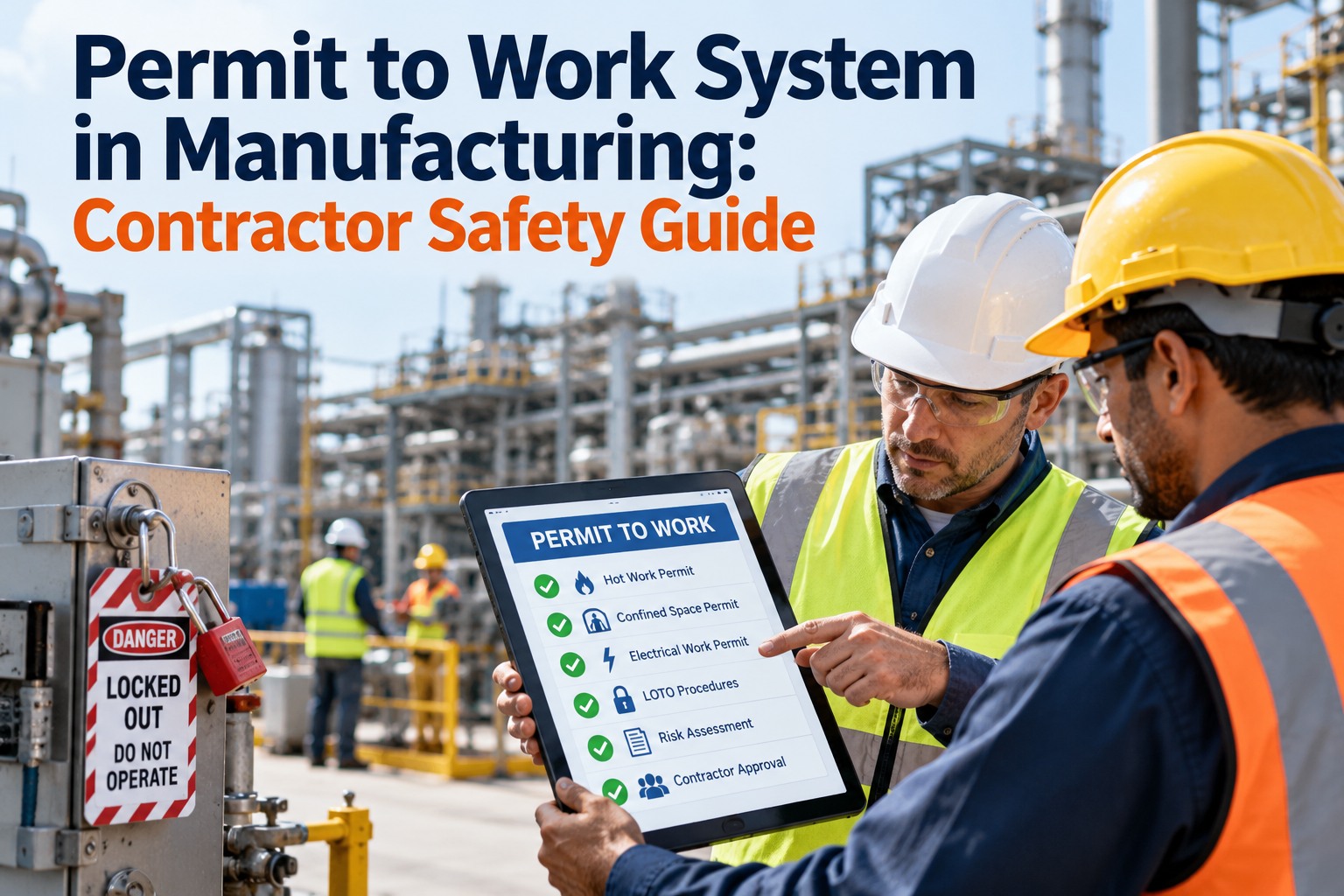
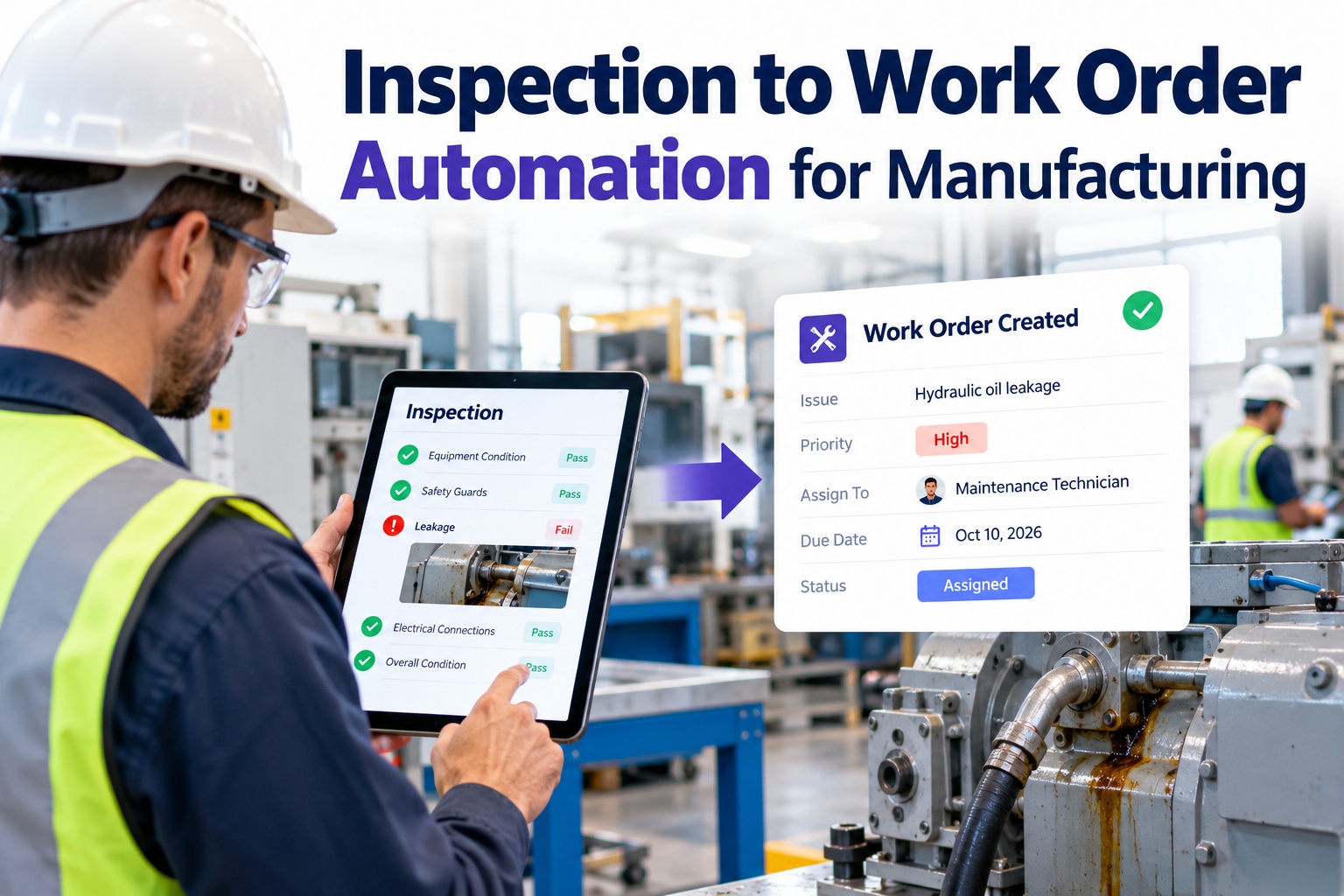
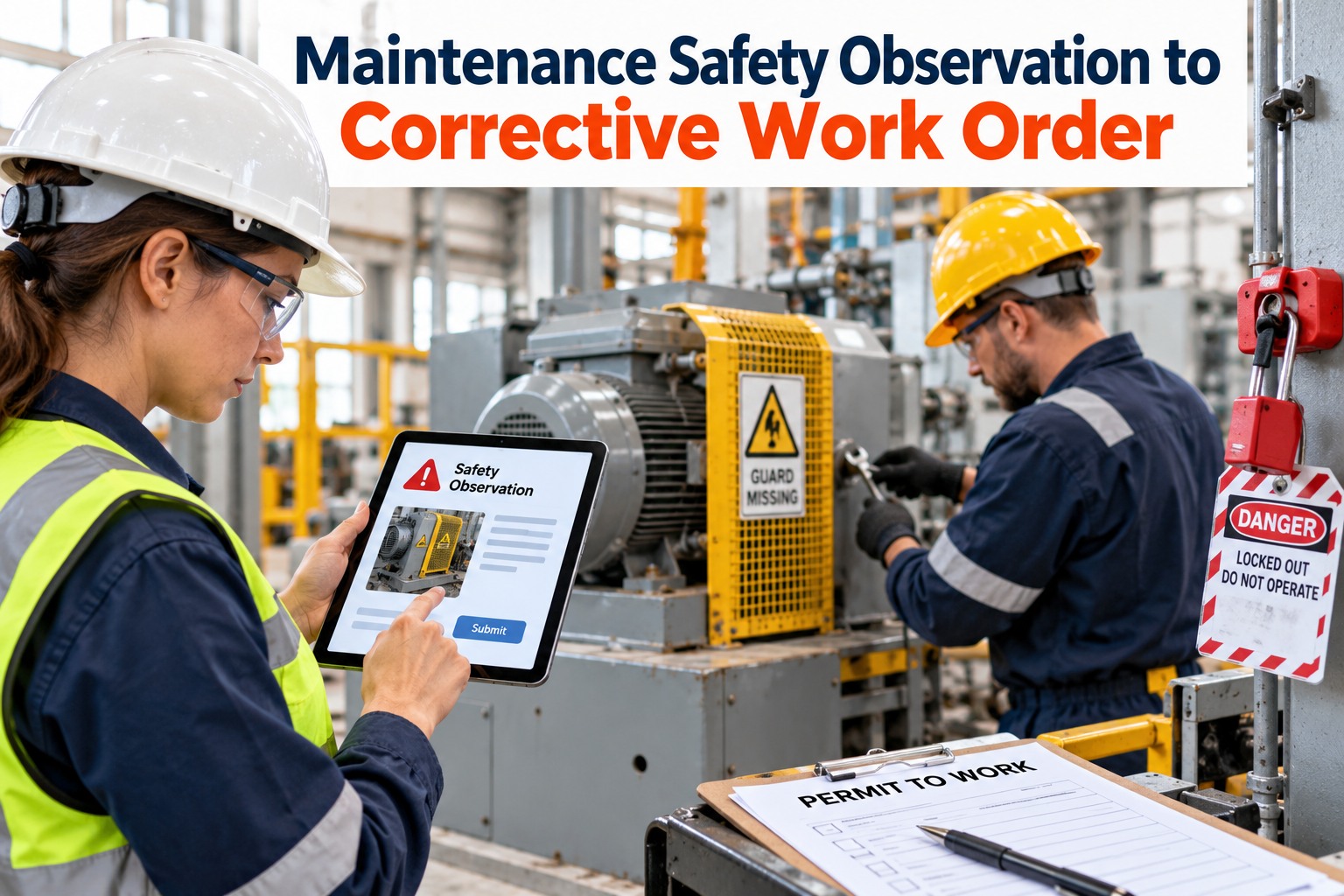
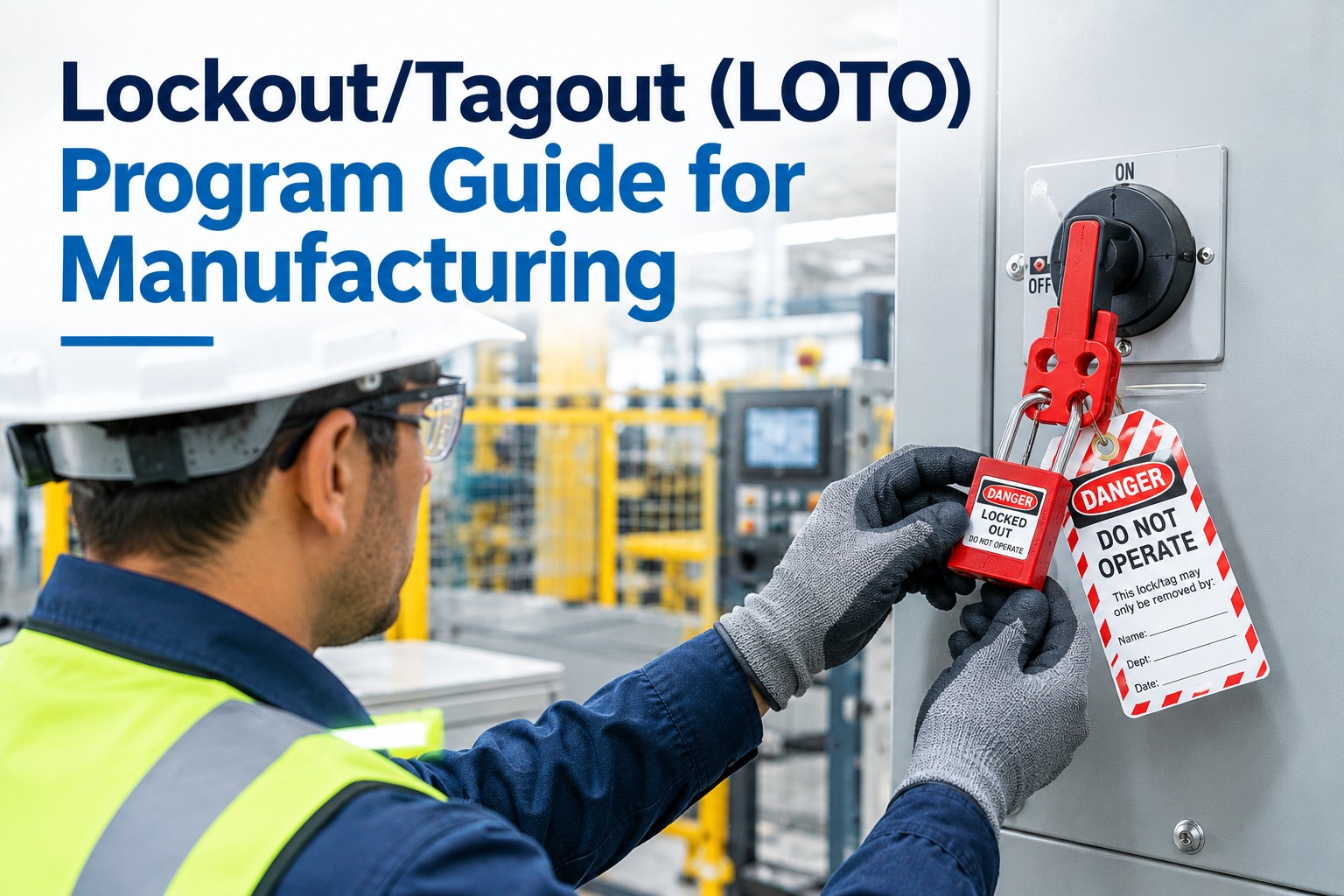
The most dangerous work in a plant is often done by someone who doesn't work there. A contractor welds beside a solvent line nobody mentioned, enters a tank that was never isolated, or opens a panel that someone forgot to lock out. Each of those is a fatality waiting for a gap — and a verbal "go ahead" is exactly that gap. A permit to work system closes it: no high-risk job starts until the hazards are assessed, the controls are in place, and the right person has authorised it in writing. This guide covers the permit types, the lifecycle, and how it ties to the maintenance work order in OXMAINT AI — or book a demo of permit-to-work and LOTO tracking in OXMAINT AI.
PERMIT TO WORK · MANUFACTURING · CONTRACTOR SAFETY · 2026
Permit to Work System in Manufacturing: Contractor Safety Guide
Hot work without a fire watch, an entry without isolation, a verbal authorisation nobody can produce later — these are how contractor incidents happen. OXMAINT AI is the AI-powered CMMS that ties the permit to the maintenance work order, so no high-risk job starts without its hazards assessed, its isolation confirmed, and its authorisation on record.
1 · Assess
2 · Control
3 · Authorise
4 · Close out
Written
authorisation in writing, never a verbal go-ahead on high-risk work
1 job
one permit for one defined task, place and time window
LOTO
energy isolation confirmed before the permit is issued
WO-tied
the permit lives with the maintenance work order it authorises
The Permits That Control High-Risk Work
A permit to work isn't one document — it's a family, each type matched to a class of hazard with its own controls and its own code basis. These are the ones a manufacturing plant relies on most. Start free and issue work permits against your jobs in OXMAINT AI.
Hot WorkNFPA 51B
Welding, cutting, grinding — any spark or flame. Controls: fire watch, cleared area, extinguisher, post-work watch.
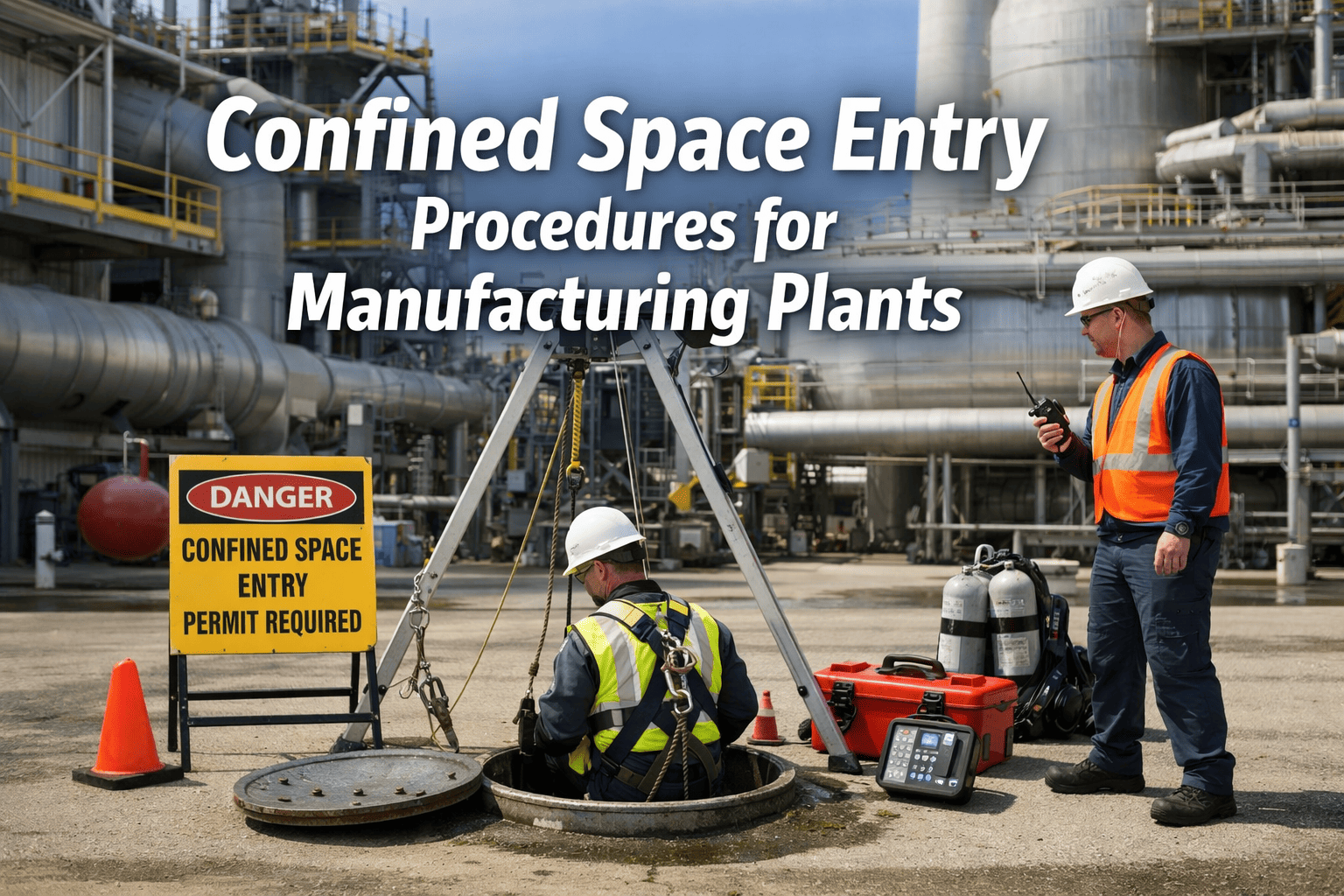
Confined Space EntryOSHA 1910.146
Tanks, vessels, pits. Controls: atmospheric testing, ventilation, attendant, rescue plan, entry log.
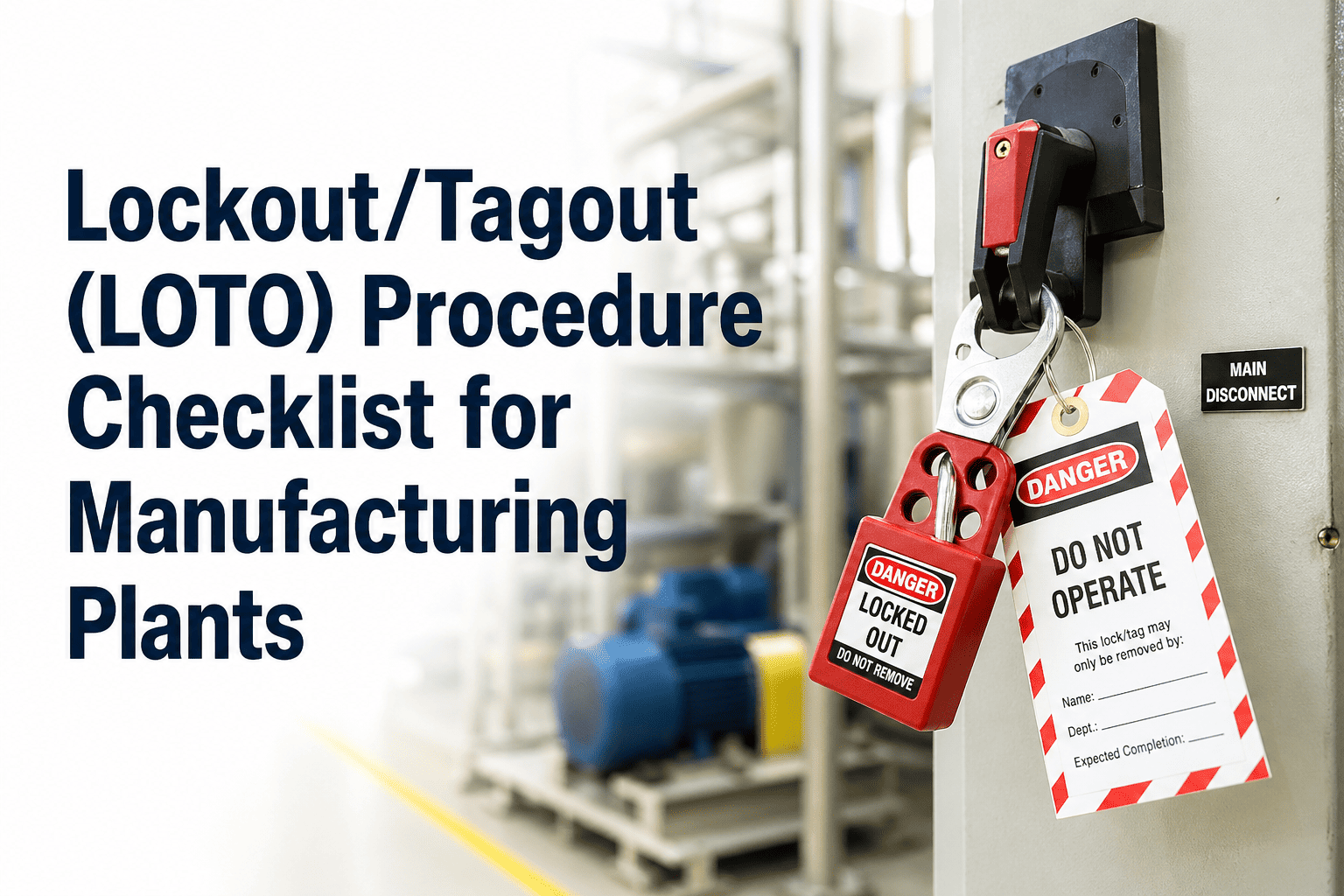
Energy Isolation / LOTOOSHA 1910.147
Lockout/tagout of hazardous energy. Controls: isolation points locked, stored energy released, zero-energy verified.
Working at Height1926.501
Roofs, platforms, lifts. Controls: fall protection, anchor points, exclusion zone below, equipment inspection.
Electrical WorkOSHA Subpart S
Live or isolated electrical. Controls: de-energisation, test-for-dead, arc-flash PPE, qualified person.
Line BreakingSite procedure
Opening pipework that held hazardous contents. Controls: drain, depressurise, verify, PPE for residual.
The Permit Lifecycle, Tied to the Work Order
A permit isn't a form you sign once — it's a controlled lifecycle from request to hand-back, and its natural home is the work order it authorises. When the two are linked, the job simply can't begin until the permit says it can. Book a demo of permit-linked work orders in OXMAINT AI.
1Work Order
The maintenance job is raised and flagged as permit-required.
→
2Risk Assessment
Hazards identified and a JSA completed for the task.
→
3Controls & Isolation
LOTO applied, controls put in place and confirmed.
→
4Authorise & Issue
The issuer signs; the permit is live for a set window.
→
5Work & Monitor
The job runs under the permit, supervised and in date.
→
6Hand Back & Close
Area checked, isolations removed, permit cancelled and logged.
The hand-back step matters as much as the issue — a permit left open, or an isolation never removed, is its own hazard.
Who Does What: the Permit Roles
A permit works because responsibility is split and named — no one authorises their own work, and everyone knows their part. These are the roles behind every permit.
Permit Issuer / Authoriser
The competent, authorised person who assesses the controls and signs the permit live. Accountable for it.
Performing Authority
The person or contractor doing the work — who accepts the permit, works to its conditions, and stops if they change.
Area / Asset Owner
The operations owner of the plant area, who confirms it's safe to release for the work and is informed throughout.
Isolating Authority
The qualified person who applies and verifies the energy isolation the permit depends on.
Why Permit Systems Fail
When a permit system fails, it fails in familiar ways — and each one is a gap a contractor can fall through. These are the failures to design out.
×Verbal Authorisation
Work started on a spoken go-ahead, with no written permit and no record of the controls.
×Expired Permit
A job running past the permit's time window, outside the conditions it was issued under.
×Overlapping Work
Two permits on the same equipment, each unaware of the other's isolation or hazard.
×Isolation Gap
A permit issued before LOTO was confirmed, or an isolation removed while work continued.
×Unverified Contractor
A contractor working without induction or competence checked for the task.
×Never Closed Out
A permit left open after the job, so isolations and status are never reconciled.
How OXMAINT AI Runs Permits With the Work
OXMAINT AI is the AI-powered maintenance management software that keeps the permit and the work together — the work order, the risk assessment, the LOTO, the authorisation and the close-out on one platform. Put your high-risk work on it when you start free and link permits to work orders in OXMAINT AI.
Permit-Linked Work Orders
A job flagged permit-required can't proceed until the permit is issued against it.
Risk Assessment & JSA
The hazard assessment captured on the job, so controls are defined before work starts.
LOTO & Isolation
Lockout/tagout steps recorded and confirmed as part of issuing the permit.
Authorisation Trail
Who issued, who accepted, when it expires — signed and time-stamped on record.
Contractor Records
Induction and competence tracked, so only verified contractors take a permit.
Corrective Actions
Safety findings raised as tracked actions, closed and auditable.
No Permit, No Work — and No Exceptions.
The whole value of a permit system is that the dangerous job physically can't start until it's safe and authorised. Tie the permit to the work order and that rule enforces itself. OXMAINT AI makes the permit part of the job, not a form beside it.
EXPERT REVIEW
Written for manufacturing EHS, maintenance and operations teams. Permit to work, lockout/tagout, hot work, confined space and related high-risk work are governed by OSHA standards — including 1910.147 (LOTO), 1910.146 (confined spaces), 1910.252 and NFPA 51B (hot work), and the fall-protection and electrical rules — and by each site's own safety management system, which sets the specific permit forms, controls, competencies and authorisation levels. Permits must be issued and accepted by competent, authorised persons, and the code references here are a general framework, not a substitute for your procedures or the regulations. OXMAINT AI is a maintenance management platform that links permits to work orders, records the isolations and authorisations, and tracks corrective actions — it is not an EHS management system of record, a safety authority, or a replacement for your permit procedure and competent personnel.
Frequently Asked Questions
What is a permit to work system?
It's a formal, documented process that controls high-risk work — authorising a specific task, in a specific place, for a specific time, only after the hazards are assessed and the controls are confirmed in place. It makes sure the right people know the work is happening and that nothing starts on an informal say-so.
Start free and run permits against your work in OXMAINT AI.
What work needs a permit?
High-risk, non-routine tasks — hot work, confined space entry, work needing energy isolation (LOTO), working at height, live or isolated electrical work, and line breaking on hazardous systems. Routine, low-risk work doesn't need one; the permit is reserved for jobs where a missed control can injure or kill. Each site defines exactly which tasks require which permit.
How does a permit to work relate to LOTO?
Lockout/tagout is the energy-isolation control that many permits depend on. The permit authorises the work; LOTO makes the equipment safe to work on by isolating and verifying zero energy. A permit for work on powered equipment should not be issued until the required LOTO is applied and confirmed — the two work together.
Why link permits to maintenance work orders?
Because that's where the work actually lives. When the permit is tied to the work order, a permit-required job can't be dispatched or started until the permit is issued, the isolation is confirmed and the authorisation is signed — and the whole record sits in one place for supervision and audit. It turns "no permit, no work" from a poster into an enforced rule.
Who can authorise a permit to work?
Only a competent, authorised person designated by the site's safety management system — typically a trained permit issuer who understands the hazards, the controls and the area, and who is independent of the person doing the work. Splitting those roles, so no one authorises their own job, is central to how a permit system prevents incidents.
Book a demo of the authorisation trail in OXMAINT AI.
Make the Permit Part of the Job.
Run manufacturing permits on OXMAINT AI: every high-risk work order flagged permit-required, the risk assessment and LOTO captured on the job, the authorisation signed and time-boxed, contractors verified, and the close-out logged — so the dangerous work only starts when it's safe, and the record proves it.