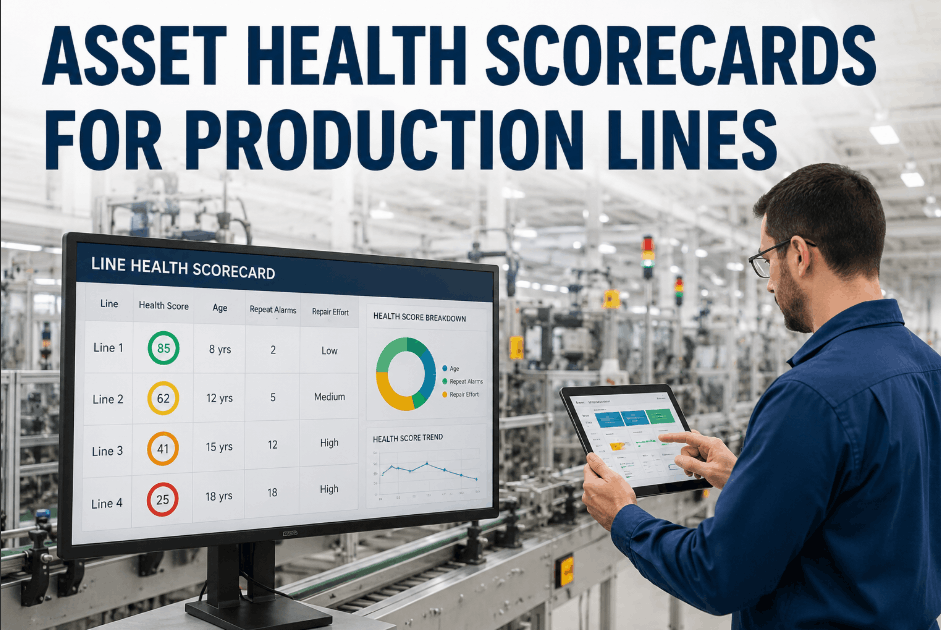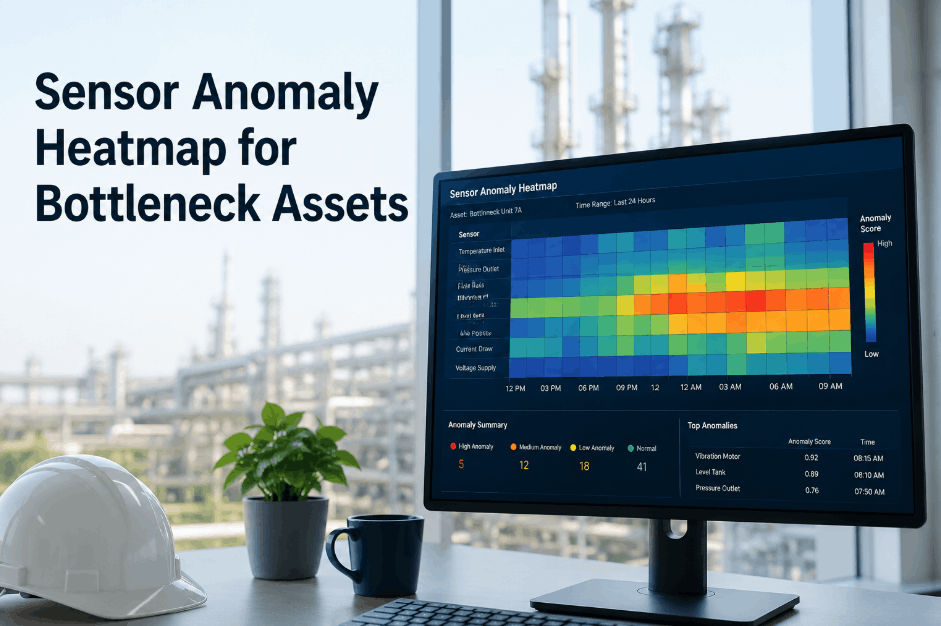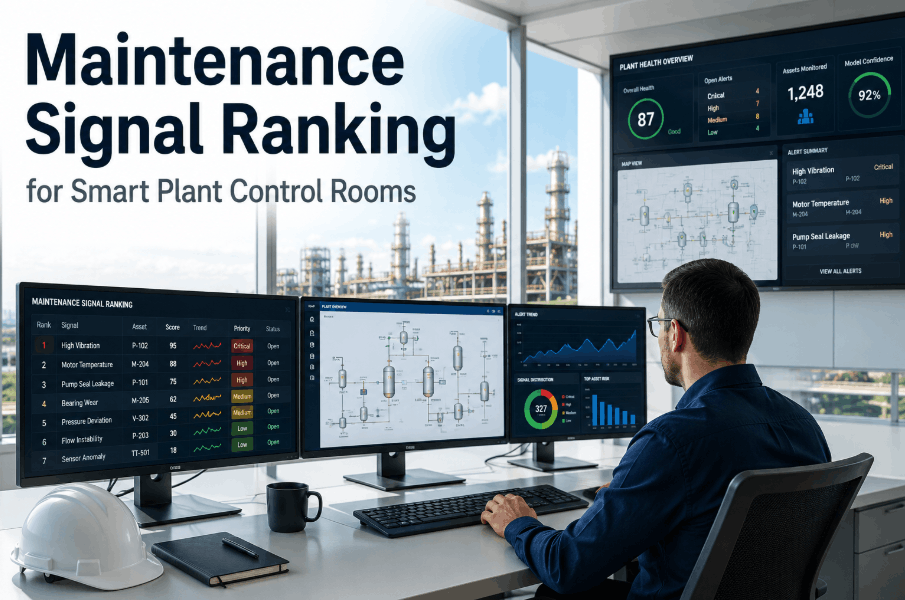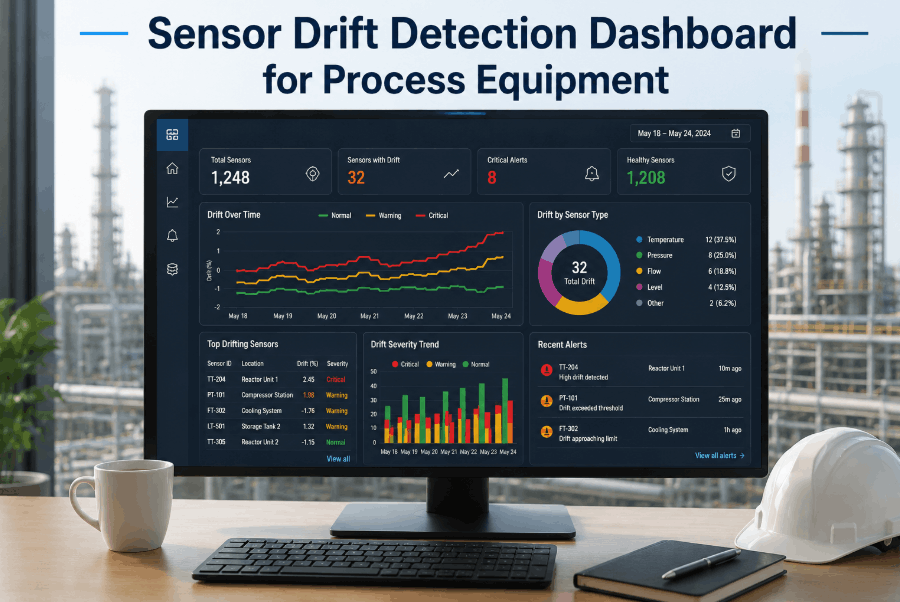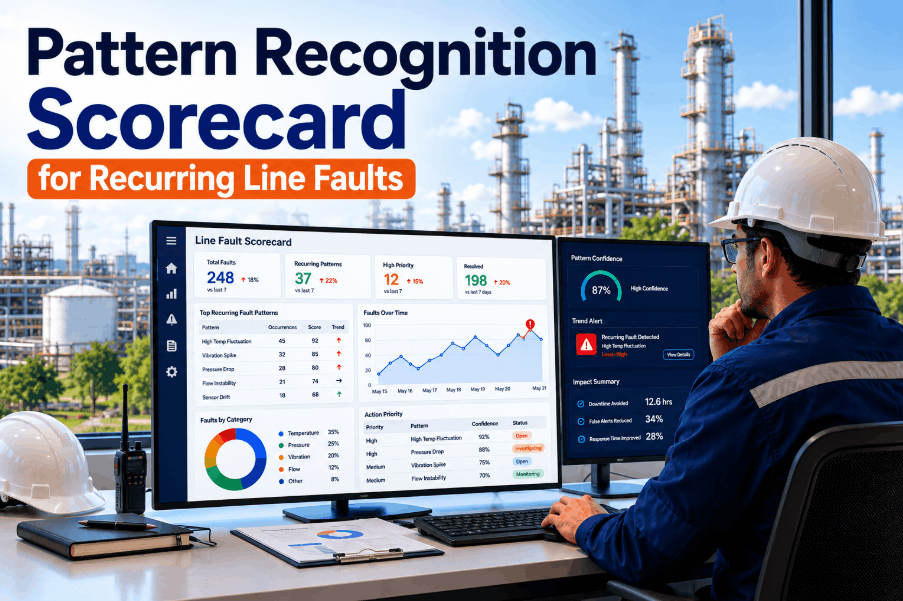
Recurring line faults drain production efficiency not because they're difficult to fix—but because maintenance teams keep responding to them as isolated incidents rather than grouped patterns. When the same fault signatures repeat across shifts, equipment, or production lines without a structured recognition framework, root causes stay hidden and corrective actions stay superficial. Sign Up Free with Oxmaint to centralize fault history, group recurring failure patterns, and convert repeated line losses into structured maintenance action. This guide gives plant engineers, reliability managers, and operations leads a practical scorecard methodology for identifying, ranking, and eliminating the recurring line faults that most impair plant availability.
Why Recurring Line Faults Persist Despite Regular Maintenance Activity
Manufacturing lines generate fault data continuously—PLCs log alarms, technicians write work orders, and operators report stoppages. Yet most facilities fail to convert this data into pattern recognition because fault records exist in disconnected systems without the grouping logic needed to surface recurring signatures. A fault that appears 14 times across six weeks in three different work orders may never be recognized as a pattern if maintenance records use inconsistent descriptions, different equipment tags, or shift-level isolation. Book a Demo to see how Oxmaint structures fault data to enable pattern detection across your entire equipment fleet. The result is a maintenance operation where the same failure mode gets addressed multiple times at symptom level while its underlying cause—a worn component, a process parameter drift, a lubrication gap—remains untouched and continues generating downtime costs.
What a Pattern Recognition Scorecard Measures: Key Fault Grouping Dimensions
A pattern recognition scorecard for line faults works by scoring fault records across multiple dimensions that reveal whether a fault is truly isolated or part of a recurring systemic failure. Sign Up Free to start building equipment-level fault scorecards inside Oxmaint with your existing work order and maintenance record data.
How many times a fault signature has occurred within a defined rolling period. High-frequency faults score highest for investigation priority regardless of individual severity, because recurrence indicates an unresolved root cause driving repeated maintenance spend.
Whether the same fault pattern appears across multiple assets of the same type, age, or operating environment. Asset clustering identifies systemic design or maintenance gaps rather than isolated equipment issues requiring individual repair.
Fault concentration by shift, day of week, production rate, or maintenance interval cycle. Temporal patterns reveal process-driven causes—shift handover gaps, overloading during peak production, or premature wear from inadequate lubrication schedules.
Cumulative production loss attributed to each fault pattern across all occurrences. Recurrence frequency multiplied by average downtime per event quantifies the true business cost that drives ROI calculations for permanent corrective actions.
Pattern Recognition Scorecard Framework: Scoring and Prioritizing Recurring Line Faults
A practical scorecard assigns numerical scores across fault dimensions to produce ranked priority lists that direct engineering attention to the highest-impact patterns first. Plant teams that build this scoring into their CMMS workflow stop making gut-feel prioritization decisions and start allocating reliability resources based on quantified recurrence impact. Book a Demo to see how Oxmaint's reporting module supports fault pattern grouping and scorecard-based prioritization across production lines.
| Scorecard Dimension | What It Measures | Scoring Method | Weight | Priority Action |
|---|---|---|---|---|
| Recurrence Count (90 days) | Number of fault occurrences matching the same pattern | 1–5 pts based on occurrence bands (1, 2–3, 4–6, 7–10, 10+) | High | RCA if score ≥ 4 |
| Total Downtime Attributed | Cumulative production minutes lost to pattern | 1–5 pts by downtime bands (<1hr, 1–4hr, 4–8hr, 8–24hr, 24hr+) | High | Engineering review if ≥ 3 |
| Asset Spread | Number of distinct assets showing the pattern | 1–5 pts (1 asset → 5+ assets) | Medium | Fleet-wide PM review if ≥ 3 |
| Shift / Time Concentration | Fault clustering on specific shifts or production periods | 1–5 pts based on concentration ratio vs. random distribution | Medium | Shift practice audit if ≥ 3 |
| Corrective Action Repeat Rate | Percentage of repairs followed by re-occurrence within 30 days | 1–5 pts (0–10%, 11–25%, 26–50%, 51–75%, 75%+) | High | Escalate to engineering if ≥ 3 |
| Composite Pattern Score | Weighted total across all dimensions | Sum of weighted scores (max 25) | Summary | Top 20% of scores = immediate action |
Implementing Pattern Recognition Scoring in CMMS for Continuous Fault Intelligence
A scorecard only delivers value when fault data is consistently captured, tagged, and grouped in a system that supports pattern analysis. Spreadsheet-based approaches degrade quickly as fault volumes grow—structured CMMS workflows that enforce fault classification at work order creation are the foundation of reliable pattern intelligence. Sign Up Free and start capturing fault data in Oxmaint's structured work order format designed for recurring pattern detection.
- Define a structured fault taxonomy covering failure mode, component, and symptom fields
- Enforce consistent fault classification in Oxmaint work orders to enable reliable pattern grouping
- Align fault codes with equipment asset hierarchy for cross-asset pattern analysis
- Export rolling 90-day fault data grouped by fault code and asset from Oxmaint reports
- Apply scorecard weights to rank fault patterns by composite priority score
- Present top 5 patterns to reliability engineering for RCA assignment each review cycle
- Attach RCA reports and corrective action work orders to the parent pattern record in Oxmaint
- Track re-occurrence rate for each addressed pattern to validate corrective action effectiveness
- Close patterns only when 90-day post-action recurrence rate drops to zero or defined threshold
- Adjust PM task frequencies for components identified in high-scoring recurrence patterns
- Add pattern-specific inspection checkpoints to PM work orders for at-risk asset types
- Monitor PM compliance against pattern recurrence to validate schedule adjustments
Common Recurring Line Fault Patterns and Their Scorecard Signatures
Pattern Recognition Scorecard KPIs for Production Line Reliability
Measuring the effectiveness of your pattern recognition program requires KPIs that track both the quality of pattern detection and the impact of corrective actions on actual fault recurrence. Book a Demo to see Oxmaint's reliability reporting dashboards that support scorecard-based fault management across multi-line facilities.
Percentage of high-scoring fault patterns receiving assigned RCA and corrective action within the quarter. Measures whether the scorecard translates into actual engineering action.
Percentage of addressed patterns that re-occur within 90 days. High re-occurrence indicates superficial corrective actions that addressed symptoms rather than root cause.
Percentage of work orders with complete fault code and component classification. Low compliance degrades pattern detection quality by creating gaps in the grouping dataset.
Downtime from recurring fault patterns as a share of total unplanned downtime. A declining trend directly validates the ROI of the pattern recognition and RCA investment program.
As high-scoring recurring patterns are eliminated, the average composite score of newly emerging faults should decline—indicating systematic improvement in baseline line reliability.
Average interval between occurrences of the same fault pattern. Lengthening intervals confirm that PM adjustments and corrective actions are extending recurrence cycles.