Hydrogen-cooled generators are the backbone of high-efficiency power plants, yet most failures begin with subtle drifts: hydrogen purity dropping below 98%, stator cooling water conductivity creeping upward, or winding temperature differentials slowly widening. By the time alarms trigger, insulation damage or a catastrophic event may already be in motion. Leading reliability teams now integrate real-time hydrogen system analytics directly into their CMMS — transforming generator maintenance from calendar-based to condition-based. Oxmaint's predictive platform ingests generator sensor data, triggers automated notifications, and links every anomaly to work orders before a forced outage occurs.
Four Critical Degradation Paths — And Their Maintenance Signatures
Hydrogen-cooled generators fail through predictable mechanisms: purity loss, seal oil contamination, water leaks, and thermal instability. Each leaves a measurable signature in your process data weeks or months before a major event. Below are the four dominant failure modes with actionable CMMS triggers.
Purity Drop & Air Ingress
Purity below 95% increases windage losses and risk of explosive mixtures. Caused by seal oil degassing, faulty hydrogen dryers, or leaking shaft seals.
CMDS trigger: purity < 97% for >2h → create WOConductivity & Copper Corrosion
Conductivity > 2 µS/cm accelerates copper ion release, leading to blocking of hollow conductors and hot spots. Early flow imbalance detection prevents arc damage.
Auto-Visual: weekly conductivity trend alertDifferential Thermal Mapping
Uneven RTD readings across stator bars point to blocked cooling passages or insulation delamination. Delta > 10°C between adjacent bars requires inspection.
Predictive: slope increase before tripMakeup Rate & Seal Wear
Exceeding normal hydrogen makeup (e.g., > 15 ft³/hr) indicates seal degradation or cracked casing. Leaks not corrected escalate to explosive risk.
CMMS WO: seal oil system check auto-generatedHydrogen Generator Dashboard: Real-Time CMMS Integration
When generator health data flows directly into Oxmaint, health indices trigger not just operator alerts but structured maintenance actions — from seal oil filter changes to planned generator inspections. The table below shows typical monitored parameters and automated responses.
| Parameter | Normal Range | Alert Threshold | Automated Action (CMMS) |
|---|---|---|---|
| Hydrogen Purity | ≥ 98% | < 96% for 30 min | Create inspection WO: seal oil degassing / dryer performance |
| Stator Water Conductivity | < 1.5 µS/cm | > 2.0 µS/cm | WO: Ion exchange resin replacement + cooling loop maintenance |
| Hydrogen Leakage (makeup rate) | < 10 ft³/hr | > 15 ft³/hr over 8h | Schedule seal inspection & gas detector calibration |
| Winding Hot Spot Delta | < 8°C | > 12°C | Notify engineering: thermal imaging & partial discharge test |
| Hydrogen Pressure (operating) | 45–60 psig | Dropping > 5 psi/24h | Auto WO: Generator casing & hydrogen system leak check |
Stop Treating Generator Data as Alarms. Treat It as Maintenance Drivers.
Connect hydrogen purity, cooling water chemistry, and thermal trends directly to work orders. Catch seal degradation before purity drops below 95% and winding failures before they cost millions.
Predictive Maintenance Workflow for Hydrogen-Cooled Generators
Leading plants use a closed-loop system: generator sensors → Oxmaint analytics → CMMS work orders → condition improvement. The workflow eliminates reactionary maintenance by detecting subtle signatures: seal oil pressure fluctuations, hydrogen dryer efficiency loss, or inconsistent stator slot temperatures.
Real-time trending of purity, leakage, temperatures, and vibration.
Oxmaint AI flags deviation from baseline (e.g., purity slope negative).
Maintenance order created with parameter-specific instruction.
After repair, data tracks if drift stabilized — continuous learning.
Hydrogen Seal Oil System: #1 Hidden Source of Generator Degradation
Seal oil systems maintain hydrogen atmosphere but also introduce moisture and air when not properly maintained. Contaminated seal oil directly reduces hydrogen purity, leading to increased windage loss and potential arcing. CMMS tracking of seal oil temperature, pressure differentials, and vacuum dehydrator efficiency reduces 60% of purity-related generator trips. With Oxmaint, you correlate seal oil filter life, vacuum pump runtime, and hydrogen purity trends to schedule seal overhauls exactly when needed — not too early, not too late.
Advanced Diagnostics: Partial Discharge & Hydrogen Cooler Performance
Partial Discharge (PD) Trends
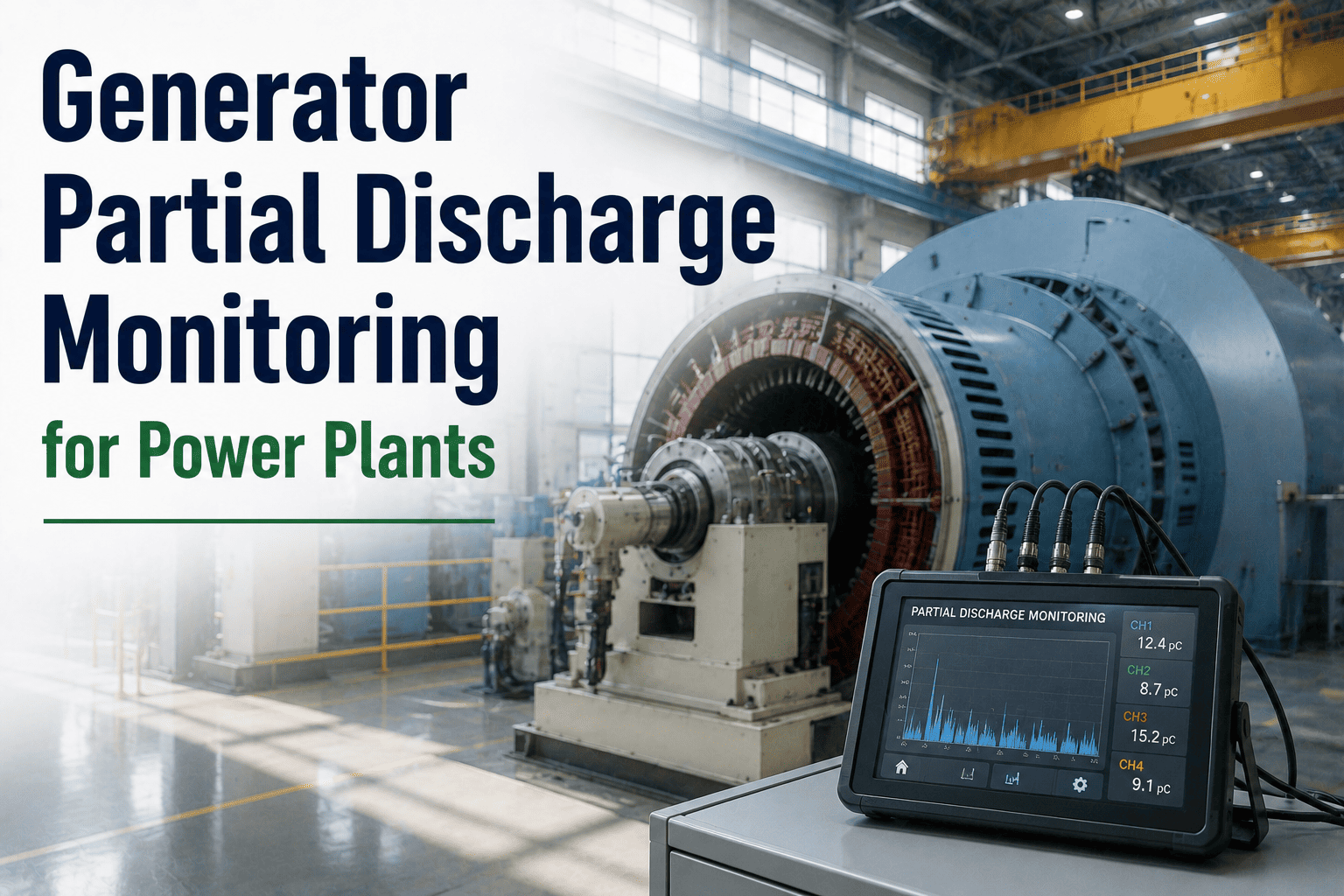
PD activity in hydrogen-cooled generators often rises weeks before insulation failure. Integrating PD magnitude and phase-resolved patterns into CMMS allows automatic work orders for borescope inspection or re-torquing of stator bars. Early PD detection reduces catastrophic failure risk by over 65%.
Oxmaint alert: PD > 500 pC → schedule outage inspectionHydrogen Cooler Heat Transfer
Clogged hydrogen coolers reduce cooling capacity, raising winding temperatures and accelerating insulation ageing. Tracking cooler outlet gas temperature and differential pressure across coolers flags fouling or water flow reduction. Automated CMMS tasks: chemical cleaning, water strainer maintenance.
Delta T > 8°C above baseline → generate WOFailure Mode Avoidance: Real Case Integration with CMMS
Oil Quality & Hydrogen Purity Correlation
Degraded seal oil with high total acid number (TAN) promotes foaming, which directly reduces hydrogen purity. Oxmaint correlates lab oil analysis results with hydrogen purity trends and triggers seal oil flush work orders when correlation slope exceeds threshold. A power plant using this method avoided two purity-related trips per year.
Zone-Level Temperature Monitoring
Individual RTD zones reveal blocked cooling passages or delamination. With CMMS integration, a zone showing persistent +5°C deviation compared to adjacent zones is automatically flagged for thermographic survey. This predictive step eliminates forced outages caused by localized insulation breakdown.
Predictive Timeline: From Anomaly to Work Order Resolution
Hydrogen purity starts declining from 99.2% to 98.5% over 3 weeks. Oxmaint detects negative trend slope.
Correlation engine links purity drop to seal oil vacuum dehydrator efficiency reduction. Auto WO created.
Maintenance replaces seal oil filter and services dehydrator. Purity returns to 99% within 48 hours.
No unplanned outage. Generator operates at full load with optimized hydrogen purity.
Without CMMS Integration
✗ Purity alert ignored as "normal fluctuation"
✗ Gradual decline continues for 8 weeks
✗ Generator trips at 92% purity — forced outage
✗ Emergency seal replacement + lost revenue: $1.8M
With Oxmaint CMMS Integration
✓ Negative purity slope detected at day -45
✓ Automated seal system inspection WO
✓ Preventive maintenance within 2 weeks
✓ Zero production loss — full availability maintained
Regulatory & Safety Compliance Automation
Hydrogen-cooled generators operate under strict safety codes (NFPA 55, IEC 60079, etc.). Manual compliance tracking is error-prone and resource-heavy. Oxmaint automatically logs hydrogen purity checks, leak test records, and seal oil maintenance events — generating audit-ready reports on demand. Real-time purity validation ensures operators always stay within explosive limit boundaries (below 4% hydrogen in air or above 75% for safe operation envelope).
Get Ahead of Generator Failures Before They Escalate
Join leading power plants using Oxmaint to correlate hydrogen purity, stator water conductivity, and winding temperatures with proactive work orders. Reduce forced outage risk by over 70%.
Frequently Asked Questions
Turn Every I-Unit of Hydrogen Purity Drift Into a Trackable Work Order
Real-time generator analytics + maintenance automation = lower risk, higher availability. Book a personalized tour of Oxmaint for hydrogen-cooled assets.