Energy Management Implementation Guide

By John Mark on January 22, 2026

energy-management-implementation-guide

Steel manufacturing is among the most energy-intensive industries globally, consuming approximately 5% of total world energy and accounting for 7-9% of global CO2 emissions. Implementing comprehensive energy management transforms this challenge into competitive advantage— reducing costs by 15-25% while meeting increasingly stringent environmental regulations. Schedule a consultation to explore how AI-powered energy management can transform operations at your steel facility.

18-25 GJ
Energy per Ton of Steel
Modern integrated steel plants consume 18-25 GJ per ton of crude steel. AI-driven energy management systems have demonstrated the ability to reduce this by 12-18%, translating to millions in annual savings for typical facilities.

Why Energy Management Matters for Steel Plants

Steel plants face unique energy challenges: high-temperature processes requiring precise control, multiple fuel types including natural gas, coke, and electricity, complex heat recovery opportunities, and emissions regulations that tighten annually. Traditional energy management approaches—monthly meter readings and reactive adjustments—leave substantial optimization potential untapped.

The Steel Industry Energy Challenge
20-40%
Energy costs as percentage of total steel production costs—the second largest expense after raw materials
1.85 tons
CO2 emissions per ton of steel produced—driving urgent need for efficiency improvements and decarbonization
$8-15M
Annual energy spend for a typical 2-million-ton integrated steel plant—significant optimization opportunity
35-50%
Of energy lost as waste heat in conventional operations—recoverable through advanced management systems
Ready to optimize your steel plant's energy consumption? Join leading manufacturers using AI-powered energy management to reduce costs and emissions simultaneously.
Sign Up Free

Energy Management System Architecture

Effective steel plant energy management requires a comprehensive system architecture spanning data acquisition, real-time processing, AI analytics, and integration with existing plant control systems. The architecture must handle the unique demands of high-temperature metallurgical processes while delivering actionable insights to operators.

Steel Plant Energy Management ComponentsEnd-to-end system for energy optimization
01
Multi-Point Metering Infrastructure
Deploy high-accuracy power meters, gas flow sensors, and thermal monitoring across all major energy consumers. Sub-metering at furnace, rolling mill, and auxiliary system levels enables granular consumption tracking and benchmarking.

02
Industrial Edge Computing Layer
Ruggedized edge computers aggregate data from thousands of sensors, performing real-time anomaly detection and data validation. Local processing ensures sub-second response times for critical energy events even during network disruptions.

03
AI-Powered Analytics Engine
Machine learning models trained on steel-specific consumption patterns analyze energy use against production parameters, ambient conditions, and equipment health. Neural networks detect efficiency degradation patterns invisible to conventional monitoring.

04
Digital Twin Simulation
Virtual models of blast furnaces, EAFs, and rolling mills simulate energy scenarios to identify optimal operating parameters. What-if analysis enables testing of efficiency improvements before physical implementation.

05
Control System Integration
Bidirectional integration with Level 1 and Level 2 automation systems enables closed-loop optimization. Energy recommendations flow directly to PLC and SCADA systems for automated implementation. Sign up for Oxmaint to centralize energy management across your entire steel operation.

Key Energy Consumers in Steel Manufacturing

Steel plants contain diverse energy consumers with distinct optimization opportunities. Understanding consumption patterns and efficiency levers for each process area enables targeted improvement initiatives with maximum ROI.

Steel Plant Energy Distribution by Process
Process AreaEnergy SharePrimary Energy TypesKey Optimization Levers
Blast Furnace / Iron Making50-60%Coke, natural gas, PCI coalBurden distribution, hot blast temperature, PCI rate optimization
Steelmaking (BOF/EAF)10-15%Electricity, oxygen, natural gasCharge optimization, oxygen lancing, tap-to-tap time reduction
Rolling Mills15-20%Electricity, natural gas (reheating)Hot charging, furnace scheduling, motor efficiency, descaling
Coke Ovens8-12%Coke oven gas, natural gasCoking time optimization, door seal maintenance, heat recovery
Auxiliary Systems5-8%ElectricityCompressed air leaks, pump efficiency, lighting, HVAC optimization
Energy distribution varies significantly between integrated (BF-BOF) and mini-mill (EAF) production routes. EAF-based plants have higher electricity share with lower overall energy intensity.

Implementation Phase 1: Assessment & Baseline

Successful energy management implementation begins with comprehensive assessment of current consumption patterns, metering infrastructure gaps, and organizational readiness. This phase establishes the baseline against which all future improvements will be measured.

Assessment Activities

Energy Audit
Comprehensive walk-through audit of all major energy consumers. Document equipment specifications, operating hours, load profiles, and current efficiency metrics for each process area.

Metering Assessment
Evaluate existing metering infrastructure coverage and accuracy. Identify gaps requiring new sub-meters to enable equipment-level consumption tracking and benchmarking.

Baseline Establishment
Collect 12+ months of historical energy and production data. Calculate specific energy consumption (SEC) metrics: kWh/ton, GJ/ton, energy cost per ton of steel produced.

Industry Benchmarking
Compare facility performance against industry best practices and regional peers. Identify performance gaps and prioritize improvement opportunities by potential impact.

Organization Assessment
Evaluate energy management team capabilities, KPI tracking practices, and decision-making processes. Identify training needs and define roles for ongoing energy management.

ROI Modeling
Develop detailed business case with projected savings, implementation costs, and payback periods. Prioritize initiatives by ROI and implementation complexity for phased rollout.
Start with a professional energy assessment. Book a consultation and our engineers will help identify your highest-impact optimization opportunities.
Schedule a Demo

Implementation Phase 2: Infrastructure Deployment

With baseline established and priorities defined, Phase 2 focuses on deploying the monitoring infrastructure required for AI-powered energy management. This includes smart metering, data acquisition systems, and integration with existing plant automation.

Infrastructure Deployment Timeline
Week 1-4
Metering Installation
Power quality meters on main feedersSub-meters on major consumersGas flow and BTU analyzers
Week 5-8
Network & Edge
Industrial Ethernet/wireless deploymentEdge computing hardware installationCybersecurity implementation
Week 9-12
System Integration
SCADA/DCS connectivityProduction data integrationHistorian synchronization
Week 13-16
Platform Activation
AI model deploymentDashboard configurationAlert system setup

Implementation Phase 3: AI Optimization

With infrastructure in place and data flowing, Phase 3 activates AI-powered optimization capabilities. Machine learning models begin identifying efficiency opportunities invisible to conventional monitoring while building the foundation for autonomous optimization.

Traditional vs. AI-Powered Energy Management
Traditional Approach
  • Monthly energy reviews with static reports
  • Manual calculation of specific energy consumption
  • Reactive response to utility billing anomalies
  • Limited equipment-level visibility
  • No correlation with production parameters
10-15%above best-practice energy intensity
AI-Powered Management
✔️
  • Real-time monitoring with instant anomaly alerts
  • Automated SEC tracking by product and shift
  • Predictive consumption forecasting
  • Equipment-level efficiency benchmarking
  • AI-optimized operating parameters
Top 10%industry energy performance

Steel-Specific Energy Optimization Strategies

Each major process area in steel manufacturing offers distinct optimization opportunities. AI systems identify and prioritize these opportunities based on current operating conditions, production schedules, and equipment health status.

Process-Specific Optimization Opportunities
Process AreaOptimization StrategyTypical SavingsImplementation Complexity
Blast FurnaceAI-optimized burden distribution and hot blast parameters3-5% coke rate reductionHigh - requires Level 2 integration
EAF SteelmakingCharge bucket optimization and power curve management15-25 kWh/ton reductionMedium - production planning integration
Reheating FurnacesHot charging maximization and furnace scheduling10-15% fuel reductionMedium - requires casting-rolling coordination
Rolling MillsPass schedule optimization and motor efficiency5-8% electricity reductionMedium - automation system updates
Heat RecoveryWaste gas utilization and steam network optimization8-12% overall energy reductionHigh - capital investment required
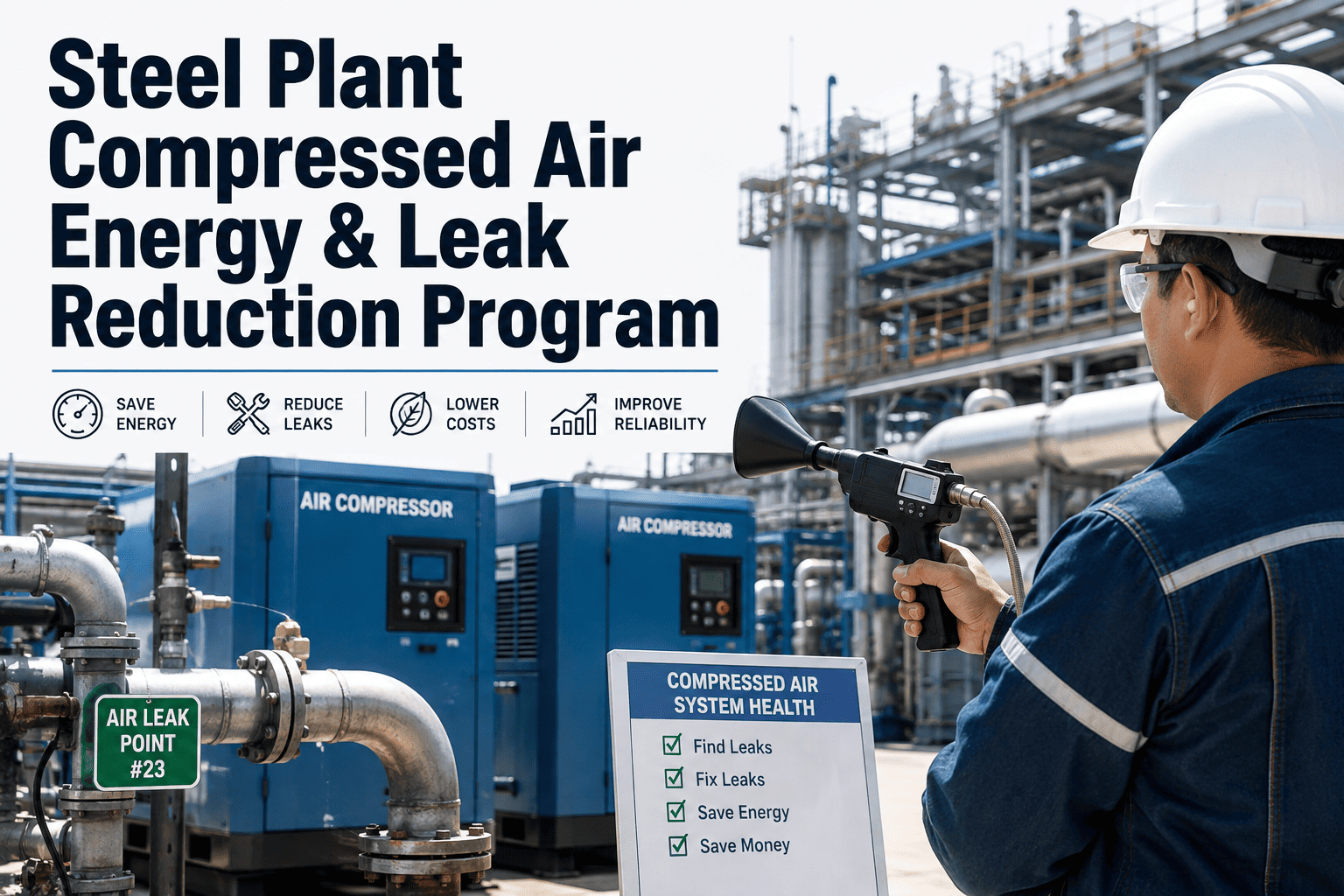
AuxiliariesCompressed air leak detection, VFD optimization20-30% auxiliary reductionLow - quick payback projects
Savings percentages are indicative and vary based on current performance baseline, equipment age, and product mix. AI systems continuously identify and prioritize opportunities.

Documented ROI and Performance Metrics

AI-powered energy management investments in steel plants deliver returns through multiple value streams: direct energy cost reduction, improved equipment reliability, enhanced product quality through stable process conditions, and reduced emissions compliance costs.

Steel Industry Energy Management BenefitsBased on implementations across integrated and EAF steel plants
15%
Average reduction in energy intensity (GJ/ton)
75%
Faster detection of energy anomalies
18mo
Typical full system payback period
12%
Reduction in Scope 1 & 2 emissions
Energy management in steel isn't just about cost reduction anymore—it's about survival. Carbon border adjustments, customer sustainability requirements, and investor pressure mean that energy efficiency directly impacts market access. Plants that master energy management today will lead the industry tomorrow.
— Steel Industry Energy Strategist

ISO 50001 Compliance Integration

AI-powered energy management systems provide the data infrastructure and analytical capabilities required for ISO 50001 Energy Management System certification. Automated tracking, documentation, and reporting streamline compliance while delivering genuine operational improvements.

ISO 50001 Compliance Capabilities

Energy Policy Tracking
Document and track energy policy commitments with automated KPI monitoring. Generate evidence of continual improvement required for certification maintenance.

SEU Identification
Automatic identification and prioritization of Significant Energy Uses (SEUs). AI analysis ensures comprehensive coverage of major energy consumers per ISO requirements.

EnPI Management
Define, track, and report Energy Performance Indicators with automated normalization for production and weather variables. Real-time EnPI dashboards for management review.

Baseline & Targets
Establish energy baselines with statistical rigor and track progress against improvement targets. Automated adjustment for relevant variables ensures accurate performance measurement.

Internal Audit Support
Generate audit-ready reports with complete documentation trails. Automated non-conformance tracking and corrective action management for audit findings.

Management Review
Executive dashboards and automated reporting packages for management review meetings. Track energy objectives, targets, and action plan progress against timelines.
Pursuing ISO 50001 certification? Oxmaint provides the data infrastructure and reporting capabilities you need for successful certification.
Sign Up Free

Integration with Plant Systems

Effective energy management requires seamless integration with existing steel plant automation, production planning, and enterprise systems. Proper integration enables closed-loop optimization and ensures energy considerations are embedded in operational decision-making.

Steel Plant System Integration Points
SystemIntegration TypeData Exchange
Level 2 Process ControlReal-time bidirectionalSetpoint optimization, process parameters, equipment status, energy-optimized recipes
SCADA/HMIReal-time readProcess variables, equipment states, alarm conditions, operator actions
Production Planning (MES)Scheduled batchProduction schedules, grade mix, sequence optimization for energy efficiency
CMMS/MaintenanceEvent-triggeredEquipment efficiency degradation alerts, predictive maintenance triggers, work orders
Quality ManagementBatch correlationEnergy-quality correlations, optimal process windows, defect energy costs
ERP/FinanceDaily/monthly batchEnergy cost allocation, budget variance, procurement optimization, carbon accounting

Decarbonization Pathway Support

Energy management is the foundation of steel industry decarbonization. AI systems help steel plants understand their carbon footprint, identify reduction opportunities, and track progress toward net-zero commitments while maintaining operational and financial performance.

Steel Decarbonization JourneyFrom energy efficiency to net-zero steel
01
Energy Efficiency First
Maximize efficiency of existing assets through AI optimization. Reduce energy intensity 15-20% without major capital investment. Build data infrastructure for future decarbonization tracking.

02
Fuel Switching & Electrification
Optimize fuel mix and prepare for hydrogen integration. AI models simulate transition scenarios and identify optimal timing for technology switches based on energy costs and carbon prices.

03
Green Energy Integration
Maximize renewable electricity utilization. AI-powered demand response and load shifting align energy-intensive processes with renewable availability and favorable pricing periods.

04
Carbon Tracking & Reporting
Automated Scope 1, 2, and 3 emissions calculation with product-level carbon footprinting. Support for CDP, SBTi, and regulatory reporting requirements. Sign up for Oxmaint to start your decarbonization tracking today.

Common Implementation Challenges

Steel plant energy management implementations face unique challenges from harsh operating environments, legacy infrastructure, and organizational complexity. Understanding these challenges and proven solutions accelerates successful deployment.

Challenge Resolution Guide
ChallengeImpactSolution
Harsh environment conditionsSensor and equipment reliabilityIndustrial-grade components rated for heat, dust, and EMI. Redundant sensors on critical measurements.
Legacy automation systemsIntegration complexityProtocol converters and OPC-UA gateways. Gradual modernization with AI-ready infrastructure.
Production variabilityBaseline establishment difficultyMulti-variable regression models. AI-adjusted baselines accounting for grade, thickness, and product mix.
Organizational silosLimited cross-functional optimizationUnified energy dashboard for operations, maintenance, and management. Clear KPI ownership structure.
Data quality issuesInaccurate analytics and alertsAI-powered data validation and gap filling. Quality scoring for all data points and measurements.
Change managementLow adoption of recommendationsOperator training programs, gamification, clear savings attribution, and management accountability.
Transform Energy Management at Your Steel Plant
Your monthly energy reports can't detect a reheating furnace running 8% inefficient or predict next week's consumption based on the production schedule. Oxmaint helps you deploy AI-powered energy management that monitors every consumer, identifies efficiency gaps in real-time, and optimizes operations automatically—turning energy from a cost center into a competitive advantage.

Frequently Asked Questions

How long does full energy management implementation take for a steel plant?
Typical implementation takes 4-6 months for initial deployment, with ongoing optimization continuing indefinitely. Phase 1 assessment requires 4-6 weeks, infrastructure deployment 8-12 weeks, and AI model training 4-8 weeks. Many plants see initial value within 90 days through quick-win identification. Schedule a consultation for a customized timeline based on your facility.
What ROI can we expect from AI-powered energy management?
Steel plants typically achieve 10-18% reduction in energy intensity, translating to $1-3 million annual savings per million tons of production. Payback periods range from 12-24 months depending on current baseline and implementation scope. Additional value comes from improved product quality, reduced emissions, and enhanced equipment reliability.
How does the system integrate with our existing Level 2 automation?
Energy management platforms connect via standard industrial protocols including OPC-UA, Modbus, and direct database connections to major automation vendors including Siemens, ABB, Primetals, and SMS Group. Integration can be read-only for monitoring or bidirectional for closed-loop optimization. Sign up for a free account to discuss your specific automation environment.
Can energy management help with our decarbonization commitments?
Absolutely. Energy efficiency is the foundation of any decarbonization strategy—it reduces emissions immediately while cutting costs. AI systems provide automated Scope 1 and 2 emissions tracking, product-level carbon footprinting, and scenario modeling for fuel switching and technology transitions. This data supports CDP reporting, SBTi target setting, and customer sustainability requirements.
What training is required for our operations team?
Implementation includes comprehensive training covering dashboard navigation, alert response, and optimization recommendation implementation. Most operators become proficient within 2-3 weeks. Ongoing support includes refresher training, new feature onboarding, and energy management best practice workshops. Book a demo to see the operator interface in action.
Start Your Energy Excellence Journey
Energy costs don't have to erode your margins. Steel plants worldwide are using AI-powered energy management to reduce costs, cut emissions, and gain competitive advantage. Oxmaint brings together real-time monitoring, AI analytics, and deep steel industry expertise to transform how your plant manages energy—from reactive cost tracking to proactive optimization excellence.

Share This Story, Choose Your Platform!