
Green steel production through hydrogen-based Direct Reduced Iron (DRI) plants is reshaping the metallurgical landscape. However, the shift from natural gas to hydrogen as a reductant introduces unique, high-stakes maintenance challenges for refractories, rotating equipment, piping systems, and safety barriers. Fleet operators and plant managers with comprehensive CMMS maintenance documentation of H2 assets report up to 25% lower insurance premiums and dramatically faster regulatory incident resolution. Underwriters view documented PM compliance for hydrogen compressors, reformer inspections, and H2 sensor calibration as evidence of a well-managed, lower-risk facility — and they price accordingly. Beyond premiums, the speed of claims and environmental incident resolution is directly tied to documentation quality: plants that can produce a complete pre-incident maintenance record for hydrogen handling equipment within hours of an event close investigations faster, with lower dispute rates, and with measurably lower liability exposure than facilities assembling records from paper logs and memory. Start a free trial or book a demo to see how Oxmaint builds the hydrogen asset documentation record that insurers and legal teams need.
Your Hydrogen Asset Records Are Your Legal & Safety Defense
When a regulator or plaintiff attorney subpoenas maintenance records after a hydrogen incident, the quality of your CMMS data determines whether you defend from a position of strength or scramble to explain gaps. Oxmaint builds that record automatically — every H2 sensor calibration, every compressor seal replacement, every refractory inspection, every technician sign-off. Start a free trial or book a demo to review the documentation standard with your team.
6 Unique Maintenance Challenges in Hydrogen DRI Plants
Hydrogen’s small molecular size and high reactivity create distinct failure modes that natural gas plants never face. A CMMS must track these specific risks with time-stamped, verifiable records.
Hydrogen Embrittlement Prevention
Atomic hydrogen diffuses into steel grain boundaries, reducing ductility and causing catastrophic cracking. Regular non-destructive testing and material certification records are essential.
Refractory Degradation in H2
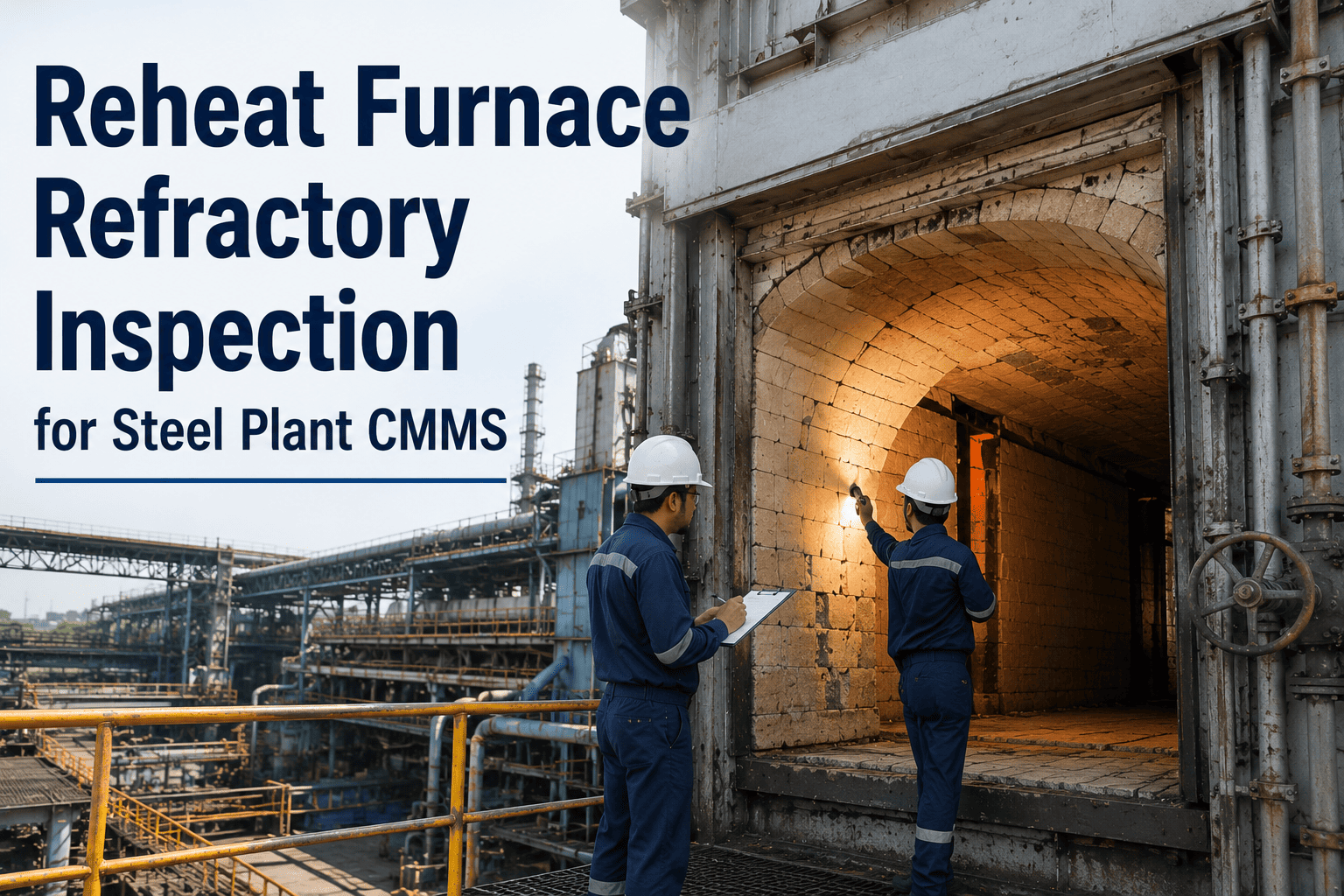
Hydrogen reduces iron oxides in the shaft furnace but also attacks refractory binders. More frequent thickness monitoring and thermography inspections are mandatory for H2 service.
H2 Compressor Seal Integrity
Hydrogen leaks through standard seals due to low viscosity. Specialized seal systems (dry gas seals) require precise maintenance intervals and documented run-time tracking.
H2 Sensor Calibration Network
A single missed calibration of a hydrogen gas detector creates a dangerous blind spot. Digital records must track calibration dates, drift, and bump test results for every sensor.
Valve & Gasket Selection
Standard elastomers swell or crack in hydrogen service. Every valve and gasket must have documented material certification (e.g., PTFE, graphite) to prevent fugitive emissions.
Electrolyzer & H2 Purification
On-site green hydrogen production adds electrolyzer stack maintenance and PSA system upkeep. CMMS tracks membrane degradation and adsorbent replacement cycles.
What Insurers & Regulators Audit in H2 DRI Plants
Insurance underwriters and OSHA/EPA inspectors evaluate hydrogen facilities based on evidence, not promises. Each documented maintenance category below strengthens your compliance profile.
Hydrogen Safety Protocols: The 5 Critical Layers
Hydrogen’s wide flammability range (4–75% in air) and low ignition energy demand a layered safety approach. Every layer requires documented inspection and testing intervals.
Leak Detection
Continuous H2 sensors + ultrasonic detectors
Ventilation
Explosion-proof, passive H2 dispersion design
Ignition Control
Class I Div 2 electrical, bonding & grounding
Emergency Shutdown
SIL-rated ESD valves, automatic isolation
Fire Protection
Dry chemical, water deluge, flame detectors
How Oxmaint Builds the H2 Asset Documentation Record
Every hydrogen sensor calibration, compressor seal replacement, and refractory inspection in Oxmaint is timestamped, technician-identified, and permanently linked to the asset — creating an unbroken chain of evidence. Start a free trial or book a demo.
Technician Timestamp & ID
Every H2 work order requires digital signature with timestamp — admissible as business record under FRE 803(6).
H2 Leak to Repair Record
Every sensor alert auto-creates corrective work order — proves you didn’t ignore hydrogen leaks.
Complete Asset History in 10 Min
Submit full H2 compressor, piping, and sensor logs to regulators or insurers — formatted and ready.
Underwriter-Ready Metrics
Generate fleet-wide hydrogen asset PM compliance reports to support premium negotiation.
Indefinite Record Storage
Keep H2 inspection logs beyond PSM/RMP retention requirements — always ready for legal hold.
Digital Hydrogen Safety Walkdowns
Complete pre-startup safety reviews (PSSR) on mobile — auto-route defects to maintenance.
Documented Outcomes from CMMS in H2 DRI Plants
Documented H2 asset PM compliance
Proactive seal & sensor maintenance
Complete digital maintenance records
Same-day record submission capability
“After implementing Oxmaint for our MIDREX H2 pilot plant, we reduced unplanned hydrogen compressor downtime by 74% and passed our first OSHA PSM audit with zero findings. The digital chain of custody for sensor calibrations alone saved us over $200k in potential fines.”
— James Carter, Reliability Manager, US Green Steel Innovations
Frequently Asked Questions — Hydrogen DRI Maintenance
How often should hydrogen sensors be bump tested in a DRI plant?+
What is the maximum allowable hydrogen piping inspection interval?+
Can CMMS records be used as legal evidence in hydrogen incident litigation?+
What is the typical lifespan of a hydrogen compressor dry gas seal?+
How does hydrogen embrittlement affect DRI plant refractory?+
What FMCSA/PSM records are required for hydrogen transport trailers?+
How does Oxmaint help with hydrogen safety training documentation?+
What are the key KPIs for hydrogen DRI plant reliability?+
Turn Your Hydrogen Asset Records Into a Safety & Insurance Asset
Every H2 sensor calibration, compressor inspection, and refractory scan is not just maintenance — it's your legal defense and premium reduction tool. Oxmaint builds that record automatically.


-maintenance-and-shaft-furnace-reliability.png)


