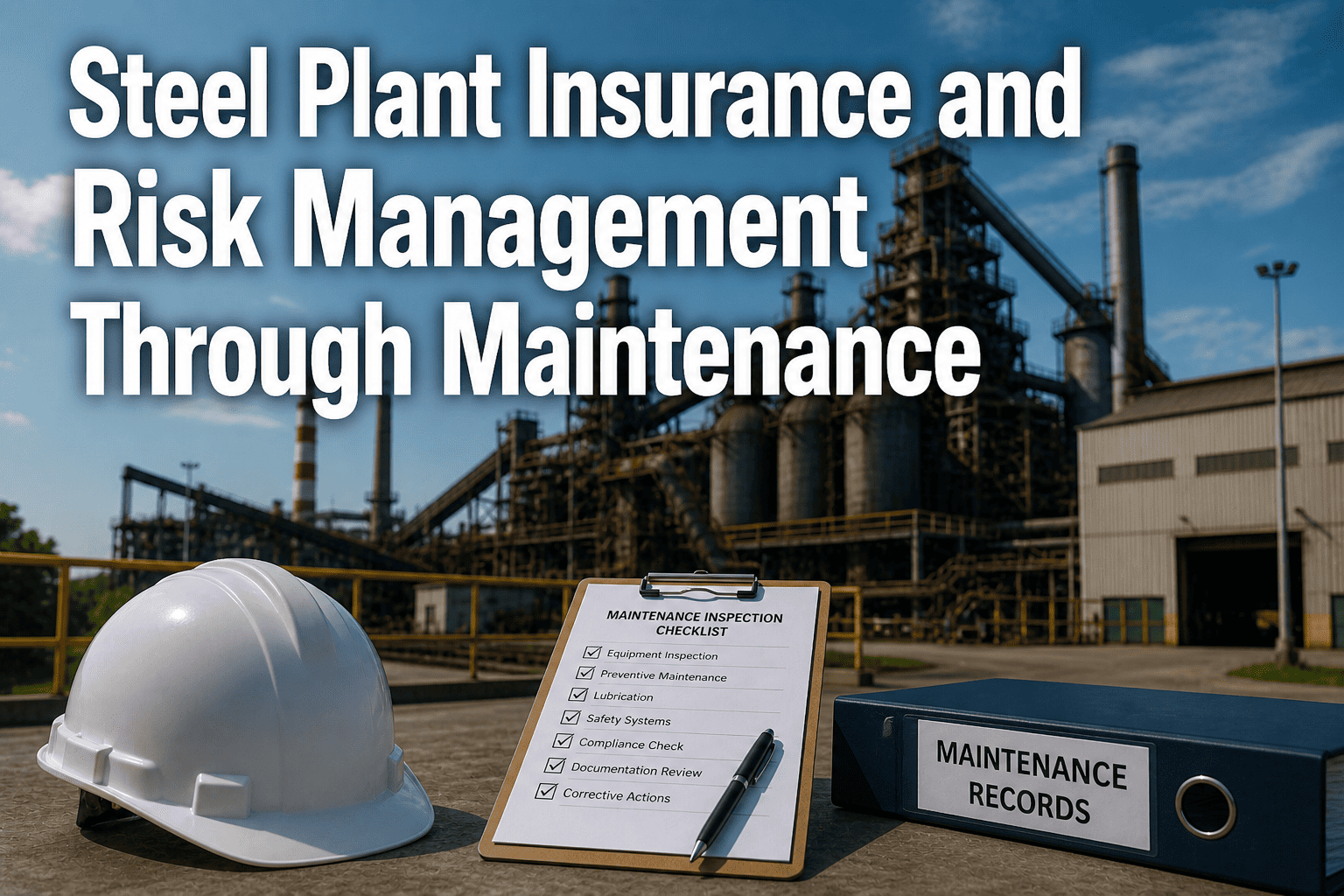
Steel plants carry some of the heaviest insurance burdens in all of heavy industry — boiler and machinery policies, business interruption coverage, property damage, and environmental liability combined can represent millions of dollars in annual premiums. What most plant managers don't realize is that a documented, digital maintenance program directly changes how insurers underwrite your risk. OxMaint CMMS gives steel plants the audit trails, inspection records, and compliance documentation that underwriters need to justify lower premiums and faster claims resolution.
Why Insurers Watch Your Maintenance Program
Insurance underwriters for industrial facilities don't just look at your claims history. They assess the probability of a future claim. A steel plant with structured PM schedules, documented inspections, and digital work order history presents measurably lower risk than one running on spreadsheets and paper logs. Documented maintenance programs are the single most powerful lever steel plant operators have to negotiate insurance terms.
The Insurance-Maintenance Connection: A Visual Breakdown
Every insurance policy covering a steel plant is priced around risk probability. The four pillars of maintenance documentation directly map to the four types of coverage that cost the most in steel manufacturing.
| Insurance Type | Risk Signal Insurers Look For | CMMS Documentation That Lowers Risk | Premium Impact |
|---|---|---|---|
| Boiler & Machinery | Inspection frequency and finding resolution | Timestamped inspection logs, work order closure records | 8–15% reduction |
| Business Interruption | Unplanned downtime frequency and duration | PM compliance rate, breakdown work order history | Lower BI duration claims |
| Property Damage | Condition monitoring, corrosion control records | Asset inspection history, photo evidence, failure trends | Faster claims resolution |
| Environmental Liability | Emission monitoring, regulatory inspection compliance | EPA/OSHA-linked work orders, calibration schedules | Reduced fine exposure |
| Workers Compensation | Safety inspection records, incident history | ISO 45001 compliance tracking, safety audit trails | Up to 14% accident reduction |
How OxMaint Builds Your Insurance Defense File
When an insurer or auditor requests maintenance evidence, most steel plants spend days pulling together paper binders and spreadsheet exports. OxMaint creates a living, structured audit file automatically — every work order, every inspection, every calibration logged with timestamp, technician ID, asset tag, and photographic evidence.
Start Building Your Insurance Audit Trail Today
Every day without digital maintenance records is a day your insurer has no evidence that your plant is well-maintained. OxMaint gives you the documentation infrastructure that lowers premiums, speeds claims, and keeps regulators satisfied.
Risk Categories Covered by Documented Maintenance
Expert Review
When we assess a steel plant's risk profile, the first thing we ask for is maintenance documentation. A plant that can produce 12 months of structured, timestamped inspection records and PM compliance data immediately signals lower underwriting risk. We've approved premium reductions of 10–15% for facilities that demonstrate this level of documentation discipline through platforms like CMMS. The documentation is the risk evidence — and evidence is what controls pricing.
Compliance Standards OxMaint Supports for Insurance Readiness
Reduce Your Insurance Risk Profile This Quarter
OxMaint's compliance tracking module is built for steel plants that need to demonstrate maintenance discipline to insurers, regulators, and auditors. Implementation takes days, not months.
Frequently Asked Questions
How does CMMS documentation actually reduce steel plant insurance premiums?
Insurance underwriters price risk based on evidence, not assumptions. When a steel plant presents 12 months of structured digital inspection logs, PM compliance reports, and work order closure records, the underwriter can verify that equipment is being maintained to schedule. This documented maintenance history directly reduces the statistical probability of a covered loss event — boiler failure, unplanned fire, or equipment breakdown — and underwriters reflect that lower risk in premium pricing. Plants using OxMaint CMMS have qualified for 8–15% machinery insurance premium reductions by providing structured inspection data during policy renewal negotiations.
What types of steel plant insurance are most impacted by maintenance records?
Boiler and machinery (BM) insurance is most directly impacted because it covers mechanical breakdown — the exact failure type that preventive maintenance is designed to avoid. Business interruption insurance is the second most impacted, as documented PM compliance reduces the frequency and duration of unplanned stoppages that trigger BI claims. Environmental liability coverage is also affected, as documented calibration schedules and inspection records for emission monitoring equipment reduce the likelihood of regulatory violations that trigger claims. Workers compensation exposure decreases as safety inspection records demonstrate ISO 45001 compliance and proactive hazard management.
Can OxMaint records be used directly in an insurance audit or claims process?
Yes. OxMaint generates exportable PDF reports of all inspection records, work orders, and compliance documentation filterable by asset, date range, technician, or finding status. These reports are structured to support OSHA, EPA, ISO 55001, and insurer maintenance verification requests. During a claims process, timestamped records showing the equipment was regularly inspected and any prior findings were resolved can demonstrate due diligence and significantly accelerate settlement. The audit trail is stored permanently in the asset's history and is accessible instantly — no binder searching or manual compilation required.
How long does it take to build an insurer-ready audit trail in OxMaint?
OxMaint begins generating timestamped, structured maintenance records from day one of use. Most steel plants have a meaningful audit trail — enough to present to an underwriter — within 90 days of go-live. A full 12-month documented inspection history, which is what most major industrial insurers request at policy renewal, is available after the first operating year. Plants approaching renewal in less than 12 months can still use partial records to demonstrate the maintenance discipline program is in place, which can justify better terms even before a full-year record exists. Implementation and asset configuration typically takes 2–4 weeks for a mid-sized steel plant.