Every ladle that misses its target chemistry, every billet that cools before it reaches the mill, and every coil pulled for re-trim after final inspection is not an isolated event on a steel plant floor. Each one is a symptom of the same root cause: maintenance data and process data living in separate systems, so nobody can see the equipment condition behind a reprocessing event until the metal has already been reheated, re-alloyed, or scrapped. High-value grade producers lose a measurable share of throughput and margin to trim, re-heat, and rework cycles that tighter maintenance discipline could prevent well before the heat is tapped. Start a free OxMaint trial to connect ladle and furnace maintenance records to chemistry and re-heat data, or book a 30-minute demo to see the reprocessing dashboard.
Reprocessing Reduction · Steel Plants
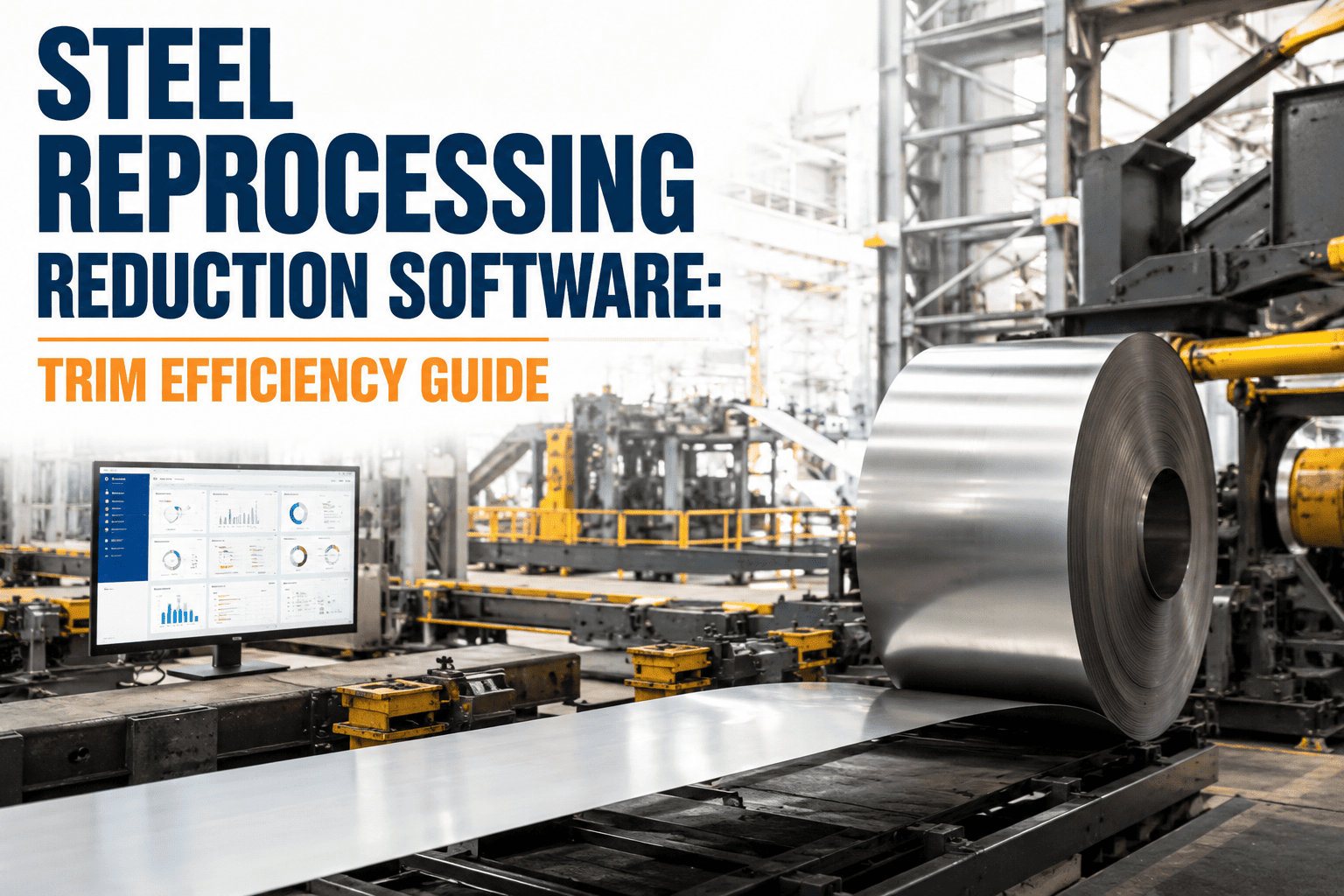
Steel Reprocessing Reduction Software
Trim efficiency, chemistry hit rate, and re-heat frequency — tracked against the equipment condition that actually drives them, in one CMMS built for high-value grade steel producers.
The Hidden Cost Center
Why Reprocessing Quietly Eats Steel Plant Margins
A
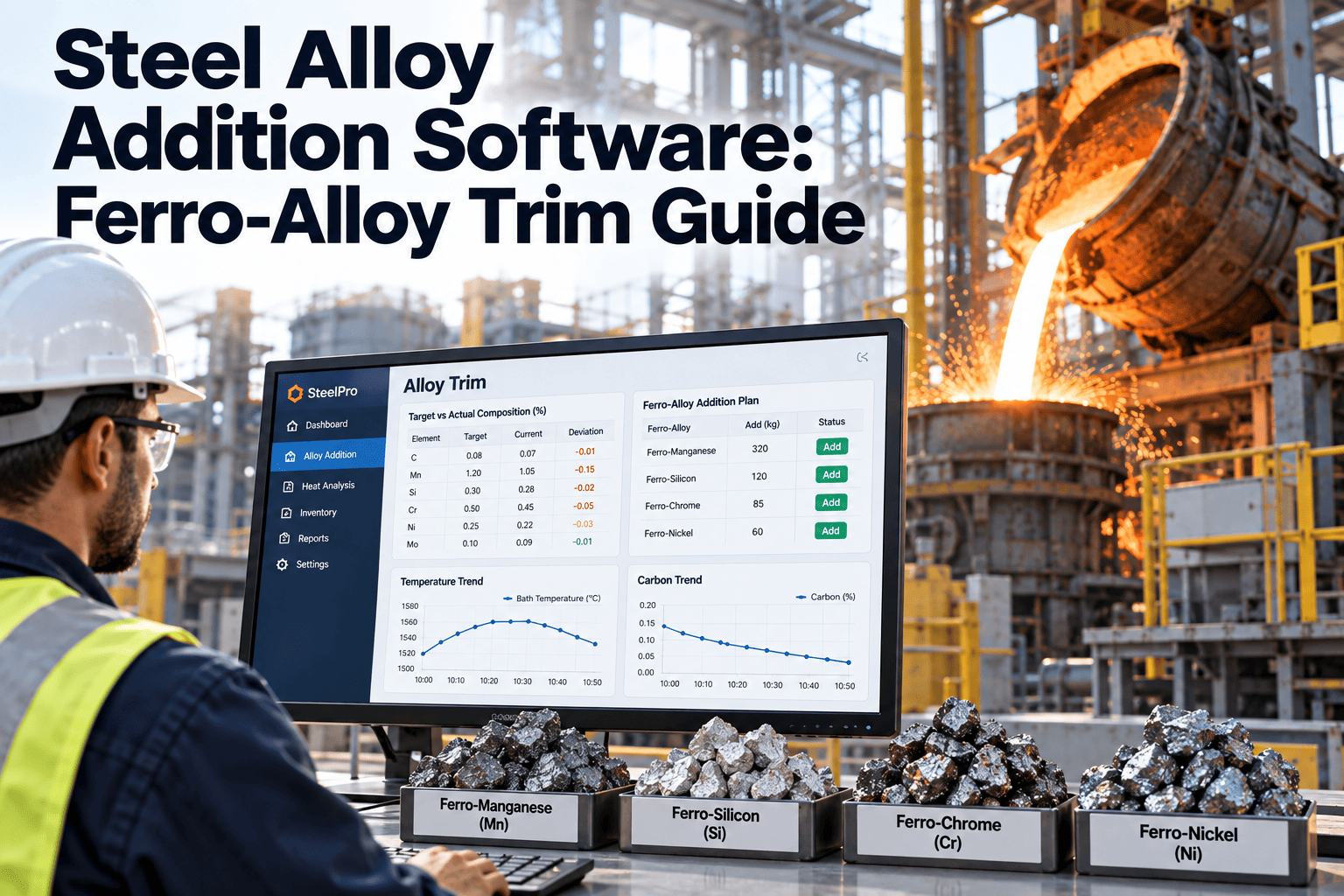
Ladle additions are trimmed by feel rather than by a calibrated feed system, so alloy overshoot and undershoot both get treated as normal variance instead of a maintenance signal.
B
Thermocouple and oxygen probe drift goes uncorrected between calibration cycles, so temperature and chemistry readings look fine on the screen while the actual heat is already out of spec.
C
Argon stirring stations and induction stirrers run past their service interval, producing uneven mixing that shows up downstream as a chemistry miss nobody can trace back to the cause.
D
A heat that cools below rolling temperature while waiting on a delayed caster or mill gets reheated as a routine fix, with the underlying scheduling and equipment delay never logged or reviewed.
The Three Levers
The Metrics That Actually Move Reprocessing Rate
Reprocessing is not one problem — it is three separate metrics, each driven by a different set of assets and a different failure pattern. OxMaint tracks each one against the equipment and calibration history that produces it.
01
Ladle Trim Efficiency
The percentage of alloy and flux additions that land within target range on the first trim. Efficiency drops when feeder calibration, weigh-hopper accuracy, or lance condition slips out of tolerance, and OxMaint links every trim miss back to the feeder's last service date.
02
Chemistry Hit Rate
The share of heats that hit target chemistry without a secondary addition or sample re-pull. Hit rate is a direct function of probe calibration, sampler condition, and stirring uniformity — all trackable maintenance events inside OxMaint's asset history.
03
Re-Heat Frequency
How often material drops below process temperature before the next operation and must be reheated. Re-heats correlate strongly with furnace burner condition, refractory wear, and scheduling delays — each logged as a maintenance or downtime event in the platform.
Reprocessing Cost by Cause
What Each Reprocessing Category Actually Costs the Plant
Not every reprocessing event costs the same. Mapping cause to cost is the first step to prioritizing which maintenance gaps to close first.
| Reprocessing Cause |
Typical Root Asset |
Rework Type |
Relative Cost Impact |
| Chemistry miss |
Probe / sampler / stirrer |
Secondary alloy addition |
Medium |
| Temperature drop |
Furnace burner / refractory |
Full re-heat cycle |
High |
| Trim overshoot |
Feeder / weigh hopper |
Dilution or partial reject |
Medium |
| Surface / gauge defect |
Roll / mill drive |
Re-roll or re-trim pass |
High |
| Schedule-driven cooling |
Caster / mill delay |
Full re-heat cycle |
Very High |
OxMaint Reprocessing Dashboard
Stop Reviewing Reprocessing After the Heat Is Gone. Start Catching It at the Asset.
OxMaint links calibration schedules, sensor drift alerts, and stirring station service history directly to your chemistry and re-heat logs, so a reprocessing spike points straight to the asset behind it instead of a shrug on the shift report.
How It Works
From Reprocessing Event to Root Cause in Four Steps
1
Detect
Every chemistry miss, secondary addition, and re-heat is logged automatically as a reprocessing event tied to heat number and asset.
2
Correlate
OxMaint cross-references the event against the last calibration, service, and inspection record for every asset in that heat's process path.
3
Prevent
Calibration and service intervals for probes, feeders, and burners are tightened automatically for assets showing a rising reprocessing correlation.
4
Verify
Trim efficiency, chemistry hit rate, and re-heat frequency are trended plant-wide so metallurgy and maintenance teams see the same number.
FAQ
Frequently Asked Questions
How does OxMaint connect maintenance records to chemistry hit rate?
Every probe, sampler, and stirrer has a service and calibration history in OxMaint. Chemistry misses are automatically checked against that history so a hit-rate drop points to a specific asset.
Start free to link your first chemistry dataset.
Can OxMaint track ladle trim efficiency separately for each grade?
Yes. Trim efficiency is tracked per grade and per feeder, since high-value grades typically run tighter tolerance bands than commodity grades on the same line.
Does re-heat frequency include scheduling-related delays, not just equipment faults?
Both are captured. A re-heat event logs its trigger as either an equipment condition or a scheduling delay, so the two causes are never blended into one misleading number.
Book a demo to see a sample re-heat report.
How quickly can a plant see its baseline reprocessing rate in OxMaint?
Most plants have a baseline trim efficiency, chemistry hit rate, and re-heat frequency dashboard running within the first two weeks, once heat and asset data are connected.
Does OxMaint work across multiple casters and rolling lines in the same plant?
There is no line count limit. Reprocessing metrics roll up to a plant-wide dashboard while staying drillable down to a single caster, mill, or feeder.
Start a free trial to add your first line.
OxMaint — Reprocessing Reduction
Every Reprocessed Heat Traces Back to an Asset. Start Tracking It.
OxMaint gives steel plants a single view of trim efficiency, chemistry hit rate, and re-heat frequency, connected to the calibration and maintenance history that drives every one of them — no more guessing which asset caused the miss.