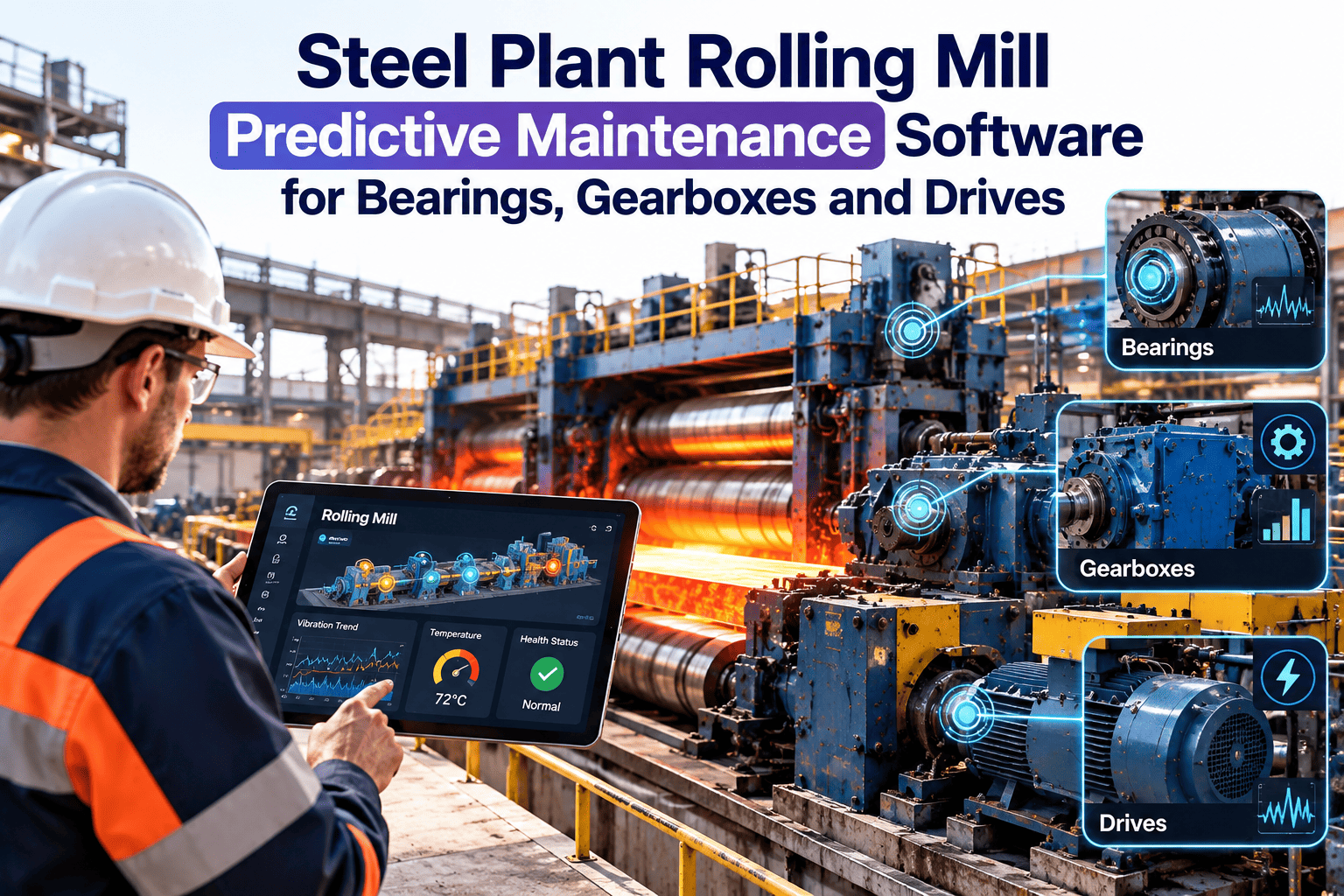
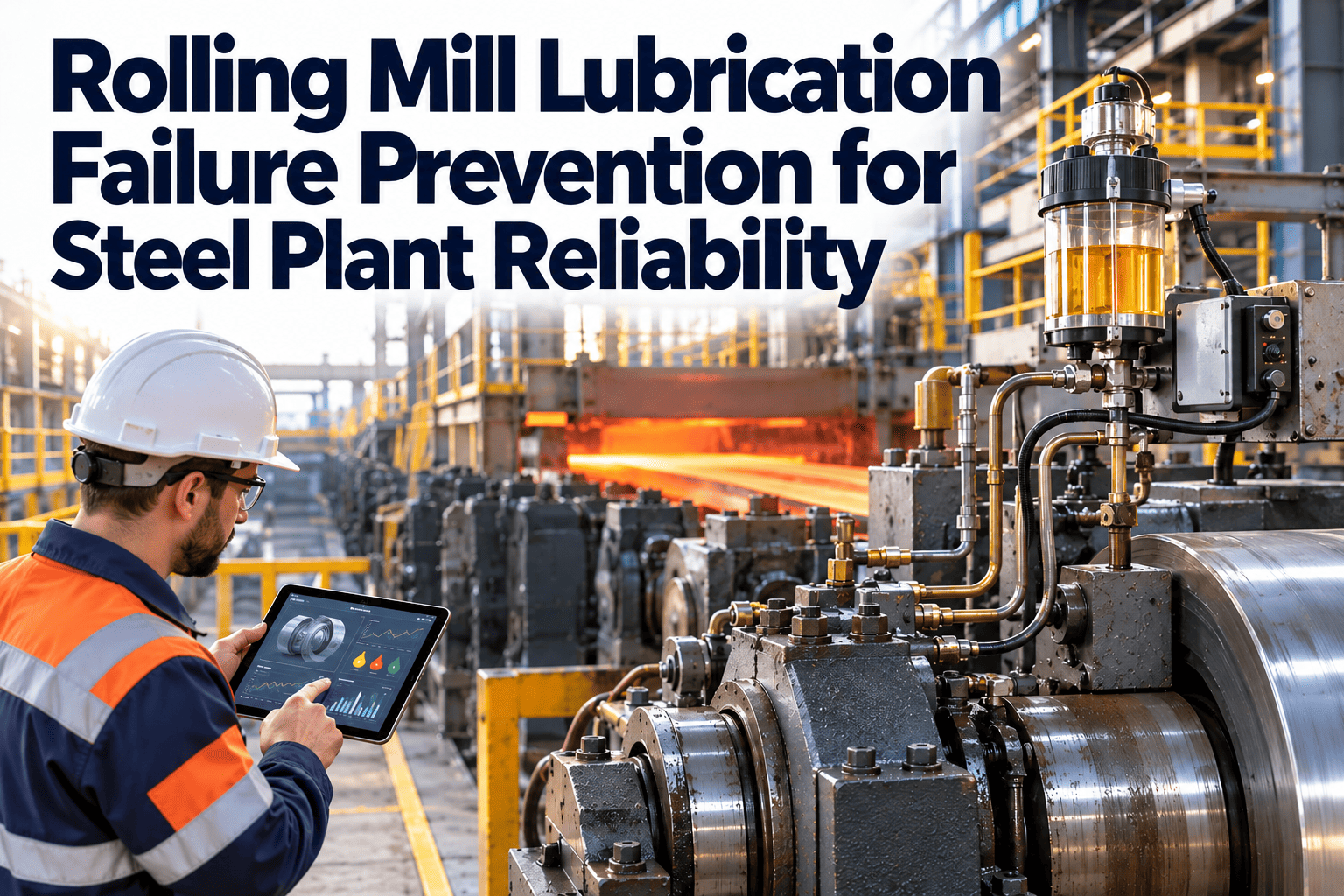
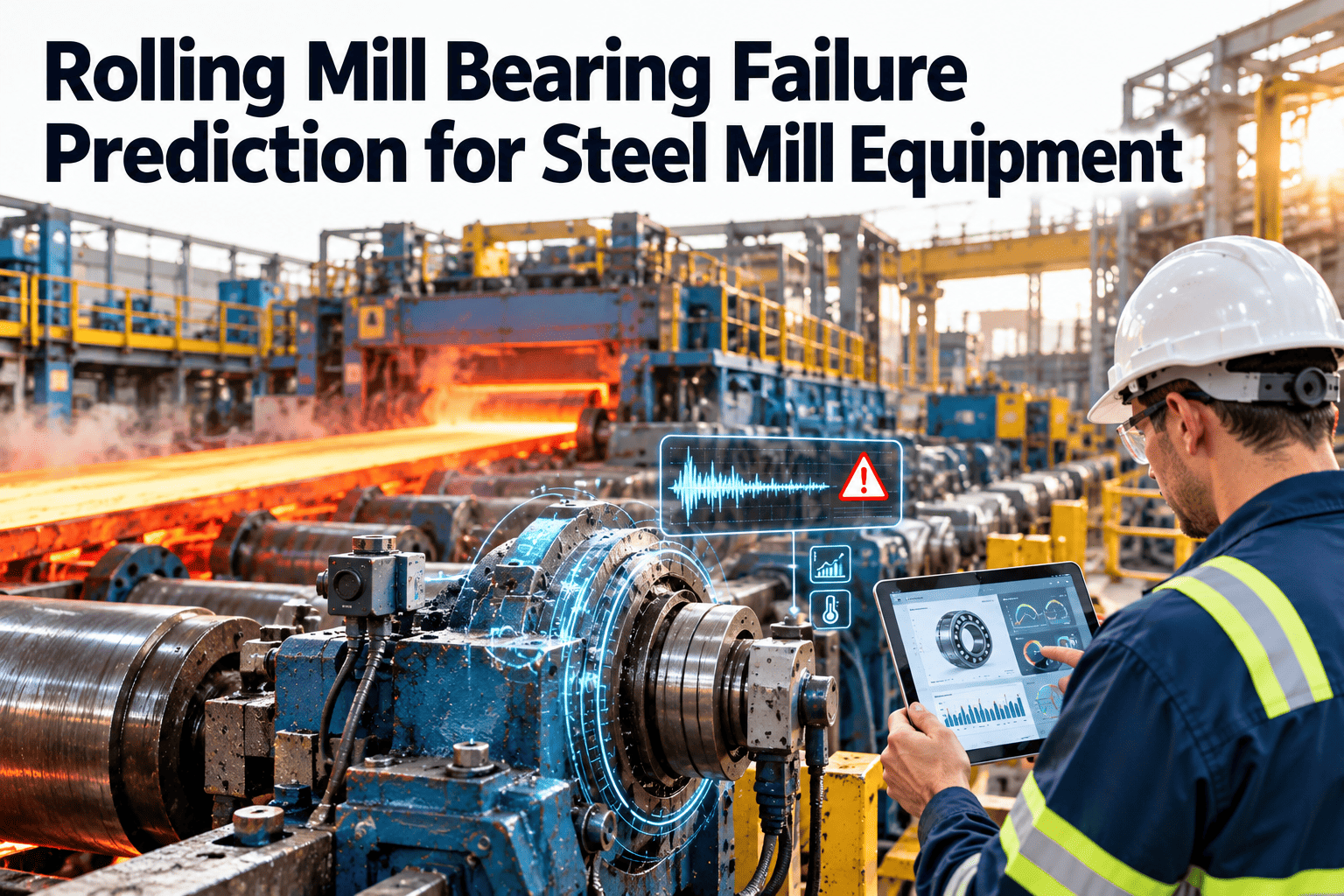
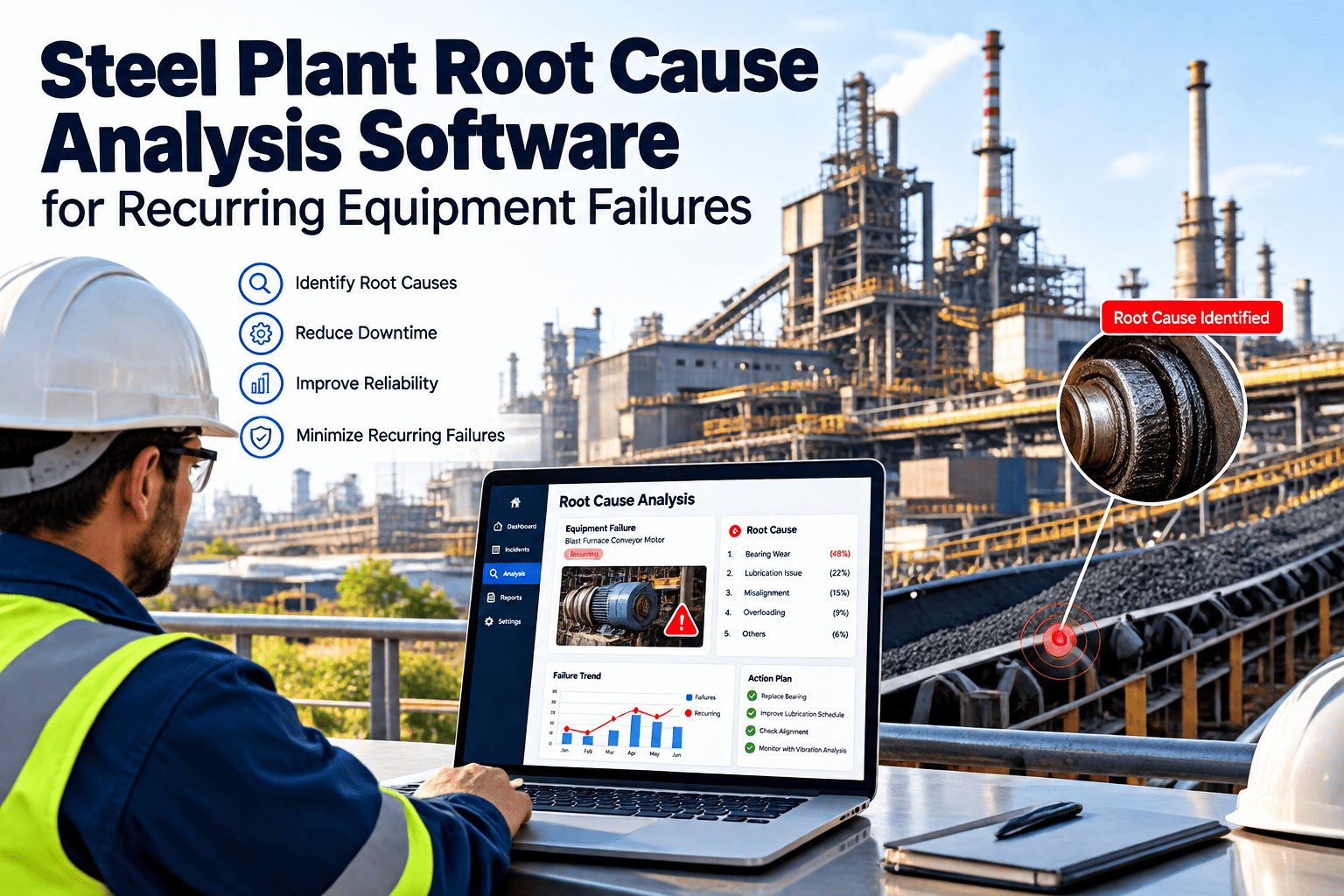
A single catastrophic equipment failure in a steel plant costs $500K–$8M in emergency repairs, lost production, and collateral damage. Most integrated mills experience 25–40 major unplanned failures per year—totaling $20M–$80M in avoidable losses. The pattern is always the same: a bearing that was "fine last week" seizes without warning, a gearbox that "sounded normal" scatters metal fragments through an entire drive train, a transformer that "passed inspection" catches fire at 2 AM. But these failures aren't actually sudden. Every one leaves data signatures weeks before breakdown—vibration shifts, current anomalies, temperature drifts, oil contamination spikes—that human senses can't detect but AI-powered monitoring catches consistently. OXmaint's predictive maintenance platform monitors these signals across every critical asset, generating work orders 20–45 days before failure so your team repairs on your schedule, not the equipment's.
91%
of catastrophic failures show detectable precursor signals
20–45 days
average AI early warning lead time
$18M+
annual savings per integrated mill
62%↓
reduction in unplanned downtime
The 10 Costliest Equipment Failures in Steel Manufacturing
These ten failure types account for over 85% of unplanned downtime costs in integrated steel mills. Each one is preventable with the right monitoring—and each one follows a predictable degradation pattern that AI detects weeks before humans notice anything wrong. Plants using OXmaint's integrated maintenance platform monitor all ten from a single dashboard.
01
Blast Furnace Blower Failure
Blast Furnace · Turbo Blower House
Critical
$3.5–8Mper event cost
96–360 hrsdowntime
1–2×/yrindustry average
Why it's #1: A blast furnace cannot operate without hot blast. When the turbo blower trips, the entire furnace begins cooling—risking scaffold formation, tuyere damage, and in severe cases, a frozen hearth.
How AI catches it: ML models track surge proximity patterns, blade pass frequency harmonics, and bearing vibration envelope 20–35 days before failure.
02
Coke Oven Wall Cracking
Coke Oven Battery · Silica Brickwork
Critical
$3–8Mper oven lost
Permanentoven loss risk
2–4×/yrindustry average
Why it's #2: Coke oven walls cannot be cooled for inspection. Once a crack propagates, the oven is often lost permanently.
How AI catches it: AI detects gradual rises in pushing force 3–6 weeks before a sticker event.
03
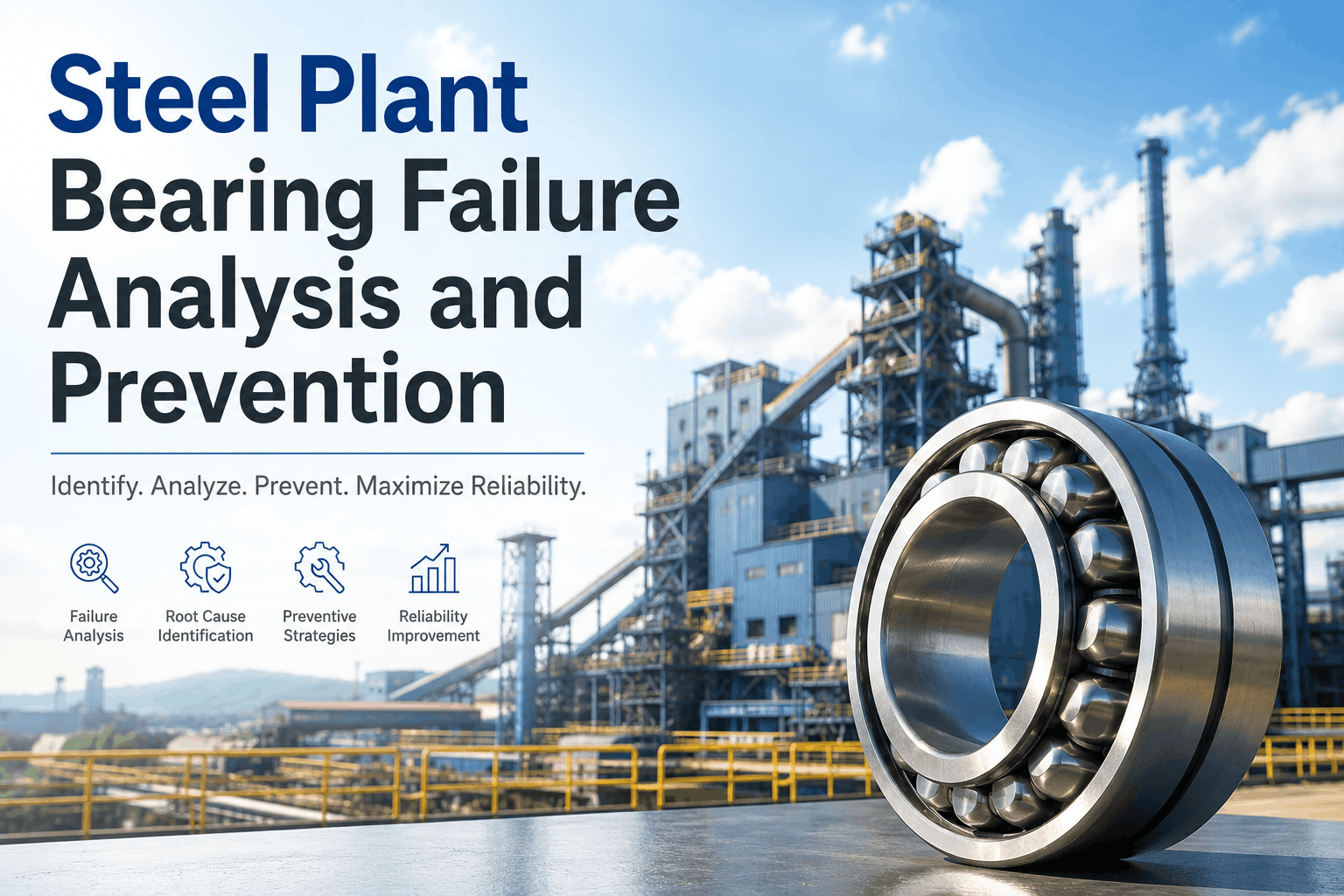
Main Drive Bearing Failure
Hot Strip Mill · Cold Mill · Plate Mill
Critical
$2.4–6.8Mper event cost
48–120 hrsdowntime
3–5×/yrindustry average
Why it's #3: Failure scatters debris through gearboxes and warps shafts, turning a bearing swap into a multimillion-dollar rebuild.
How AI catches it: Vibration spectrum analysis detects spalling and cage wear 30–45 days before functional failure.
Catch the Top 3 Before They Cost Millions
OXmaint generates work orders weeks before breakdown so your team repairs on schedule.
04
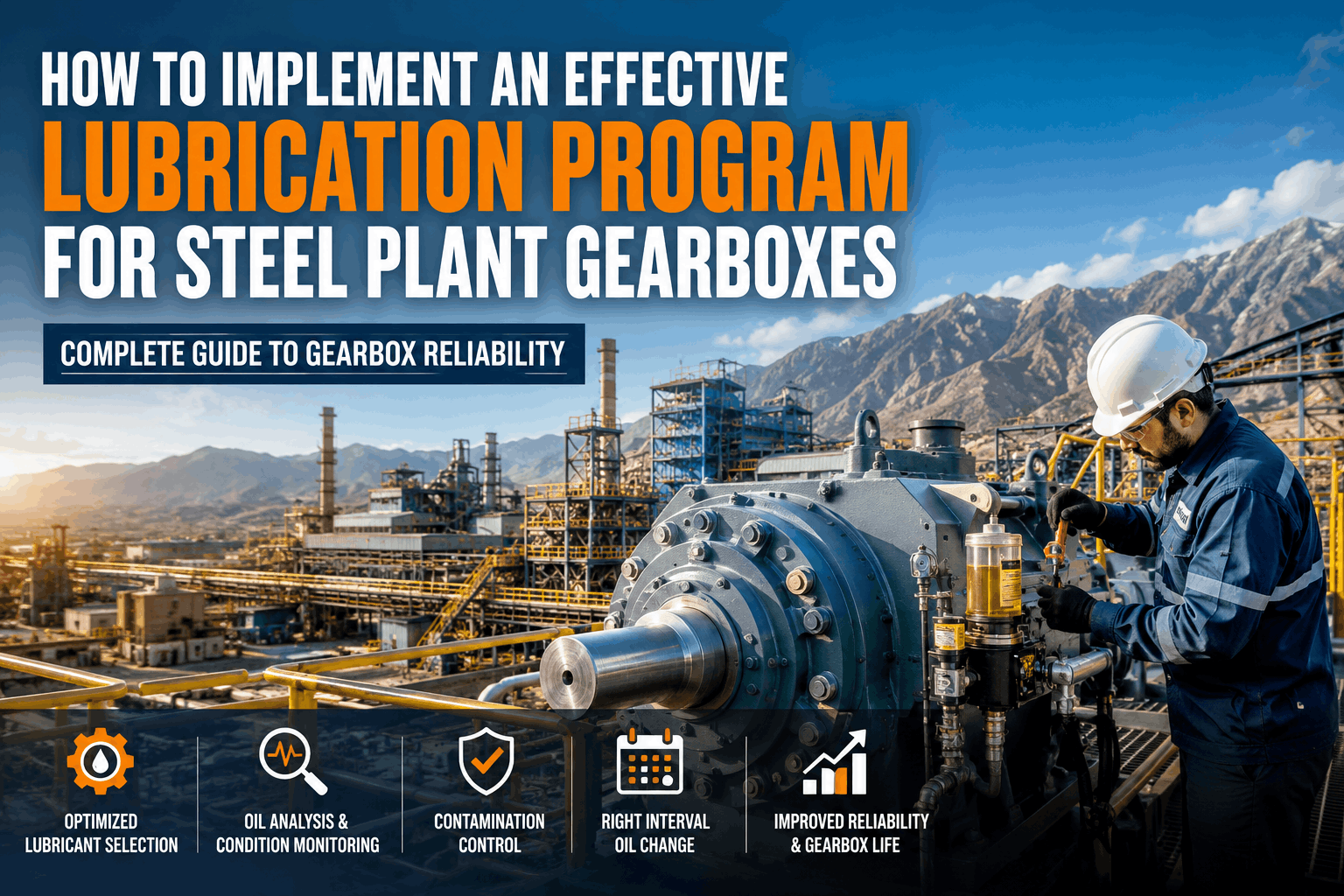
Gearbox Catastrophic Failure
Rolling Mills · Caster Drives · Converters
High
$1.8–4.2Mper event cost
72–240 hrsdowntime
2–4×/yrindustry average
Why it matters: Lead time for replacement gearboxes is 12–26 weeks. Failure means months of lost production.
How AI catches it: Gear mesh sidebands and oil particle surges detected 25–40 days before failure.
05
Transformer Failure
EAF · Ladle Furnace · Power Distribution
High
$1.5–5Mper event cost
120–720 hrsdowntime
1–2×/yrindustry average
Why it matters: EAF transformers have massive lead times. A failure can idle a melt shop for weeks.
How AI catches it: Dissolved gas analysis and hot spot migration patterns detected 30–60 days before failure.
06
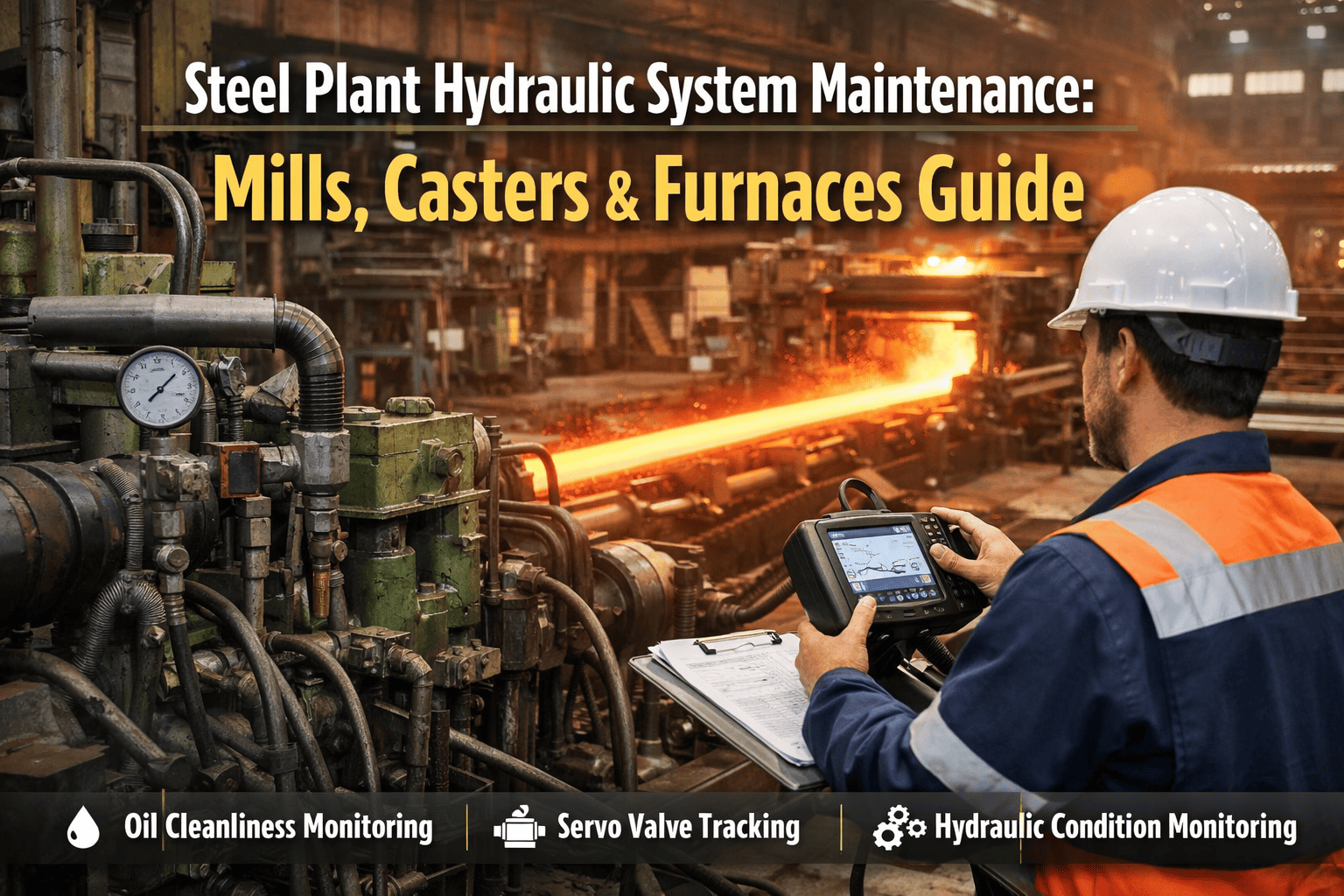
Hydraulic System Breakdown
Continuous Caster · Descaler · Coiler
High
$800K–2.1Mper event cost
24–72 hrsdowntime
6–10×/yrindustry average
Why it matters: Most frequent failure mode. Contamination can destroy servo precision in 48 hours.
How AI catches it: Servo response drift and particle spikes detected 14–30 days early.
07
Electric Motor Burnout
All Areas · 500+ Motors Per Plant
Medium
$200K–1.5Mper event cost
12–96 hrsdowntime
8–15×/yrindustry average
Why it matters: Volume failure. 8–15 annual burnouts cost millions in aggregate.
How AI catches it: Stator current signature analysis detects winding degradation 15–30 days early.
08
Crane & Hoist Failure
Ladle Cranes · Charging Cranes · EOT Cranes
Medium
$500K–3Mper event cost
24–168 hrsdowntime
3–6×/yrindustry average
Why it matters: High safety risk. Failure over liquid metal is life-threatening.
How AI catches it: Wire rope acoustic emission and brake wear tracking 14–28 days early.
09
Cooling System Failure
Caster Mold · Furnace Cooling · Roll Cooling
Medium
$1–4Mper event cost
8–48 hrsdowntime
4–8×/yrindustry average
Why it matters: Blockage risks breakout, destroying molds and creating safety emergencies.
How AI catches it: Flow rate micro-drops and tube fouling thermal signatures 10–25 days early.
10
Refractory Lining Failure
BOF · Ladle · Tundish · EAF
Monitor
$500K–2.5Mper event cost
24–120 hrsdowntime
3–6×/yrindustry average
Why it matters: Breakthrough is the most dangerous failure—liquid metal breaching containment.
How AI catches it: Shell temperature hot spot migration detected 5–15 days before breakthrough.
Cost Impact at a Glance
Protect Every Asset on This List. One Platform.
AI-powered monitoring for blowers, ovens, bearings, gearboxes, transformers, hydraulics, motors, cranes, cooling systems, and refractory.