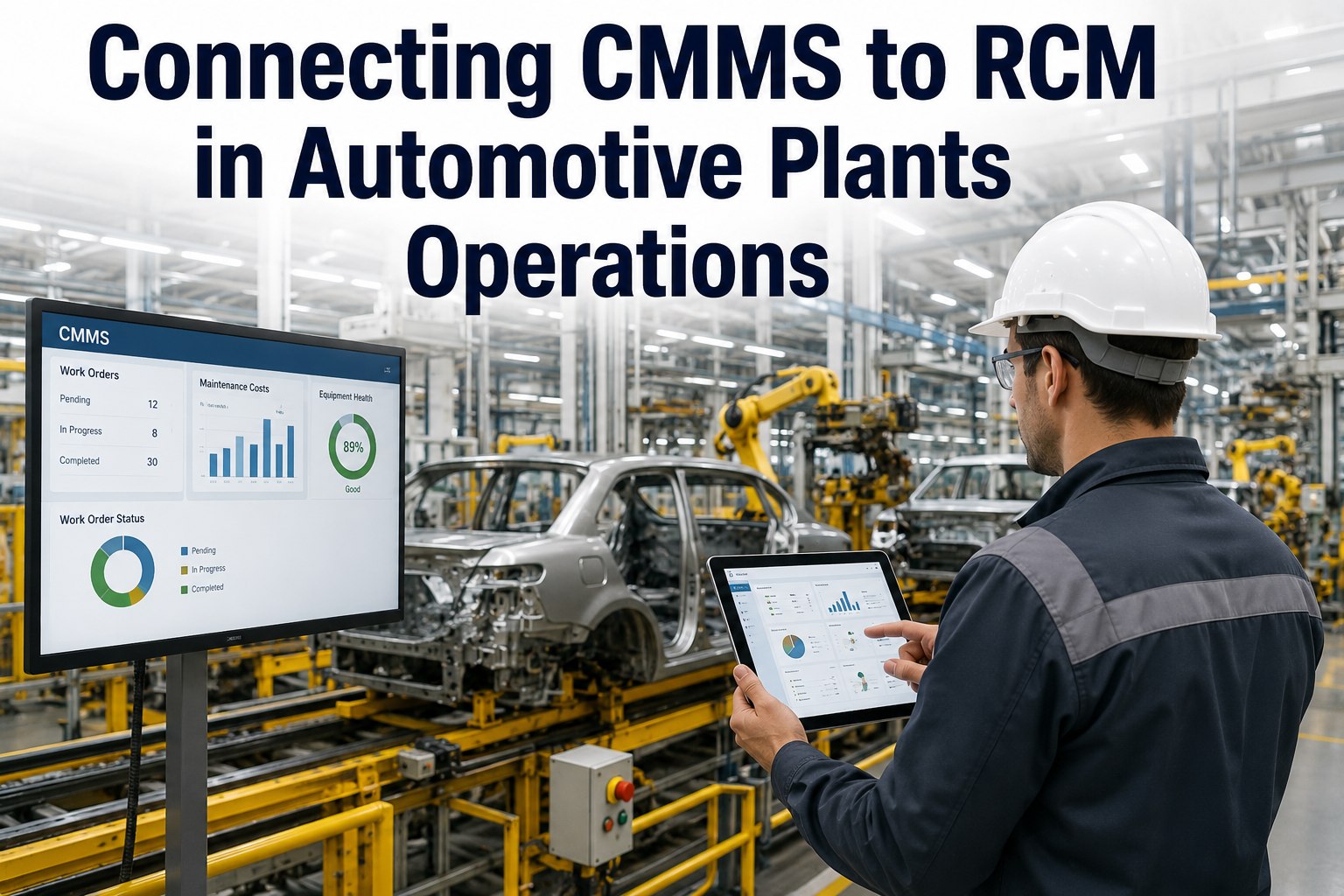
Connecting CMMS to RCM in automotive plants is the fastest way to move from reactive firefighting to a structured, predictive reliability program that keeps high-volume production lines running. When automotive maintenance teams link every failure mode directly to an automated work order trigger, they typically see a 20–40% drop in unplanned downtime within the first year. OxMaint makes this integration seamless by combining AI-powered predictive maintenance, automated work order generation, and real-time KPI tracking in one platform — deployable in weeks, not months. You can explore the full capabilities with a Start Free Trial or schedule a personalized walkthrough to see it on your own asset hierarchy.
CMMS + RCM Integration for Automotive
Is your CMMS actually driving reliability — or just logging breakdowns?
Most automotive plants run a CMMS and an RCM program in parallel, never connecting failure modes to automated tasks. OxMaint bridges that gap — linking every FMEA line item to a condition-based trigger, a PM schedule, and a spare-parts reservation so nothing falls through the cracks.
The Cost of Disconnection
Why most automotive plants CMMS deployments fail to deliver RCM results
An automotive stamping line can lose $8,000–$22,000 per hour of unplanned downtime — yet most plants use their CMMS as a glorified work-order log instead of the backbone of their reliability program.
Worked Example
A 180-asset automotive components plant spending $42K/yr on reactive maintenance and 14 hours/week on manual PM scheduling integrated OxMaint with their existing RCM framework. Within the first quarter, automated condition-based triggers eliminated 12 redundant PMs, auto-generated 340 work orders from IoT vibration data, and cut unplanned downtime by 31% — saving an estimated $96K in avoided line stoppages.
Step-by-Step Integration
How to connect CMMS to RCM in automotive plants: a 4-phase deployment
A structured rollout ensures every failure mode in your RCM analysis is mapped to an automated task, a responsible technician, and a measurable KPI inside OxMaint.
Asset Hierarchy Alignment
Map your RCM equipment breakdown structure into OxMaint's asset registry — from press line and weld cell down to individual servos, valves, and sensors. Every asset gets a unique ID, criticality rating, and parent-child relationship so failure modes inherit correctly.
Failure Mode Linkage
Import your FMEA data and link each identified failure mode to a specific maintenance strategy: run-to-fail, time-based PM, condition-based trigger, or predictive analytics. OxMaint automatically generates the corresponding work order template for each strategy.
Automation & Condition Triggers
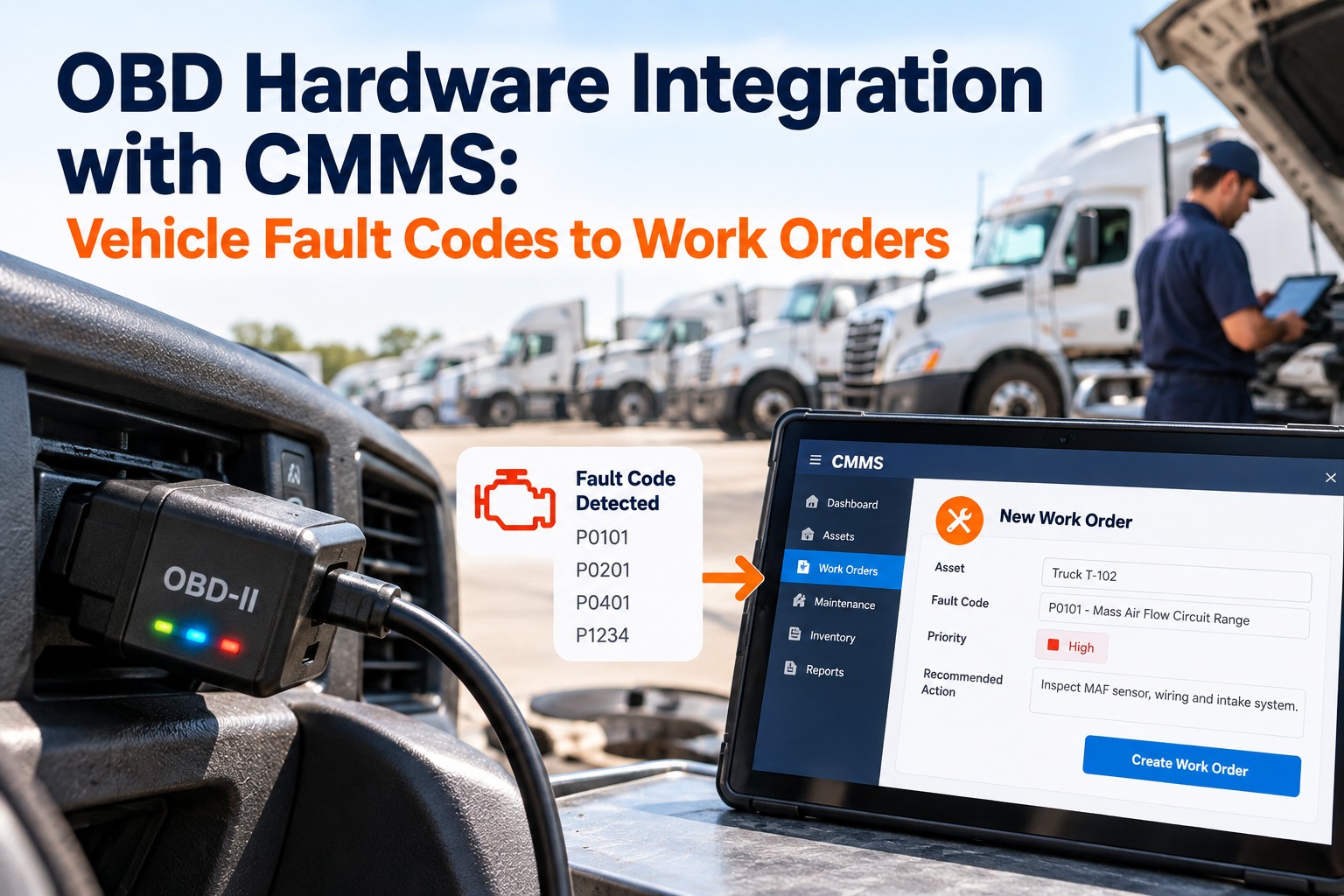
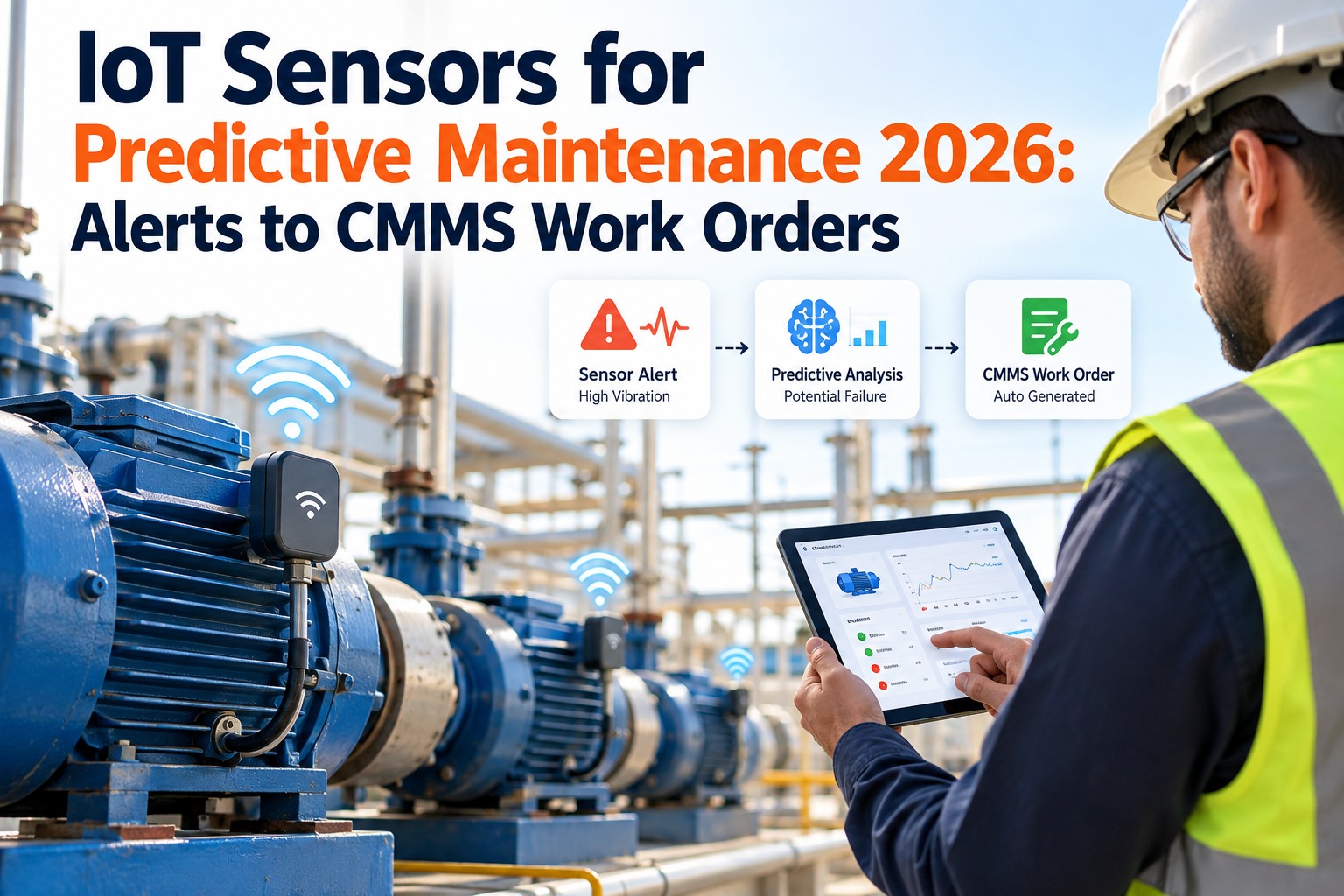
Connect IoT sensors, vibration analyzers, and oil-monitoring systems to OxMaint. Set threshold-based rules — when vibration on a critical spindle exceeds 4.5 mm/s, a high-priority work order auto-generates with parts, procedures, and technician assignment pre-filled.
KPI Tracking & Continuous Loop
Dashboards go live for MTBF, MTTR, OEE, and PM compliance. Closed work orders feed data back into the RCM analysis, letting reliability engineers re-evaluate task intervals and failure modes quarterly instead of annually.
CMMS Best Practices
Automotive plants CMMS best practices for maintenance system ROI
Following automotive maintenance best practices means treating your CMMS as a living system — not a static database. These checklists define what a mature, RCM-connected deployment looks like.
Work Order Management
- Every work order auto-linked to a failure mode code and asset criticality rating
- Mobile-first work order completion with photo capture and e-signature on the floor
- Automated priority escalation for overdue tasks on safety-critical assets
Preventive Maintenance
- PM schedules auto-generate from RCM-defined intervals, not guesswork
- Condition-based triggers override calendar PMs when sensor data warrants early action
- Spare parts pre-reserved against upcoming PMs to eliminate parts-stockout delays
Compliance & Audit Readiness
- Full audit trail for ISO 55000 and IATF 16949 maintenance record requirements
- Lockout/tagout procedures digitally attached to every relevant work order
- Calibration tracking for torque tools and measurement devices with expiry alerts
ROI Breakdown
What automotive plants work order automation and KPI tracking actually save
Use this formula to model the first-year financial impact of connecting your CMMS to your RCM program in an automotive maintenance environment.
Annual Reliability ROI Formula
ROI = (Downtime Cost Avoided + Labor Savings + Parts Optimization) − CMMS Software + Implementation Cost
| Savings Category | Typical Range | How OxMaint Drives It |
|---|---|---|
| Unplanned Downtime Reduction | $120K – $480K / yr | Predictive triggers and PM automation catch failures 2–4 weeks earlier |
| Maintenance Labor Efficiency | 15–25% gain | Mobile work orders and auto-routing cut wrench-time-to-search-time ratio |
| Spare Parts Inventory Optimization | $18K – $65K / yr | Parts reservations tied to PM schedules reduce emergency purchases and overstock |
| Energy & Scrap Reduction | 5–12% lower | Condition-based maintenance keeps equipment at optimal operating efficiency |
| Audit & Compliance Admin | 200+ hrs / yr saved | Automated record-keeping eliminates manual log compilation for IATF 16949 audits |
How OxMaint Helps
OxMaint capabilities that make CMMS-RCM integration automatic
OxMaint was built specifically for maintenance and reliability teams that need enterprise-grade CMMS + EAM functionality without a six-month implementation cycle.
AI-Powered Predictive Triggers
OxMaint's AI engine analyzes vibration, temperature, and oil-condition data in real time, automatically generating high-priority work orders when failure patterns emerge — cutting unplanned downtime by 30–50%.
Failure-Mode-Linked Work Orders
Every work order template maps directly to an RCM failure mode and asset criticality code, giving reliability engineers clean MTBF and MTTR data by failure type — no manual coding required.
One-Click KPI Dashboards
Plant managers get real-time OEE, PM compliance, and downtime-cost dashboards that auto-refresh — eliminating the 4 hours/week most teams spend building Excel reports for tier meetings.
Rapid Deployment & Onboarding
Import your asset hierarchy and PM schedules in days, not months. Technicians learn the mobile interface in under an hour — measurable downtime reduction typically visible in the first quarter.
See OxMaint on your assets — book a 30-min demo
Watch how fast your team can connect RCM failure modes to automated work orders, predictive triggers, and live KPI tracking. Bring your asset list — we'll build a live model during the call.
Frequently Asked Questions
CMMS RCM for automotive plants: what teams ask before deploying
How long does it take to integrate CMMS with RCM in an automotive plant?
With OxMaint, most automotive plants complete a full CMMS-to-RCM integration in 2–4 weeks — not the 6 months typical of legacy enterprise systems. The speed comes from bulk asset-hierarchy import, pre-built work order templates linked to common failure modes, and a mobile interface technicians learn in under an hour. You can see a live deployment timeline by booking a demo.
What KPIs should automotive plants track in a CMMS connected to RCM?
The five critical KPIs are MTBF (Mean Time Between Failures) by failure mode, MTTR (Mean Time to Repair), PM compliance percentage, OEE (Overall Equipment Effectiveness), and downtime cost per asset. OxMaint auto-calculates all five in real-time dashboards, eliminating the manual Excel reporting that consumes 3–5 hours per week for most maintenance managers.
Can OxMaint connect to existing IoT sensors and condition-monitoring equipment?
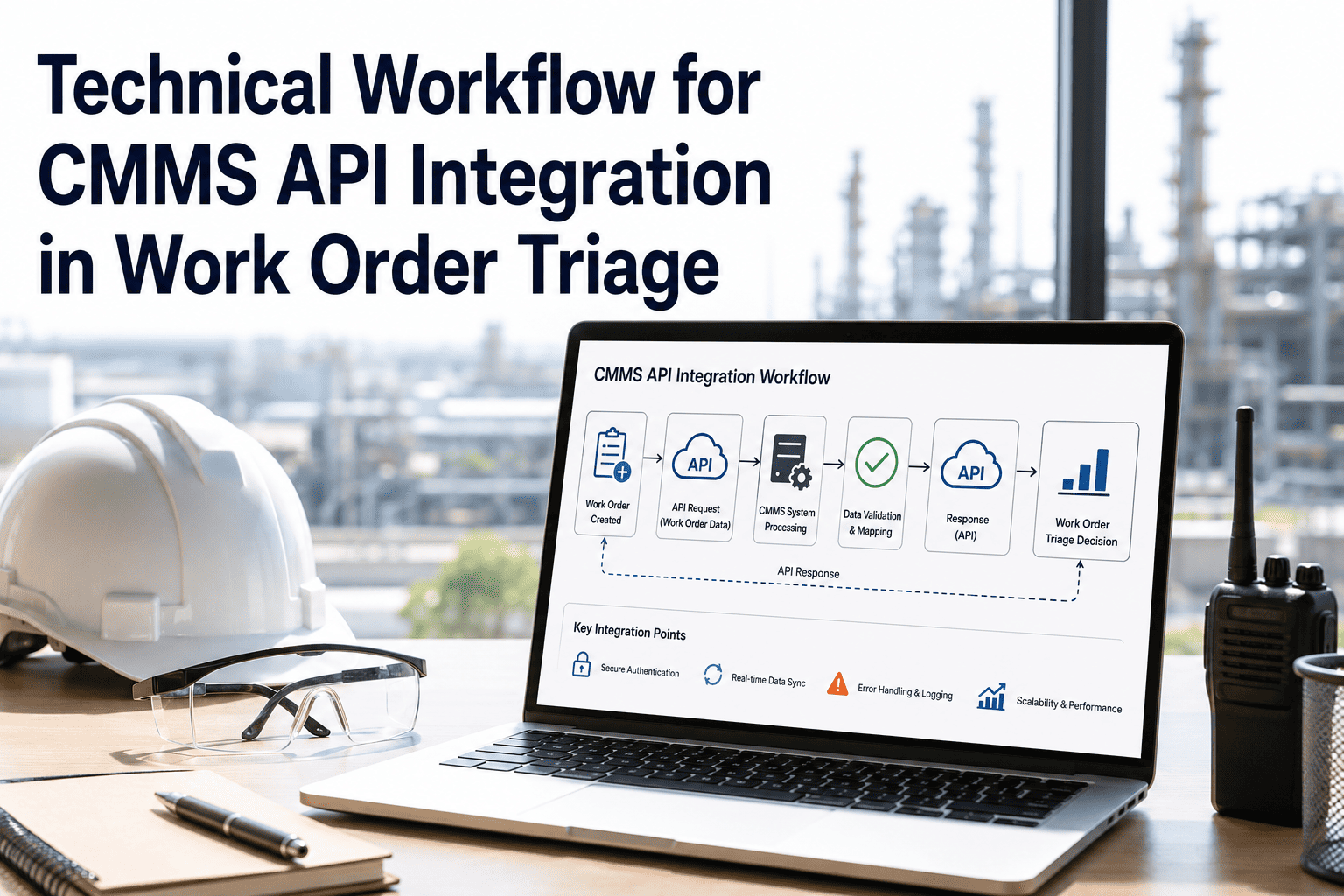
Yes. OxMaint integrates with standard vibration analyzers, thermal sensors, oil-monitoring systems, and PLC data streams via API and MQTT protocols. When a sensor reading crosses a threshold you define — say, 4.5 mm/s vibration on a critical spindle — OxMaint automatically generates a work order with the correct technician, parts, and procedure attached.
How does CMMS-RCM integration improve IATF 16949 and ISO 55000 compliance?
Every work order, PM completion, and failure event is timestamped, coded, and stored in an immutable audit trail — exactly what IATF 16949 and ISO 55000 auditors look for. OxMaint also digitally attaches lockout/tagout procedures and calibration records to each relevant task, so compliance documentation is generated as a byproduct of doing the work, not as a separate administrative burden.
What does it cost to switch from spreadsheets or a legacy CMMS to OxMaint?
Most automotive plants recover the full first-year cost of OxMaint through downtime avoidance alone within the first 90–120 days. Pricing scales with asset count and user seats, and there are no implementation fees for standard deployments. You can start a free 14-day trial with no credit card required, or book a demo to get a custom ROI model built for your plant.
Connect your CMMS to RCM — and start reducing downtime this quarter
OxMaint gives automotive maintenance and reliability teams the automated maintenance platform they need to turn failure modes into action — without a six-month implementation. Deploy in weeks, train technicians in hours, and see measurable downtime reduction in the first quarter.
Free 14-day trial · No credit card required