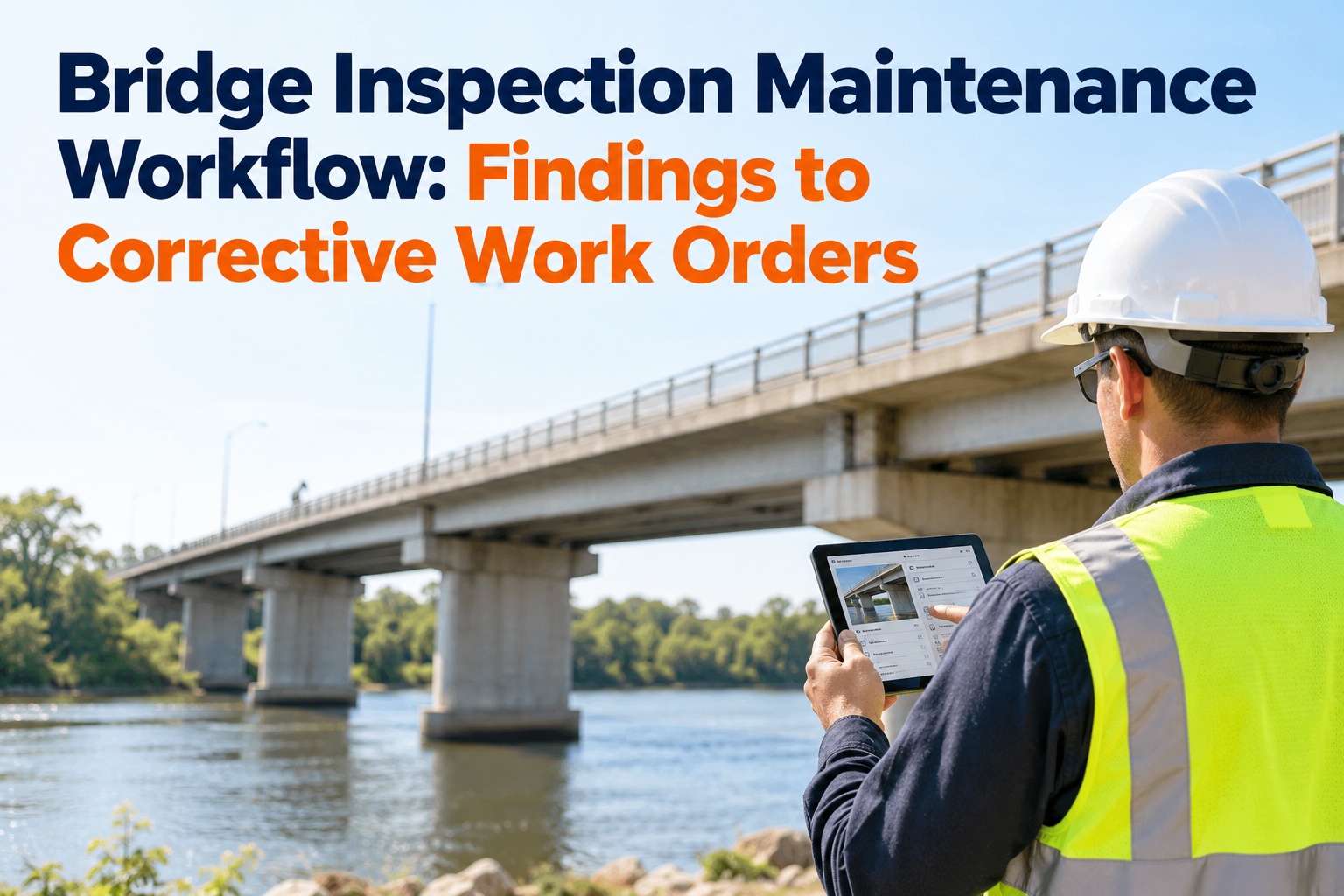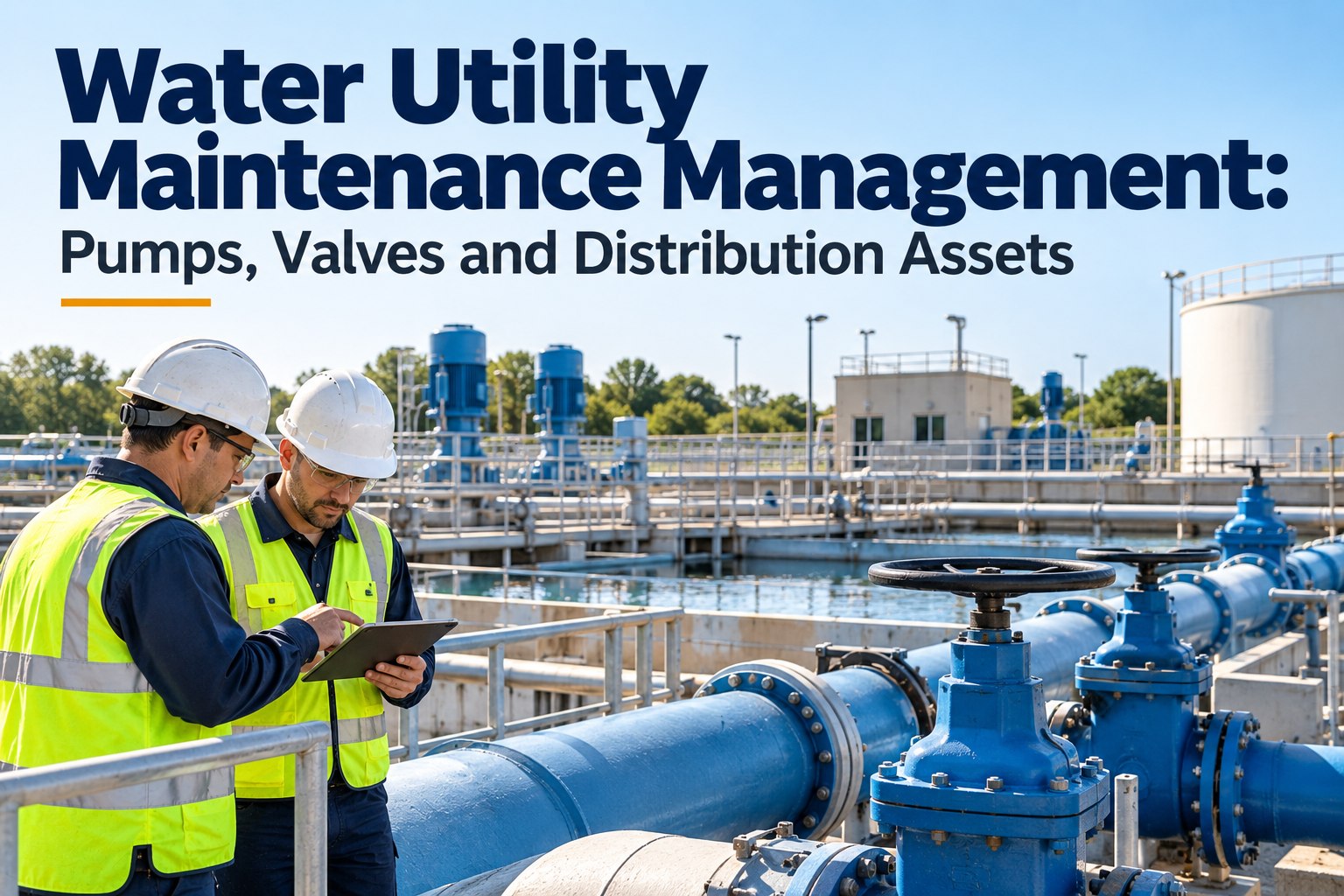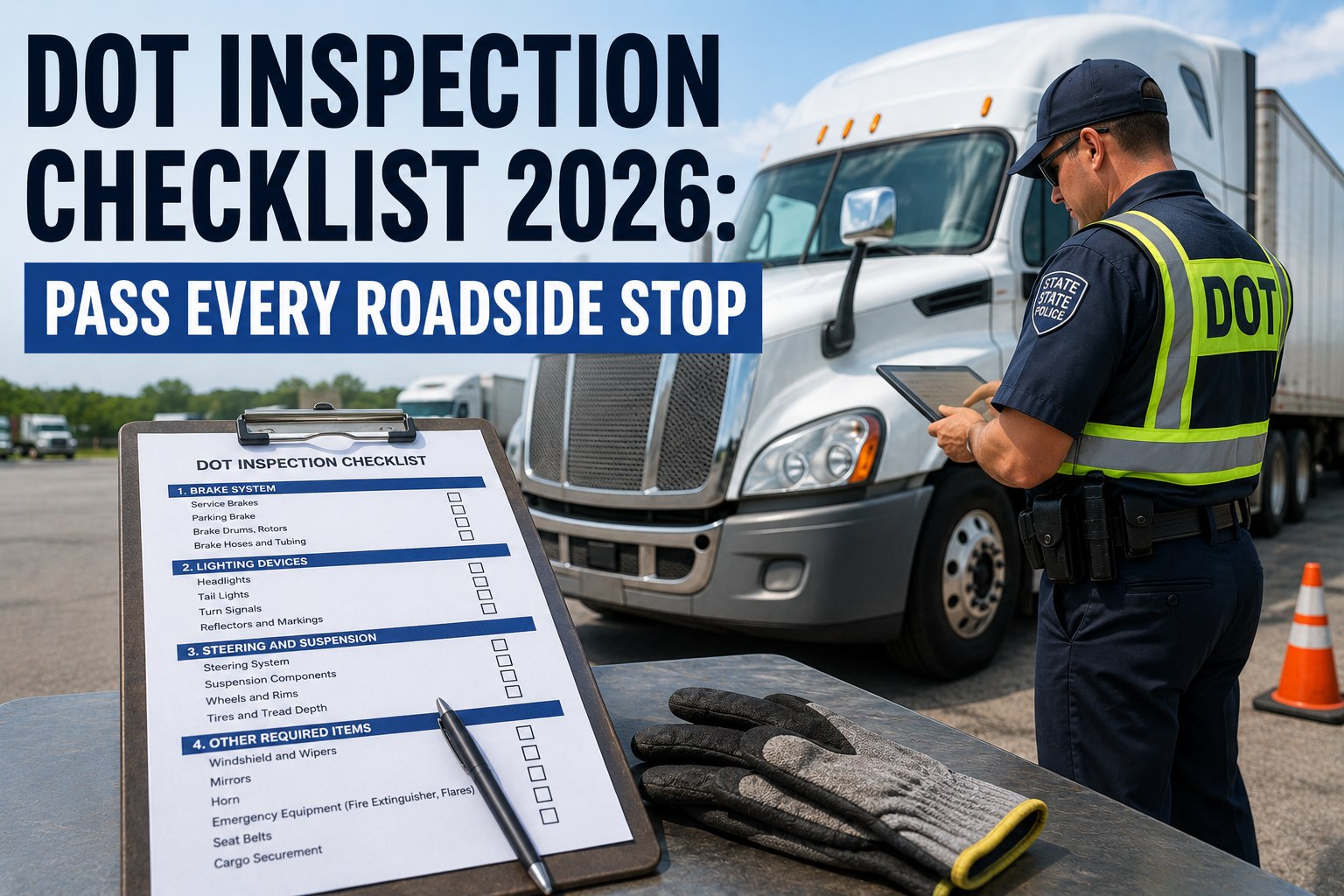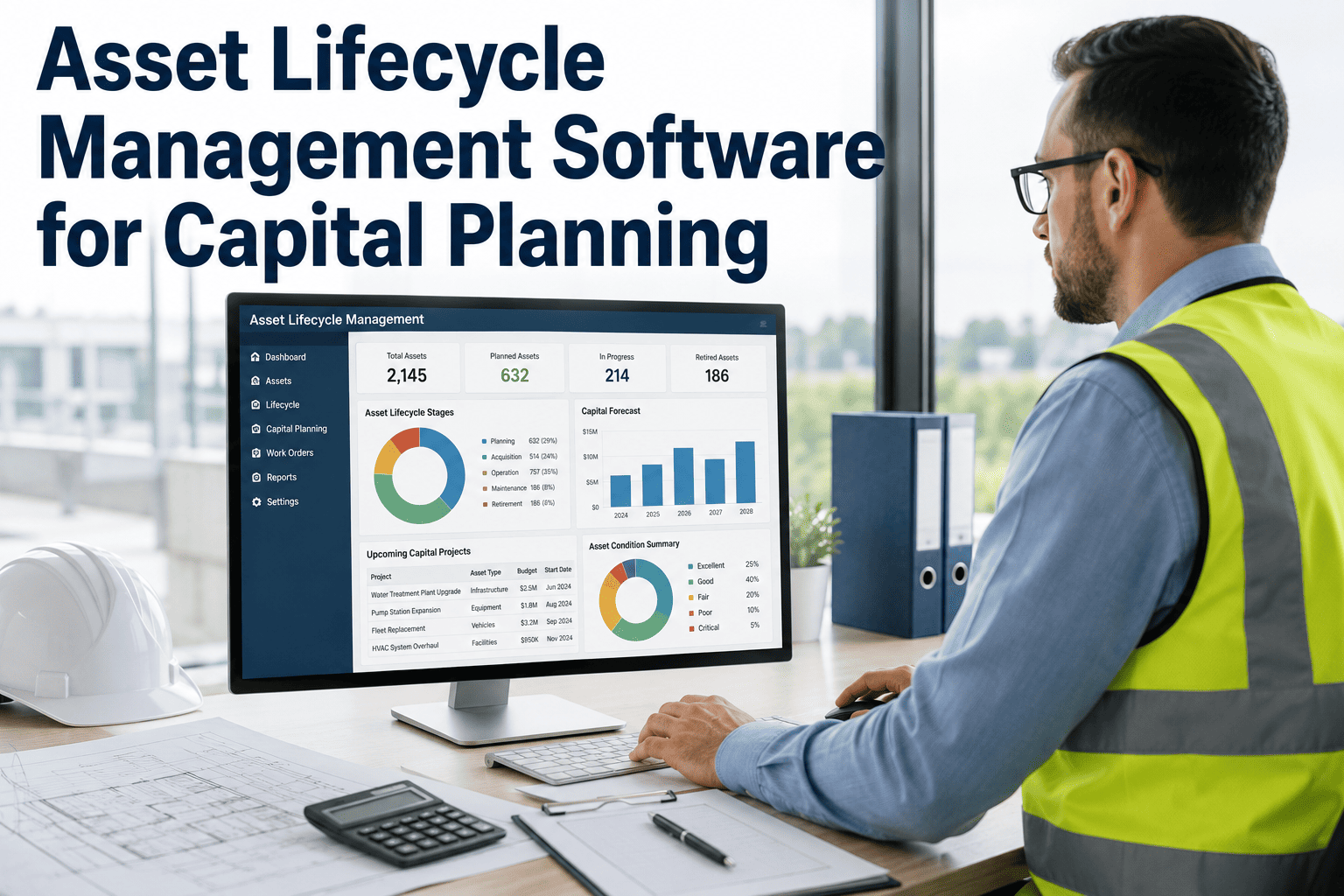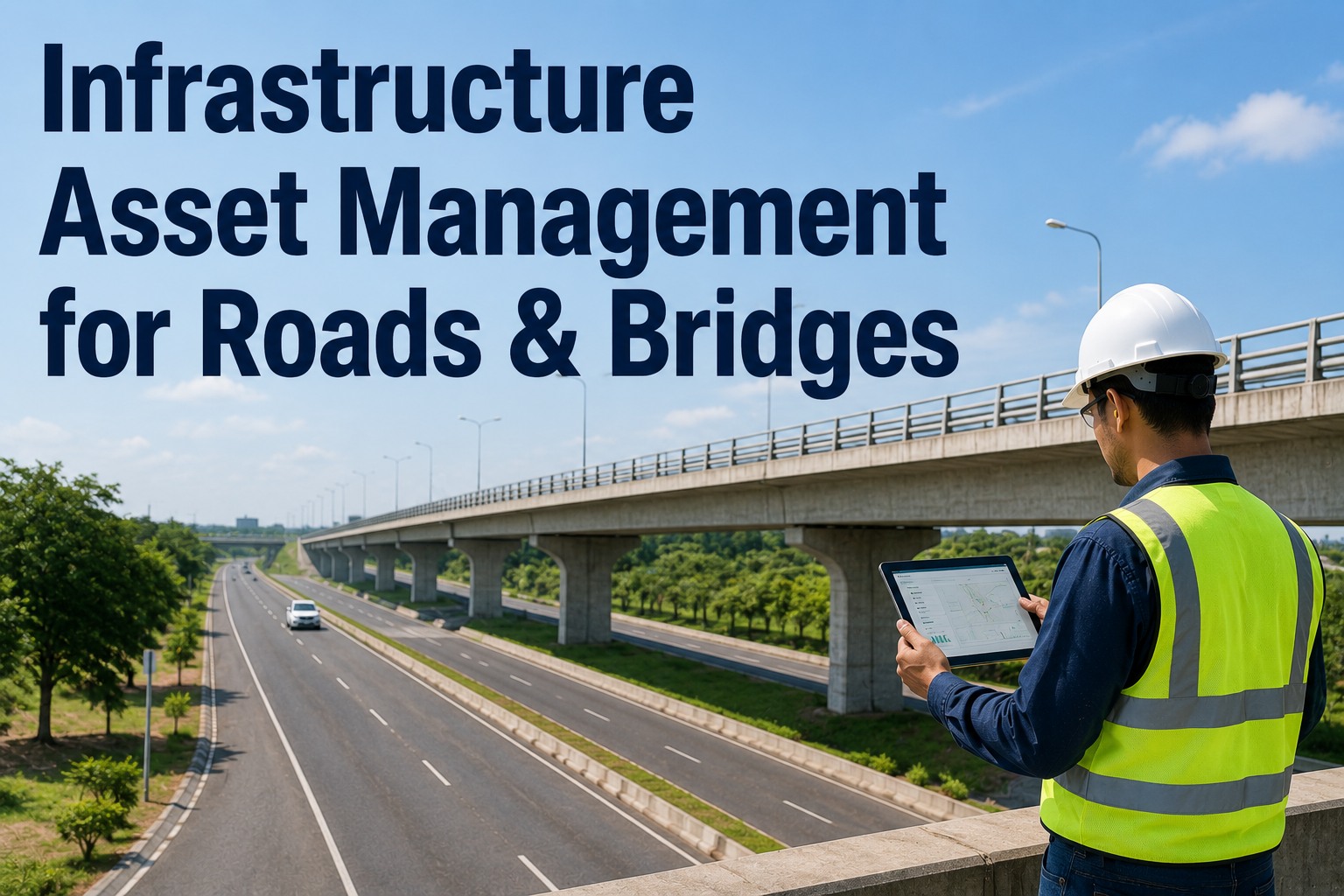
Infrastructure asset management for roads and bridges encompasses the systematic processes public agencies use to inventory, assess, and maintain transportation networks across their full lifecycle. Driven by federal mandates like MAP-21 and FHWA requirements, agencies must maintain a Transportation Asset Management Plan (TAMP) to qualify for federal funding and ensure public safety. By transitioning from reactive patching to data-driven road maintenance management and bridge inspection tracking, organizations can extend infrastructure lifespans, reduce long-term costs, and defend their maintenance budgets with hard data. See how Start Free Trial makes this transition seamless for public works teams.
FHWA-Defensible Infrastructure Management
Is your agency still relying on disconnected spreadsheets for bridge inspection and road maintenance tracking?
Federal regulations demand rigorous transportation asset management. OxMaint centralizes your infrastructure condition assessment data, automates compliance reporting, and prevents critical assets from slipping through the cracks.
$147B
Estimated national backlog for bridge and road infrastructure maintenance repairs.
Infrastructure Lifecycle Planning
What is road and bridge infrastructure asset management?
Infrastructure asset management is the strategic, continuous process of maintaining, upgrading, and operating physical transportation assets cost-effectively throughout their entire lifecycle. For roads and bridges, this combines engineering principles with sound business practices and economic theory. It provides a structured framework for public infrastructure management, ensuring that data-driven decisions replace reactive, worst-first approaches.
Maintenance Prioritization Framework
How to prioritize public works infrastructure maintenance
Prioritizing public works infrastructure maintenance requires balancing limited budgets against safety risks, federal compliance requirements, and traffic impact. Agencies must evaluate the condition of pavement and structural elements, calculate the remaining service life, and weigh the cost of intervention. The goal is to apply the right treatment at the right time—moving away from costly full reconstructions toward automated, predictive maintenance.
- Centralize pavement condition ratings (PCR) and National Bridge Inventory (NBI) scores.
- Track degradation rates for concrete, steel, and asphalt components.
- Automate recurring bridge inspection schedules to meet FHWA 24-month mandates.
- Score assets based on traffic volume, detour length, and structural vulnerability.
- Flag high-risk overpasses and load-restricted bridges automatically.
- Prioritize work orders for assets carrying emergency evacuation routes.
- Compare preventive maintenance costs against full asset replacement value.
- Forecast 10-year capital expenditure needs based on deterioration curves.
- Justify budget requests with quantifiable ROI and deferred-maintenance costs.
OxMaint Advantage
How OxMaint supports transportation asset management
OxMaint bridges the gap between complex federal compliance requirements and daily maintenance operations. By acting as a centralized EAM and CMMS, the platform allows transportation managers to translate raw bridge inspection and pavement condition data into actionable, prioritized work orders—eliminating the blind spots caused by legacy systems.
Automated Bridge Inspection Cycles
Schedule and track routine, fracture-critical, and underwater inspections. Digitized forms ensure field crews capture NBI ratings accurately, keeping your agency FHWA-compliant and audit-ready.
Pavement Condition Tracking
Log distress data and track pavement condition indices over time. OxMaint's analytics predict optimal timing for seal coats and overlays, cutting road infrastructure maintenance costs by up to 25%.
TAMP Data Consolidation
Aggregate asset inventory, condition data, and risk scores into a single dashboard. Generate reports in minutes that directly support your Transportation Asset Management Plan requirements.
Maintenance-Ready Inventory
Track spare parts like expansion joints, guardrails, and signage. Ensure crews have the right materials staged before road closures begin, minimizing traffic disruption and labor costs.
ROI & Cost Recovery
Infrastructure maintenance software cost and ROI breakdown
When evaluating infrastructure asset management software, transportation agencies must weigh the subscription cost against the massive financial burden of emergency repairs and premature asset replacement. A reactive maintenance strategy typically costs 3 to 4 times more over a 20-year lifecycle. By adopting a structured CMMS, agencies see a measurable ROI within the first 18 months.
By shifting from a reactive to a preventive model using OxMaint, a regional transportation department managing 500 miles of roadway and 45 bridges can reduce emergency repair events by 40%, saving an estimated $1.2M annually in unplanned capital expenditures.
| Maintenance Strategy | Avg. Cost per Lane-Mile / Year | Asset Lifespan Impact | Compliance Risk |
|---|---|---|---|
| Reactive (Breakdown) | $12,500+ | -30% (Shortened) | High (Audit Failures) |
| Preventive (Scheduled) | $5,200 | +10% (Baseline) | Moderate |
| Predictive (OxMaint AI) | $3,100 | +25% (Extended) | Low (FHWA-Ready) |
Stop losing federal funding to poor infrastructure documentation
Book a 30-minute demo to see how OxMaint maps your road and bridge data into a defensible Transportation Asset Management Plan.
Frequently Asked Questions
Common questions about infrastructure asset management
What is a Transportation Asset Management Plan (TAMP)?
A TAMP is a strategic document required by FHWA under MAP-21 that outlines how a state or local agency will manage its pavement and bridge assets over a minimum 10-year period. It must include asset inventory, condition data, performance targets, and a financial plan. You can build and maintain these required data sets by starting a Start Free Trial with OxMaint.
How often should bridge inspections be conducted?
Under FHWA regulations, routine bridge inspections must be conducted at least once every 24 months. For bridges with fracture-critical members or underwater foundations, specialized inspections may be required more frequently. OxMaint automates these compliance schedules to ensure no inspection windows are missed.
What is the difference between EAM and CMMS in public infrastructure?
A CMMS focuses on executing work orders, scheduling preventive maintenance, and tracking labor and parts. An Enterprise Asset Management (EAM) system encompasses CMMS functions but adds lifecycle planning, risk assessment, and asset performance analytics. OxMaint provides a unified EAM/CMMS platform built for transportation teams.
How does infrastructure maintenance software improve federal compliance?
It centralizes condition assessment data and automatically generates audit trails for every maintenance action performed on an asset. This ensures that when FHWA reviews your TAMP or inspects your records, you have verifiable, timestamped proof of maintenance and inspection compliance.
Can OxMaint track pavement condition and degradation?
Yes. OxMaint allows agencies to log Pavement Condition Index (PCI) scores, track distress types like rutting or cracking, and use historical data to predict when a road segment will drop below acceptable service levels, triggering automated preventive work orders.
Modernize your road and bridge maintenance today
Join the public works agencies using OxMaint to cut maintenance costs, ensure FHWA compliance, and extend the life of their transportation infrastructure.
Free 14-day trial · No credit card required