Best IoT Acoustic Monitoring + Robotic Leak Detection Systems 2026
Industrial leak detection has entered a new era. Legacy methods—manual walkarounds with handheld ultrasonic guns, periodic pressure-drop tests, and reactive responses to visible failures—cannot keep pace with the scale, speed, and severity of leak-related losses across modern facilities. The U.S. Department of Energy estimates compressed air leaks alone waste $3.2 billion annually across manufacturing, while process fluid leaks in oil and gas, chemical, and water infrastructure cost tens of billions more in lost product, environmental penalties, and unplanned downtime.
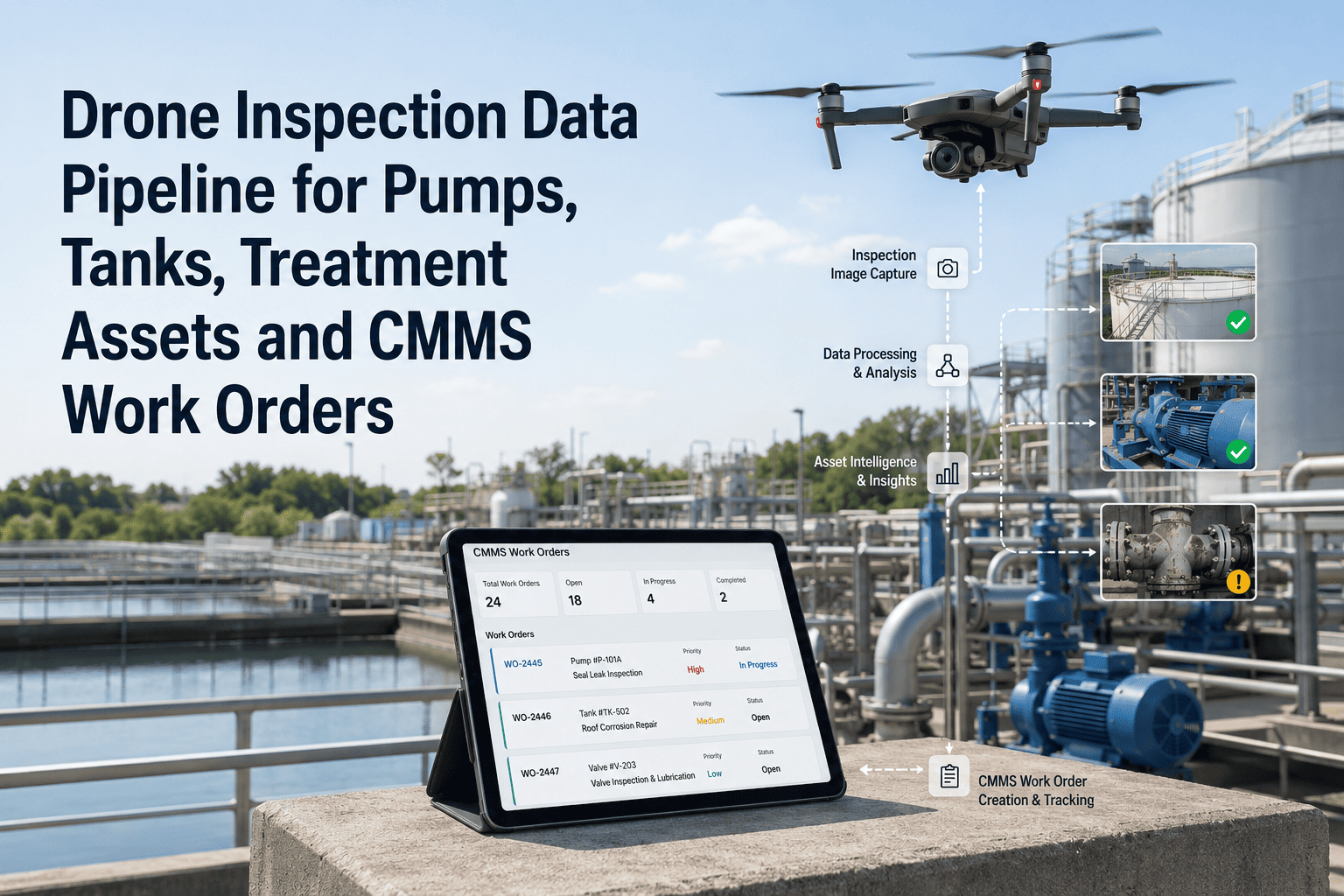
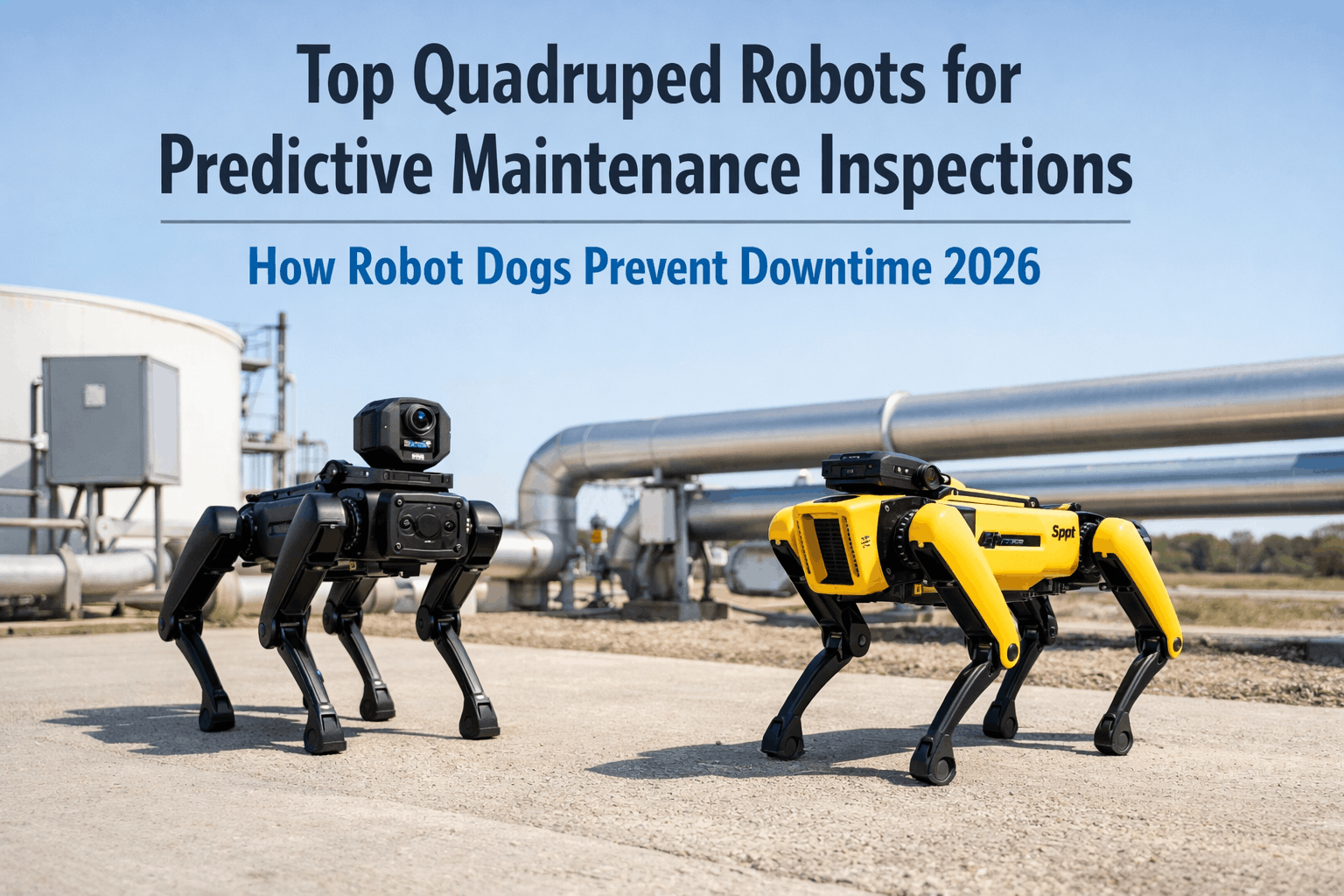
In 2026, the convergence of IoT acoustic monitoring sensors, autonomous robotic confirmation, and CMMS-driven repair prioritisation has created a fully closed-loop leak management pipeline: fixed sensors detect anomalies continuously, quadruped robots autonomously verify location and severity with multi-modal confirmation, and platforms like Oxmaint calculate repair priority and cost impact automatically—generating work orders before a single technician is dispatched. This guide evaluates the best systems, explains the integration architecture, and provides the complete framework for deploying acoustic-robotic leak detection at your facility. Start your free Oxmaint trial and connect IoT acoustic data to automated maintenance workflows today.
Complete Guide 2026
Best IoT Acoustic Monitoring + Robotic Leak Detection Systems
IoT acoustic sensors detect leaks continuously. Robots confirm location and severity autonomously. CMMS calculates repair priority, cost impact, and energy recovery—closing the loop from detection to verified repair without manual intervention. This is the definitive guide to selecting, deploying, and integrating the best acoustic-robotic leak detection systems available in 2026.
System Architecture: How the Three Layers Work Together
The best leak detection programmes in 2026 operate across three integrated layers: permanent IoT acoustic sensors for continuous monitoring, autonomous robots for physical confirmation, and CMMS platforms for repair orchestration. Each layer solves a specific weakness of the previous generation—and together they eliminate the gaps that allow leaks to persist undetected for weeks or months. Understanding this architecture is essential for selecting the right combination of hardware, software, and integration for your facility.
Oxmaint auto-generates prioritised work orders with cost impact, severity, location, and evidence from robot verification
Layer 3 | Auto Work Orders | Priority Scoring
Repair Verification Loop
Post-repair robot re-scan confirms fix success; CMMS auto-closes work orders with documented evidence and savings
Layer 3 | Closed-Loop | Verified Savings
Continuous Improvement Analytics
Trend analysis identifies chronic leak zones, failure-prone components, and sensor threshold optimisations over time
All Layers | Predictive Intelligence | Feedback Loop
The Cost of Undetected Leaks: Failure Cascade
Undetected leaks don't stay small. A minor compressed air leak that costs $500/year today becomes a $5,000/year loss when fittings degrade further. Process fluid leaks escalate from drips to environmental incidents. The cascade below shows how a single undetected leak triggers compounding operational, financial, and safety consequences—and why continuous acoustic monitoring with robotic confirmation breaks the chain before costs escalate. Discover how closed-loop detection prevents this cascade.
Undetected Leak Escalation ChainFrom minor acoustic signature to major operational failure
1
Leak Initiates
Fitting loosens, seal degrades, or corrosion creates micro-opening—emitting ultrasonic signature
Day 1
2
Undetected Growth
Without continuous monitoring, leak widens—CFM loss doubles every 60-90 days as gap expands
Weeks 2-12
3
Compressor Overload
System compensates for lost pressure—compressors run longer, consume more energy, wear faster
Months 1-6
4
Cascade Failures
Overworked compressors fail, downstream tools lose pressure, production quality drops
Best Platforms Compared: IoT Acoustic + Robotic + CMMS
We evaluated the leading IoT acoustic monitoring platforms, robotic verification systems, and CMMS integration capabilities across the criteria that matter most: detection sensitivity, false positive rate, robot dispatch automation, CMMS depth, and verified savings tracking. Here is an honest head-to-head comparison for 2026 to help operations teams shortlist the right combination.
A structured monitoring and maintenance calendar ensures your acoustic-robotic detection programme delivers sustained results rather than a one-time survey. The combination of always-on IoT sensors and periodic robot patrols creates layered coverage where no leak persists undetected for more than 24 hours—regardless of when it forms.
Continuous
IoT acoustic sensors monitor all distribution lines 24/7/365Edge gateways filter noise and classify acoustic signatures in real-timeValidated alerts push to CMMS for priority queuing automaticallyAnomaly dashboards update live for control room operators
Daily
Robot dispatched to validate highest-priority IoT alertsMulti-modal confirmation: thermal + acoustic + visual at each locationVerified findings pushed to CMMS with evidence packagesFalse positives logged and fed back to sensor threshold tuning
Weekly
Scheduled robot patrol of secondary distribution zonesPost-repair verification scans on completed work ordersLeak count trending dashboard review with maintenance leadSensor health check and battery status monitoring
Monthly
Full-facility robot acoustic survey covering all zonesCFM recovery and kWh savings report generationChronic leak zone analysis and component failure trendingSensor threshold recalibration based on false positive data
Quarterly
Management ROI report with verified energy savings documentationCapital planning input from component failure trend dataUtility rebate application with documented kWh reductions
Connect IoT Acoustic Data to Automated Repair Workflows
Oxmaint ingests IoT sensor alerts, dispatches robotic verification, auto-generates prioritised work orders with cost impact calculations, and tracks verified energy savings—giving your maintenance team a clean queue of real problems instead of alert noise.
Leak Detection Maturity Spectrum: Where Does Your Facility Sit?
Most facilities operate somewhere between reactive manual surveys and fully automated detection. Understanding your current maturity level determines the integration strategy, investment priority, and expected ROI timeline for upgrading to acoustic-robotic detection with CMMS orchestration.
Level 1: Manual Reactive
Handheld Ultrasonic SurveysAnnual or Biannual FrequencyPaper/Spreadsheet RecordsNo CMMS Integration
Detection Gap: 4-12 months between leak formation and discovery. 60%+ false positive rate.
What CMMS Priority Scoring Delivers: From Raw Alert to Repair Action
The difference between a leak detection system and a leak management programme is the CMMS layer. Detection without prioritisation creates alert overload. Prioritisation without evidence creates guesswork. Oxmaint's CMMS scoring engine transforms raw acoustic alerts into rank-ordered, cost-quantified, evidence-backed repair actions that maintenance teams can execute efficiently.
Cost-Based Priority Ranking
Every leak is scored by estimated annual energy cost impact. A $5,000/year leak ranks before a $200/year drip—ensuring teams fix highest-ROI items first
65% faster leak-to-repair cycle with priority scoring
Multi-Modal Evidence Packages
Each work order includes robot-captured thermal images, acoustic spectrograms, visual photos, GPS coordinates, and CFM estimates—technicians know exactly what to fix
100% of findings documented with actionable evidence
Verified Repair Confirmation
Post-repair robot re-scan compares acoustic baseline to current reading—only confirmed fixes close work orders. No unverified repairs marked complete
0% of repairs marked complete without verification
Auditable Savings Documentation
Verified CFM recovery converts to kWh and dollar savings automatically—generating management-grade ROI reports and utility rebate documentation
$50K-$500K+ documented annual savings per facility
Turn Every Detected Leak Into Verified Energy Savings
From IoT acoustic alert ingestion to robot dispatch, multi-modal verification, priority-ranked work orders, and auditable savings tracking—Oxmaint provides the complete platform for closed-loop leak management that proves ROI to operations leadership.
Integration Toolkit: Connecting Sensors, Robots, and CMMS
The value of acoustic-robotic leak detection depends entirely on how well the three layers communicate. The integration toolkit below describes the six technical capabilities that Oxmaint provides to connect IoT acoustic sensors, quadruped robots, and maintenance workflows into a single automated pipeline.
01IoT Alert Ingestion Engine
Oxmaint receives acoustic alerts from any IoT sensor platform via MQTT, REST API, or OPC-UA. Each alert is normalised, deduplicated, and enriched with asset metadata—matching the alerting sensor to its specific equipment record, location, and maintenance history before any dispatch decision is made.
02Autonomous Robot Dispatch Logic
When an IoT alert exceeds configured thresholds, Oxmaint evaluates alert severity, asset criticality, and robot proximity to auto-dispatch the nearest available quadruped for physical confirmation. Priority queuing ensures critical alerts are verified first when multiple alerts fire simultaneously.
03Multi-Modal Evidence Capture
The robot captures thermal imagery, acoustic spectrogram, visual photographs, and gas readings at the alert location—creating a multi-sensor evidence package that eliminates single-sensor uncertainty. All data is time-stamped, geo-tagged, and linked to the originating IoT alert for full traceability.
04Priority-Scored Work Order Generation
Verified leaks auto-generate CMMS work orders ranked by annual cost impact. Each order includes CFM loss estimate, energy cost calculation, component identification, repair instructions, required parts, and the full robot evidence package—giving technicians everything needed for first-visit resolution.
05Post-Repair Verification Scanning
On subsequent patrols, the robot re-scans every repaired location. The CMMS compares post-repair readings to pre-repair baselines—auto-closing work orders only when acoustic evidence confirms the fix is complete. Incomplete repairs are automatically reopened with updated findings.
06Savings Analytics & Continuous Improvement
Track verified CFM recovery, kWh savings, dollar impact, repair completion rates, chronic leak zones, and component failure patterns. Generate management reports, utility rebate applications, and capital planning recommendations from a single analytics dashboard with auditable data trails.
Frequently Asked Questions
Q. How do IoT acoustic sensors differ from handheld ultrasonic detectors?
Handheld ultrasonic detectors require a technician to physically walk each line, point the instrument, interpret the signal, and record findings manually. IoT acoustic sensors are permanently mounted on distribution lines and monitor continuously—detecting leaks within hours of formation rather than waiting months between manual surveys. The sensors use AI-based signal classification to distinguish leak signatures from ambient noise, dramatically reducing false positives compared to human interpretation. Most importantly, fixed sensors never miss a shift, never skip a zone, and never forget to log a finding.
Q. Why do you need a robot if IoT sensors already detect the leak?
IoT sensors detect acoustic anomalies—but they cannot confirm what is leaking, assess severity visually, measure thermal signatures, or evaluate the surrounding asset context. A robot dispatched to the alert location cross-validates with thermal imaging, visual AI, and onboard acoustic analysis. This multi-modal confirmation eliminates false positives (which can exceed 40% with sensors alone), accurately sizes the leak, identifies the specific component, and captures evidence that technicians need for efficient repair. The robot turns a sensor alert into an actionable, evidence-backed work order. Sign up free to see how the verification workflow operates.
Q. What types of leaks can acoustic-robotic systems detect?
The combined system detects virtually any pressurised leak that produces an acoustic signature: compressed air leaks at fittings, couplings, valves, FRLs, and hose connections; steam leaks at traps, flanges, and expansion joints; gas leaks in distribution piping and process equipment; vacuum leaks in packaging and material handling systems; and hydraulic leaks at connections and seals. Thermal cameras on the robot additionally detect temperature anomalies from steam, hot fluid, and refrigerant leaks that acoustic sensors alone may not characterise fully.
Q. How does the CMMS calculate repair priority and cost impact?
Oxmaint's priority scoring engine combines IoT alert severity, robot-confirmed CFM loss estimate, asset criticality rating, and local energy cost per kWh to calculate the annual dollar impact of each leak. A 10 CFM leak at $0.12/kWh costs approximately $8,760/year—that leak ranks significantly higher than a 1 CFM leak costing $876/year. Work orders are automatically sorted by annual cost impact so maintenance teams fix the highest-ROI items first. Book a demo to see the priority scoring engine in action with your facility's energy rates.
Q. What is the ROI timeline for an IoT acoustic + robotic leak detection system?
Most facilities see measurable energy savings within 30 days of deployment as the first high-cost leaks are identified, verified, and repaired. Full programme ROI—including IoT sensor hardware, robot fleet costs, and CMMS subscription—is typically achieved within 6 months. Facilities spending more than $100,000 annually on compressed air energy commonly recover $50,000-$350,000 per year through verified leak repairs. Additional value comes from reduced compressor wear, avoided unplanned downtime, and utility energy rebates earned through documented kWh reductions. The verified savings documentation from the CMMS is the key to justifying programme expansion and proving ROI to operations leadership.