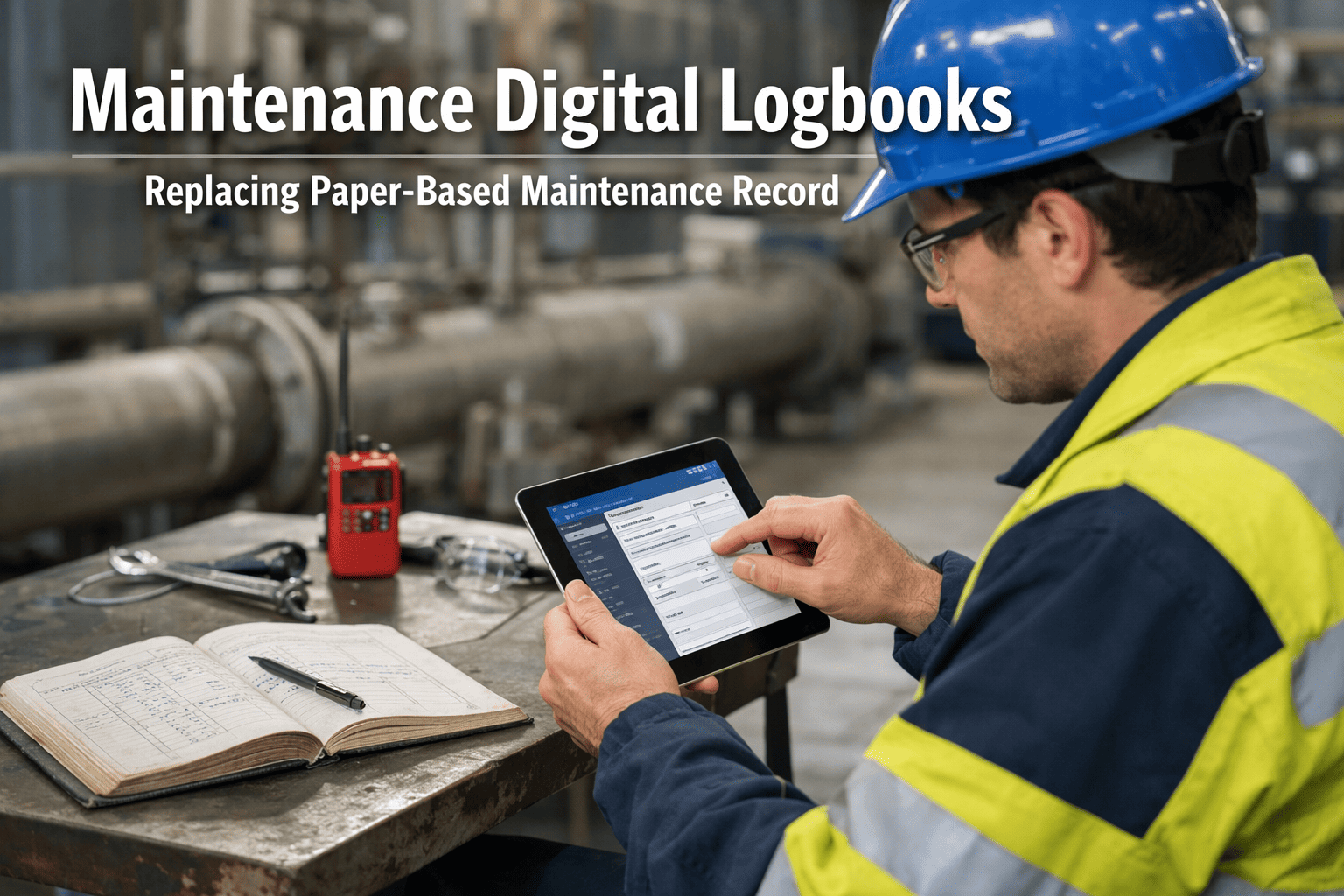
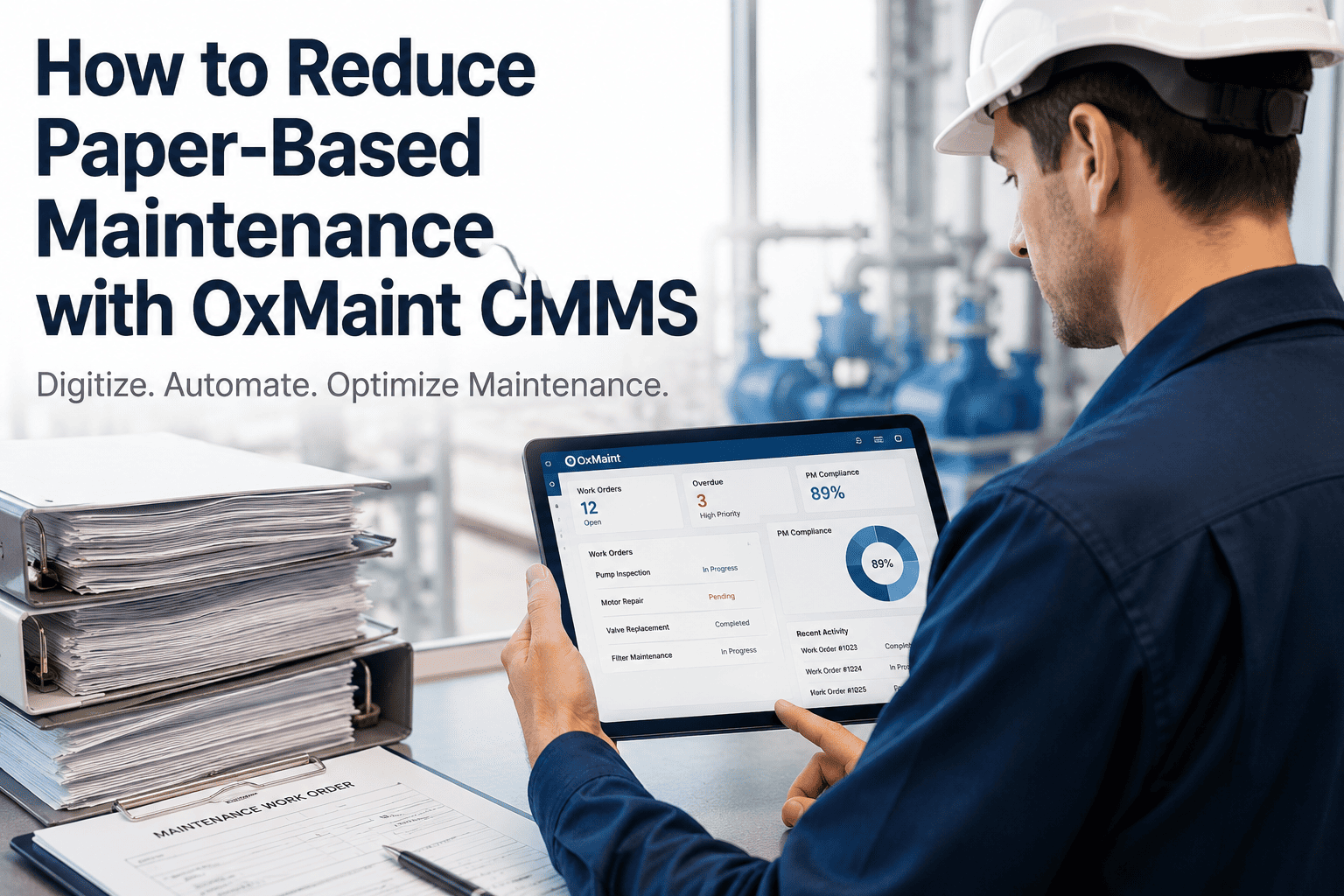
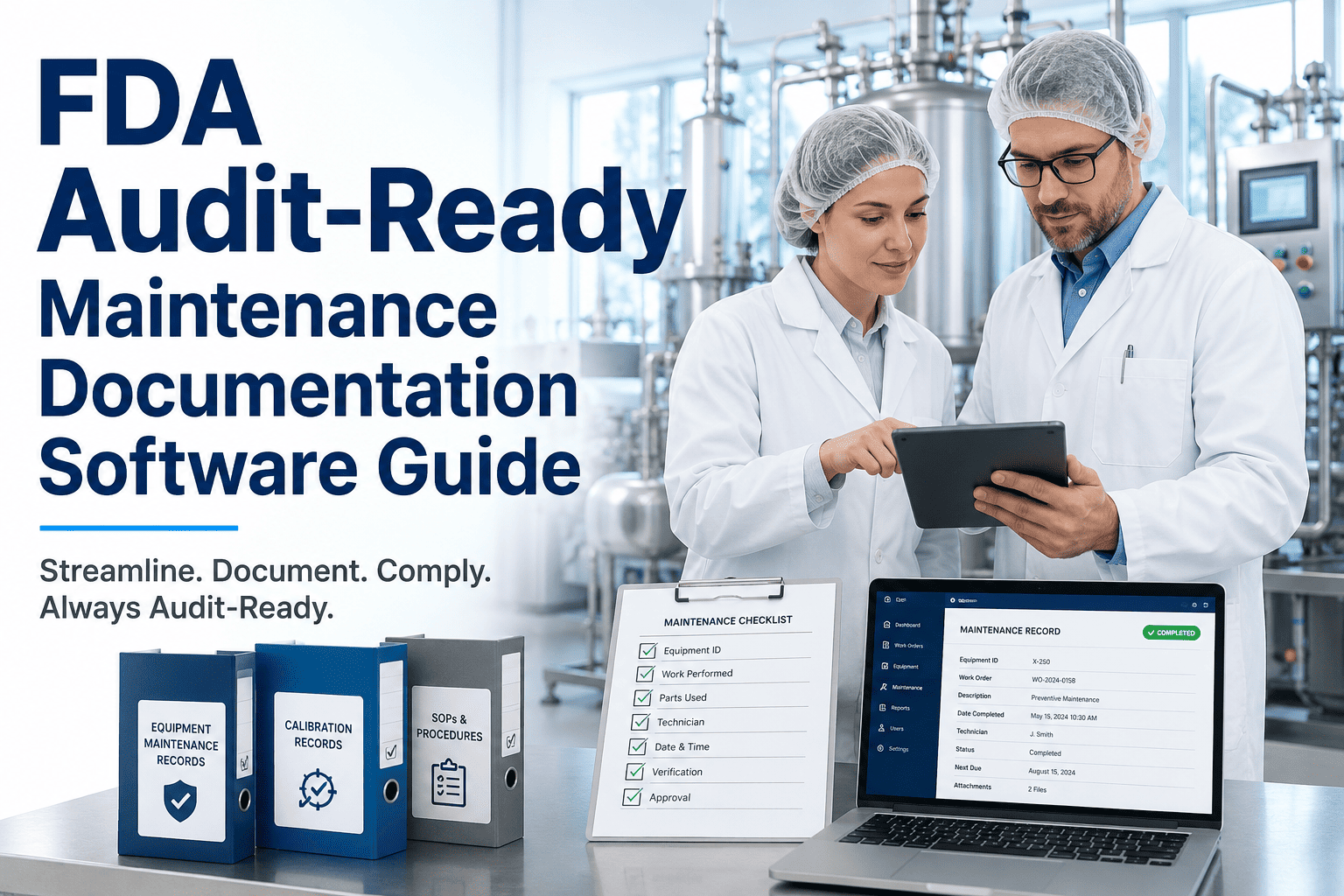
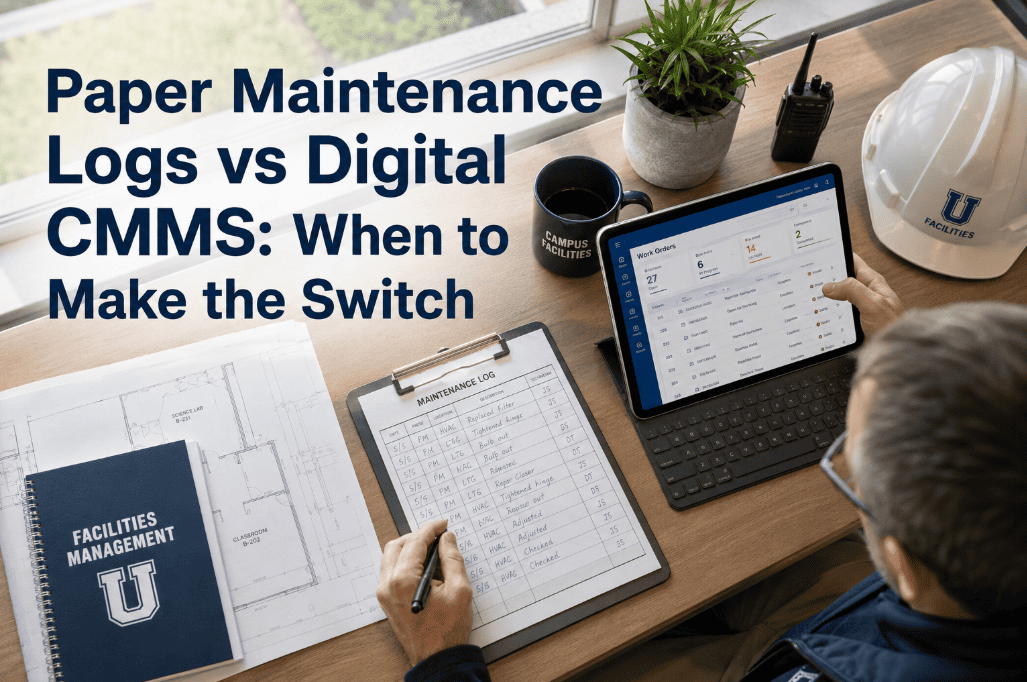
Maintenance Digital Logbooks: Replacing Paper-Based Maintenance Records
Professionals spend an average of 18 minutes locating a single document—nearly 5 hours per week searching through filing cabinets, email chains, and scattered spreadsheets. Research reveals that 7.5% of all documents get lost entirely, while another 3% are misfiled where no one can find them. In maintenance operations, these statistics translate directly to compliance failures, missed inspections, repeated work, and costly equipment failures that proper documentation would have prevented. Industry data shows that organizations lose an average of $12.9 million annually due to poor quality data, while document challenges alone cost nearly $20,000 per worker per year in lost productivity. Yet 80% of companies in regulated environments still rely on paper-based logbooks despite these documented inefficiencies. The shift from handwritten maintenance logs to digital electronic logbooks isn't optional anymore—it's a competitive and regulatory necessity. Sign up for Oxmaint to transform your paper maintenance records into searchable, audit-ready digital logbooks.
Digital Transformation
From Paper Logs to Digital Intelligence
Replace handwritten maintenance records, filing cabinets, and scattered documentation with searchable electronic logbooks that deliver instant access, automatic compliance, and data-driven insights
Paper-based maintenance logs create systemic operational risks that compound over time. What starts as a simple logbook becomes filing cabinets full of deteriorating records, illegible handwriting, and documentation gaps that only surface during audits or equipment failures. The true cost extends far beyond paper and storage—it's measured in compliance violations, repeated work, and decisions made without complete information.
Search Paralysis
Finding a specific maintenance record means flipping through binders, searching filing cabinets, and hoping someone filed it correctly. Average search time: 18 minutes per document. Annual productivity loss: 21.3%.
Cost: $120 to find a misfiled document
Lost Documentation
Paper gets coffee-stained, misfiled, or lost in transit. One missing inspection certificate can ground aircraft or trigger immediate out-of-service orders. 7.5% of all documents are lost entirely.
Cost: $220 to reproduce a lost document
Compliance Exposure
When auditors arrive, scrambling through filing cabinets demonstrates poor compliance culture. 93% of carriers audited in 2025 received at least one violation—missing or disorganized documentation is the most common trigger.
Cost: $1,270-$16,000+ per violation
Missed Deadlines
Expired certifications, lapsed inspections, overdue maintenance—manual tracking means critical dates slip through constantly. Each missed deadline is a separate citable violation.
Cost: Operational shutdowns + penalties
Knowledge Evaporation
When experienced technicians retire, decades of troubleshooting wisdom walks out the door. Paper records don't capture the context, reasoning, or institutional knowledge that made them effective.
Cost: Relearning lessons repeatedly
Duplicate Work
83% of employees recreate files that already exist simply because they can't find them. Technicians repeat inspections, managers regenerate reports, and maintenance histories are reconstructed from memory.
Cost: Hours per week in wasted labor
Paper vs. Digital: Side-by-Side Comparison
The contrast between paper-based maintenance records and digital logbooks isn't subtle—it's transformational. Every process that takes minutes with paper takes seconds with digital systems, while error rates drop dramatically and audit readiness becomes automatic. Book a demo to see the difference in your specific workflows.
Paper-Based Records
✗ 18 minutes average to find one record
✗ Illegible handwriting, incomplete entries
✗ Filing cabinets, storage rooms, boxes
✗ Manual deadline tracking via calendars
✗ Audit prep takes days of scrambling
✗ Single copy—lost is lost forever
✗ No trend analysis or pattern detection
✗ Version control chaos
VS
Digital Logbooks
✓ Instant search across all records
✓ Standardized, readable, validated entries
✓ Cloud storage, accessible anywhere
✓ Automated alerts before deadlines
✓ Audit-ready 24/7, instant retrieval
✓ Automatic backups, disaster recovery
✓ Analytics, dashboards, failure prediction
✓ Complete audit trail with timestamps
Core Capabilities of Digital Maintenance Logbooks
Modern digital logbook platforms go far beyond simply scanning paper records. They transform maintenance documentation into an active system that automates compliance, surfaces insights, and integrates with broader operational workflows. Sign up now to explore these capabilities in your own environment.
01
Real-Time Data Capture
Technicians enter maintenance activities directly from mobile devices at the point of work. Photo documentation, electronic signatures, GPS timestamps, and structured forms ensure complete, accurate records without transcription delays or errors.
02
Searchable History
Every maintenance action, inspection finding, repair record, and compliance document becomes instantly searchable. Find any record in seconds by asset, date, technician, work type, or keyword—no more flipping through binders.
03
Automated Compliance Tracking
The system monitors certification expirations, inspection intervals, regulatory deadlines, and warranty periods automatically. Alerts trigger before deadlines—not after violations. Compliance dashboards show status at a glance.
04
Complete Audit Trail
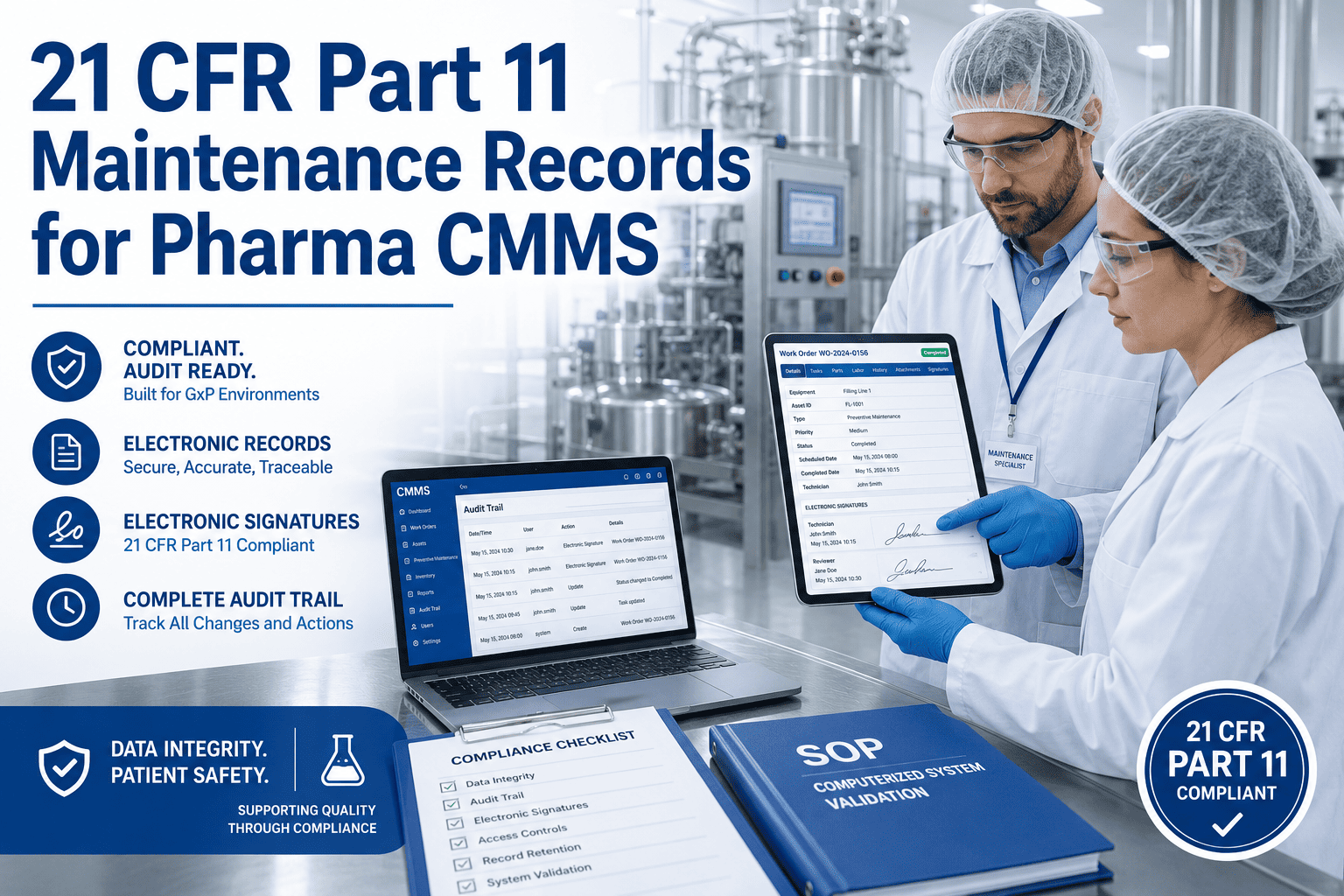
Every entry, edit, and approval is timestamped with user identification. Electronic signatures satisfy 21 CFR Part 11 and equivalent regulatory requirements. Auditors get complete, verifiable records without interpretation challenges.
05
Equipment Lifecycle Integration
Digital logbooks connect to asset management systems, linking maintenance history to equipment profiles. Lifetime costs, failure patterns, and maintenance trends inform repair-vs-replace decisions with actual data.
06
Analytics and Reporting
Transform maintenance data from passive archives into active decision-support. Identify recurring issues, predict failures, optimize maintenance intervals, and justify budget requests with documented evidence.
Ready to Eliminate Paper Maintenance Records?
Join organizations achieving 40-60% reduction in administrative time, 72% decrease in compliance risk, and instant audit readiness through digital maintenance logbooks.
Different industries face specific regulatory requirements for maintenance documentation. Digital logbooks must satisfy these standards while providing the operational benefits that justify implementation. Understanding your compliance landscape is essential before selecting a platform. Book a consultation to discuss your specific regulatory requirements.
Airworthiness records, AD compliance, component tracking, maintenance release
Fleet / Transportation
49 CFR 390.31, FMCSA, DOT
DVIRs, HOS records, annual inspections, driver qualifications, repair orders
Manufacturing
ISO 9001, OSHA, EPA
Equipment maintenance history, safety inspections, calibration records
Oil & Gas / Energy
API, OSHA PSM, EPA RMP
Process safety documentation, inspection records, incident reports
Implementation Path: Paper to Digital
Migrating from paper-based maintenance records to digital logbooks requires a structured approach that minimizes disruption while maximizing adoption. Most organizations see measurable ROI within 3-6 months, with full optimization achieved within the first year. Schedule a planning session to map your migration pathway.
Phase 1
Assessment
Week 1-2
Inventory existing logbooks and records, identify compliance requirements, map current workflows, define success metrics
Phase 2
Configuration
Week 2-4
Set up digital logbook templates, configure asset hierarchy, establish user permissions, create standardized entry forms
Phase 3
Migration
Week 4-8
Digitize active records, import equipment data, scan historical documentation for reference access
Phase 4
Training
Week 6-8
Train technicians on mobile entry, educate supervisors on reporting, establish documentation standards
Phase 5
Optimization
Month 3-6
Refine workflows based on feedback, activate automated alerts, integrate with other systems, measure ROI
ROI Metrics: Documented Benefits
Organizations transitioning from paper to digital maintenance logbooks consistently report measurable improvements across multiple operational dimensions. These benchmarks represent documented outcomes from real implementations.
Transformation Impact Metrics
40-60%
Administrative Time Savings
Elimination of manual filing, transcription, and search activities
1,560+
Hours Saved Annually
Documented savings from one facility switching to paperless work orders
72%
Compliance Risk Reduction
Companies reporting decreased business risk with digital processes
90%
Paper/Printing Cost Reduction
Paperless processes virtually eliminate printing and storage costs
3-6 mo
Time to Positive ROI
Most organizations achieve payback within first two quarters
24/7
Audit Readiness
Instant retrieval of any record from any location, any time
Transform Your Maintenance Documentation
From paper chaos to digital intelligence—Oxmaint provides the platform, migration support, and ongoing partnership to make your transition successful.
A digital maintenance logbook is an electronic system that captures, stores, and organizes every maintenance activity, inspection, and compliance record for your equipment and facilities. It replaces paper forms, handwritten logs, and filing cabinets with mobile-friendly workflows, cloud storage, searchable databases, and automated tracking. Unlike paper logs, digital logbooks provide instant access to complete maintenance histories, automatic compliance alerts, electronic signatures, and integration with broader asset management systems.
Are digital maintenance records legally acceptable for regulatory compliance?
Yes, digital maintenance records are legally acceptable across most regulated industries when they meet specific requirements. In the pharmaceutical and life sciences sector, systems must comply with 21 CFR Part 11 for electronic records and signatures. Aviation maintenance records are authorized under 14 CFR Part 43 and Advisory Circular AC120-78B. Fleet operations are covered under 49 CFR 390.31, which explicitly permits electronic records across all categories. Key requirements include audit trails, electronic signatures, access controls, and secure backup systems—all standard features in modern digital logbook platforms.
How long does it take to migrate from paper to digital maintenance records?
Most organizations complete the core migration within 6-8 weeks, with full optimization achieved within 3-6 months. The timeline depends on record volume, compliance complexity, and team size. Phase 1 (assessment) typically takes 1-2 weeks, configuration takes 2-4 weeks, and active record migration runs concurrently with training over weeks 4-8. Many organizations begin capturing new records digitally within the first month while historical records are scanned for reference access. The key is phased implementation that maintains operational continuity throughout the transition.
What happens to our existing paper maintenance records?
Existing paper records can be handled in several ways depending on your needs. Active records that are still referenced regularly should be digitized through scanning with OCR processing to make them searchable. Historical records required for compliance retention can be scanned and stored as digital images with basic indexing. Records beyond retention requirements can be securely destroyed after verification. Many organizations maintain paper originals in secure storage for a transition period while confirming digital copies are complete and accessible. AI-powered systems can now interpret handwritten logs and automatically organize them chronologically.
What ROI can we expect from digital maintenance logbooks?
Documented ROI includes: 40-60% reduction in administrative time through elimination of manual filing, transcription, and search activities; 90% reduction in paper and printing costs; 72% decrease in compliance risk exposure; and 1,560+ hours saved annually in documented case studies. Most organizations achieve positive ROI within 3-6 months through reduced labor costs, avoided compliance violations ($1,270-$16,000+ per occurrence), and elimination of duplicate work. The intangible benefits—instant audit readiness, better decision-making from accessible data, and institutional knowledge preservation—often exceed direct cost savings.
How do technicians enter maintenance records without paper forms?
Technicians use mobile devices—smartphones or tablets—to enter maintenance records directly at the point of work. Digital logbook apps provide structured forms that guide required entries, capture photos for documentation, record electronic signatures, and timestamp everything with GPS location if needed. Work is always legible, complete, and instantly accessible to supervisors. Most systems work offline when connectivity is limited, syncing automatically when connection is restored. The transition typically requires 1-2 training sessions, and most technicians find mobile entry faster than handwriting once familiar with the interface.
Can digital logbooks integrate with our existing CMMS or ERP systems?
Yes, modern digital logbook platforms are designed with API-first architectures specifically for integration with existing systems. Common integrations include CMMS platforms for work order flow, ERP systems for cost tracking and procurement, IoT sensors for automated condition monitoring, inventory management systems for parts tracking, and HR systems for technician certifications. Integration ensures maintenance data flows seamlessly across your technology stack without manual data entry between systems. When evaluating platforms, confirm they support your specific systems and the depth of integration you require.