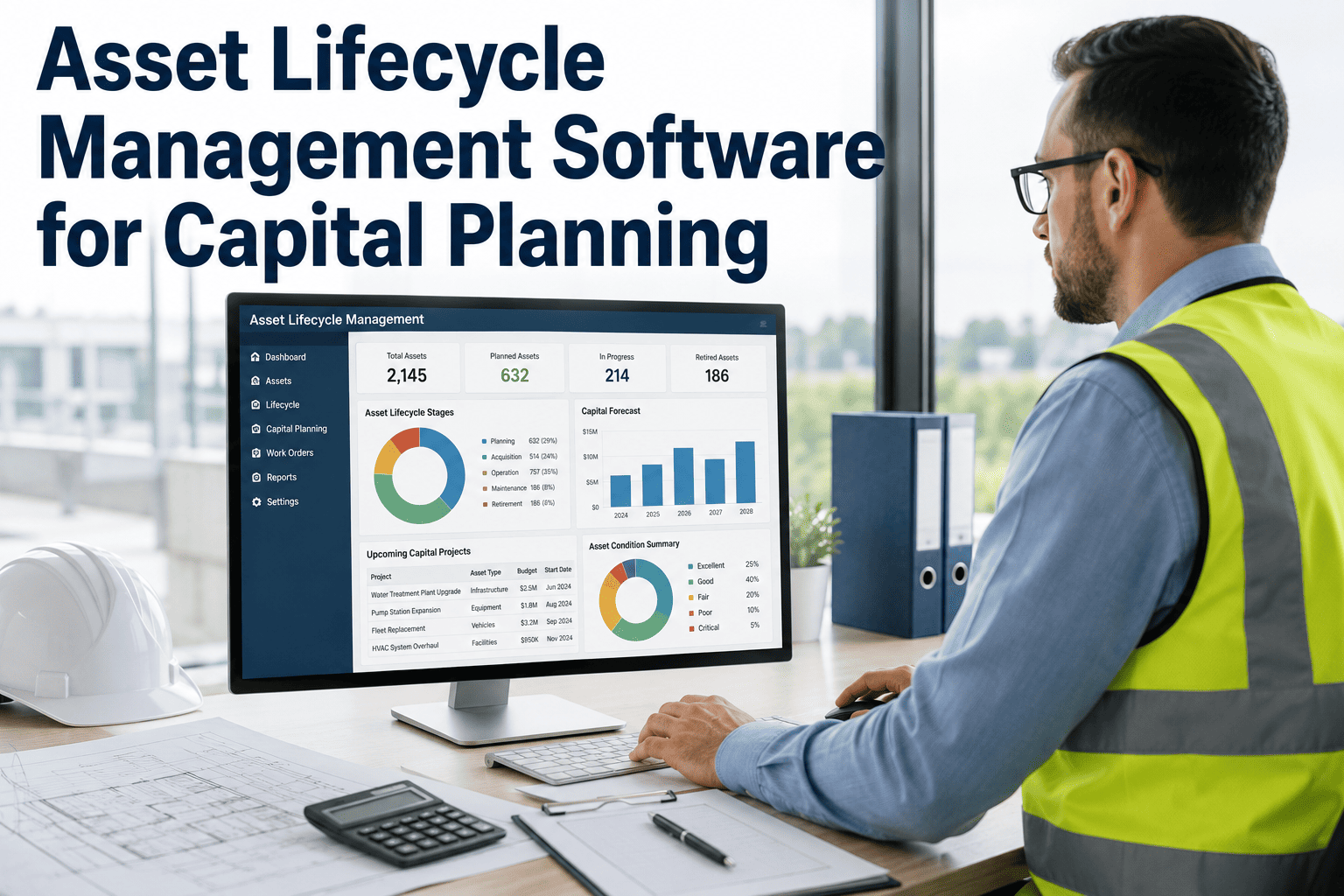
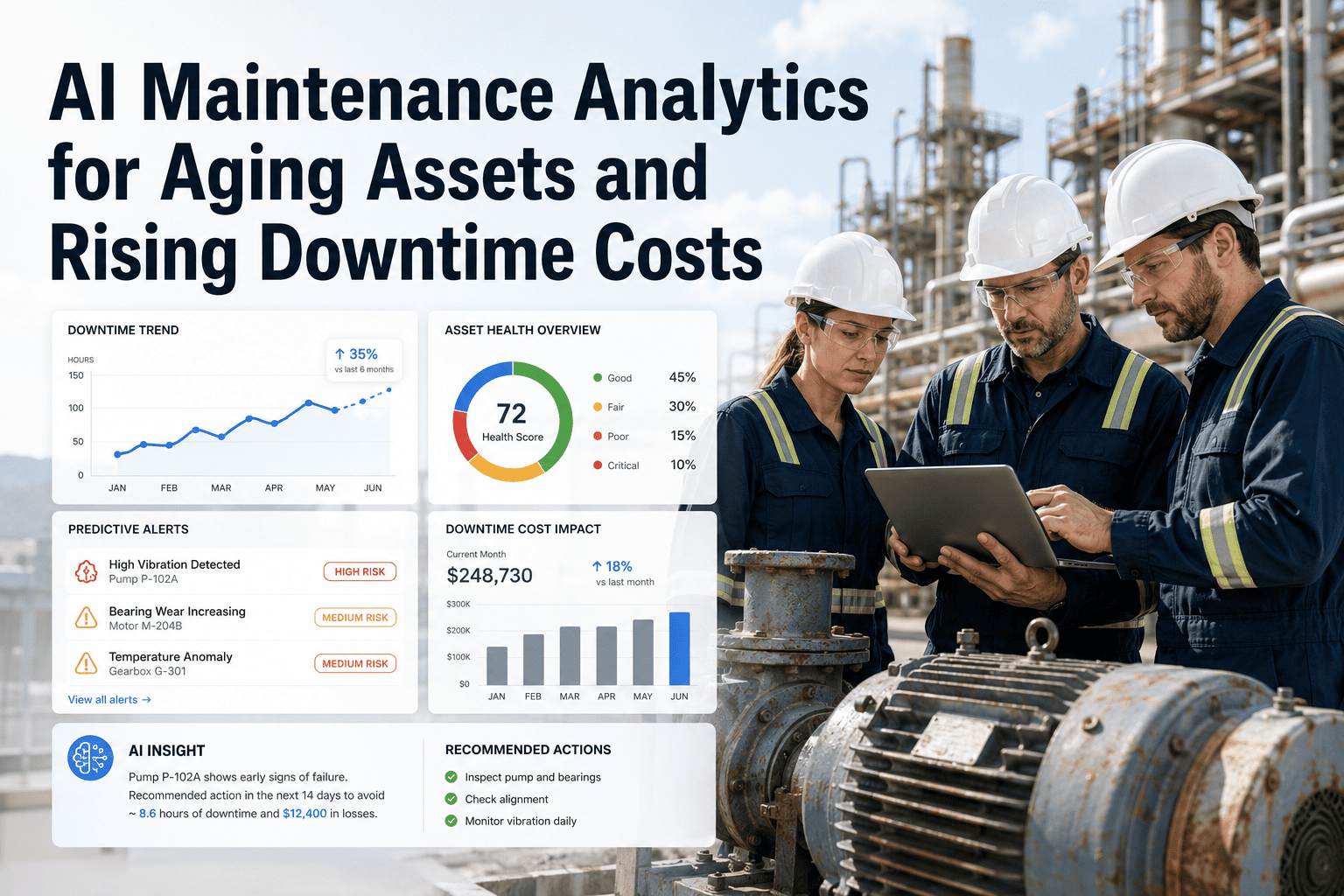
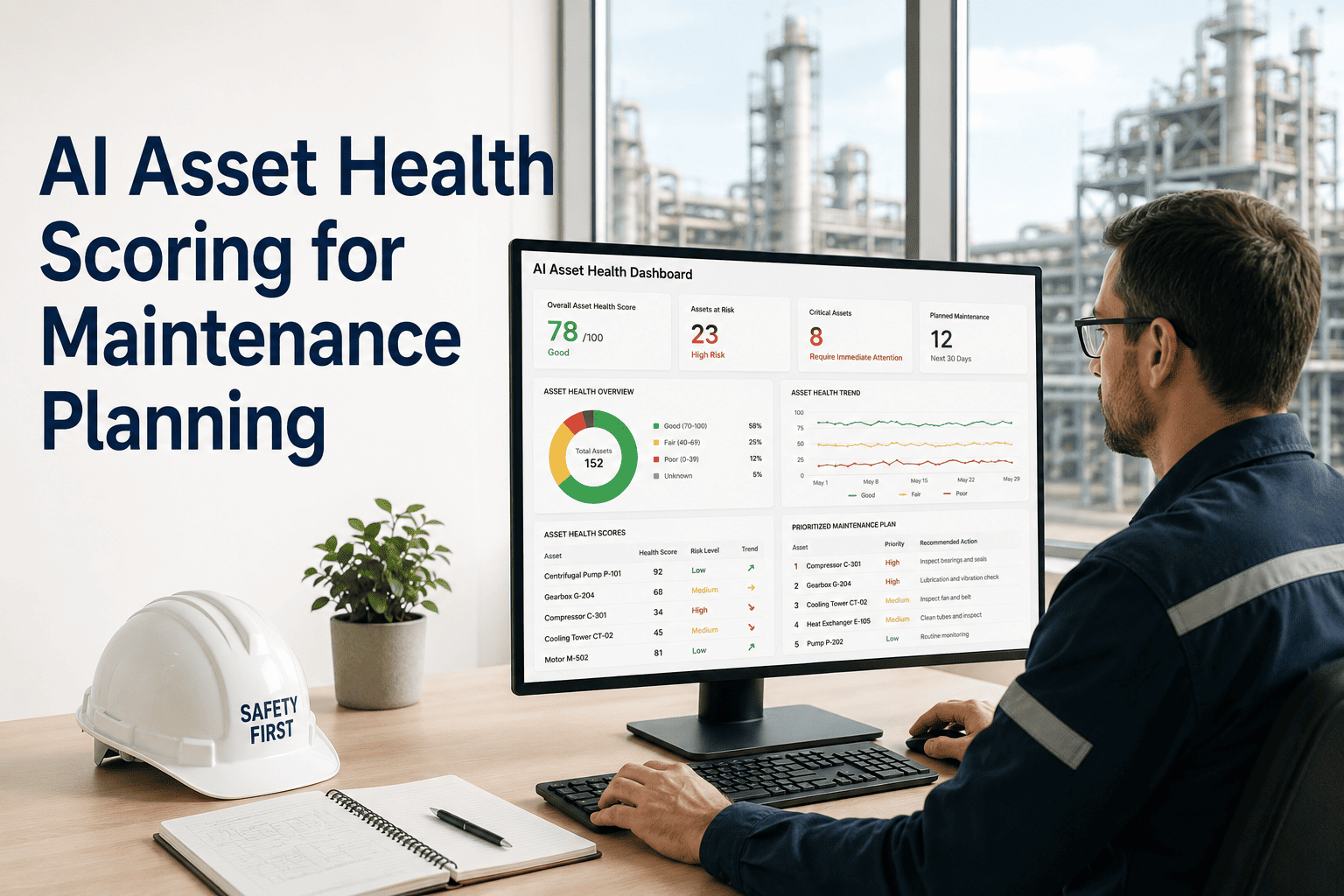
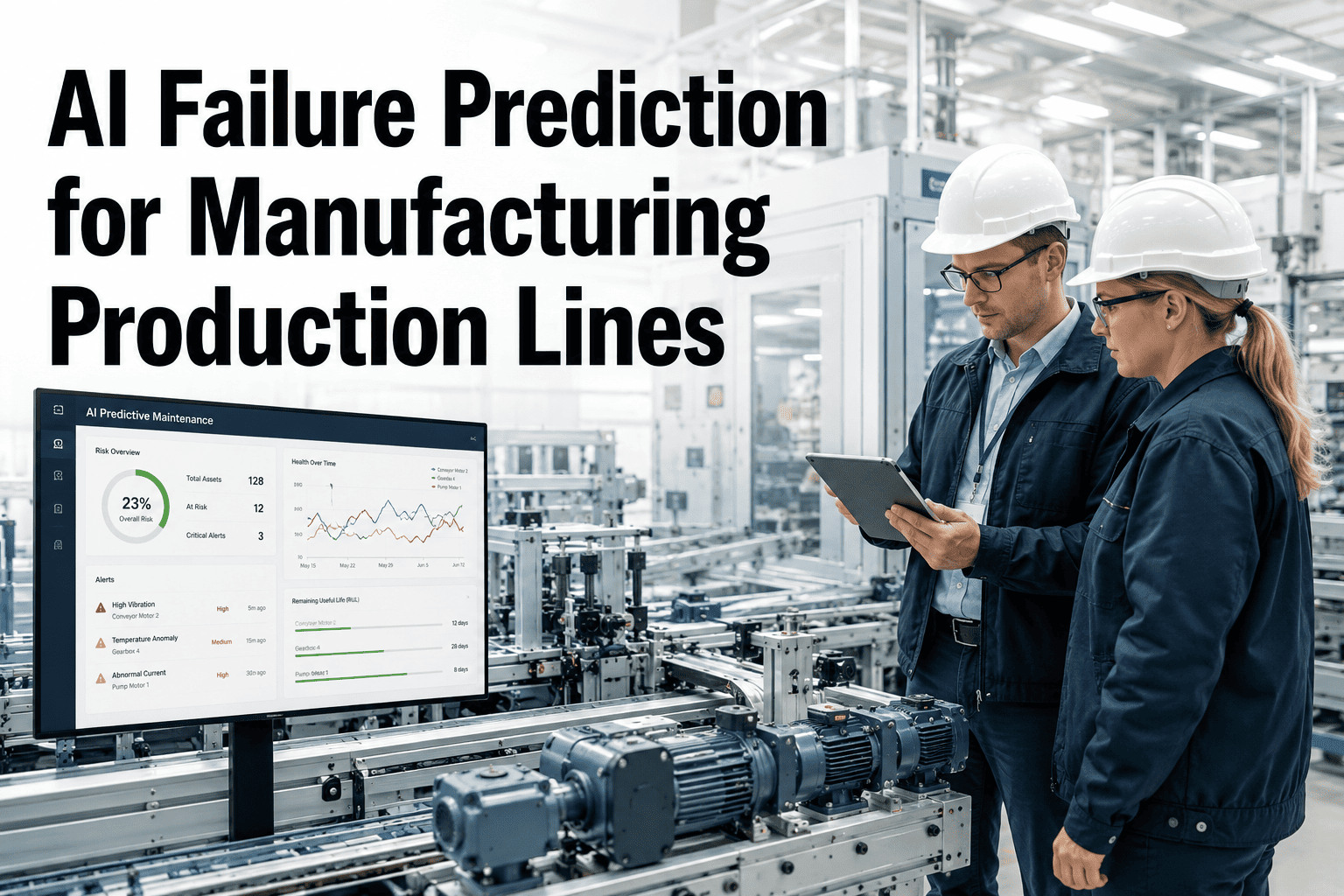
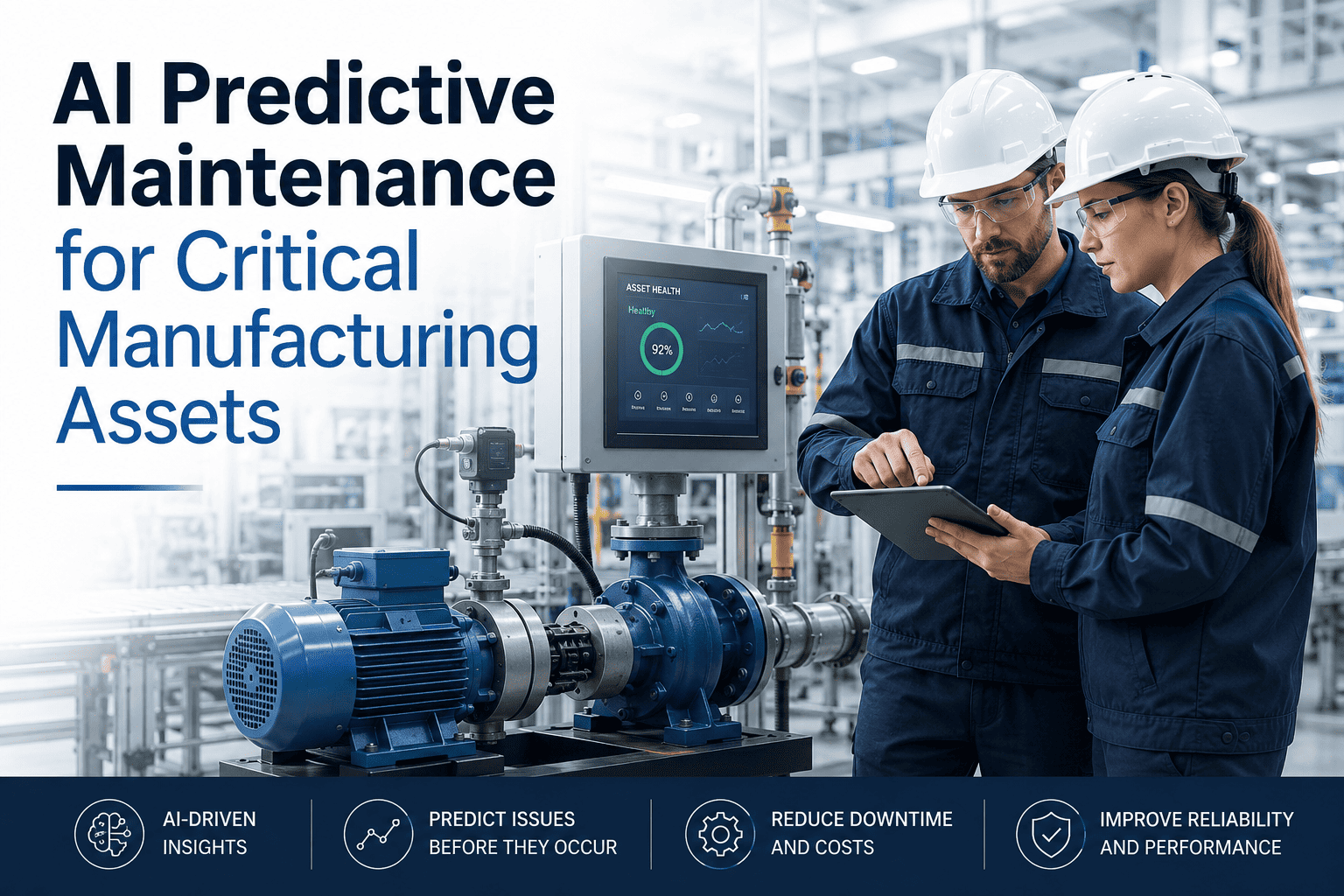
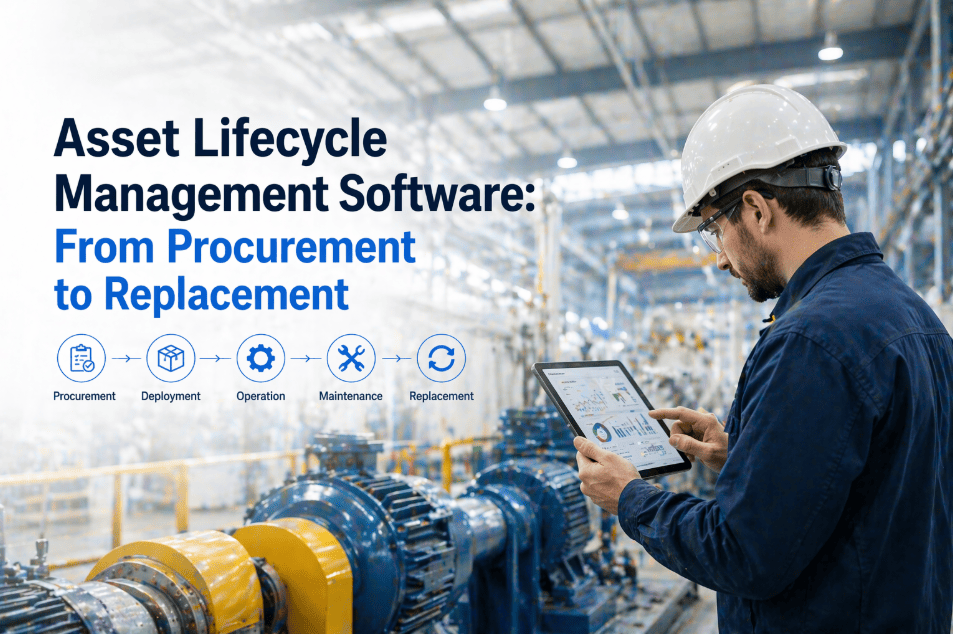
Equipment replacement decisions represent some of the most consequential choices maintenance managers face—replace too early and waste remaining useful life, too late and suffer catastrophic failures that cascade through operations. A 2024 MaintainX report reveals that 41% of organizations identify deterioration of essential assets as the primary driver of costly unplanned downtime, while Siemens research shows automotive sector downtime now costs $2.3 million per hour—a twofold increase since 2019. The global asset tracking and monitoring market has reached $25.58 billion in 2024 and is projected to grow at 13.91% annually, reaching $47.33 billion by 2029, reflecting the urgent demand for predictive capabilities that optimize replacement timing. Organizations implementing data-driven lifecycle management report operational expenditure reductions up to 15% and capital expenditure savings of 8% by precisely predicting optimal replacement windows. Sign up for Oxmaint to gain predictive insights into equipment lifespan, optimize replacement planning, and transform capital allocation from guesswork into precision science.
Understanding the Equipment Lifecycle
Every piece of equipment follows a predictable journey from acquisition to disposal, with each stage presenting unique opportunities for optimization and data collection. Understanding these lifecycle phases enables maintenance teams to predict degradation patterns, anticipate replacement needs, and allocate capital with precision rather than intuition.
Acquisition
Planning & ProcurementKey Activities
- Needs assessment and specification
- Total cost of ownership analysis
- Vendor evaluation and selection
- Expected lifespan documentation
- Baseline performance benchmarks
- Warranty and support agreements
Quality acquisition decisions set the foundation—equipment designed for durability and maintainability can double expected service life
Operation
Deployment & UsageKey Activities
- Performance monitoring and trending
- Operator training and certification
- Usage pattern documentation
- Environmental condition tracking
- Operating parameter optimization
- Early degradation detection
Proper operation within design parameters prevents premature wear—operator error accounts for up to 30% of equipment failures
Maintenance
Service & OptimizationKey Activities
- Preventive maintenance scheduling
- Predictive analytics deployment
- Condition-based interventions
- Component replacement tracking
- Failure mode documentation
- Remaining useful life estimation
Predictive maintenance extends equipment life by 20-40% while reducing maintenance costs through optimal intervention timing
Replacement
Disposal & RenewalKey Activities
- Repair vs. replace analysis
- Optimal replacement timing
- Capital budget forecasting
- Disposal compliance management
- Knowledge transfer documentation
- Replacement equipment specification
Data-driven replacement decisions prevent both premature retirement and catastrophic end-of-life failures
The True Cost of Poor Replacement Planning
Replacement planning failures manifest in two forms: premature replacement that wastes remaining asset value, and delayed replacement that results in catastrophic failures, production losses, and safety incidents. Both scenarios drain organizational resources and undermine operational reliability. Request a demo to see how Oxmaint's lifecycle analytics optimize replacement timing for maximum value extraction.
Premature Replacement
Delayed Replacement
Industry-Wide Impact
Budget Allocation Impact
Lifespan Prediction by Equipment Category
Different equipment categories exhibit distinct degradation patterns and require tailored prediction methodologies. Rotating equipment follows vibration-based degradation curves, while static equipment deteriorates through corrosion and fatigue mechanisms. Understanding these patterns enables accurate remaining useful life estimation and optimal replacement timing. Schedule a consultation to develop equipment-specific prediction strategies for your asset portfolio.
Rotating Equipment
Vibration Analysis
Monitor bearing frequencies, imbalance signatures, and misalignment patterns to predict bearing and shaft failures
Oil Analysis
Track wear metal concentrations, contamination levels, and lubricant degradation to assess internal component condition
Performance Trending
Monitor efficiency curves, power consumption, and output degradation to identify approaching end-of-life conditions
Thermal Imaging
Detect hot spots, bearing temperature anomalies, and electrical connection issues before catastrophic failure
Static Equipment
Thickness Monitoring
Ultrasonic thickness measurements track corrosion rates and predict remaining wall life for vessels and piping
Corrosion Rate Analysis
Calculate degradation velocity from historical data to project time-to-minimum-thickness and replacement windows
Fatigue Life Assessment
Track pressure cycles, thermal cycles, and stress events against design fatigue curves to predict structural life
Inspection-Based Modeling
Integrate API inspection findings with predictive models to refine remaining life estimates and inspection intervals
Electrical Systems
Insulation Resistance
Trending insulation degradation patterns to predict winding failures and motor replacement needs
Thermal Scanning
Infrared inspection of connections, breakers, and transformers to identify degradation before failures
Power Quality Analysis
Monitor harmonics, voltage sags, and current imbalances that accelerate equipment aging and reduce lifespan
Age-Based Curves
Apply manufacturer life expectancy data adjusted for operating conditions to forecast replacement timing
Digital Technologies for Lifespan Prediction
Advanced technologies are transforming equipment lifespan prediction from reactive estimation to proactive forecasting. IoT sensors provide continuous condition data, AI algorithms detect subtle degradation patterns, and digital twins simulate future scenarios to optimize replacement timing. Book a demo to see how Oxmaint integrates these technologies into actionable replacement planning.
IoT Sensor Networks
Continuous monitoring of vibration, temperature, pressure, and performance parameters enables real-time health assessment
AI/ML Analytics
Machine learning algorithms identify degradation patterns invisible to humans and predict remaining useful life with high accuracy
Digital Twin Technology
Virtual replicas simulate equipment behavior under various scenarios to optimize maintenance and predict end-of-life
Predictive Analytics
Data-driven models forecast equipment degradation trajectories and calculate optimal replacement windows
Replacement Decision Framework
Optimal replacement timing balances multiple factors including remaining useful life, maintenance costs, energy efficiency, technology obsolescence, and production requirements. A structured decision framework ensures consistent, data-driven replacement decisions across the asset portfolio. Request a technology assessment to evaluate your replacement decision processes.
Master Equipment Lifespan Prediction
From acquisition to replacement, Oxmaint provides the lifecycle visibility and predictive analytics you need to maximize asset value, optimize capital allocation, and prevent costly unplanned failures.